
(Image credit: VAN)
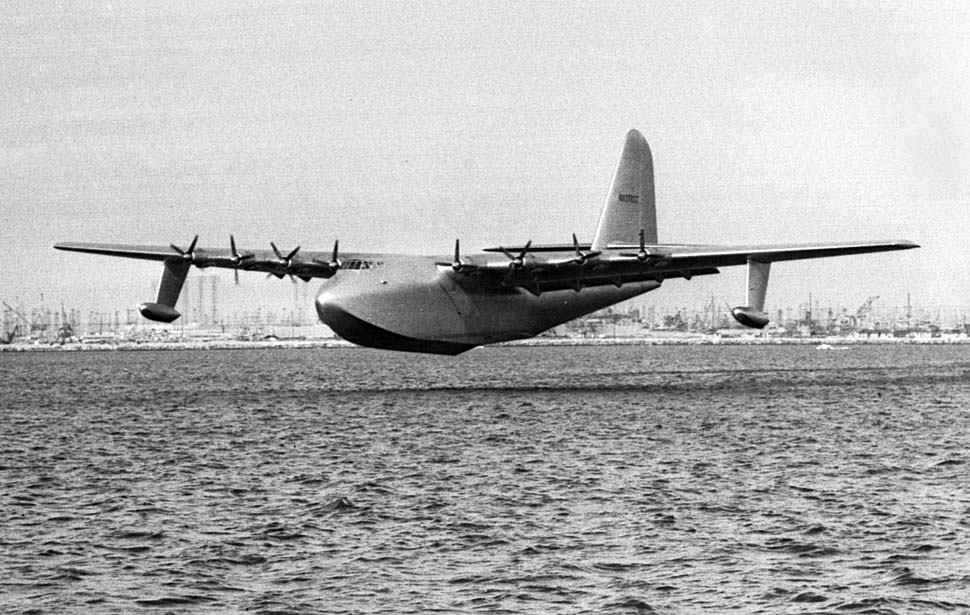
On this day in aviation history, 78 years ago (November 2, 1947), the Hughes H-4 Hercules made its first – and only – flight. More commonly known as the Spruce Goose, the H-4 was a prototype flying boat that was designed and built by the Hughes Aircraft Company. The Hercules was intended to be flown as a strategic airlift transport aircraft on transatlantic flights during World War II. A brainchild of noted aircraft pioneers Howard Hughes and Henry Kaiser, the H-4 would not be completed in a timeframe that allowed the aircraft’s use in the Second World War. The sole H-4 built was flown only once.
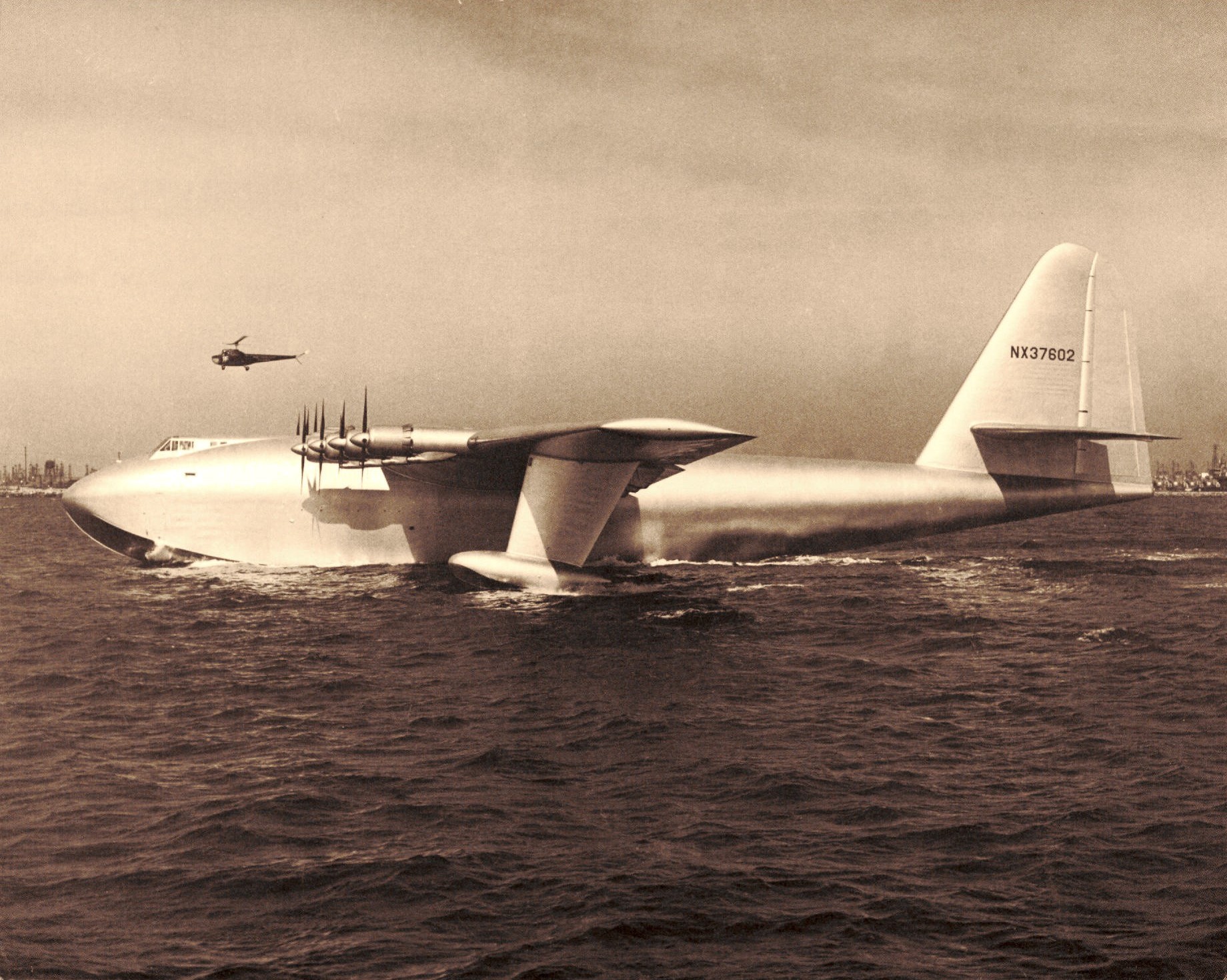
The Hughes H-4 got the nickname Spruce Goose from its critics, due to the materials used in its construction. The airframe was built using wood – via the Duramold process – due to the wartime restrictions on the use of aluminum. Furthermore, the weight of such a massive aircraft made from metal would be nearly impossible to get off the ground. Wood made more sense from a logistical standpoint – birch, to be exact.
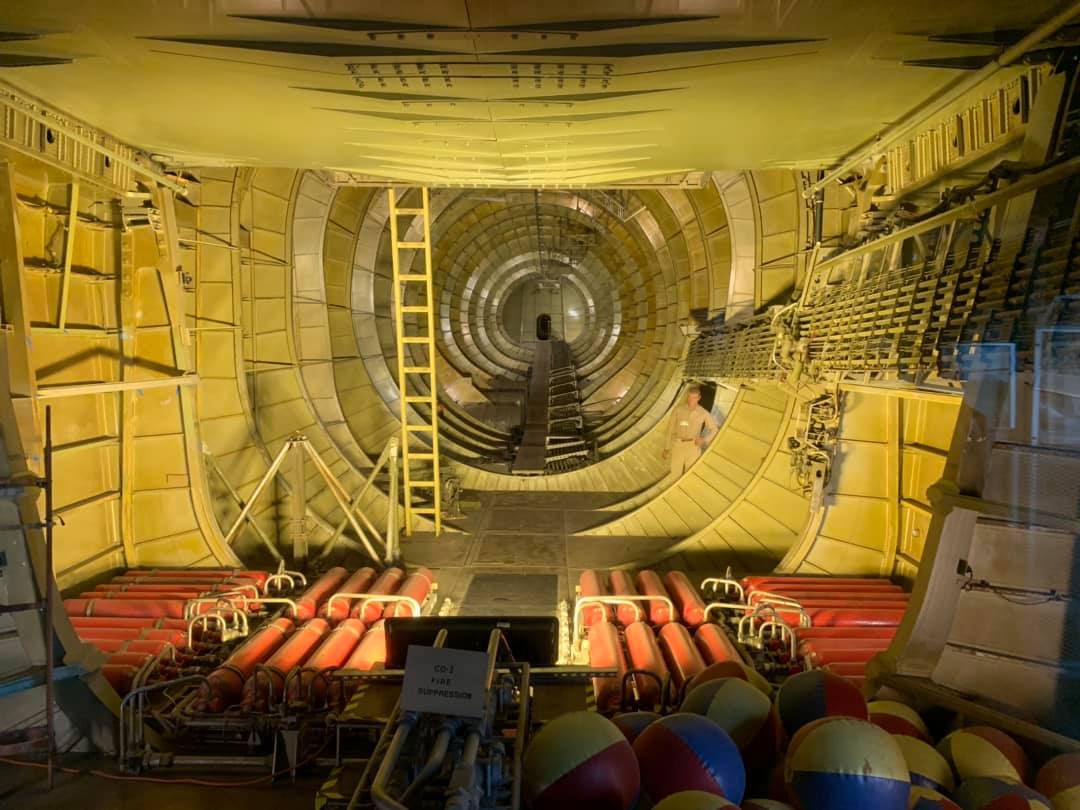
The H-4 had a crew of 3, which was quite sparse considering the sheer size of the flying boat. Hughes’ Hercules had a wingspan of 319 feet – 11 inches, a length of 218 feet – 8 inches, and a height of 79 feet – 4 inches. The H-4’s empty weight was 250,000 pounds. Powered by eight 3,000-horsepower Pratt & Whitney R-4360 Wasp Major 28-cylinder radial engines, the H-4 was said to cruise at 250 miles per hour. A planned range of 2,600 nautical miles and a service ceiling of 20,900 feet could have given the H-4 a decent envelope within which to operate. Had the Hercules been used in military service, it was planned to carry 750 fully-equipped soldiers.
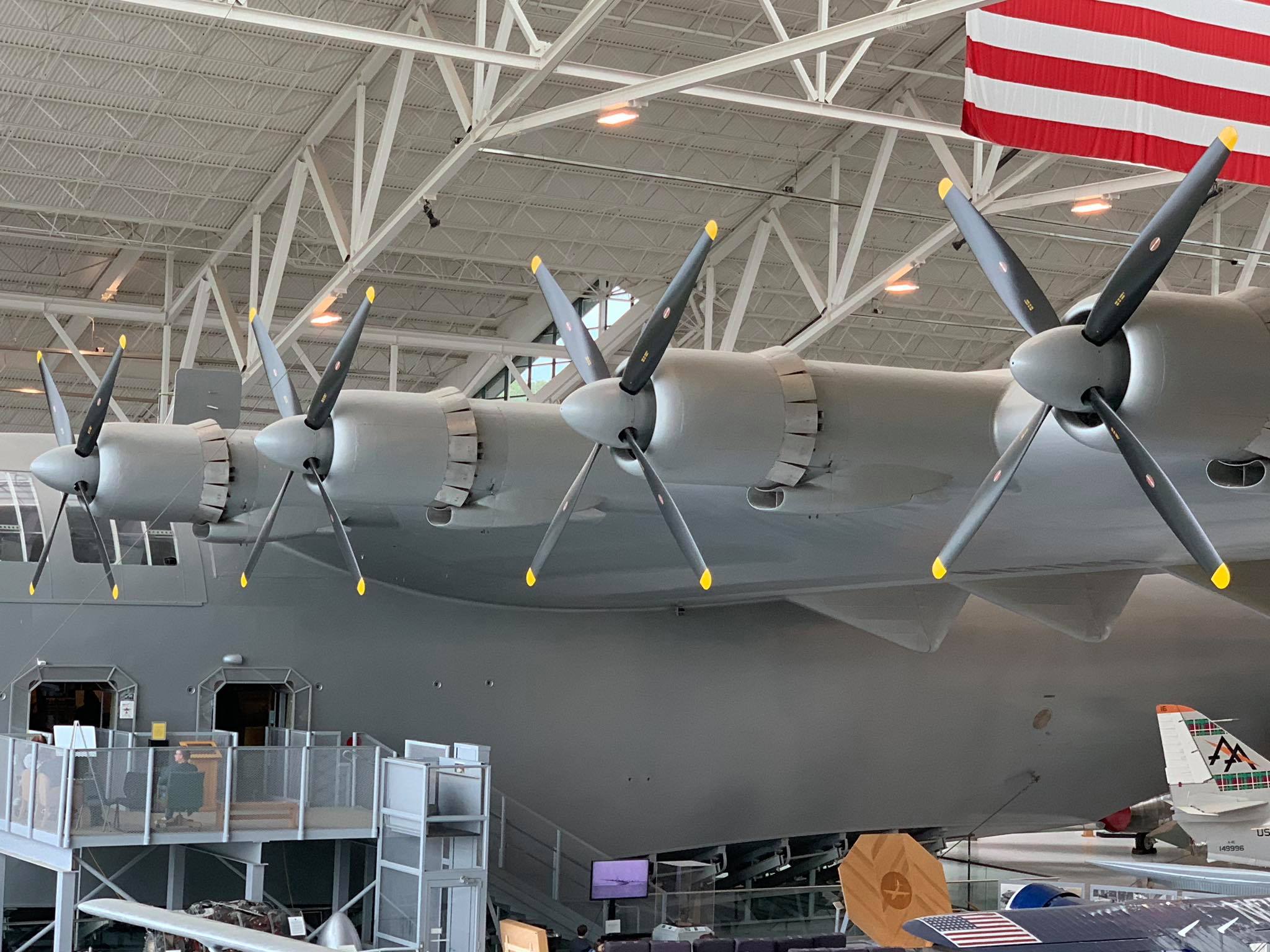
Spruce Goose’s first and only flight took place at the harbor of Los Angeles, California. The H-4 flew nearly 1 mile on the flight, at an airspeed of 135 miles per hour – remaining in ground effect for the duration. The Spruce Goose may have only flown once, not being used in any capacity thereafter. However, Hughes’ flying boat was far from a failure. The H-4 proved that such a massive airplane could not only be built, but also fly. This prototype served as proof of concept and was an influence on the design of major commercial and military transport aircraft serving today. The Hughes H-4 Spruce Goose still survives today, and can be seen on display at the Evergreen Aviation and Space Museum in McMinnville, Oregon.