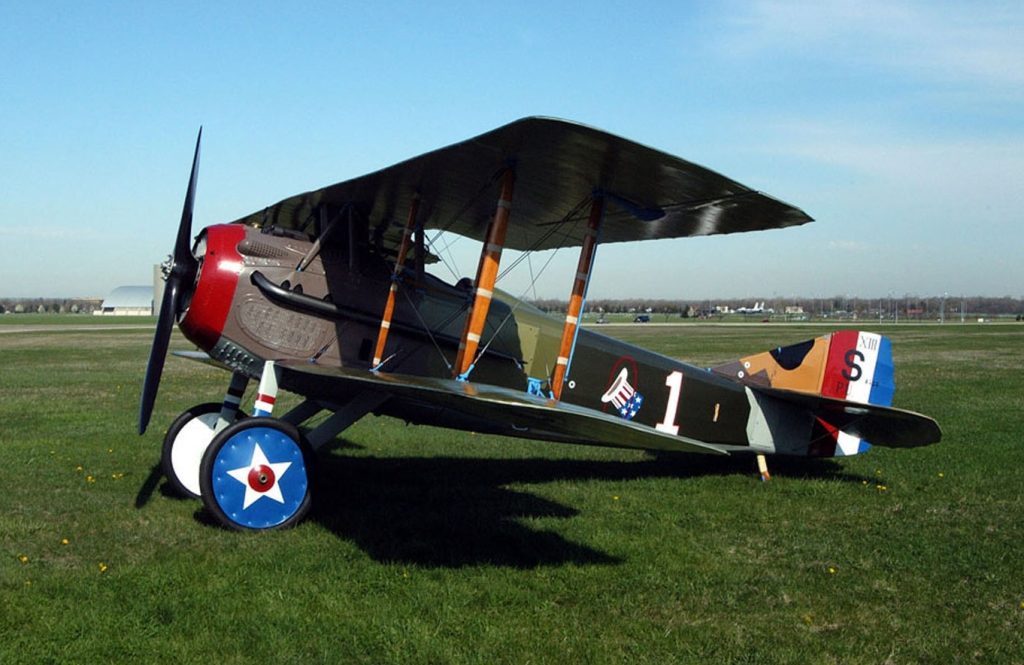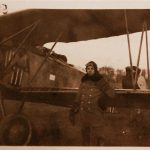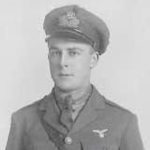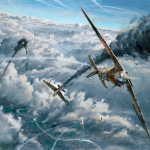
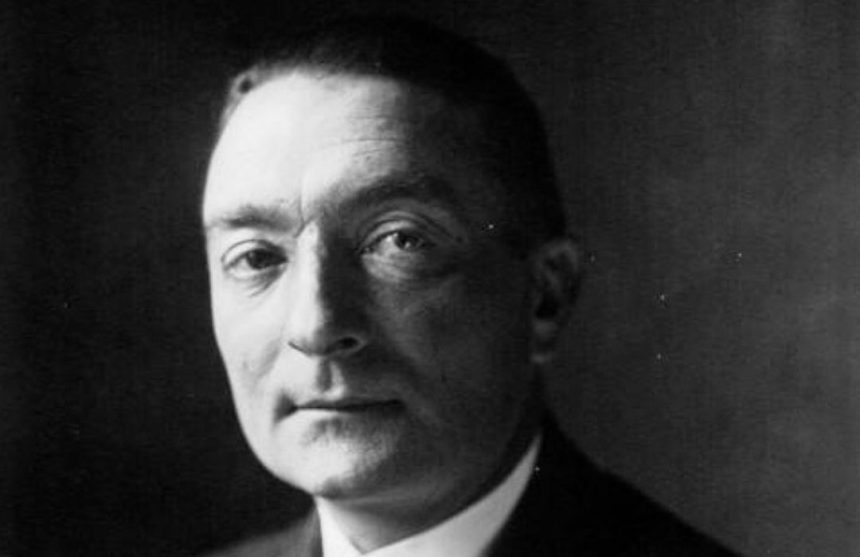

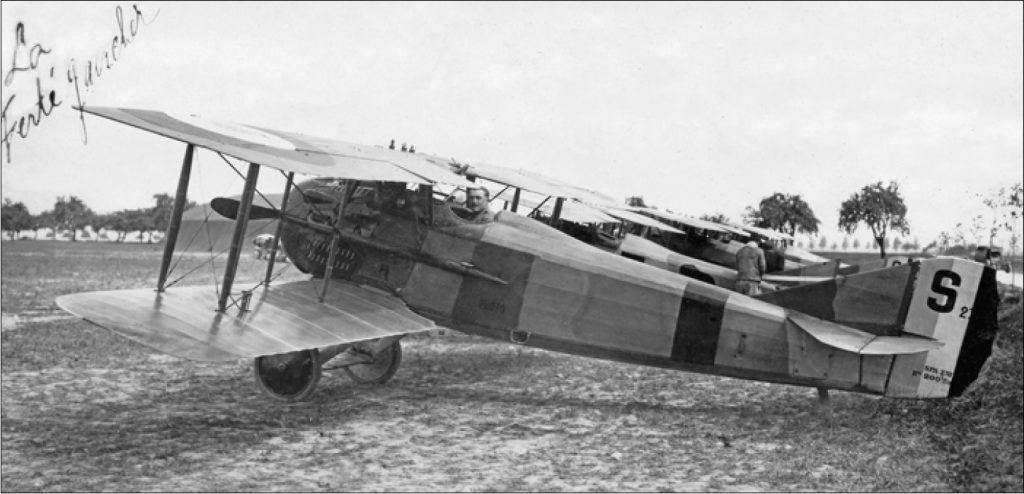
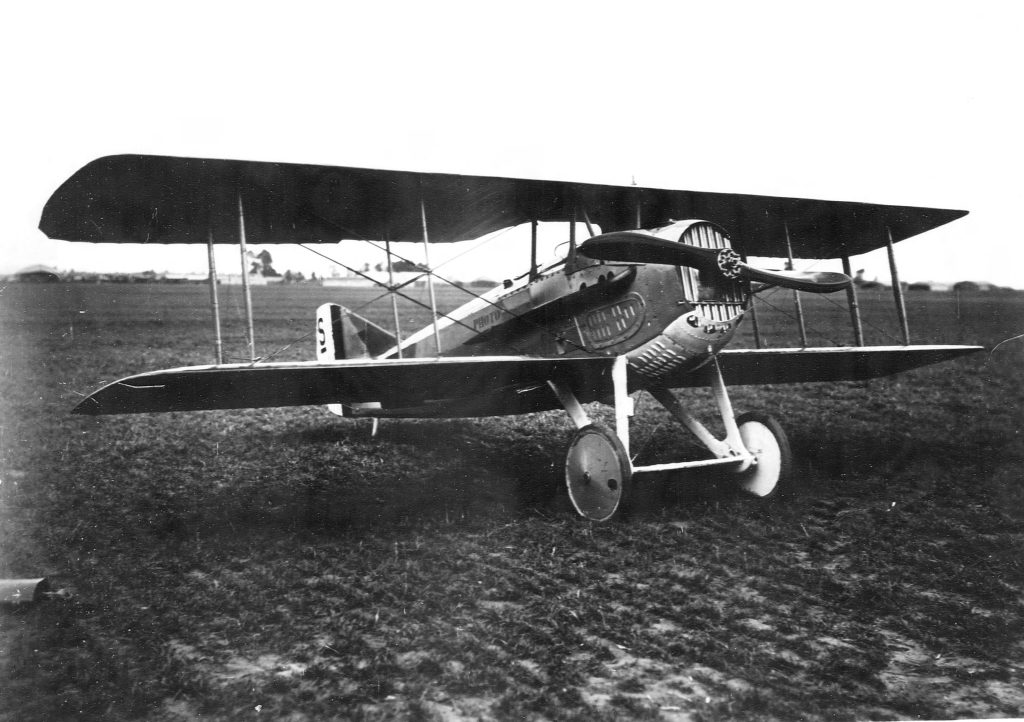
During WWI, when the French Air Service needed pilots, many army soldiers joined the service. One such soldier was Gilbert Sardier, who was born on May 5, 1897, in Riom, France. He joined the French army in 1914. In 1915, Sardier moved to the French Air Service. By the summer of 1916, he had become a pilot and observer. Sardier joined Escadrille N.77 when it was formed on September 29, 1916. His first victory came on November 7, 1916, which was his sole victory of the year. His second victory came on June 3, 1917, and his third on January 4, 1918. Why Gilbert Sardier had a gap of almost seven months between his first three victories has not been officially confirmed, but it may have been due to advanced air training or a change in roles. After scoring another victory in February, he shot down three Albatros aircraft on May 15 and officially became an ace. He shot down two more aircraft in May, followed by three in June and one in August, bringing his score to 13. Later, he was appointed the commander of Spa 48 squadron, where Gilbert Sardier scored two more victories, bringing his WWI score to 15. Out of his 15 victories, five were balloons, four were Albatros aircraft, three were EA aircraft, two were Fokker D.VIIs, and a two-seater.
Post WWI Life of Gilbert Sardier
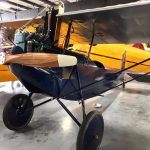
Gilbert Sardier was awarded the Légion d’honneur, Médaille militaire, Croix de Guerre, American Distinguished Service Cross, and British Military Medal. Sardier continued to work in aviation after the war ended. On May 8, 1920, he joined Louis Chartoire to start the Aero-Club d’Auvergne. In August 1922, he flew his triplane glider at a convention for experimental gliders near his home. As the club president, he attended a national convention of aero clubs in Marseille on September 16 and 17, 1932. The Aero-Club d’Auvergne was one of the first flying clubs in France and is still active today. When WWII started, he was called back to service as a reserve lieutenant colonel. After working at the Air Ministry, Gilbert Sardier took command of the Aulnat airbase in March 1940. The armistice sent him home in August 1940, but the formation of Marshal Pétain’s government in Vichy, near Clermont-Ferrand, led him to enter politics. He became president of the Auvergne Legion of Veterans, a group supporting the new regime, and was awarded the Order of the Francisque. Sardier seemed more loyal to the Marshal than to the government’s policies. By 1943, as the regime grew closer to Germany, he began to distance himself from it. The Milice, a French paramilitary group, became more involved in local matters. Gilbert Sardier found himself in a difficult situation. The French Resistance suspected him of supporting them, while some resistance members accused him of collaborating with the regime.
The Controversy
On January 28, 1944, Gilbert Sardier was at his office in the Legion of Veterans when he got an anonymous letter. The letter revealed a stash of weapons hidden at the St. Eloy post office. That same day, the militia raided the post office, confiscating the weapons and arresting two postal workers. As a result, he was arrested. He was accused of giving the letter to the militia, but he denied this. However, his secretary had made a copy and given it to the Resistance. On February 8, 1945, the Clermont-Ferrand court sentenced him to three years in prison and national degradation for endangering national defense. Despite testimonies from the Resistance during the trial that supported him, Gilbert Sardier did not serve his full sentence. He received amnesty in November 1946 and was reinstated in all his decorations and rank in the Air Force in 1953. He resumed his presidency of the Auvergne Aero Club and spent the rest of his life following his passion for flying. Gilbert Sardier died on October 7, 1976, in Clermont-Ferrand. In the Aces series, despite a controversial WWII, Sardier was a lover of aviation and a WWI French ace. Read more such stories HERE.