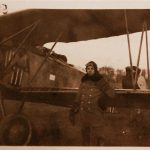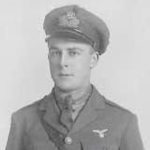
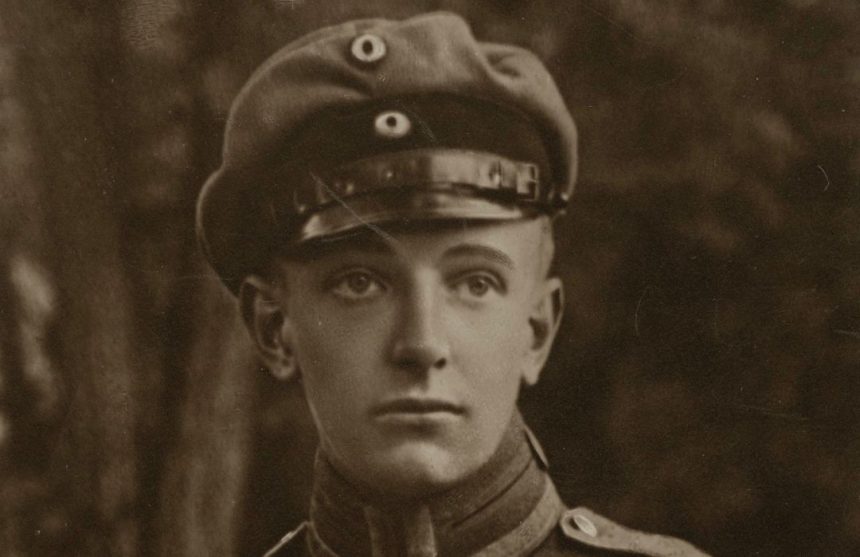

During WWI, there was a German ace who disappeared, and there is still secrecy about where he went. Rudolf Windisch was born on January 27, 1897, in Dresden, Germany. He was serving in the 177th Infantry Regiment when WWI began and was wounded in action on November 21, 1914. He joined the German Air Service on January 22, 1915. After training at the Military Pilot’s School in Leipzig-Lindenthal, Rudolf Windisch was promoted to instructor at FEA 6. On May 1, 1916, he joined FFA 62, where he flew two-seater planes on the Russian front. He achieved his first victory by shooting down an observation balloon on August 25.
Ace Journey of Rudolf Windisch
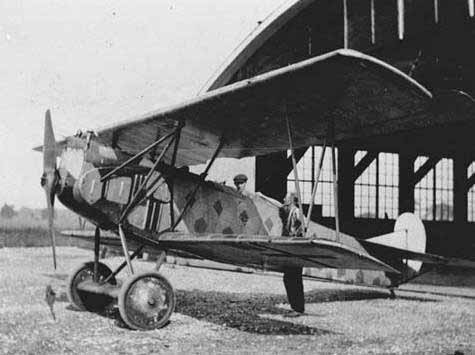
On October 2, Rudolf Windisch completed a special mission by landing his plane behind Russian lines. He left his observer behind to destroy a strategically important railway bridge near Rowno-Brody. The next day, he returned to pick up his observer, Oberleutnant von Cossel, and flew back across the lines. For successfully destroying the bridge, both men received medals from the Emperor on October 18, 1916. That day, Rudolf Windisch became the first and only pilot during the war to get the Prussian Order of the Crown, 4th Class with Swords. In the following month, he joined KG II as a reconnaissance pilot on the Western Front. When new Jastas were formed, they needed experienced pilots, so Windisch was assigned to Jasta 32 on February 20, 1917. After more training, Rudolf Windisch returned to the front as a fighting pilot. He scored two victories in September, followed by one on November 1. He became an ace on November 7 after shooting down a SPAD, followed by another SPAD on November 18, bringing his score to six by the year’s end. On January 3, 1918, Rudolf Windisch shot down another balloon and then downed a SPAD the next day.
The Death
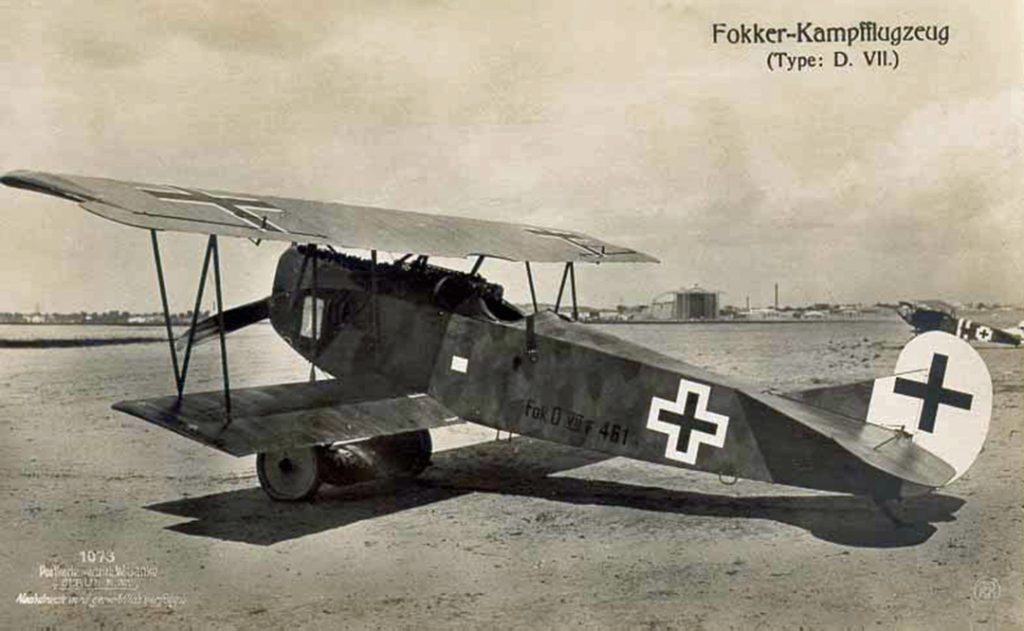
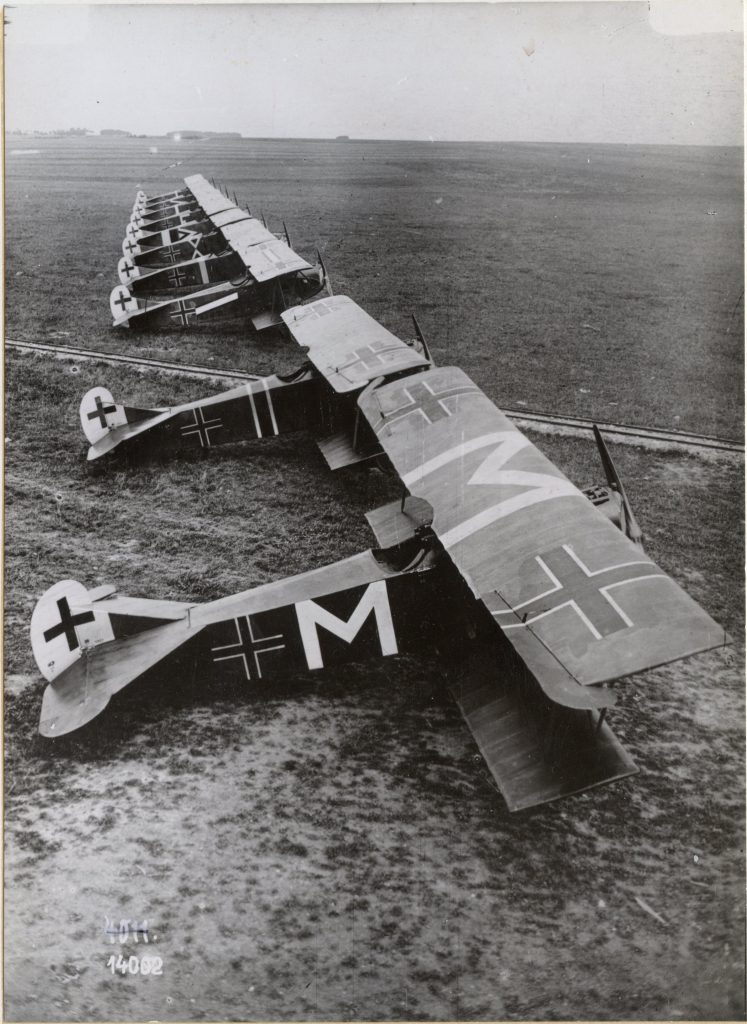
On January 10, Rudolf Windisch was transferred to Royal Prussian Jasta 50 to gain more experience before taking command of Royal Prussian Jasta 66 on the 24th. During this time, Windisch managed to get flying time in a captured SPAD VII, but it is not known if he used it in combat. He scored six victories in March, three in April, and five in May, bringing his score to 22. His last victory came on the afternoon of May 27, 1918. After Rudolf Windisch shot down the last SPAD, several enemy scouts attacked him. A bullet hit his gas tank, forcing him to land behind French lines, about 50 meters from where his final victim fell. The International Red Cross issued multiple reports stating that Windisch was being held as a prisoner of war. French pilots captured by Germany said they saw him in a French prison. Assuming Rudolf Windisch was still alive, he received the Pour le Mérite award on June 6, 1918. Reports varied on whether he had been wounded, and some rumors said he had died in captivity. Nothing more was ever heard about Rudolf Windisch, and his death remains shrouded in mystery. In the Aces series, Rudolf Windisch was just 21 when he disappeared, but what he did at a young age was impactful. Read stories about more Aces HERE.