
Few aviation manufacturers’ legacies can ever be matched, and Bristol Aeroplane Company was one of them, founded before WWI and surviving both world wars. Originally named the British and Colonial Aeroplane Company, it was founded by Sir George White, chairman of the Bristol Tramways and Carriage Company, in 1910. He started the company with his son Stanley and his brother Samuel to exploit the burgeoning aviation industry. In 1909, Sir George met the American aviation pioneer Wilbur Wright by chance in France, which made him realize the business potential of aviation. British and Colonial was well funded from the start, unlike other aviation companies at the time. Sir George created a separate company from the Bristol Tramway Company to reduce risk for shareholders. He, his brother, and his son provided an initial capital of £25,000. The new company operated from old tram sheds in Filton, closely connected to the tramway company. They recruited key staff, including chief engineer George Challenger, from there. They also set up flying schools in Brooklands, Surrey, and at Larkhill on Salisbury Plain. By 1914, 308 out of 664 Royal Aero Club certificates were earned at these schools.
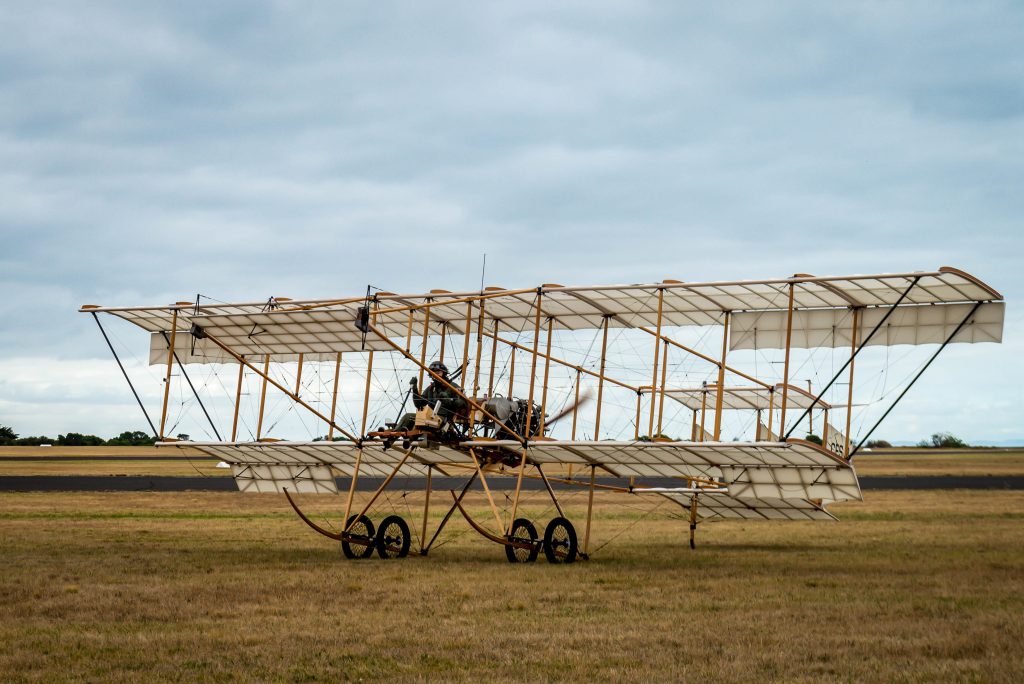
The company’s first manufacturing project was a licensed biplane made by société Zodiac in France, designed by Gabriel Voisin. After buying an aircraft to showcase at the 1910 Aero Show in Olympia, the company started building five more at its Filton location. However, during flight tests at Brooklands, the plane had issues with its wing design and power. The project was stopped before it could fly for long. After the problems, the company decided to build its own aircraft based on a design by Henry Farman. The drawings were finished in one week, and they planned to build twenty aircraft. The aircraft flew for the first time on July 20, 1910, and was later known as the Boxkite. Many of these were used in flying schools and sold to the War Office and foreign governments. The Boxkite was satisfactory for its time, but had limited potential for further development. It led to new designs, including a small biplane with a tractor configuration and a monoplane. Both were shown at the 1911 Aero Show but were never successfully flown. After this, the team members, including Challenger, moved to Vickers, and Pierre Prier took their place and was later joined by Gordon England. In January 1912, Romanian engineer Henri Coandă became the chief designer. A secret design office called the “X-Department” was set up to work on ideas for the development of naval aircraft, with Frank Barnwell as the design engineer. After Coandă left in October 1914, Barnwell became the chief designer at Bristol Aeroplane Company. He continued contributing until his death in 1938.
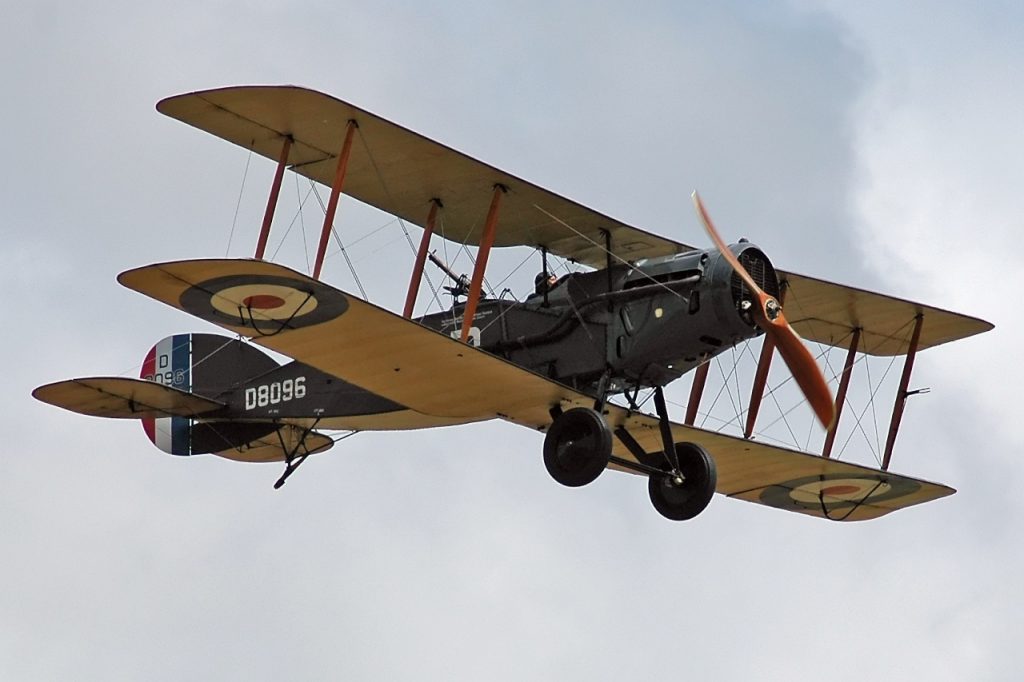
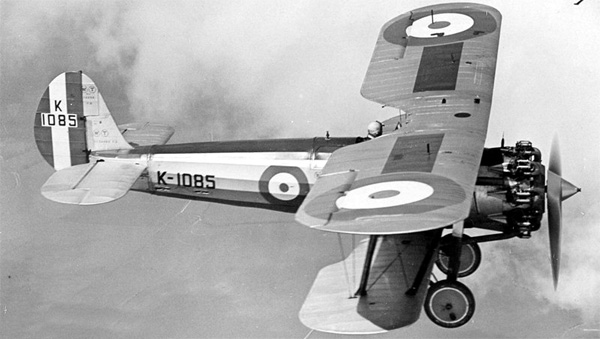
Britain had over 100 aircraft when WWI started in August 1914. The Royal Flying Corps (RFC) had only seven squadrons and used unarmed planes. The War Office ordered that aircraft designs be developed by the Royal Aircraft Establishment. However, pilots pressured for a new plane, which led to orders for a Bristol Aeroplane Company aircraft called the Scout. In 1915, Barnwell returned from France. People valued him more for his design skills than for his flying. He hired Leslie Frise from Bristol University’s engineering department. After the company’s founder, Sir George, passed away in 1916, his son Stanley took over the business. Barnwell’s first project upon his return was the Bristol T.T.A., a two-seater fighter intended for Zeppelin raids, but it proved unsuccessful. In 1916 he started work on the Bristol F.2A, which developed into the successful F.2B Fighter. Over 5,300 were built, and this fighter remained in service until 1931. Another design, the Bristol Monoplane Scout, was liked by pilots, but only 130 were made because the War Office preferred biplanes. By the end of the war, the Bristol Aeroplane Company had over 3,000 workers at its Filton and Brislington sites. In 1920, the company officially became known as the Bristol Aeroplane Company after British and Colonial was closed down. Due to pressure from the Air Ministry, Bristol had to buy the aero-engine division of the bankrupt Cosmos Engineering Company. The Cosmos Jupiter engine, designed by Roy Fedden, became successful and helped Bristol lead in the air-cooled radial engine market. Bristol Aeroplane Company’s main aircraft during this time was the Bristol Bulldog fighter. It served in the Royal Air Force from 1930 to 1937 and was also sold to other countries. The company also benefited from the British Government’s rearmament orders.
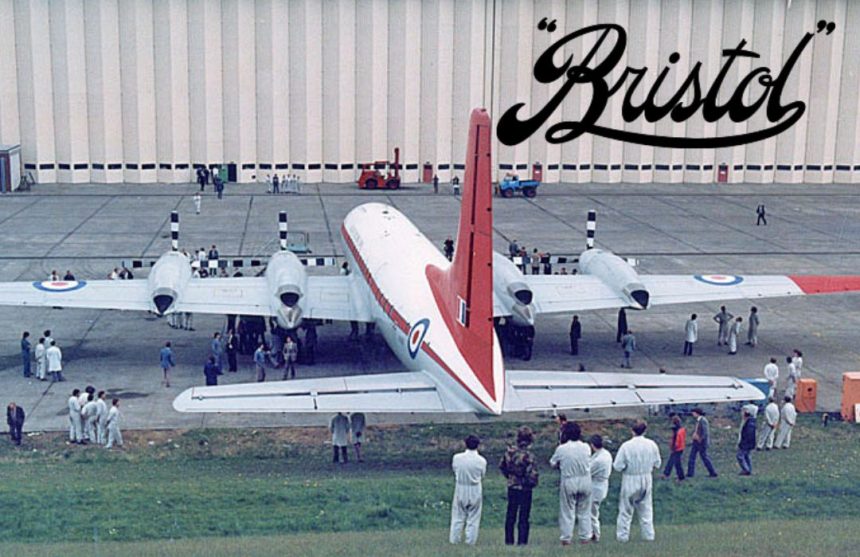
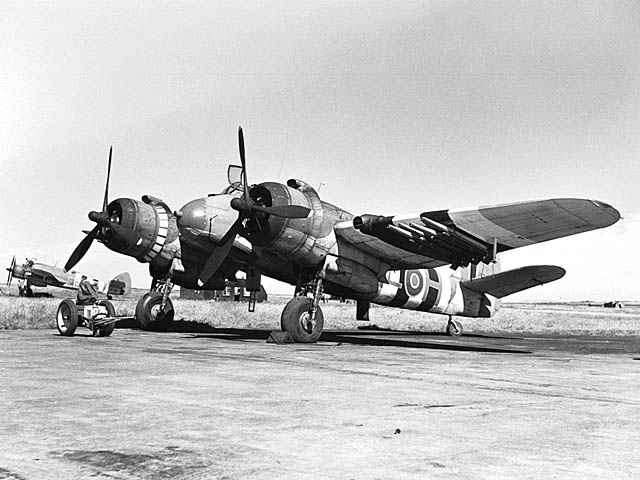
Bristol Aeroplane Company’s key contribution to the RAF was the Blenheim light bomber. After the death of Chief Designer Frank Barnwell in 1938, Leslie Frise took over the design work. By 1939, Bristol’s Filton works were the largest aircraft manufacturing facility in the world, covering nearly 25 hectares. During WWII, Bristol’s main aircraft was the Beaufighter. It was a heavy two-seater capable of being used as a long-range fighter, night fighter, ground attack aircraft and torpedo bomber. It was developed from the Beaufort torpedo bomber, which was itself based on the Blenheim. In 1940, shadow factories opened in Weston-super-Mare to produce Beaufighters. Another factory was set up underground at Hawthorn near Corsham, Wiltshire, for making engines. However, the Hawthorn factory faced delays and closed in 1945. The company’s headquarters during the war was located at the Royal West of England Academy in Clifton, Bristol. After the war, Bristol set up a separate helicopter division at the Weston-super-Mare factory, led by Raoul Hafner. The division was taken over by Westland in 1960. The company also made Bristol Cars, which were based on BMW designs from before the war, and produced vehicles in Patchway. Bristol Aeroplane Company also worked on British civilian aircraft, and its Brabazon airliner prototype first flew in 1949 but was canceled in 1953 due to lack of airline interest. Although highly regarded technically, the Britannia sold poorly, with only 82 aircraft built. Bristol also produced the Belvedere and Sycamore helicopters and developed the Bloodhound missile, which became the RAF’s only long-range surface-to-air missile when it was introduced.
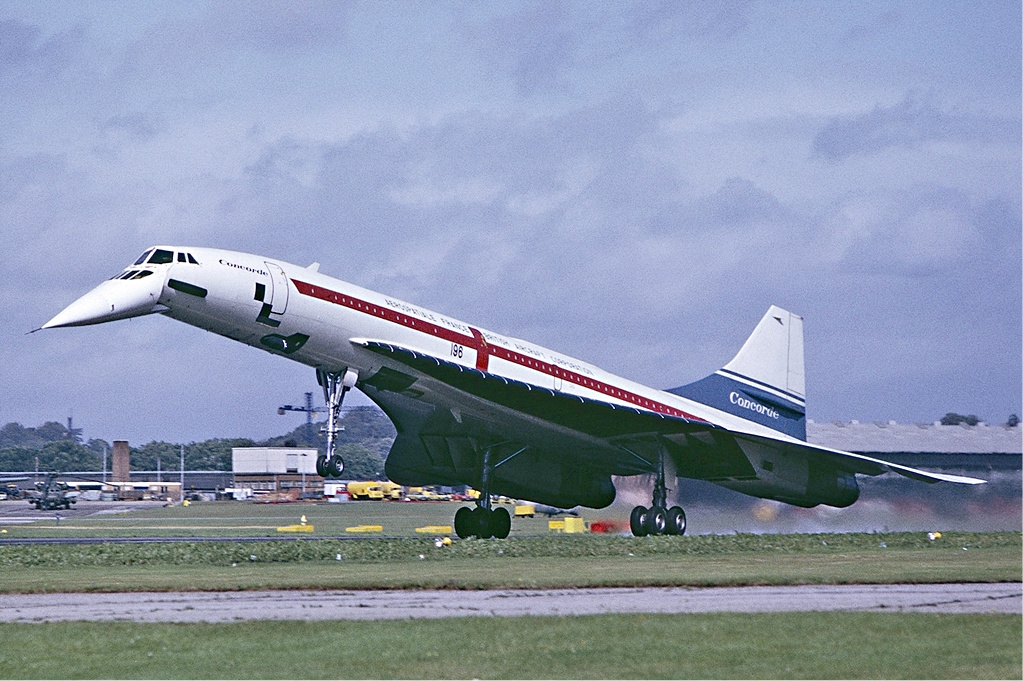
In the late 1950’s Bristol Aeroplane Company studied the possibilities of supersonic transport, which led to the Concorde, and subsonic designs such as the Type 200 and derivatives, none of which were built. In 1959, the government forced Bristol Aeroplane Company to merge its aircraft operations with English Electric, Hunting Aircraft, and Vickers-Armstrongs to form the British Aircraft Corporation (BAC). Bristol established a holding company that owned 20 percent of BAC, while English Electric and Vickers each owned 40 percent. In 1966, Rolls-Royce purchased the Bristol holding company, which owned 20 percent of BAC and 50 percent of Bristol Siddeley Engines. In 1977, the government took over BAC, Scottish Aviation, and Hawker Siddeley to create British Aerospace (BAe), which later became part of the privately owned BAE Systems.