






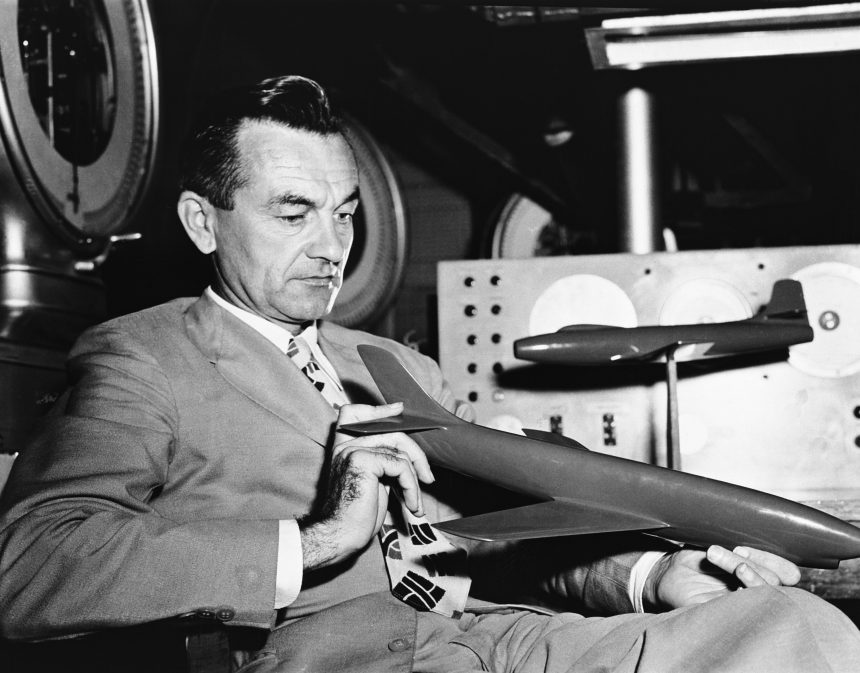

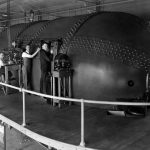
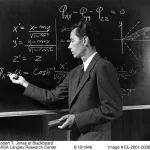
There was an engineer who helped NACA (later NASA) to overcome challenges in high-speed flight and was regarded as one of the world’s most important aeronautical engineers. As a pioneer in high-speed aerodynamics, John Stack developed and supported some of the most successful aviation projects in the United States. John Stack was born in Lowell, Massachusetts. In high school, he became interested in motorcycle racing and amateur radio. John Stack began his studies at the Massachusetts Institute of Technology in the fall of 1924, majoring in architectural engineering. However, when he returned home the following summer, his father was surprised to learn that John had actually been studying aeronautical engineering. In 1928, he earned his degree in aeronautical engineering and joined the Langley Memorial Aeronautical Laboratory as a junior aeronautical engineer in July. For 11 years at the Variable Density Tunnel, he designed the 11-Inch High-Speed Tunnel, which was Langley’s first high-speed tunnel. John Stack also helped develop the early NACA supersonic tunnels, such as the 24-Inch High-Speed Tunnel. These tunnels were important for collecting supersonic data in the early 1930s. He assisted in analyzing aerodynamic data and developed specialized equipment that enables researchers to visualize shock waves generated by aircraft flying at supersonic speeds.
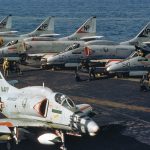
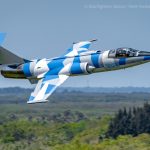
By 1939, John Stack became in charge of the 8-Foot High-Speed Tunnel and other high-speed wind tunnels at Langley. In 1942, he became the Chief of the new Compressibility Research Division, which focused on high-speed flight. In 1944, he was the first member of the Langley staff to give the prestigious Wright Brothers Lecture. His career continued to grow, and he was promoted to Assistant Chief of Research in 1947, then to Assistant Director in 1952, a position he held until he moved to NASA Headquarters in 1961. Stack played an important role in developing the rocket-powered Bell X-1, the first aircraft to break the sound barrier in level flight. He also helped improve slotted walls for wind-tunnel testing at transonic speeds and guided the U.S. National Supersonic Transport Program. Additionally, he contributed to the design of the variable-sweep wing used on the F-111, F-14, and B-1 aircraft. John Stack also supported international programs between NASA and NATO countries in Europe under the Mutual Weapons Defense Program, including NASA studies of European aircraft, such as tests of the Italian G.91 fighter and wind-tunnel tests of the British Swallow supersonic transport. Langley’s wind tunnel and flight research helped make the V/STOL AV-8 fighter successful, which the US Marine Corps uses.
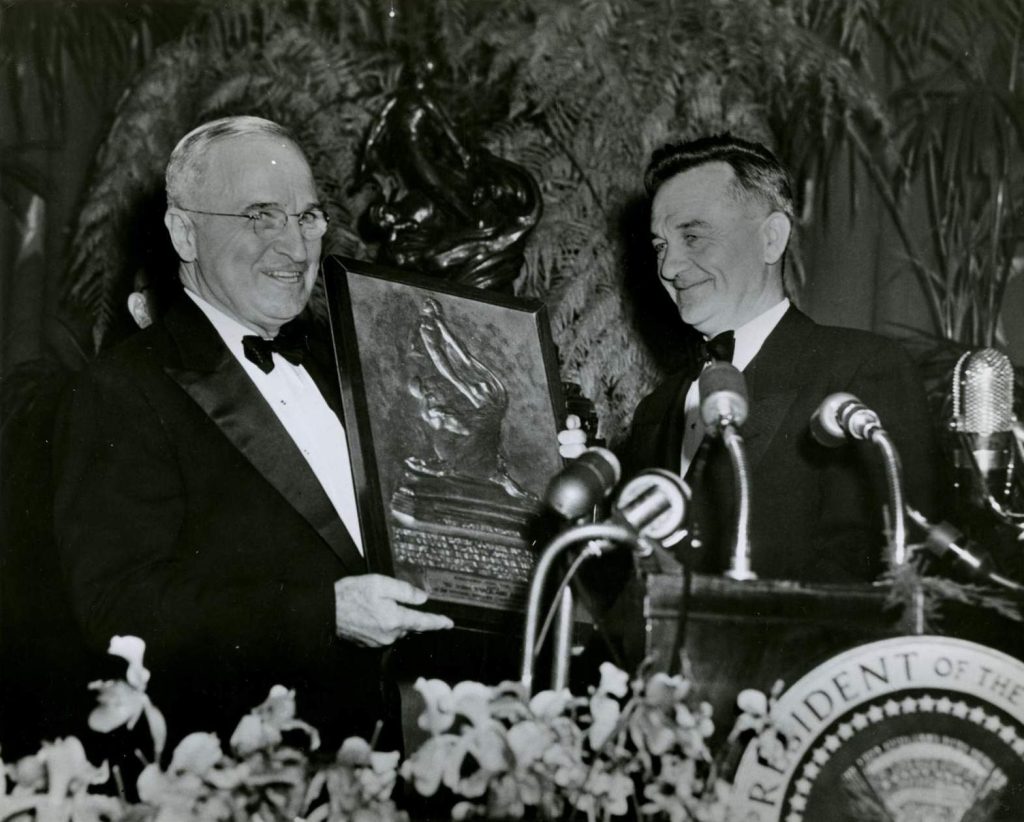
John Stack played an important role in the team that won the Collier Trophy in 1947 for their work in supersonic flight and for leading the X-1 program. In 1948, he also received the Air Force Association’s Field of Science Award. He was awarded the Collier Trophy again in 1951 for creating the slotted-wall wind tunnel. In 1952, he earned the Sylvanus Albert Reed Award and the Medal of the Society of Engineers from Sweden. In 1962, he was awarded the Wright Brothers Memorial Trophy. After serving for a year as the Director of Aeronautical Research at NASA Headquarters, John Stack retired in 1962. He then became Vice President of Engineering at Republic Aircraft Corporation, which later merged with Fairchild Industries. He retired from Fairchild in 1971. John Stack was known throughout his life for his love of competition. He especially enjoyed sports and participated in many events during his early days at NACA in Langley. Stack was active in various contests, including softball and bowling. Along with other staff members, he entered nearly every shooting competition in the area, including H. J. E. Reid, who was the Engineer-in-Charge. John Stack also had a passion for horses, fox-hunting, horse shows, and thoroughbred breeding and racing. He passed away on June 18, 1972, after falling from a horse. As one of the Pioneers of Aeronautical Engineering, John Stack will always be remembered for bringing high-speed aviation to the world. Read more such stories HERE.








This reads like it’s been written by AI…
But it’s not.