
(Image credit: VAN)
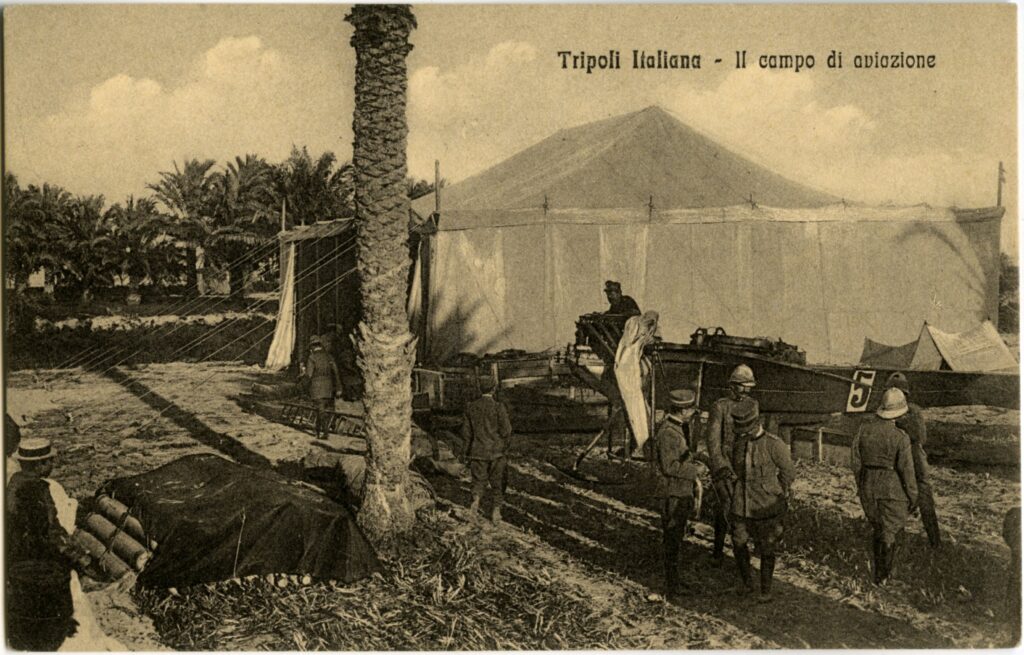
On this day in aviation history, 114 years ago (November 1, 1911), the first bombs were dropped from an aeroplane in war. Just short of 8 years separated the Wright Brothers’ first flight, in 1903, from the use of an airplane as an implement of combat. The first aerial bombing took place during the Italo-Turkish War – a conflict that occurred from September 29, 1911, until October 18, 1912. This war was fought as a result of Italy seeking to expand its colonial holdings. Italy seized territory in North Africa, in both Tripolitania and Libya. At the time, these territories were still part of the Ottoman Empire.
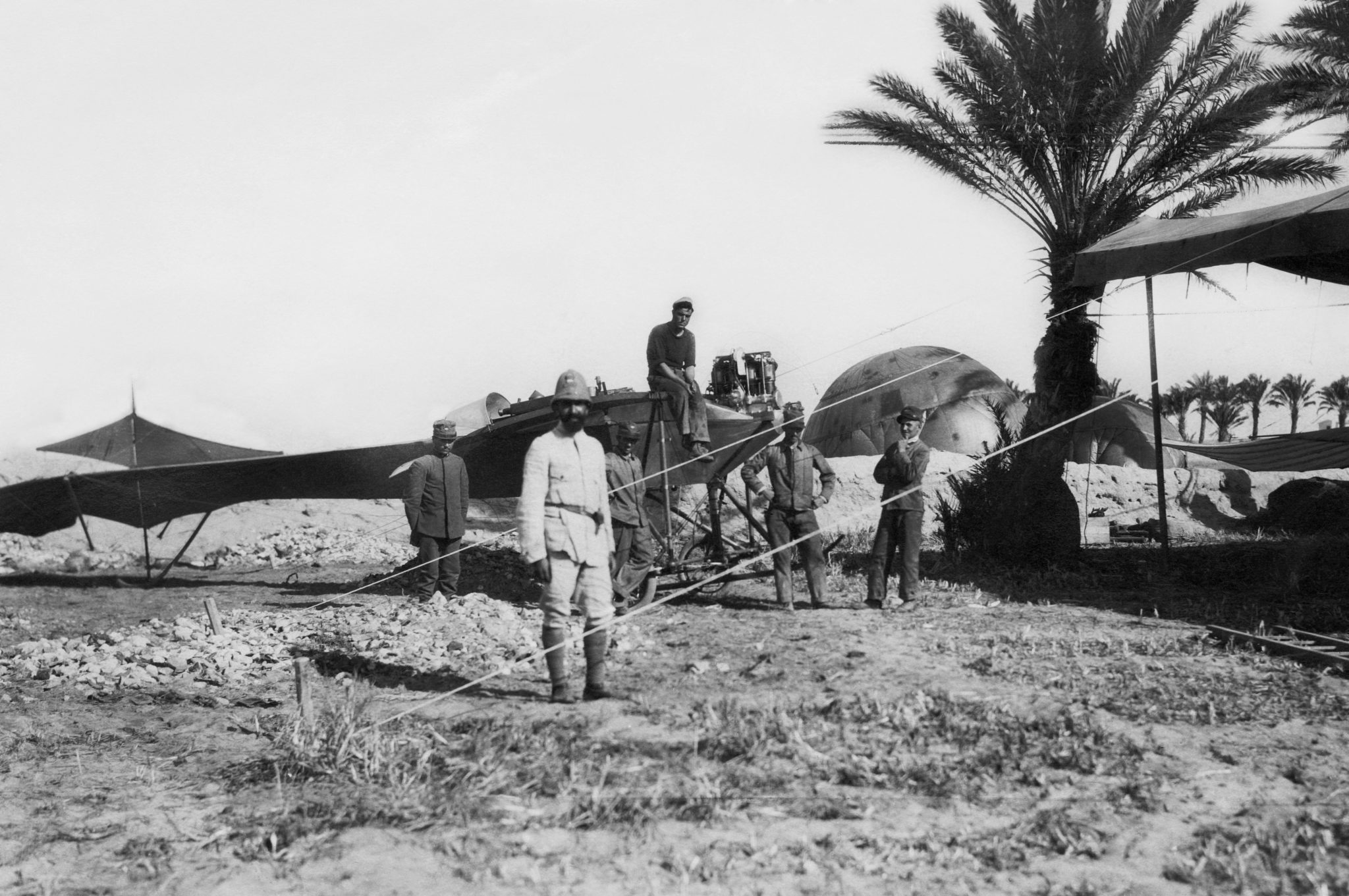
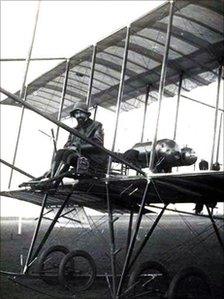
Italian pilot Lieutenant Giulio Gavotti was the first aviator to use an aircraft in combat. While flying his Etrich Taube monoplane, Gavotti took the fight to the Ottoman military positions in Libya. He was armed with a leather pouch containing four grenades, with each grapefruit-sized cipelli weighing roughly 4 pounds. While flying at an altitude of 600 feet over the enemy, Gavotti attached the detonators to each grenade and lobbed them over the side of his Taube monoplane to the targets below. Gavotti first targeted the Tajura oasis, where he spent three grenades. He’d unleash the final cipelli on a military camp at Ain Zara. Alongside Gavotti’s strike, the Italo-Turkish War also saw the airplane’s first aerial reconnaissance and first aerial photography use in warfare.
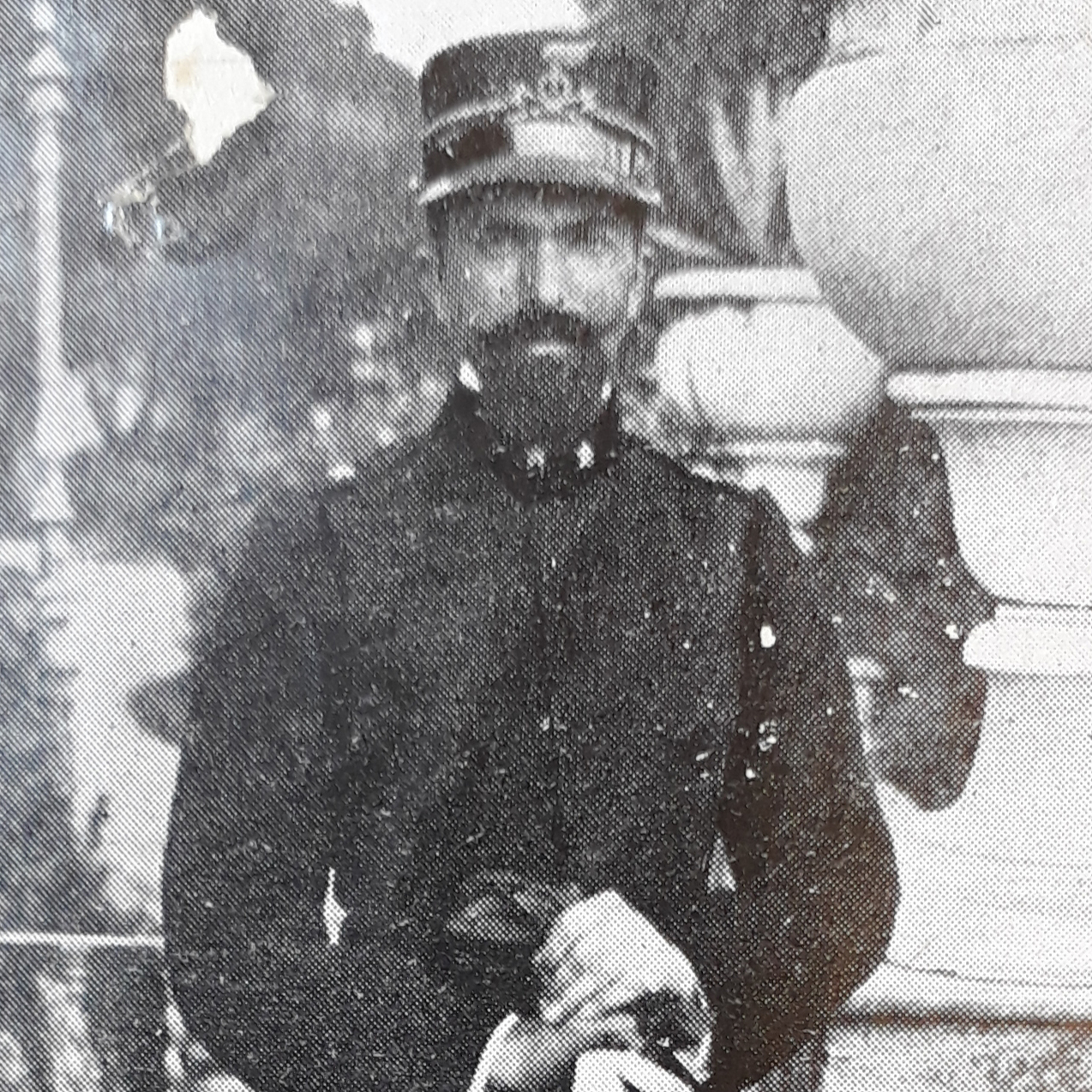
The Etrich Taube was a pre-WWI monoplane aircraft that was pressed into military service. Designed and built in Germany, the Taube was the nation’s first mass-produced military aircraft. Prior to the First World War, this German monoplane was quite popular and was flown by the Italian and Austrian-Hungarian Air Forces. The aircraft had a crew of 2 and was powered by a 100-horsepower Mercedes D.I 6-cylinder water-cooled piston engine. The Taube’s maximum speed was 74 miles per hour, and it had a combat endurance of 4 hours. A sole surviving Etrich-built Taube is part of the Vienna Museum of Science and Technology (Technisches Museum Wien) collection. Many believe that this Taube is likely a near-twin that was flown by Lt. Giulio Gavotti during his bombing raid in 1911.