





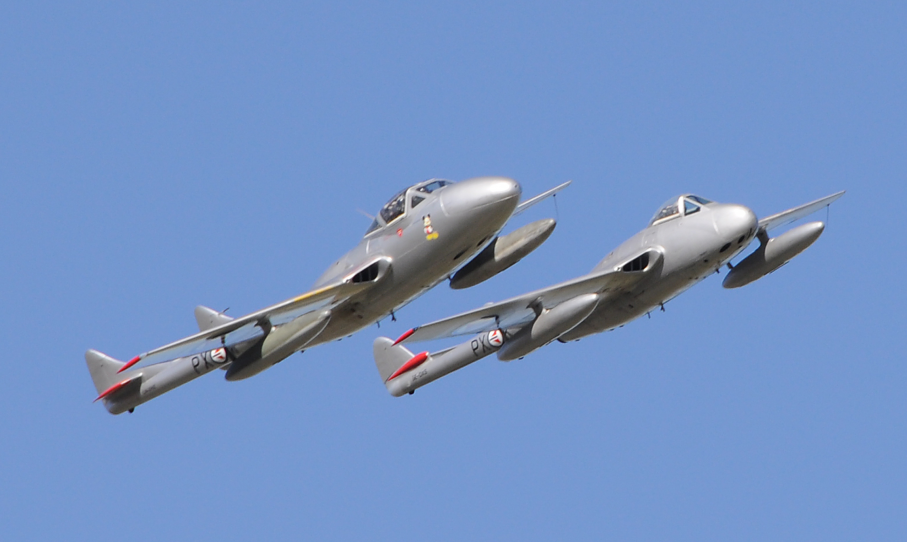


(Image credit: VAN)
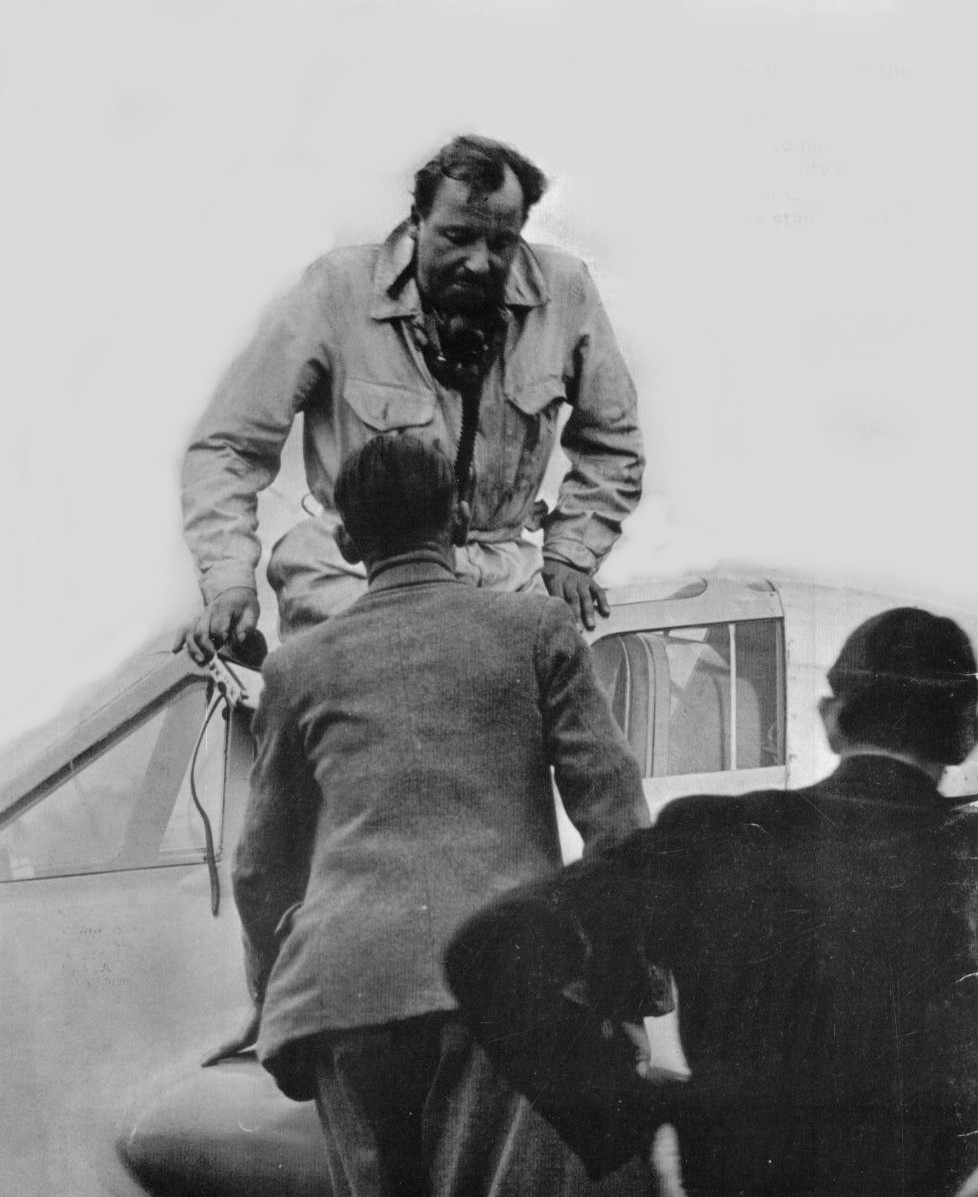
On September 20, 1943—82 years ago today—the de Havilland Vampire took to the skies for the first time. The DH.100 prototype (s/n LZ548/G) was piloted by Geoffrey de Havilland Jr., chief test pilot and son of the company’s founder, from Hatfield Aerodrome. The Vampire was a British jet-powered fighter developed during World War II and became the Royal Air Force’s second operational jet fighter, following the Gloster Meteor. Work on the DH.100 began in 1941, driven by the goal of harnessing the revolutionary new jet engine technology.
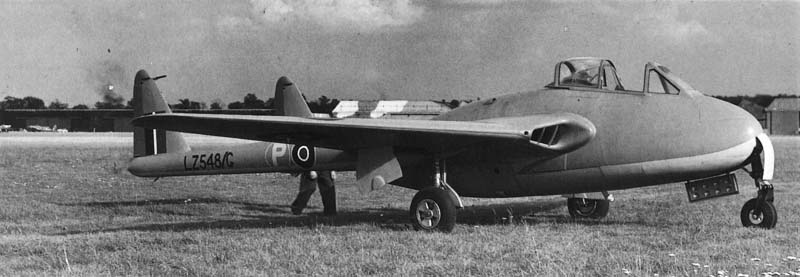
Despite its advanced jet engine and distinctive twin-boom tail, the Vampire was remarkably simple in design. This simplicity contributed to its effectiveness as an interceptor, a role officially designated by the RAF in 1944. The Vampire entered service in 1946, five years after development began. Though it missed active service during World War II by a few months, the DH.100 quickly proved itself as a capable postwar fighter, replacing piston-powered aircraft and even becoming the first jet to cross the Atlantic Ocean.
The de Havilland Vampire remained in front-line RAF service until 1953, after which it was used primarily for training and ground-attack missions. Numerous Vampires were exported, seeing combat in conflicts such as the Suez Crisis, the Malayan Emergency, and the Rhodesian Bush War. The last operational Vampires were retired by the Swiss Air Force in 1990. Of the 3,268 Vampires built, more than 180 survive today, with at least 17 still flying.
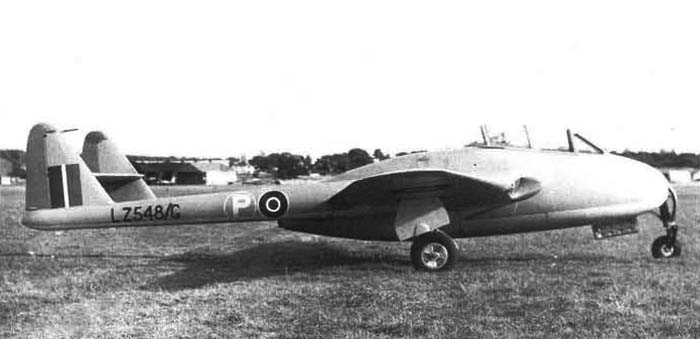
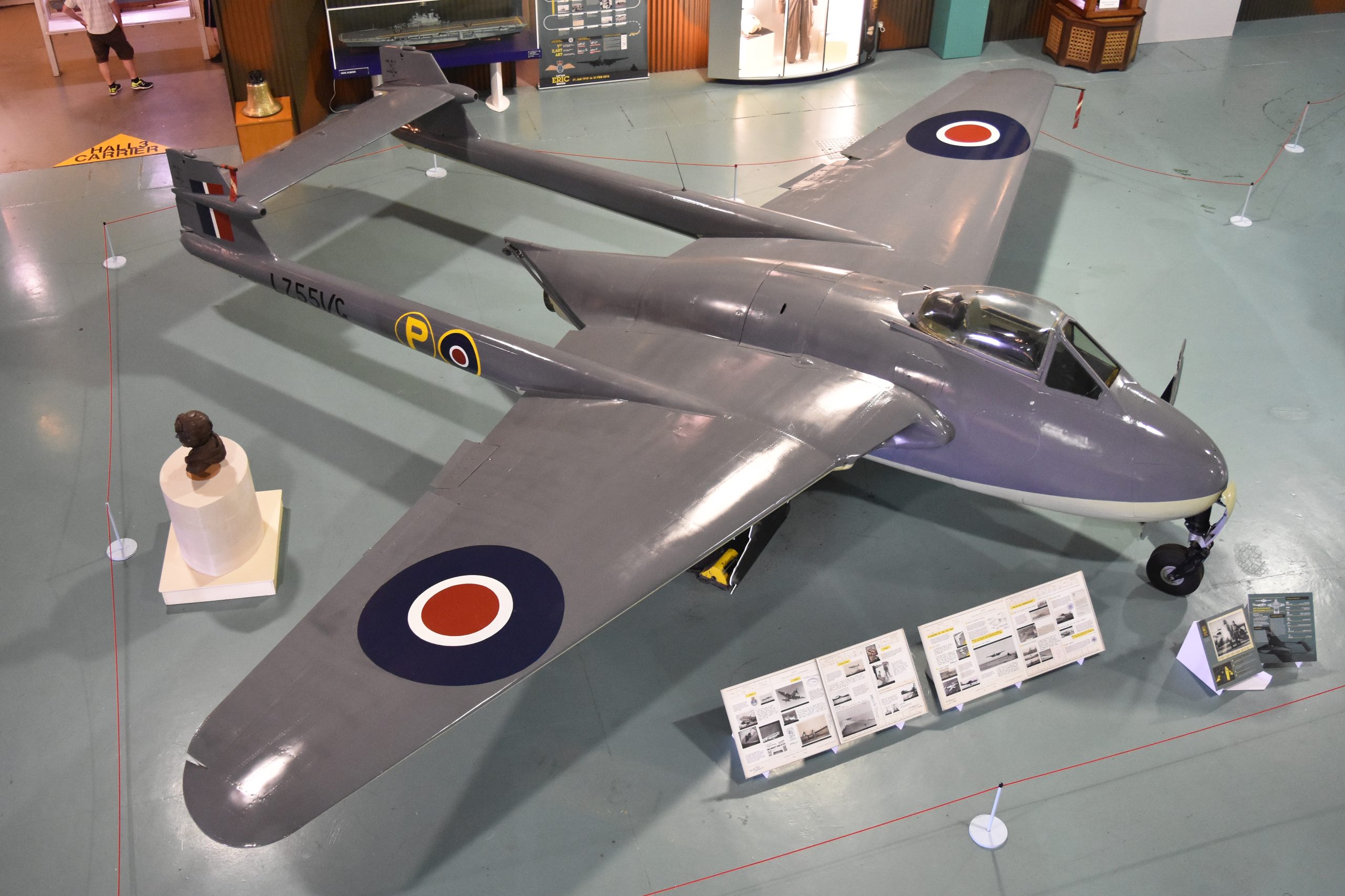
The Vampire FB.6 variant was powered by the de Havilland Goblin 3 centrifugal-flow turbojet, producing 3,350 pounds of thrust. This gave the aircraft a top speed of 548 mph, a range of 1,060 nautical miles, and a service ceiling of 42,800 feet. Armament typically included four 20 mm Hispano Mk.V cannons, eight 3-inch 60-pound rockets, and two 500-pound bombs—or the option to carry two drop tanks.





Interesting. My Fathers Cousin was Mr Stan Rudge. He was the Production Manager at De havilands. He was involved with building the Comets and thought he had killed some 300 people. He had a caravan installed at the factory to live in while he tried to find the trouble.
I believe he chaired a meeting but they could not identify why they were crashing. Someone, not Stan said “We might as well blow it up” meaning the whole factory but someone else said “Why not – we have tried everything else”.
Stan organised the construction of the water tank. As they say, the rest is history.
He died on over work 3 months later.