
The Royal Australian Air Force (RAAF) has announced adjustments to its heritage aircraft fleet following a comprehensive review of technical, airworthiness, and sustainability considerations. As a result of the review, eight heritage aircraft will be withdrawn from flying operations to ensure No. 100 Squadron remains safe, sustainable, and aligned with its role of preserving and presenting Air Force history.
The fleet rationalization is intended to streamline heritage operations, enabling No. 100 Squadron to maintain high-quality flying and static displays, strengthen community engagement, and safeguard the long-term viability of the RAAF’s heritage capability. Chief of Air Force, Air Marshal Stephen Chappell DSC, CSC, OAM, said the review was necessary to balance the preservation of aviation heritage with operational safety and responsibility. “The Air Force heritage fleet holds deep significance for both Air Force personnel and the Australian public,” Air Marshal Chappell said. “While withdrawing aircraft from service is never an easy decision, this step ensures that we preserve our aviation history responsibly. By transferring these aircraft to museums and heritage organizations, their stories of service and innovation will remain accessible to future generations.”
As heritage aircraft age, their maintenance and airworthiness requirements become increasingly complex, particularly for those used in flying displays. Reducing the number of aircraft in active operation will allow No. 100 Squadron to focus resources on a smaller, sustainable fleet capable of fulfilling ceremonial duties and public flying displays, while maintaining a living connection to Air Force traditions.
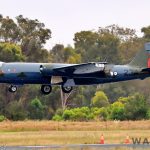
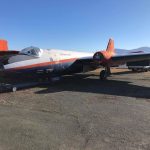
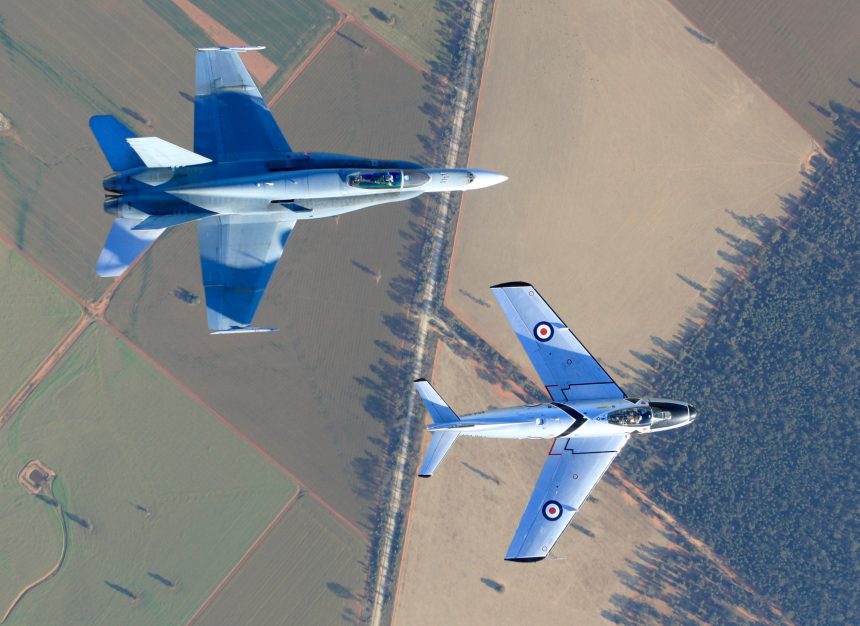
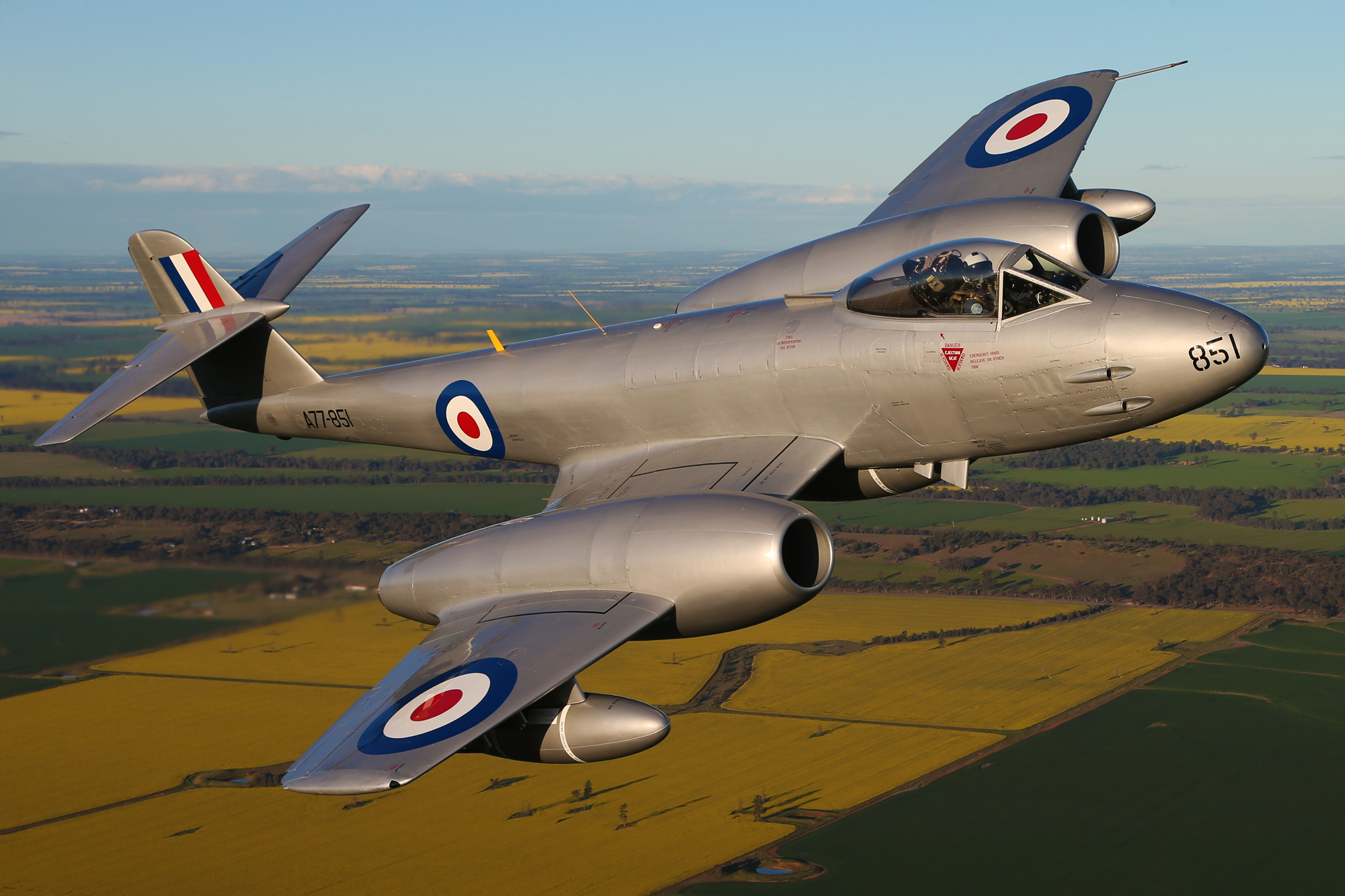
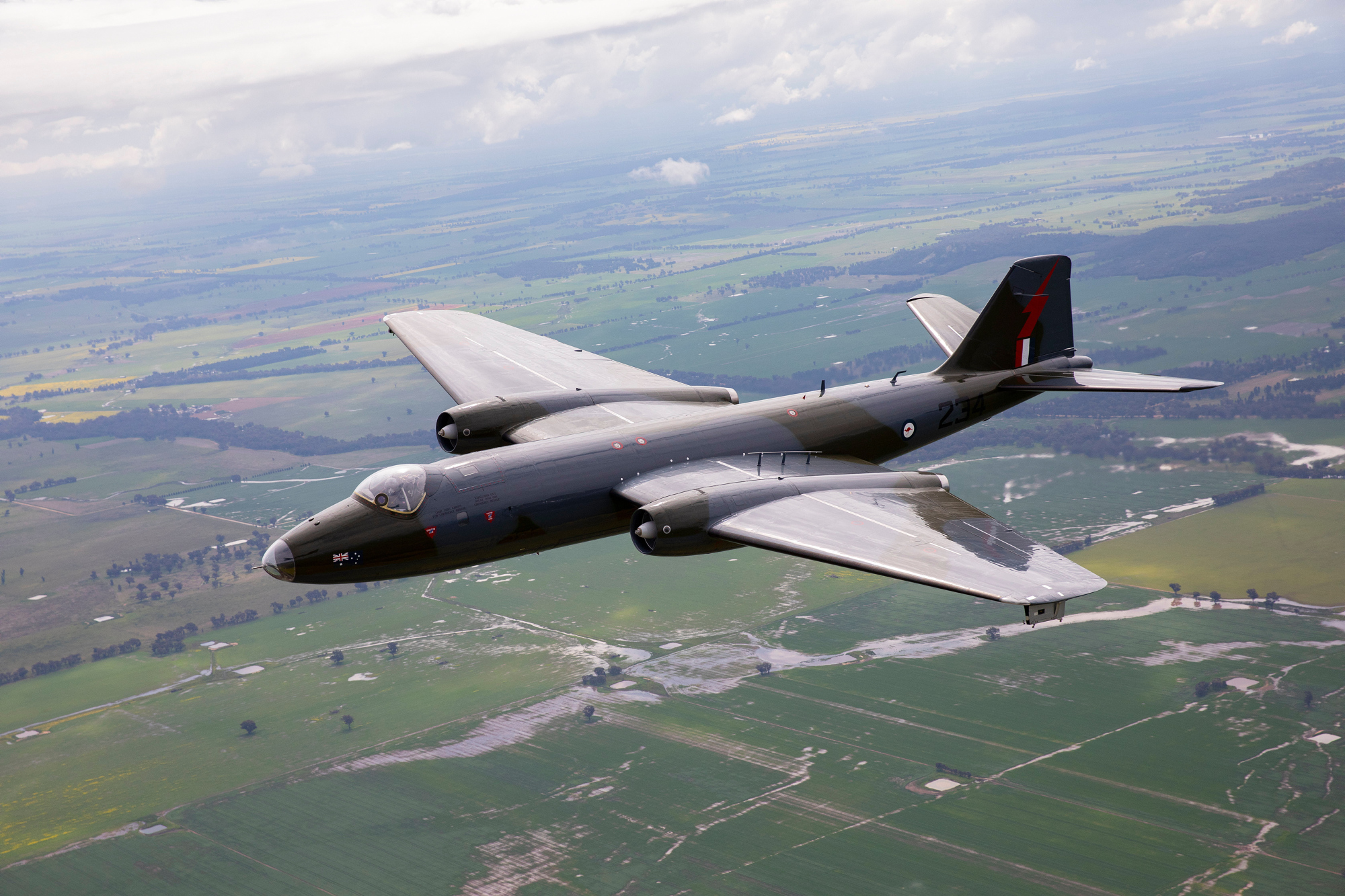
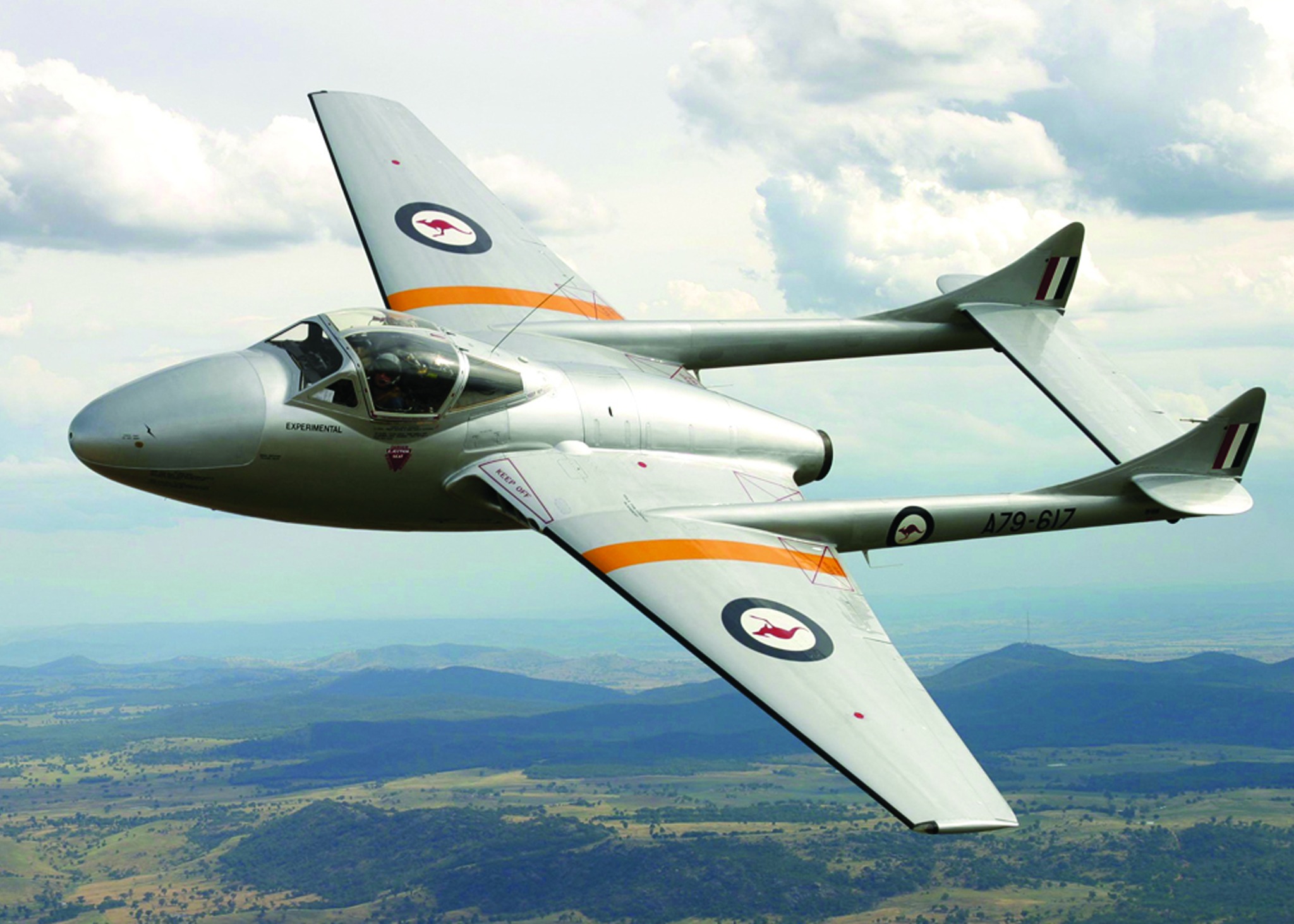
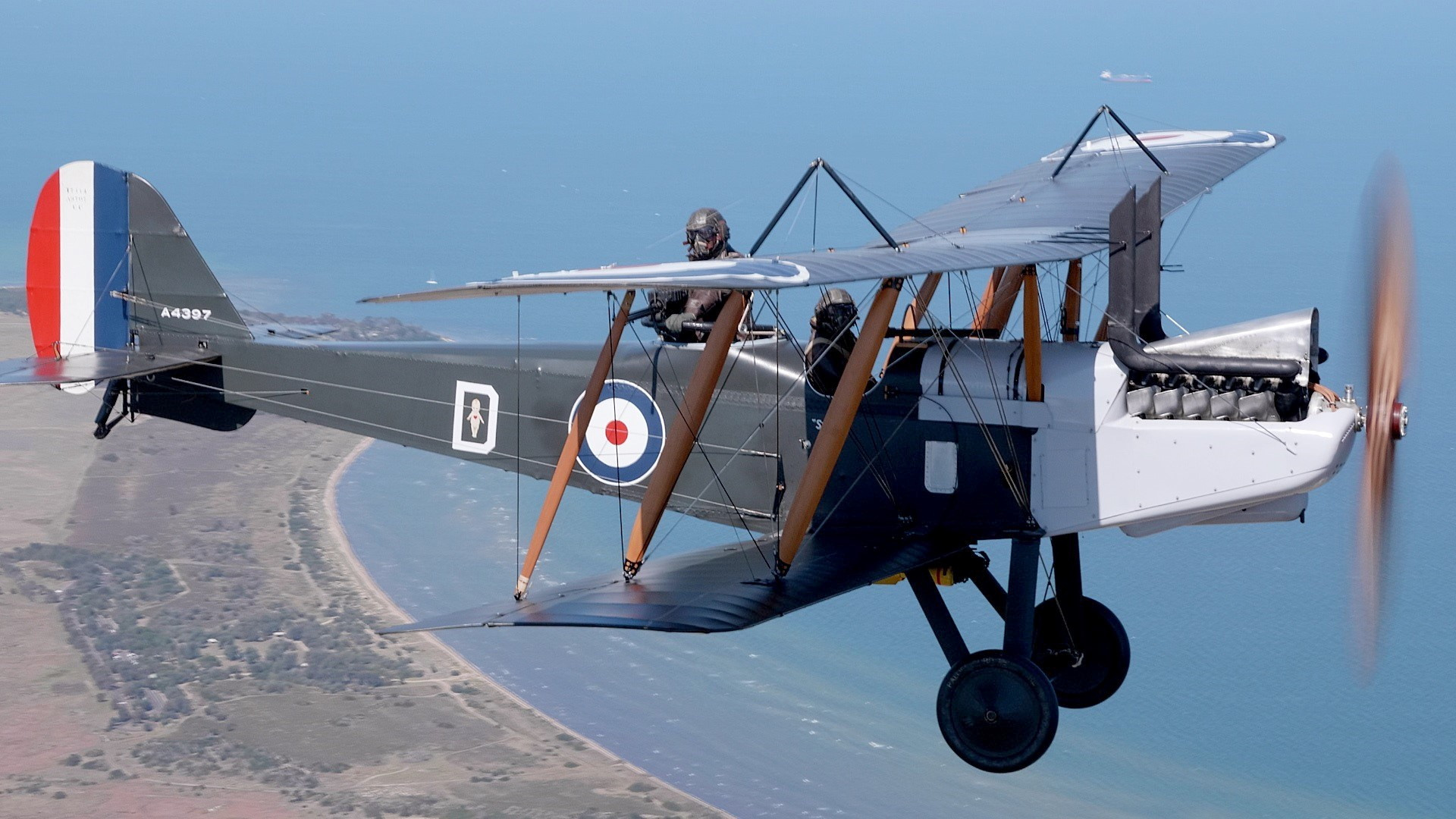
The aircraft to be withdrawn from flying service are the DH-115 Vampire T.35, Gloster Meteor F.8, Cessna A-37B Dragonfly, Ryan STM-S2, English Electric Canberra, CAC CA-27 Sabre, CT-4A Airtrainer, and Royal Aircraft Factory RE8. Five of these aircraft, originally transferred from the Temora Aviation Museum, will return to the museum, while the remaining three will be considered for static display at approved heritage institutions.
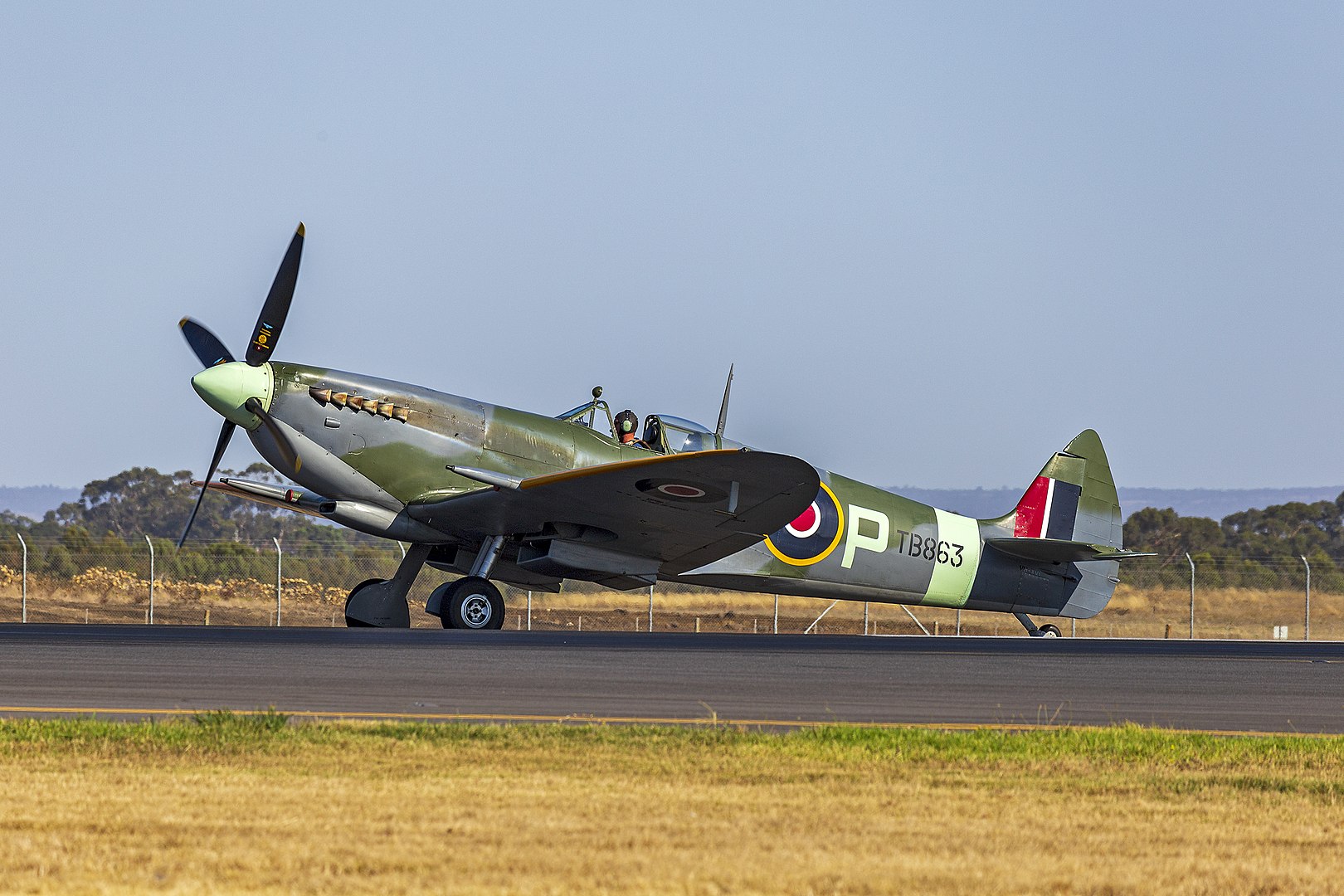
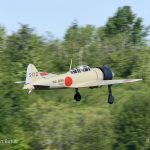
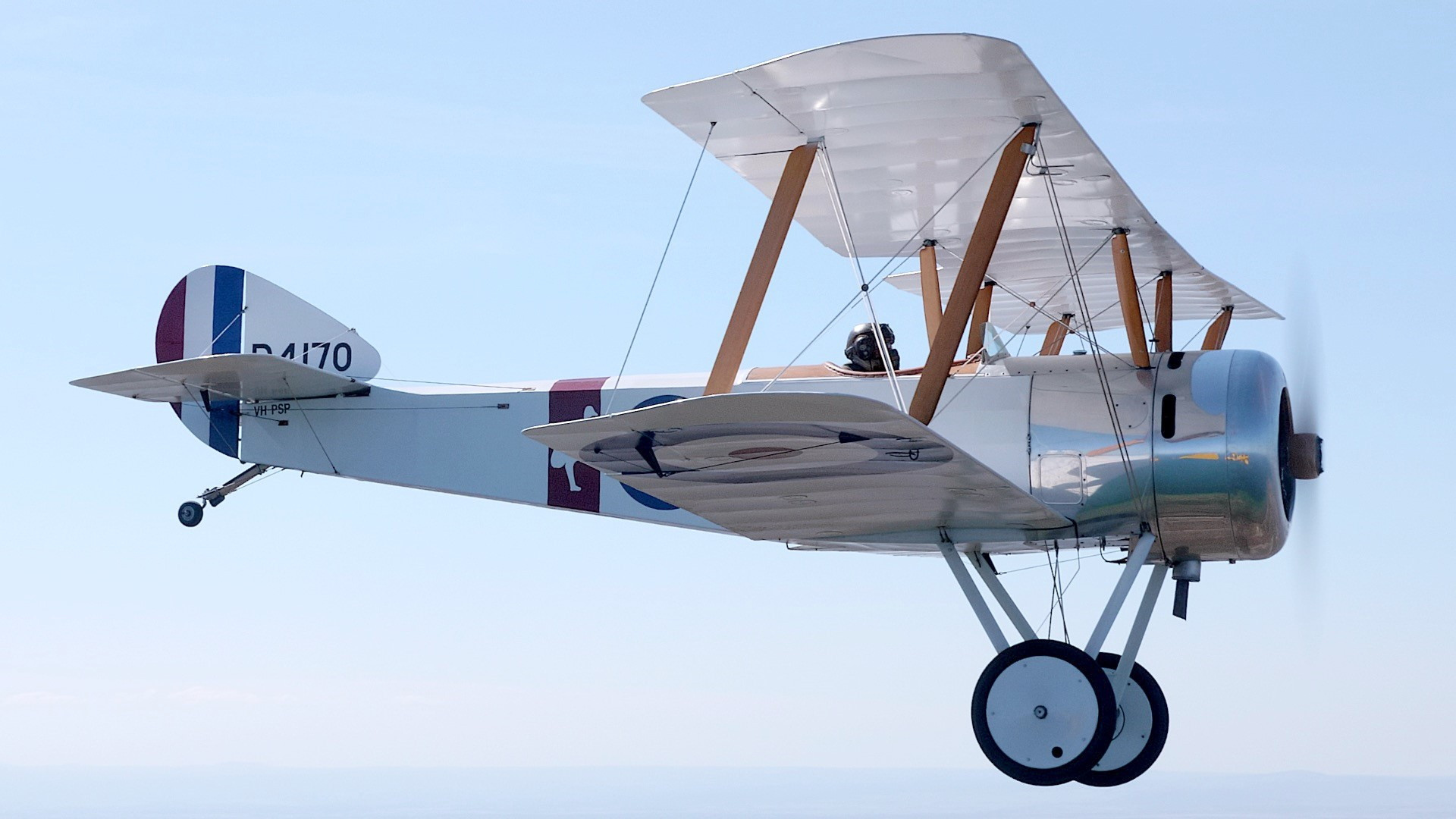
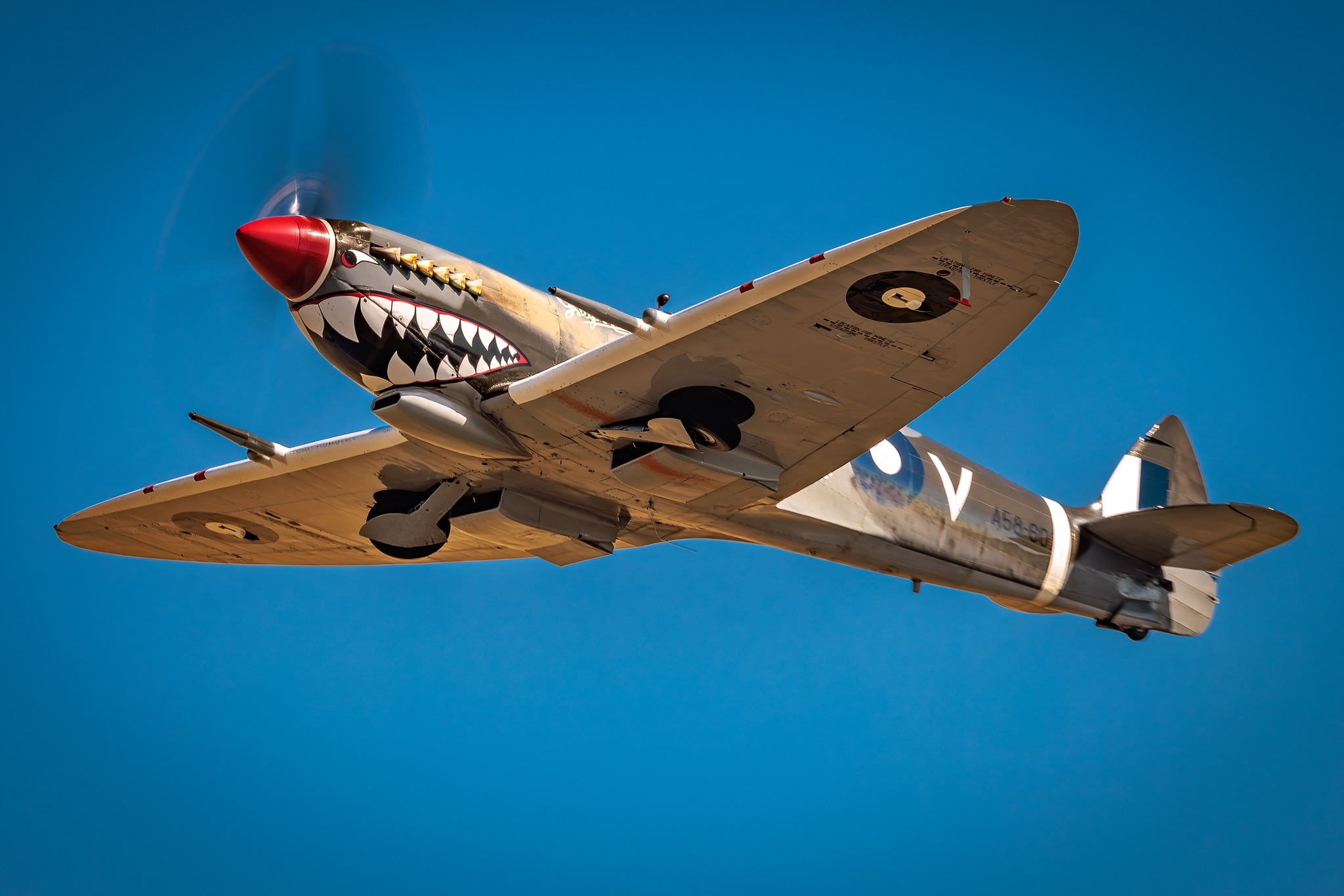
Following the changes, the RAAF will continue to operate 11 heritage aircraft: the P-51 Mustang, Harvard, Winjeel, two Tiger Moths, Sopwith Pup, Lockheed Hudson, Spitfire Mk VIII, Spitfire Mk XVI, Boomerang, and Wirraway. Heritage flying operations will be reviewed over the next 12 months to ensure ongoing sustainability and meaningful public engagement.
Peter Harper, Chief Executive Officer of the Temora Aviation Museum, confirmed that the review had resulted in a revised and more sustainable heritage fleet structure. “Following a joint review, a sustainable heritage fleet has been confirmed so that we can continue to honour Australia’s aviation history for generations to come,” Harper said. Aircraft continuing to fly at Temora will include the Hudson, Spitfire Mk VIII, Spitfire Mk XVI, Boomerang, Wirraway, and Tiger Moth. At RAAF Base Point Cook, flying operations will continue with the Mustang, Harvard, Winjeel, Tiger Moth, and Sopwith Pup. Several aircraft will be respectfully retired from flying service, with those originally transferred from Temora returning to the museum in accordance with long-standing agreements. The aircraft returning to the ownership of the Temora Aviation Museum are the Vampire T.35, Meteor F.8, A-37 Dragonfly, Ryan STM-S2, and Canberra.
Harper acknowledged that the changes represent a significant adjustment to previous arrangements but expressed confidence in the long-term outlook. “This represents a substantial change to the agreement under which these aircraft were operated, and we understand the rationale for reducing the operational fleet of No. 100 Squadron,” he said. “Now that the future direction is clear, the museum will conduct an internal review to determine the best path forward, with a focus on ensuring the Temora Aviation Museum continues to prosper in the decades ahead.” Both the Royal Australian Air Force and the Temora Aviation Museum emphasized their appreciation for the ongoing support of the aviation heritage community, whose continued engagement ensures that these aircraft and their stories remain preserved, both in the air and on the ground.