
(Image credit: VAN)
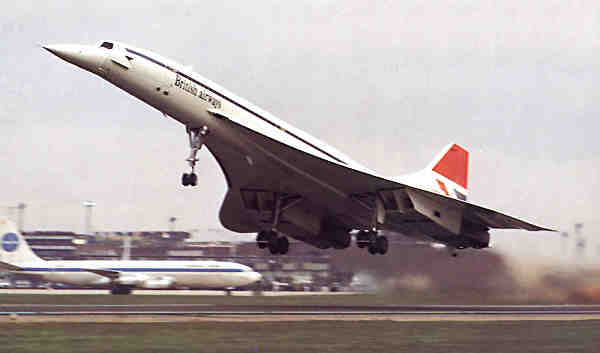
On this day in aviation history, 50 years ago (January 21, 1976), the first scheduled supersonic passenger trips via the Concorde took flight. Two Concordes took off at the same time, 11:40 a.m., from different locations, to kick off the new SST’s entry into commercial service. Air France launched Flight AF 085, which was a route between Paris and Rio de Janeiro, with a stop in Dakar. British Airways sent Flight BA 300 on this day, a route between London Heathrow and Bahrain.
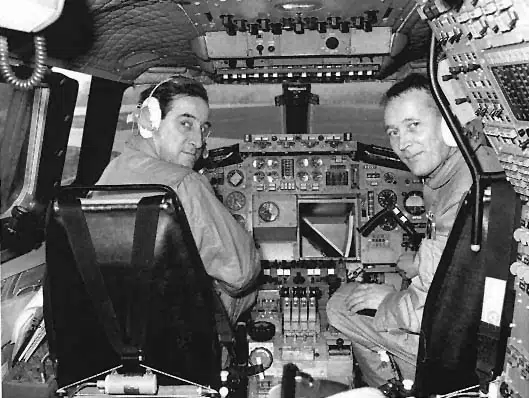
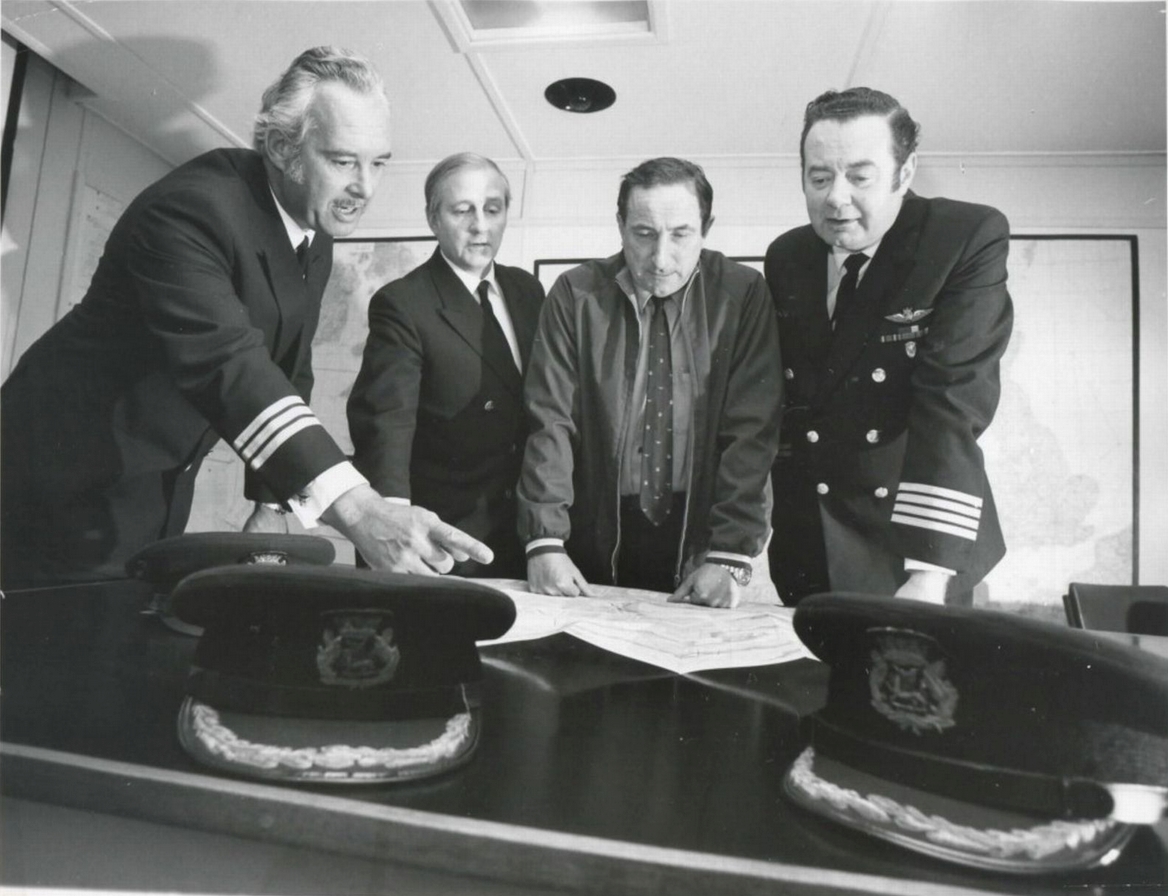
Air France Flight AF 085 was flown by Concorde F-BVFA. At the controls were Commandant de bord (Captain) Pierre Jean Louis Chanoine-Martiel, Captain/Co-Pilot Pierre Dudal (also Chief Pilot, Concorde Division), and Officier Mécanicien Navigant (Flight Engineer) André Blanc. British Airways’ Flight BA 300 was flown by Concorde G-BOAA under the callsign Speedbird Concorde. Flying G-BOAA on this day were Captain Norman Victor Todd, Captain Brian James Calvert and Flight Engineer John Lidiard. Also aboard for the ride was British Aircraft Corporation’s Chief Test Pilot, Ernest Trubshaw.
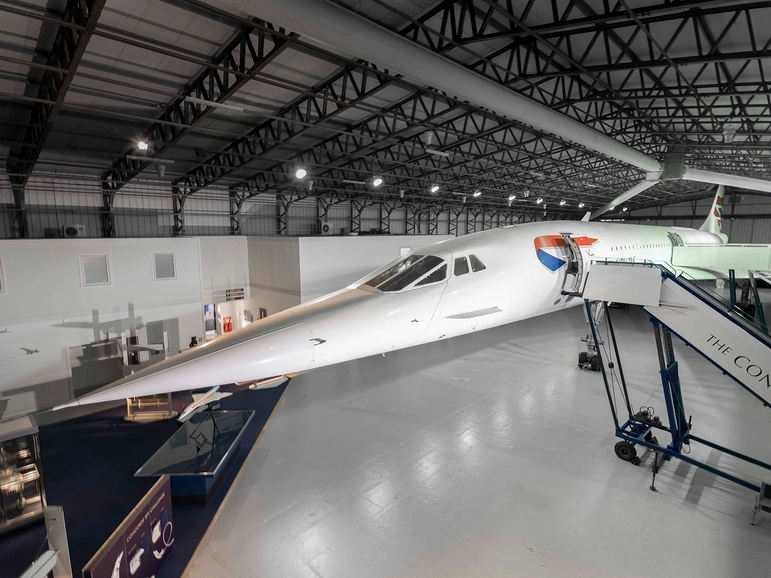
The Concorde is a retired supersonic transport airliner (SST) that was developed and built via a joint venture between Sud Aviation and the British Aircraft Corporation (BAC). A total of 20 Concordes were built, including 6 non-commercial versions used in flight-testing. Examples of the aircraft survive today in institutions such as the National Air & Space Museum and the Museum of Flight. Four Rolls-Royce/Snecma Olympus 593 Mk 610 turbojet engines powered the SST, providing 31,000 pounds of thrust each dry and 38,050 pounds each with afterburner engaged. Concorde had a maximum airspeed of Mach 2.04 (1,354 mph) and could fly from London to New York in 3.5 hours, with a service ceiling of 60,000 feet. Concorde could carry between 92 and 128 passengers within a range of 3,900 nautical miles.