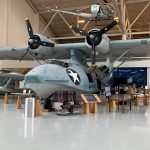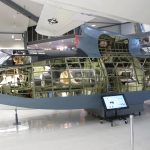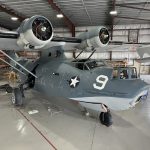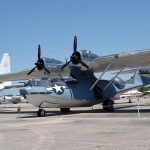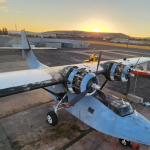

Situated at the entrance between the Juan de Fuca Strait, the Salish Sea, and Puget Sound, Whidbey Island in Washington State has been home to Naval Air Station Whidbey Island for 84 years, providing a base for maritime patrol aircraft guard the Pacific Northwest since World War II when Consolidated PBY Catalina flying boats searched for Japanese submarines and for stranded airmen and sailors to rescue. Now, one Catalina that has found a home on Whidbey Island is taking to the air once again, albeit disassembled and carried by a Boeing-Vertol CH-47 Chinook helicopter, to the new location for the Pacific Northwest Naval Air Museum, dedicated to preserving the history of the men and women who have and continue to stand watch at NAS Whidbey Island, which has been in continuous operation since 1942.
The aircraft at the heart of this story was built by Consolidated Aircraft in San Diego, California as construction number 1522, the aircraft was flown on maritime patrol missions in Alaska during WWII and had at one point been involved in a forced water landing off Adak, Alaska following the failure of the port engine and the mistaken feathering of the starboard engine on November 4, 1943. The aircraft was then overhauled in Washington state and flew patrol missions both from Coast Guard Air Station Port Angeles and from Ault Field (now NAS Whidbey Island), and remained in the US Navy’s inventory until being sold for surplus in 1958, where it was sold to Los Angeles industrialist Thomas W. Kendall for conversion into a flying yacht, similar to the Landseaire conversion done on a handful of surplus Catalinas in the 1950s. However, despite being registered as N5582V, no such was ever done on the aircraft, which sat on the flight apron of Orange County Airport (now John Wayne Airport) in Santa Ana, California still wearing its faded USN scheme until it was purchased in 1965 by Troy G. Hawkins of Wichita Falls, Texas, who had the aircraft brought to Palm Springs Airport, but the aircraft sat at Palm Springs for another 15 years, engineless and with hatches covering the side blisters in the tail compartment. The aircraft was also briefly issued the Canadian civil registration C-GVTF but never left Palm Springs.
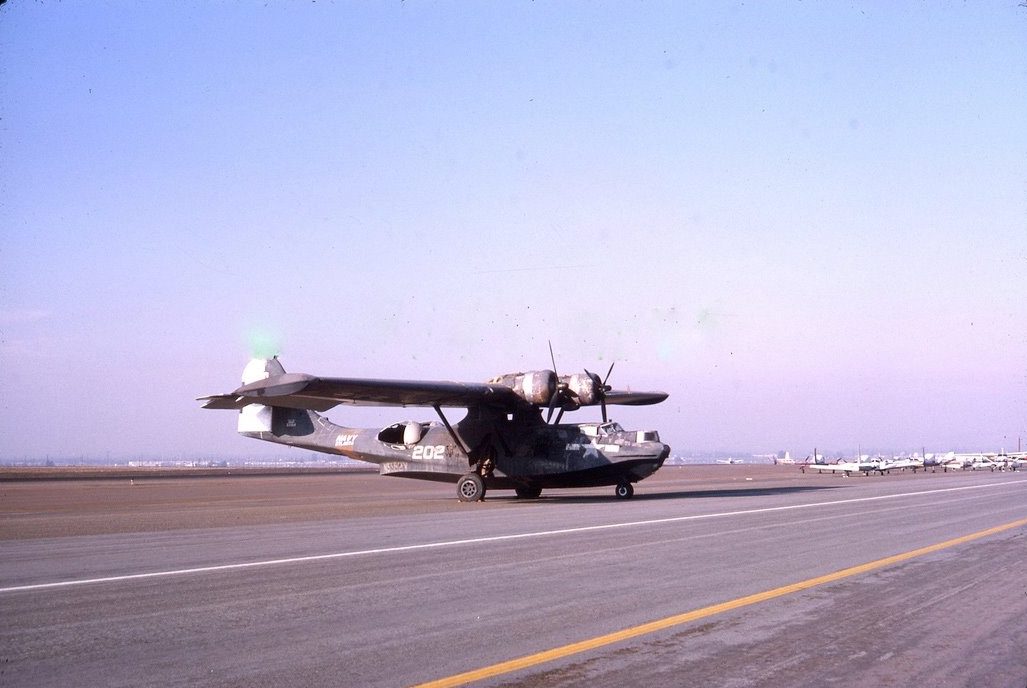
On October 10, 1980, the aircraft was sold to Diversified Drilling Muds of Cheyenne, Wyoming, and issued the new FAA N-number N84857. Despite getting new engines, it remained in Palm Springs. Five years later, in 1985, the aircraft was sold to Ben Kalka of Oakland, California, who would make arrangements to ferry the aircraft across the Atlantic to join the Israeli Air Force Museum at Hatzerim Airbase. After restoring the aircraft to airworthiness, Kalka flew the aircraft to Billings, Montana, to begin the multi-stop flight to Israel. However, on May 9, 1985, the brakes on N84857 failed on takeoff. Too slow to take off and too fast to slow down, the pilot attempted to ground loop the Catalina but rolled down a hill and collided with a gully. Of the three men onboard, the pilot in command was tragically killed, while the other two crewmembers received minor injuries. With this, the Israeli Air Force Museum found another Catalina, PBY-6 BuNo 64017, which was exported to Israel in 2008, and now sits on display at the Israeli Air Force Museum. As for PBY-5 BuNo 33968, the Catalina remained at Lewiston Municipal Airport and had its crushed nose replaced by one from the nose of a Canadian-built Canso A RCAF s/n 11029, CF-IDS. However, the Catalina suffered additional damage to its wings and tail during a tornado in August 1999 (see this photo of N84857 at Lewistown in 1999 HERE), and in September 2000, Catalina BuNo 33968 was disassembled and transported by truck from Lewistown Airport to Skagit Regional Airport in Burlington, Washington to continue its restoration with Alan Hodgkins of Sound Aircraft Repair taking charge of the project (photo of the aircraft at Skagit Airport HERE). Meanwhile, on September 22, 1998, a small group of WWII PBY veterans and their wives met in the NAS Whidbey Island Chief Petty Officers Club to establish a museum and acquire a Consolidated PBY Catalina to be at the center of the new museum. However, with no airframe then available for purchase and no building for the museum, the PBY Memorial Association would get its first building in 2004 when a closed gas station on the corner of Pioneer Way and Midway Blvd in Oak Harbor became available. While this was indeed a humble sat, the museum’s dedicated volunteers worked with the local community to help preserve the legacy of the PBY Catalina patrol crews, and in 2008, the museum was rehoused in Building 12 (later renamed Simard Hall) inside of the former Seaplane Base of NAS Whidbey Island (about three miles from the main portion of the base (formerly Ault Field)), thanks to a lease agreement with the US Navy.
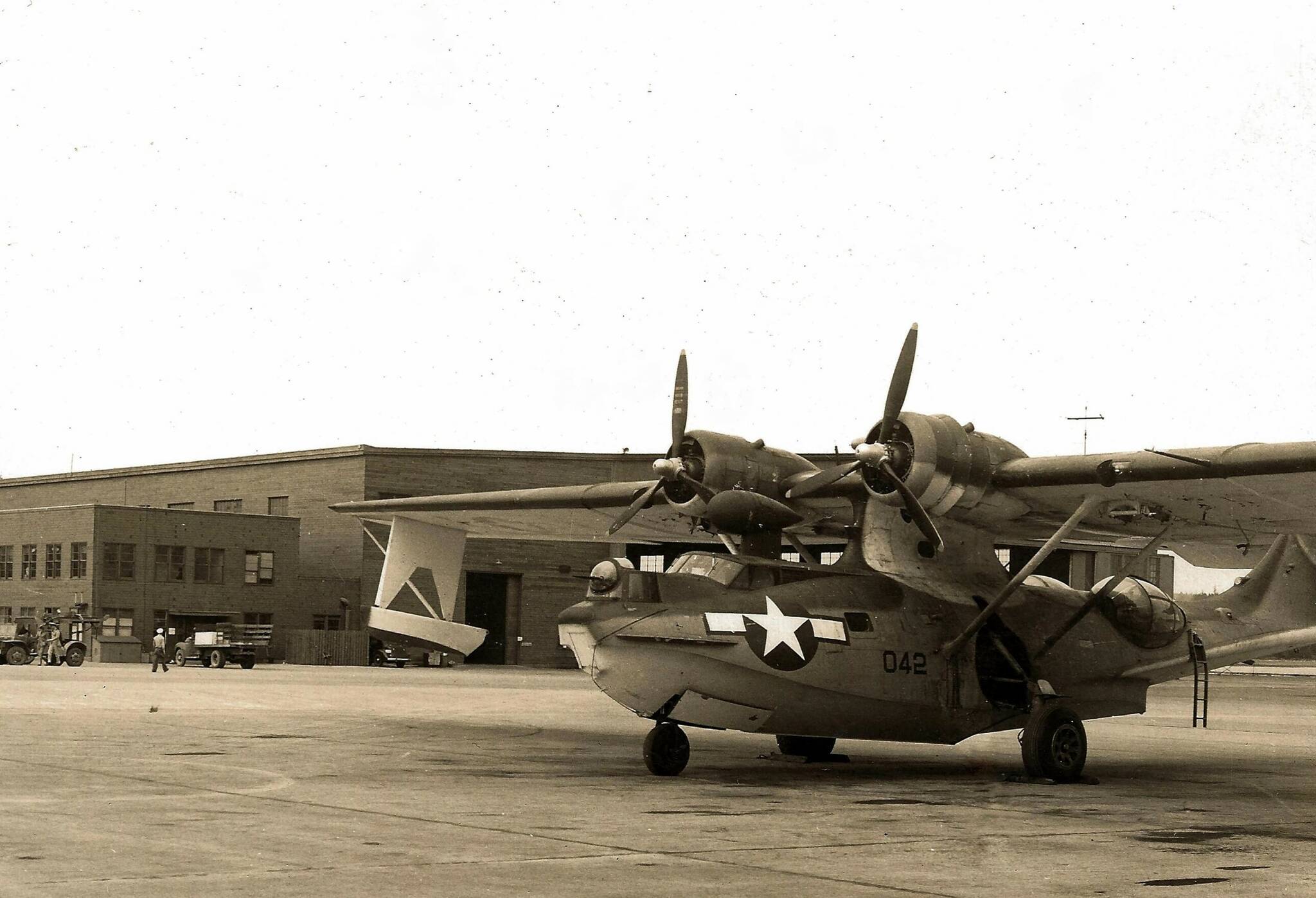
As the Pacific Northwest Naval Air Museum looked for a PBY Catalina to purchase, they were made aware of Catalina N84857 at Skagit Airport, now largely repainted in WWII-era USN colors, but there was not enough money in the museum’s budget to purchase the aircraft. However, the plane’s restorer Alan Hodgkins would help the museum acquire a cutaway Pratt & Whitney R-1830 for display, and in 2009, an offer of $60,000 came to the museum to purchase PBY-5A BuNo 33969/N84857. Despite owning just $10,000 in assets, the Pacific Northwest Naval Air Museum managed to get enough donations to acquire the aircraft. Now it was time to bring the aircraft to Whidbey Island.
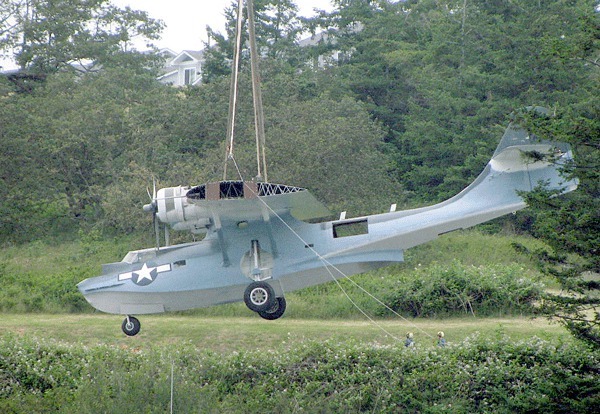
On June 25, 2010, PBY-5A Catalina BuNo 33968 was airlifted from Skagit Regional Airport to the Seaplane Base of Naval Air Station Whidbey Island by a Boeing-Vertol Model 234 Chinook, Canadian registration C-FHFB. The outer wing panels were removed from the aircraft, and following the aircraft’s short airlift (see his YouTube video here: PBY Airlift – YouTube), the aircraft was named Gigi (short for Gerral’s Girl (G.G.)), after Captain Gerral David, who was the Commander of NAS Whidbey Island at the time, and who had made arrangements to authorize the flight from Skagit Airport to NAS Whidbey Island, as well as furbishing Building 12 for the museum. Yet though NAS Whidbey Island did everything possible to facilitate the museum, the fact was that as an active Naval Air Station, NAS Whidbey Island was not the most publicly accessible site for the number of visitors to help the museum to get sufficient donations, and the lease on Simard Hall could not be renewed.
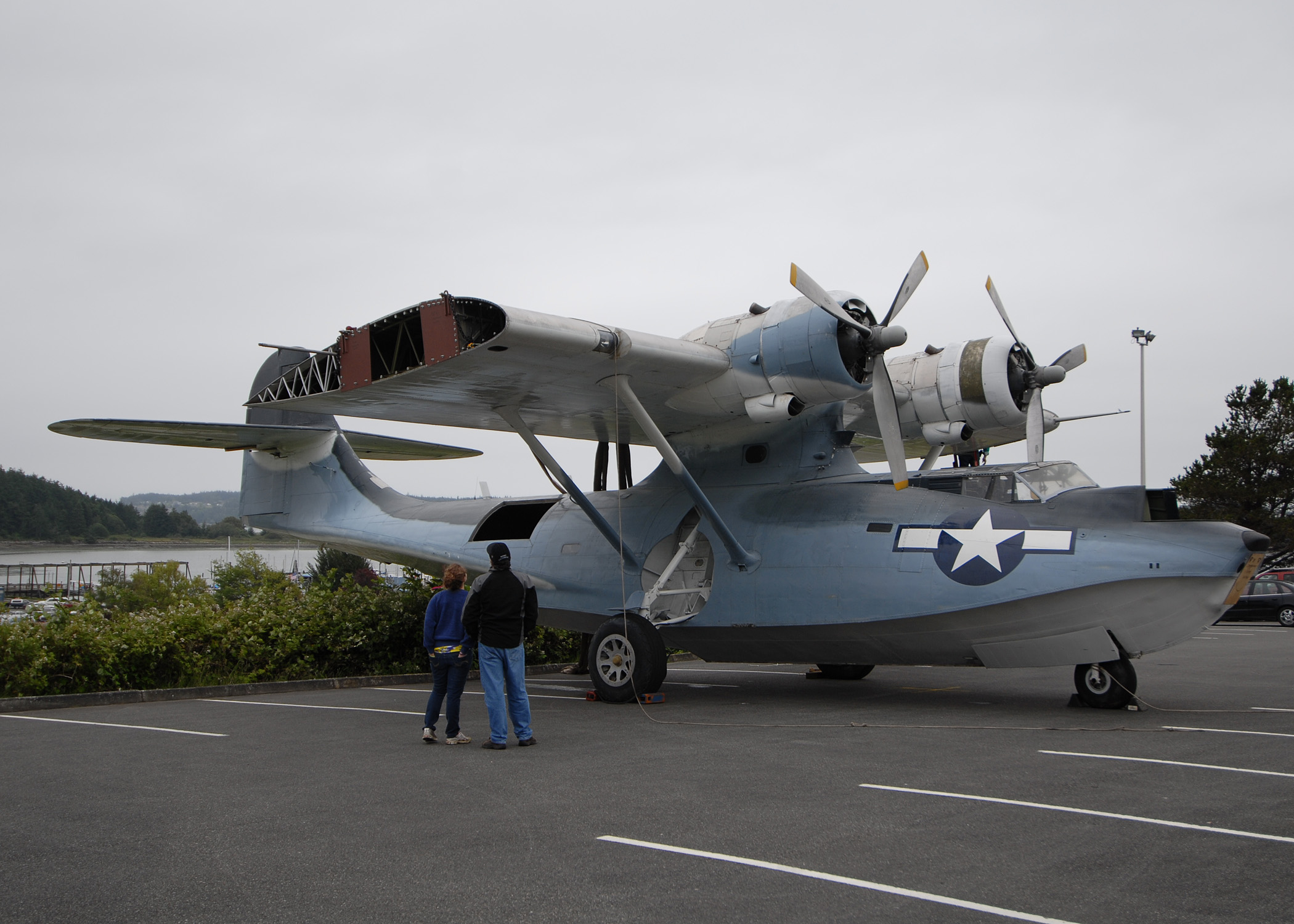
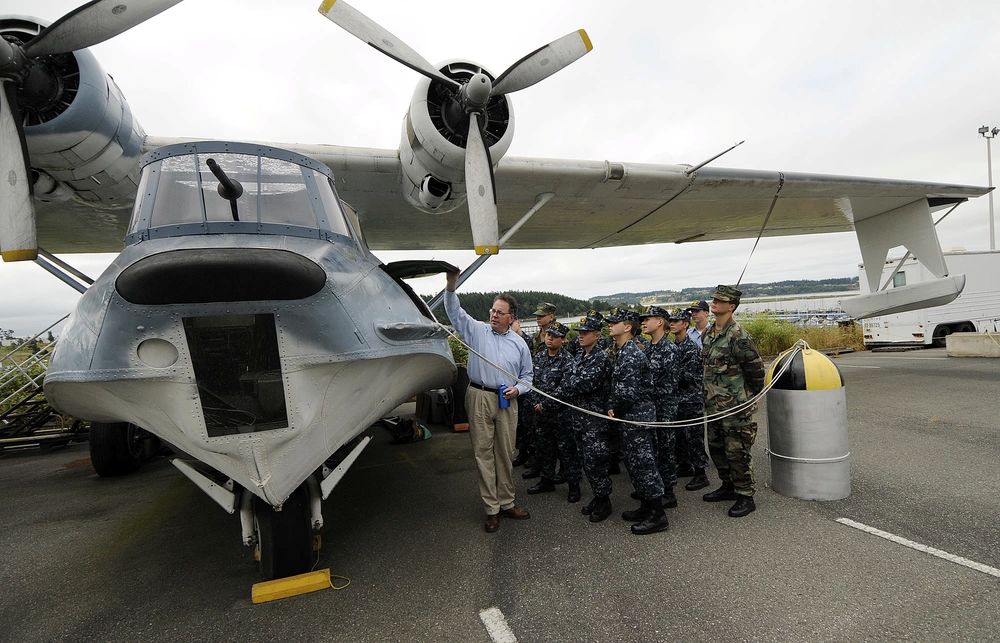
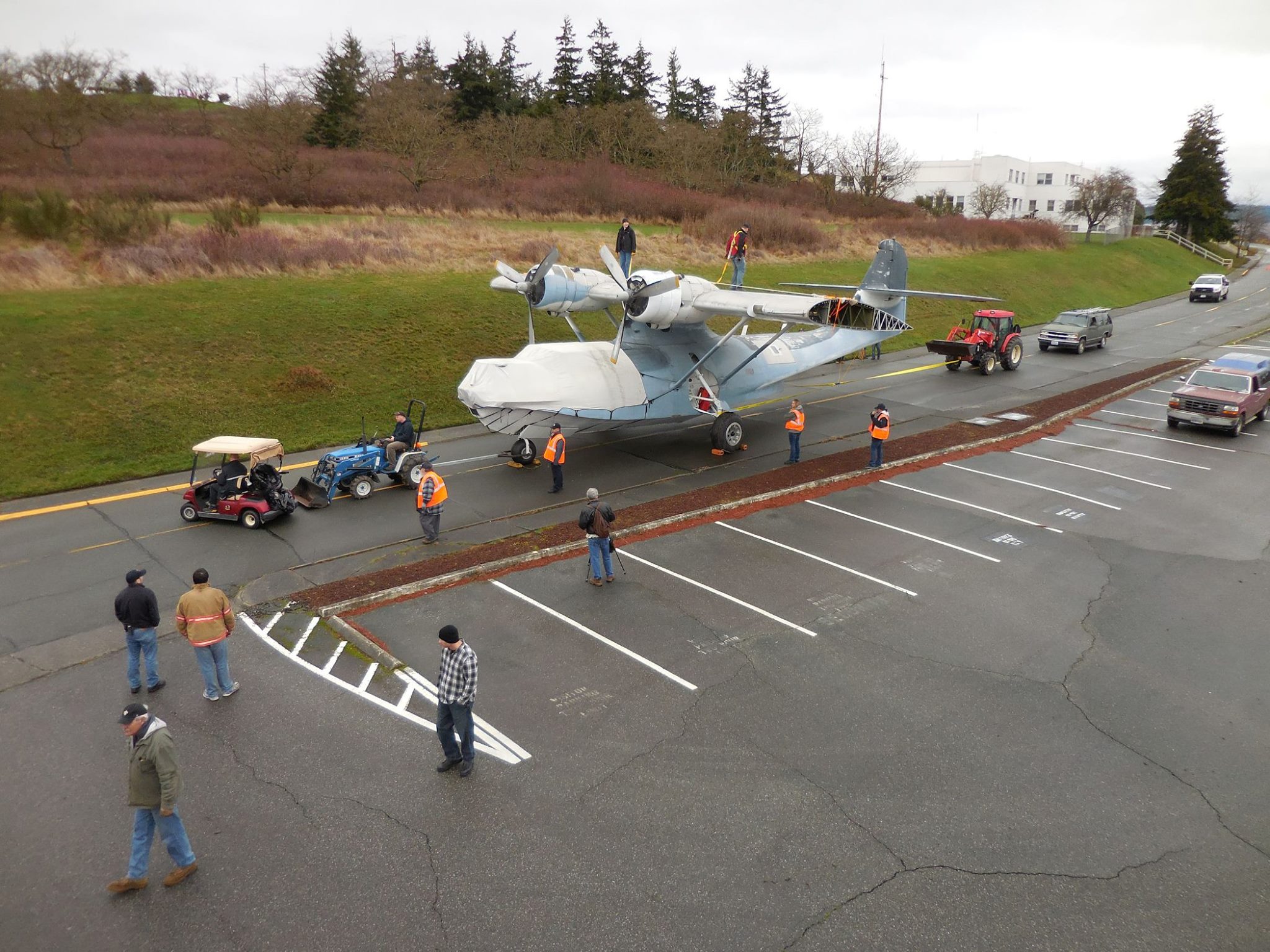
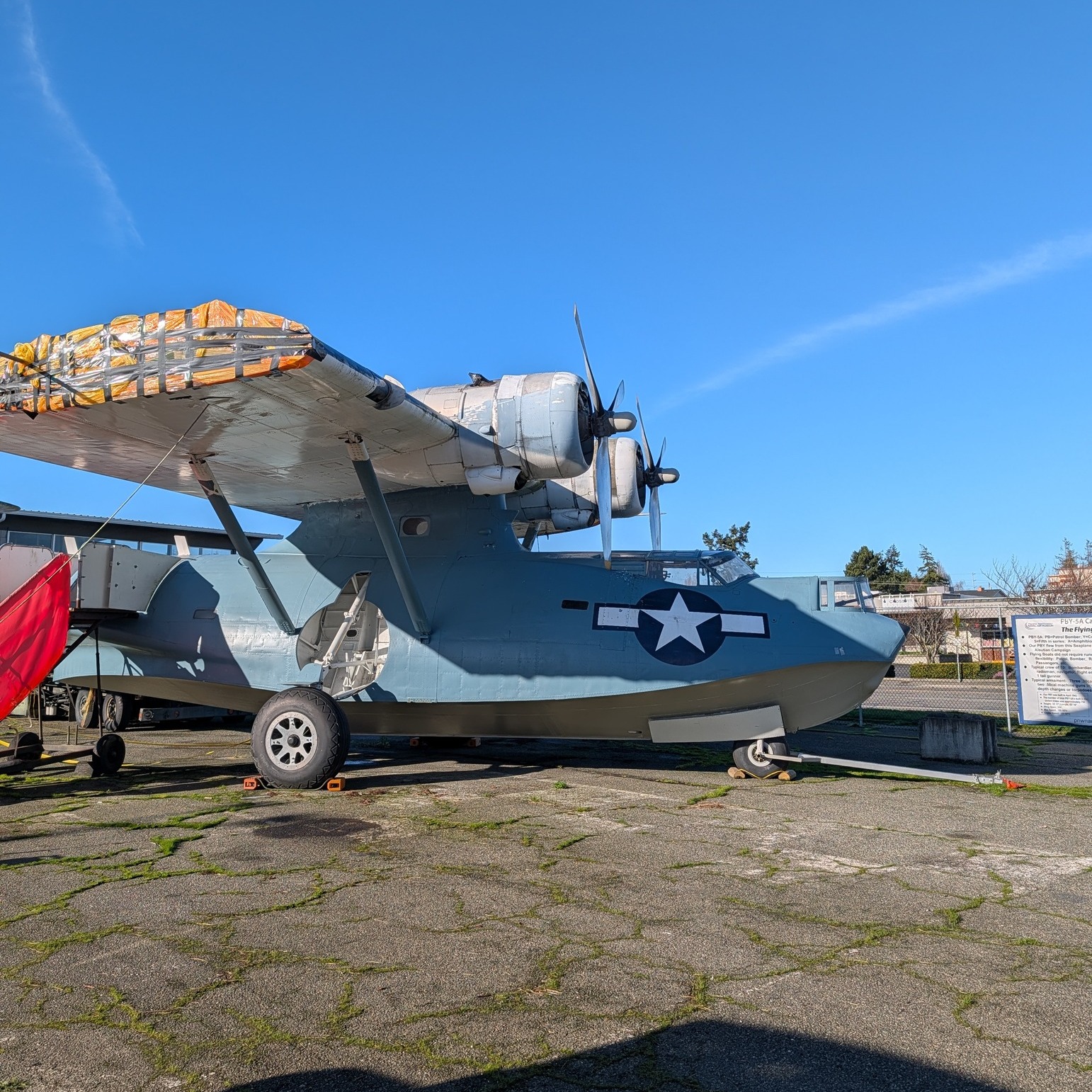
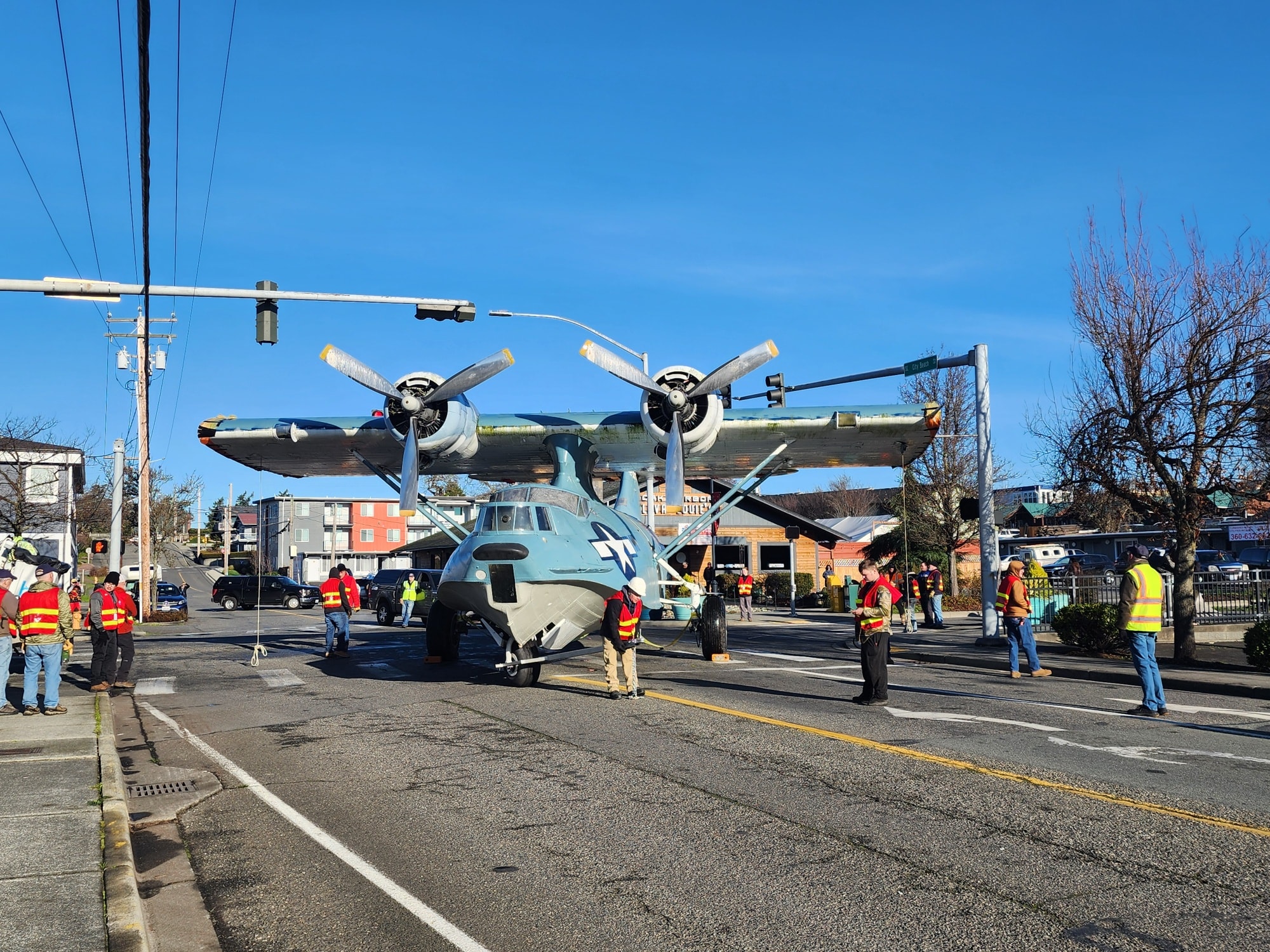
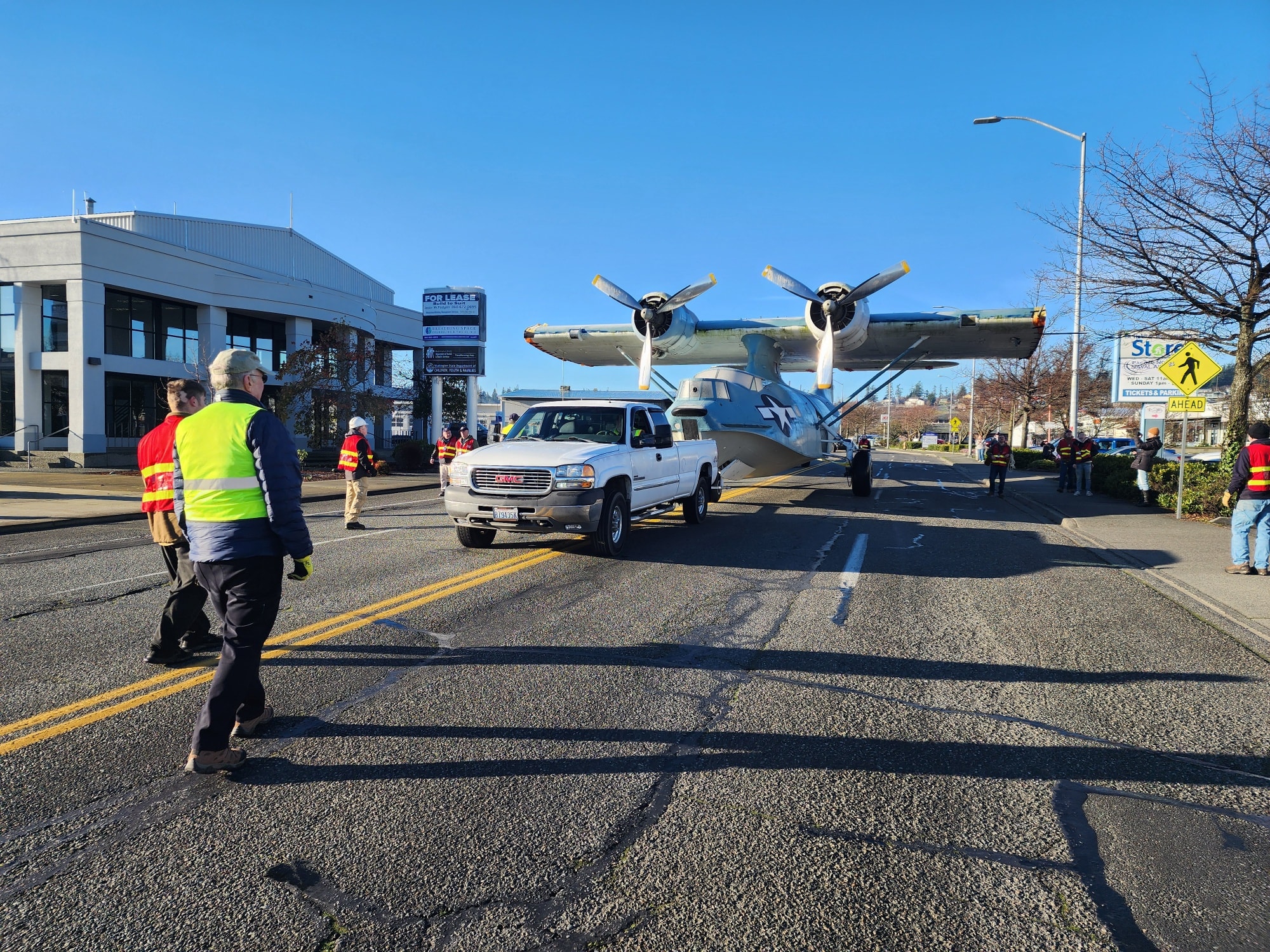
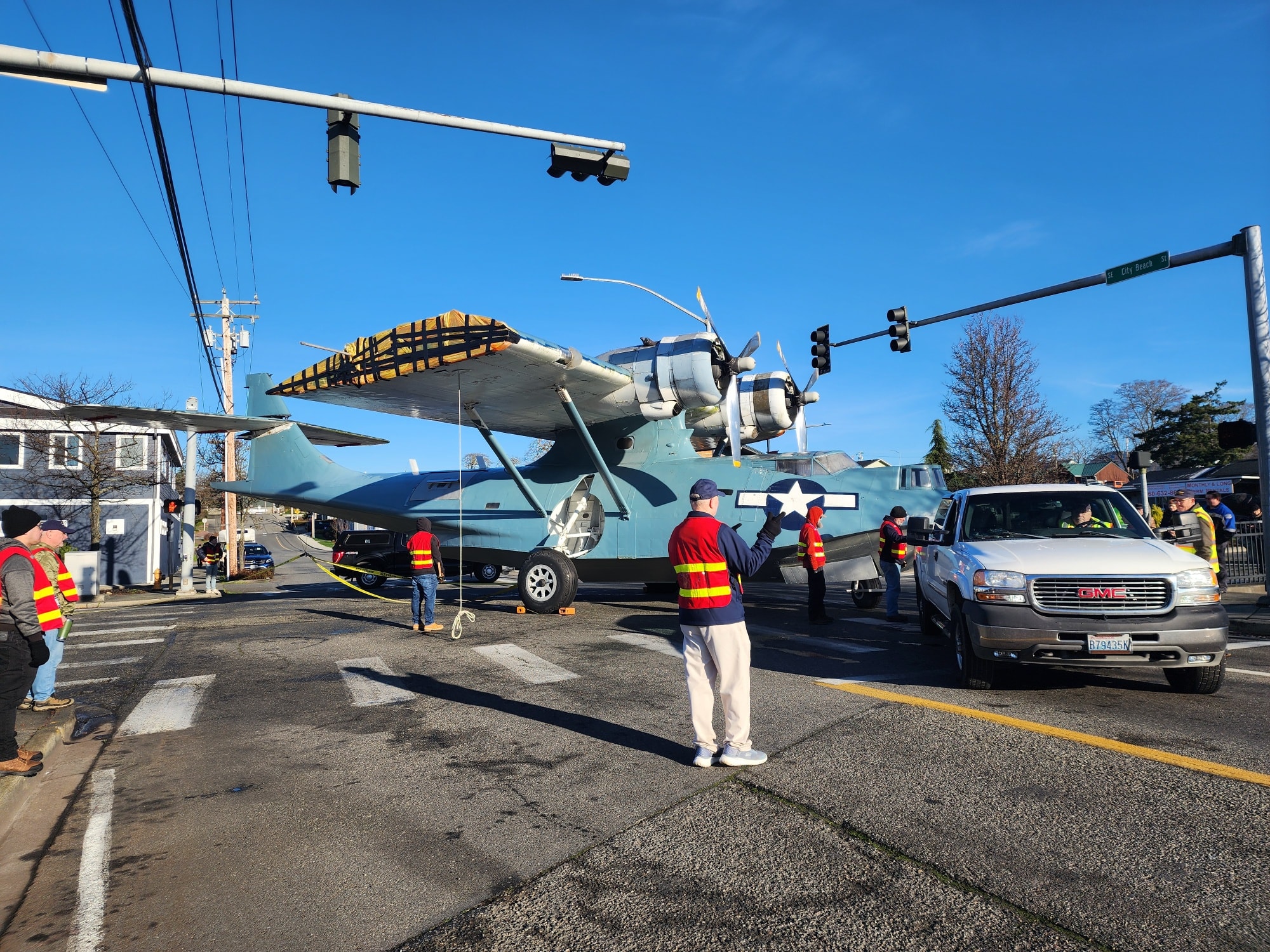
In 2014, the museum moved into a 4,500 sq ft (420 m2) former furniture store in downtown Oak Harbor on Pioneer Way, and after moving the museum’s artifacts, library and administration into the new building, PBY-5A Catalina BuNo 33968 had its outer wings for transport removed yet again, this time to allow the aircraft to be towed through the town of Oak Harbor, and in January 2015, the Catalina was towed out of NAS Whidbey Island’s Seaplane Base, then towed one mile down Pioneer Way at night, where it carefully passed by streetlights and traffic signals were temporarily removed to allow the aircraft to pass. Following this, PBY-5A BuNo 33968 was placed on outdoor display across the street from the museum’s store location, and over the next ten years, restoration volunteers slowly refurbished the exterior and interior of the Catalina, opened the aircraft for guided tours, and continued searching for spare parts to install on the aircraft.
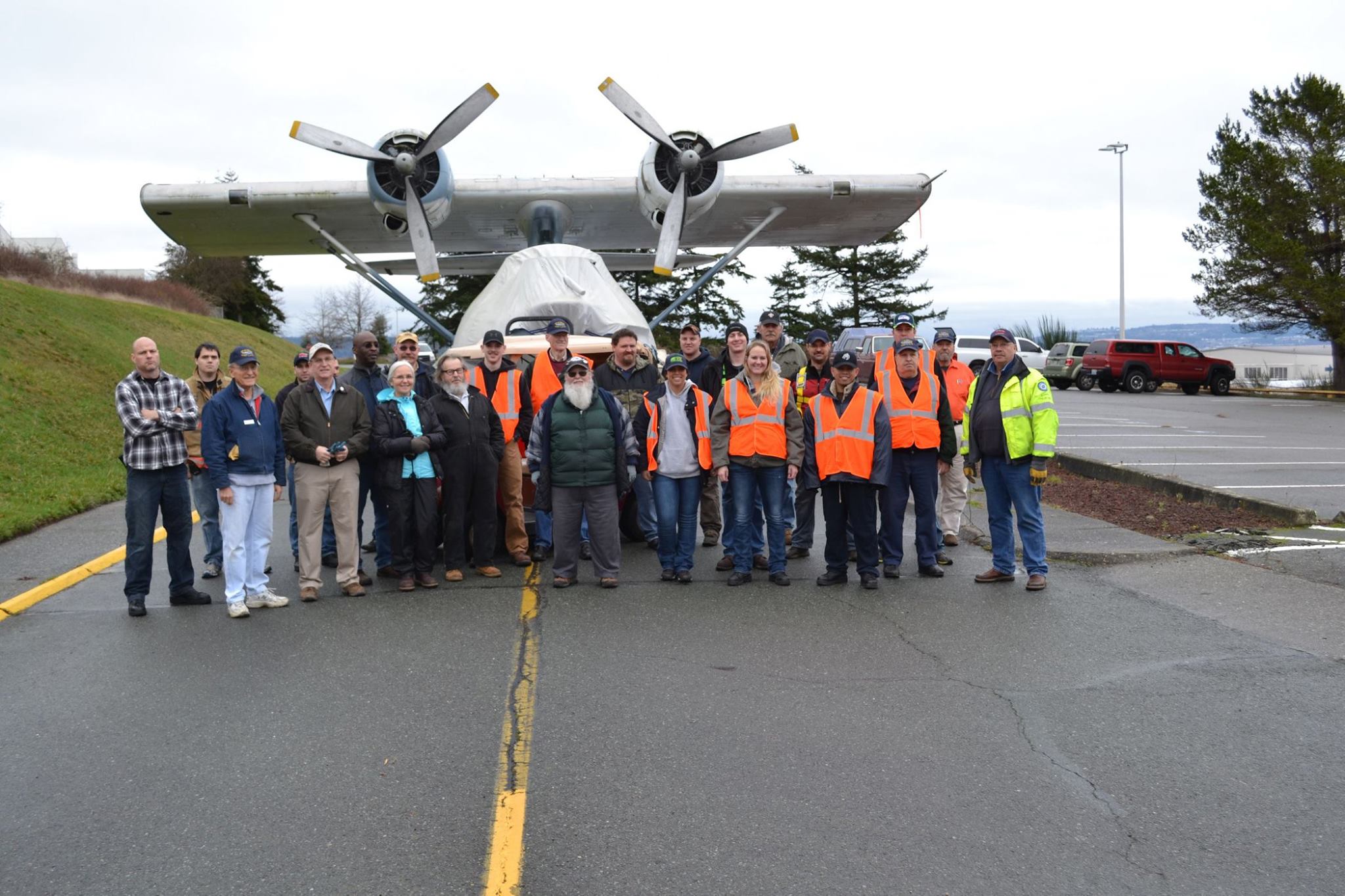
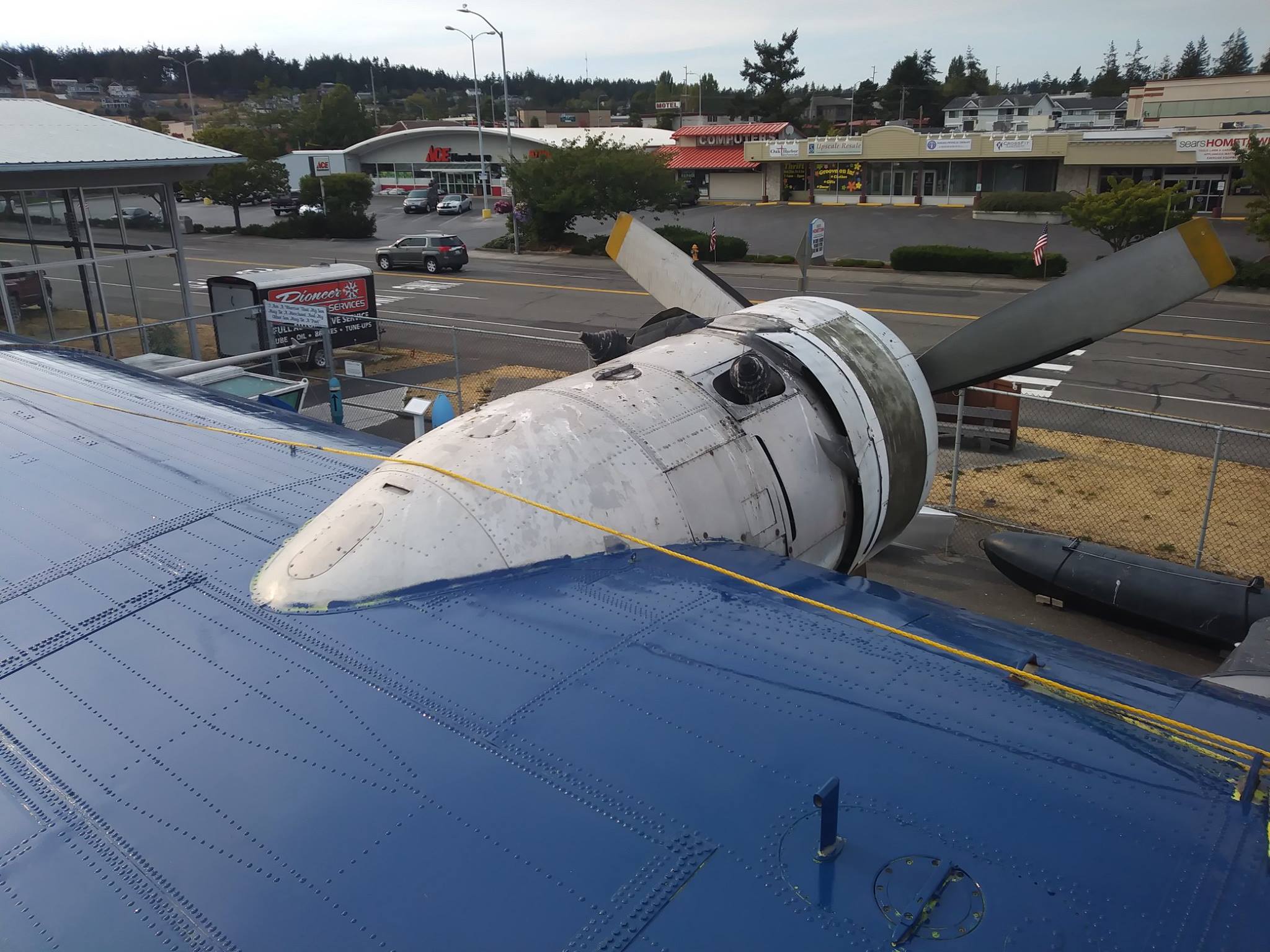
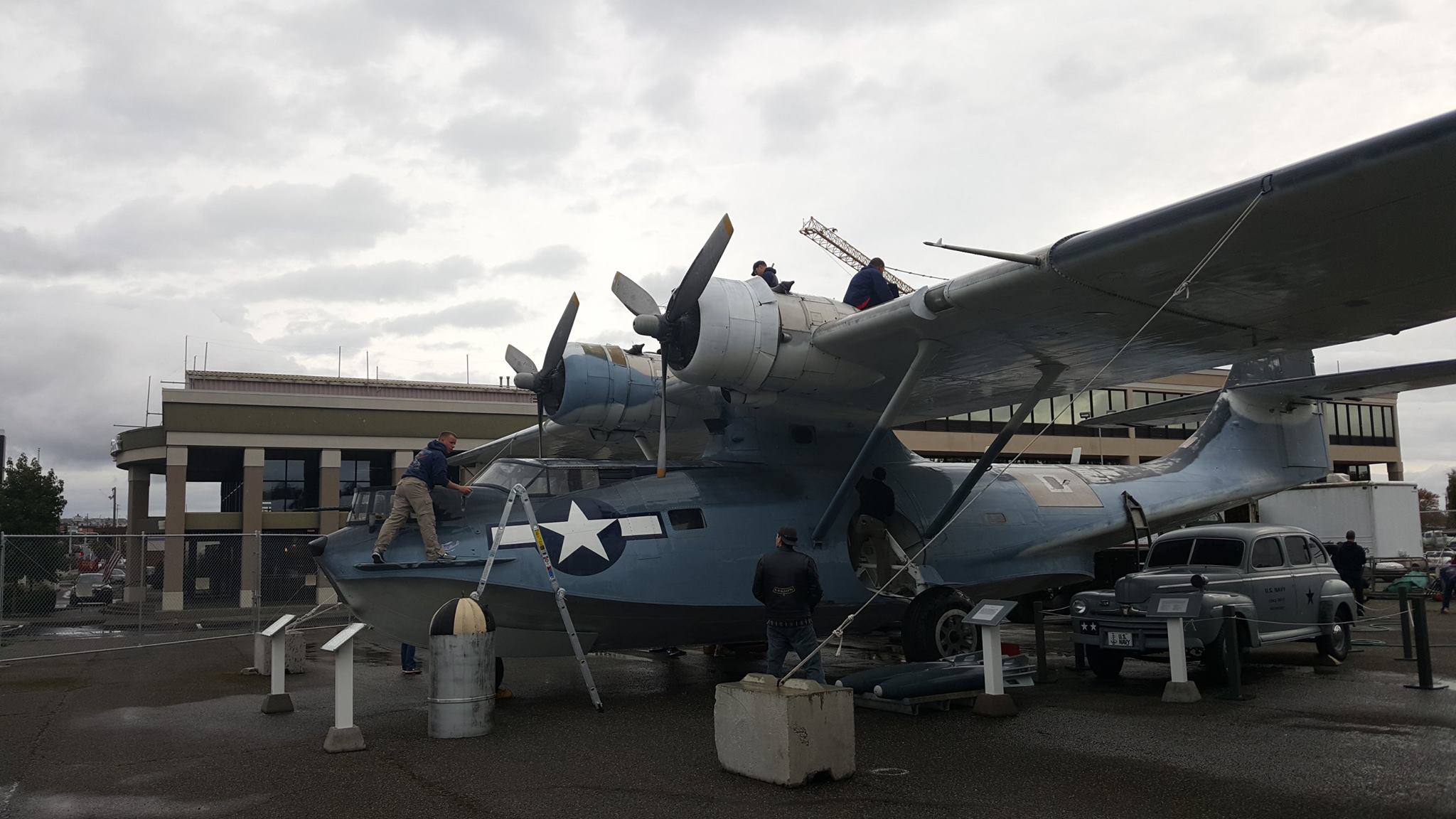
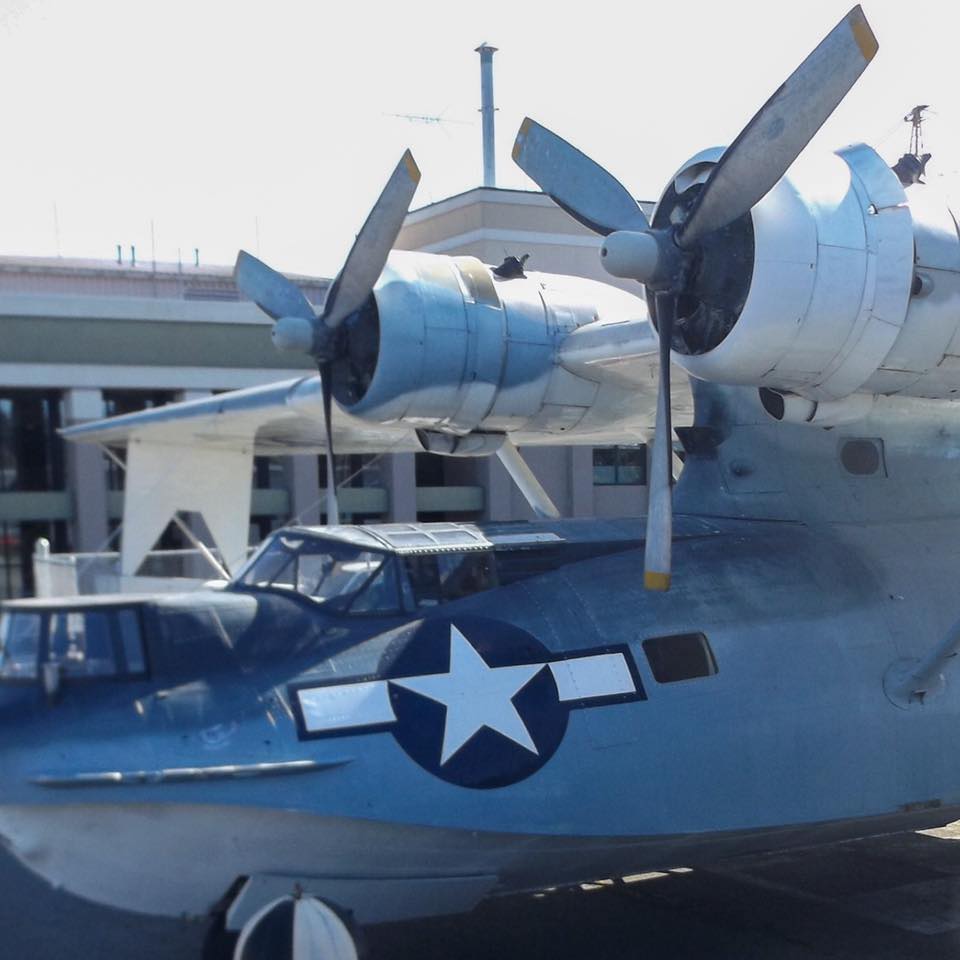
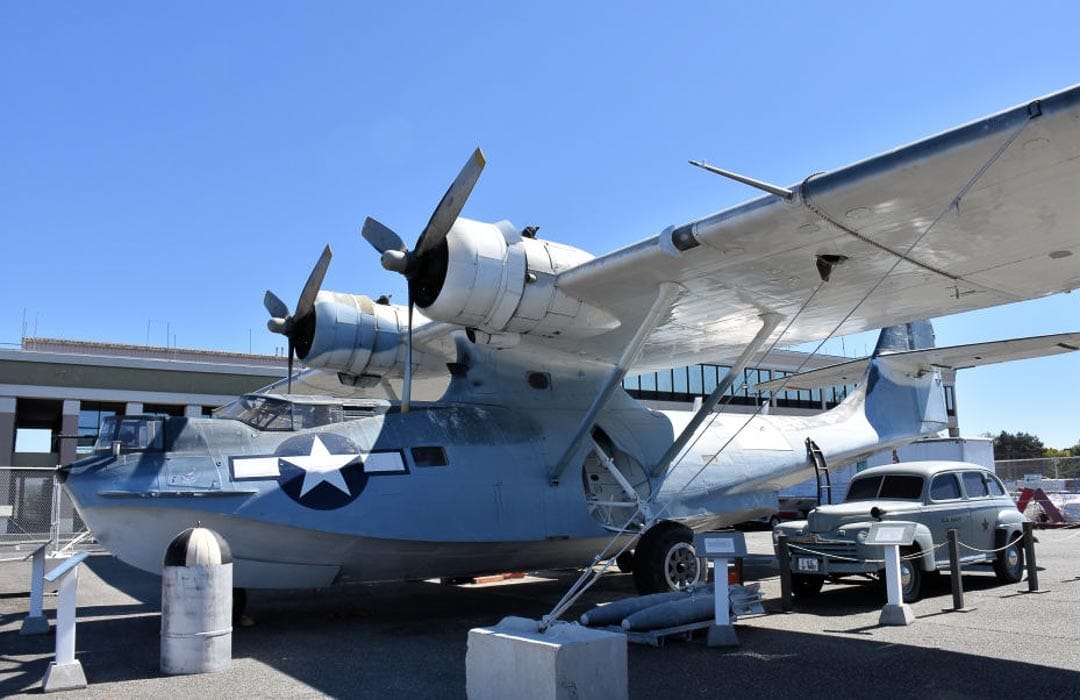
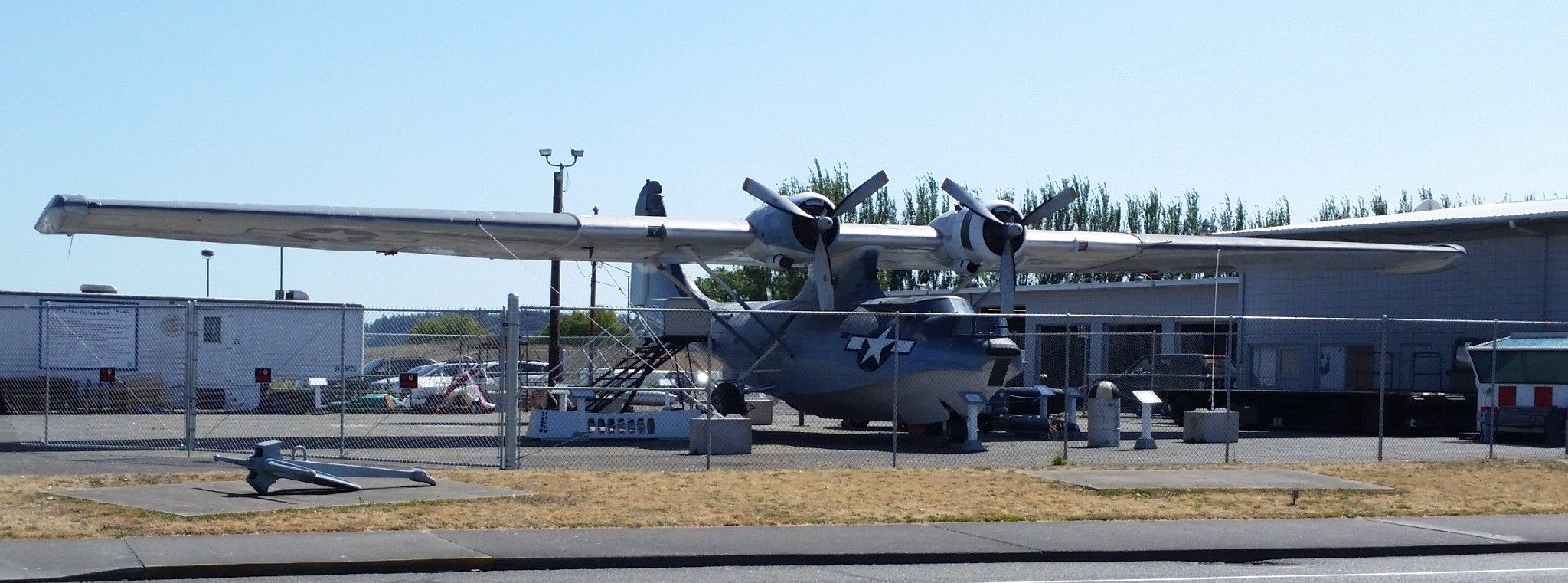
By 2024, plans were finalized for a brand-new building to be constructed for the Pacific Northwest Naval Air Museum on Ault Field Road, situated between NAS Whidbey Island and Oak Harbor, and since the finalization of construction on the new site, the museum’s collections and libraries were moved yet again to the new site. Yet for the time being, PBY-5A BuNo 33968 stayed in downtown Oak Harbor, right on Pioneer Way, while a pavement pad was laid out at the new museum on Ault Field Road, where the Catalina would be moved to. Transporting the aircraft up the road from Pioneer Way to Ault Field Road would represent certain logistical challenges that could also cause damage to the Catalina and to private and public property, from taking down traffic signals to stopping traffic for prolonged periods of time for local residents. In the end, it was the Washington National Guard that came to solve the problem: if the aircraft had been airlifted by helicopter before, why not again? In the end, it was decided that a Boeing CH-47F Chinook helicopter of B Company of the 1-168th General Support Aviation Battalion would be used to airlift the Catalina for one last short flight, since the flight would also be a training exercise for the Chinook crews of the Washington National Guard in using their helicopters to airlift oversized loads, including disassembled aircraft.
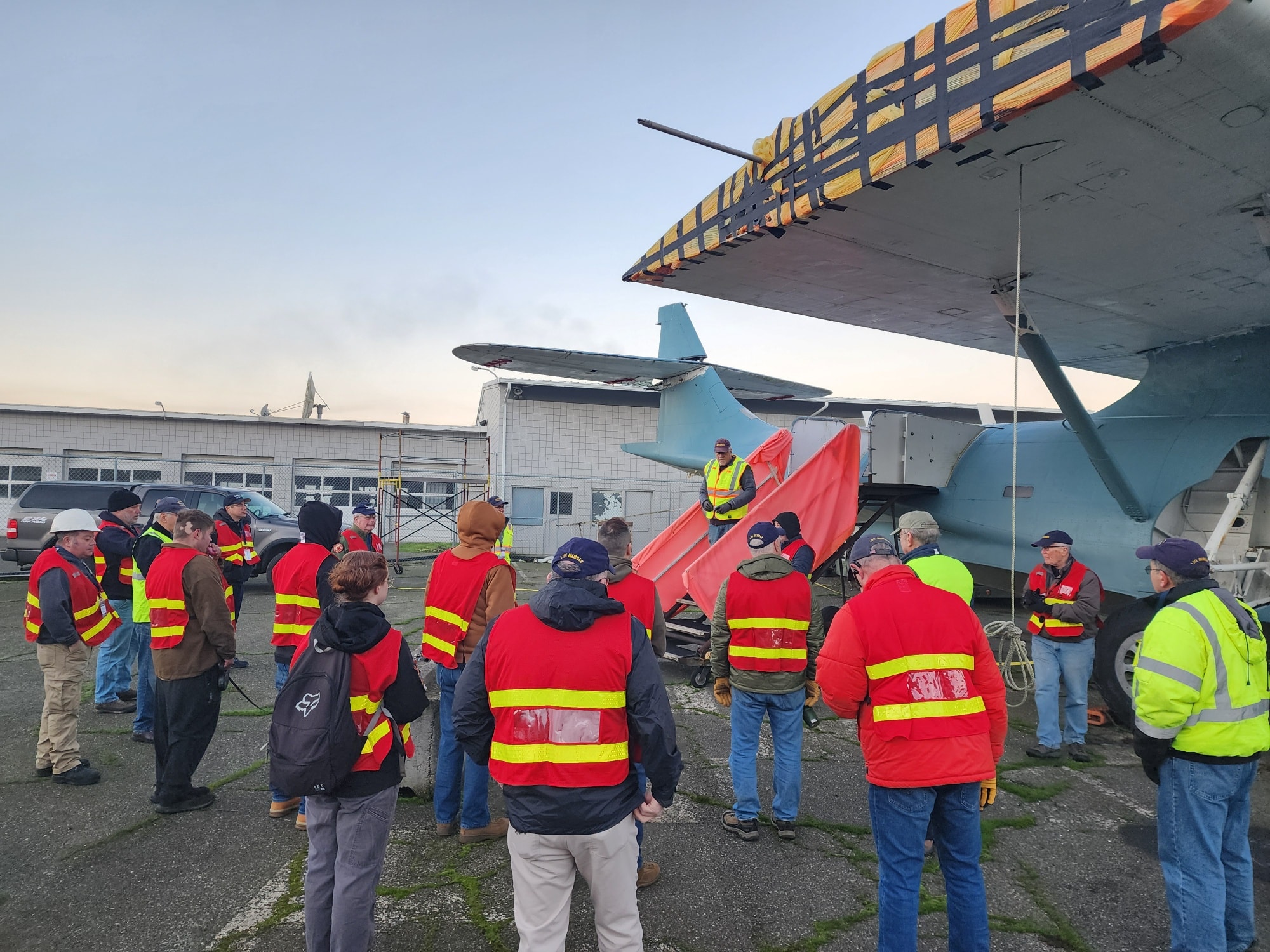
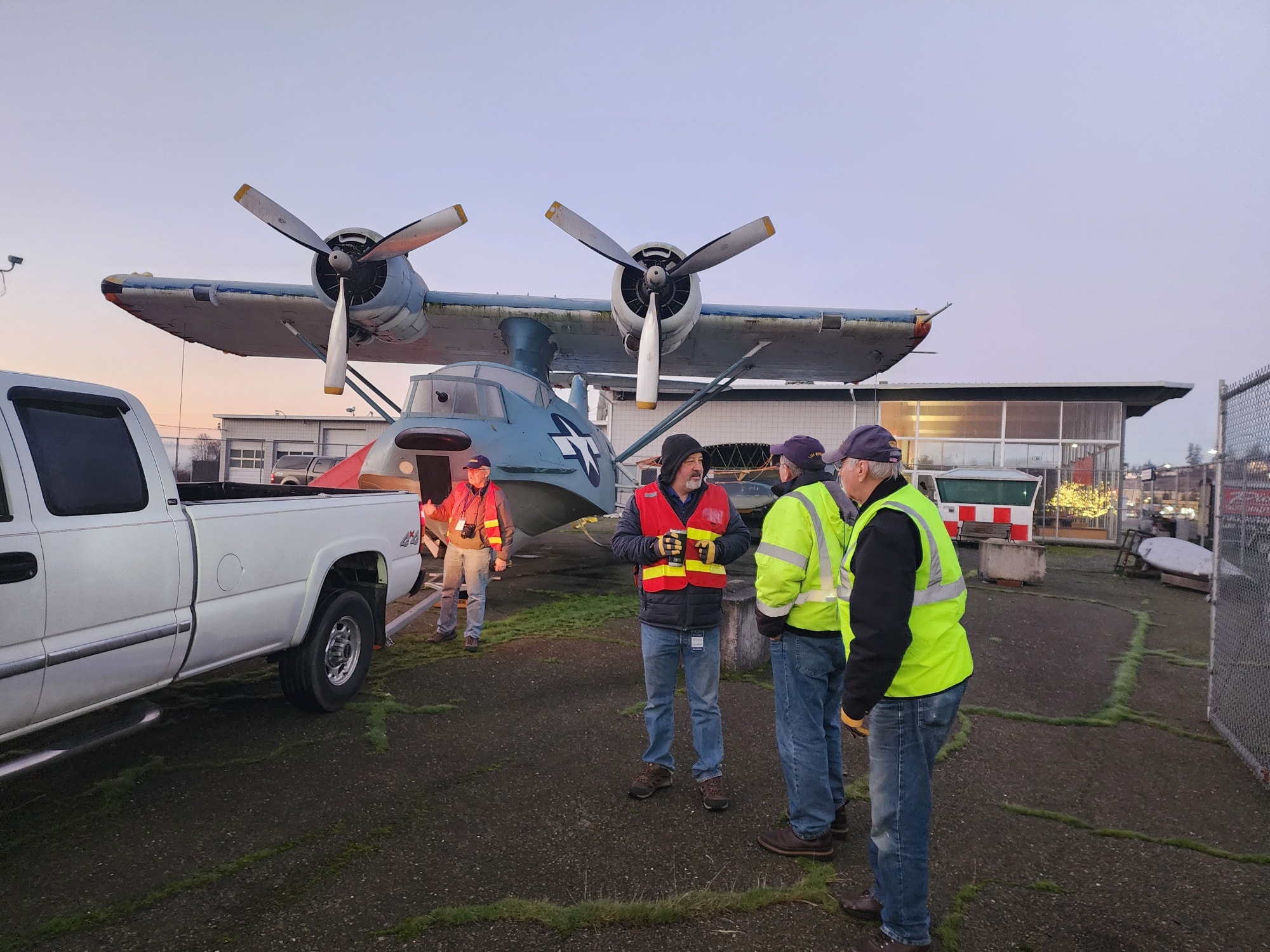
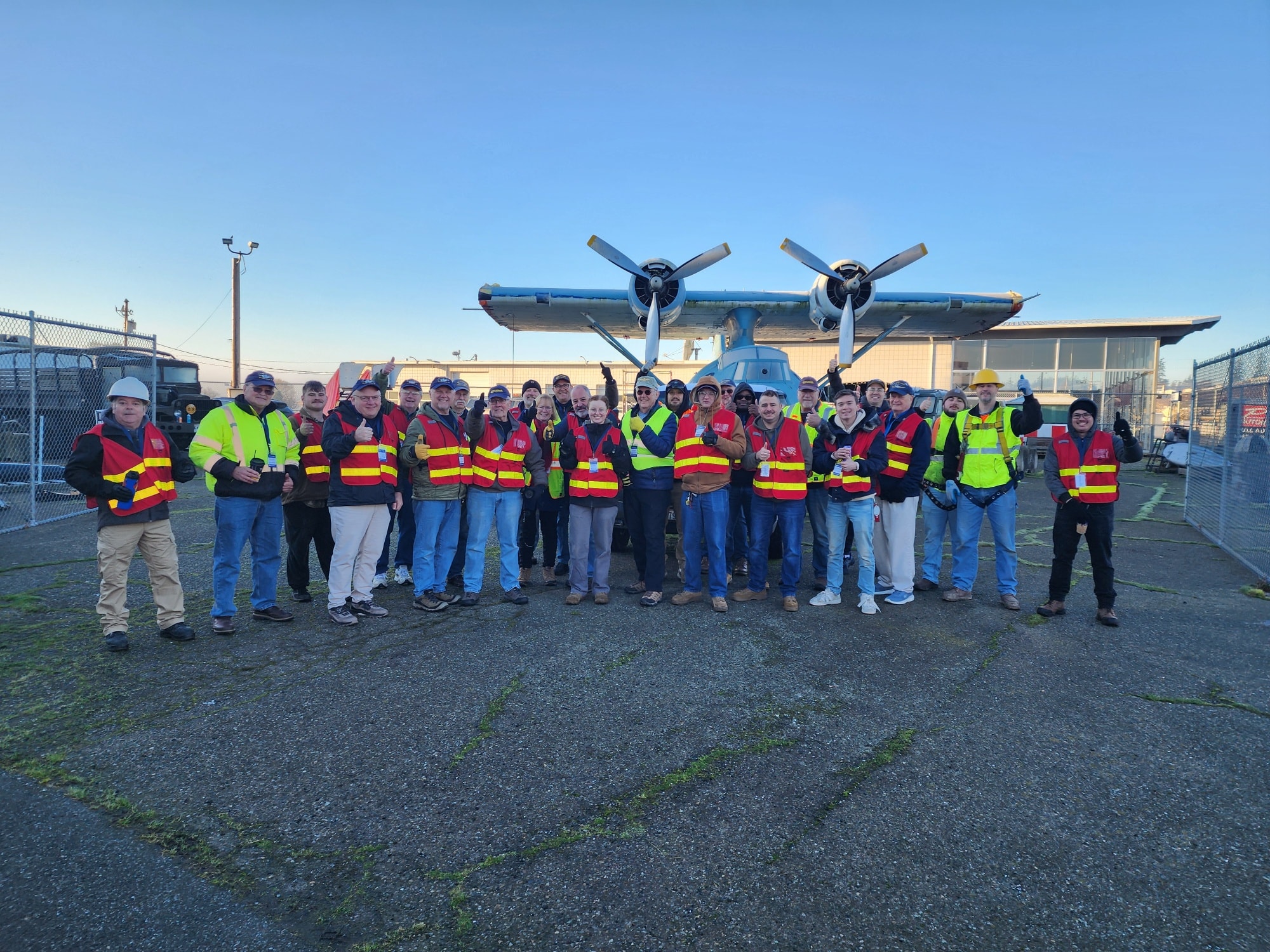
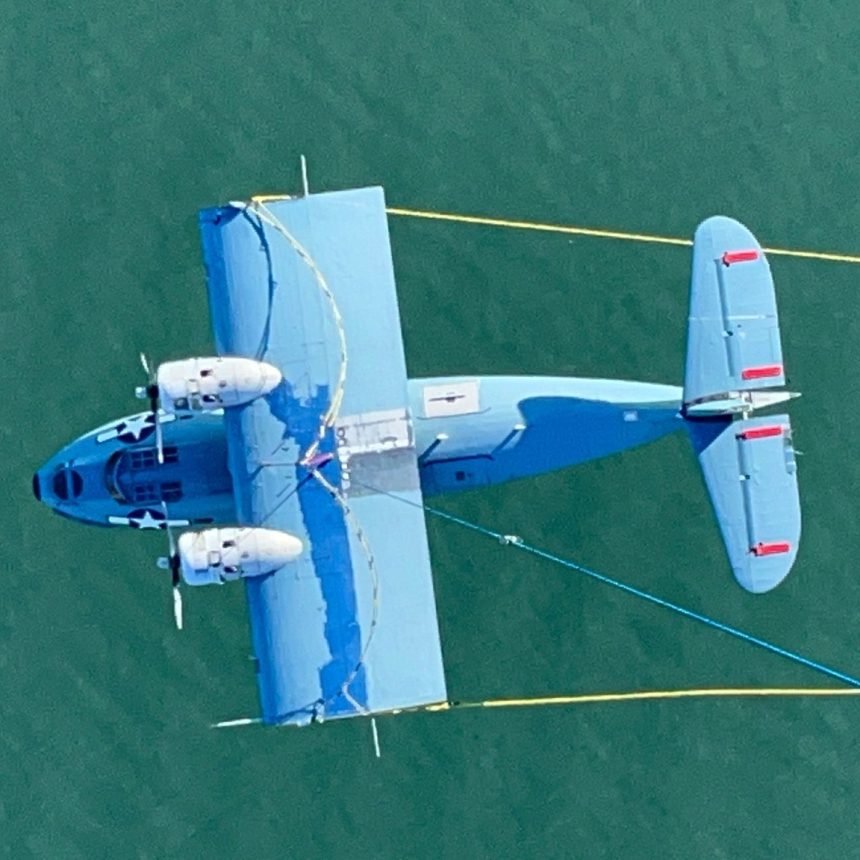
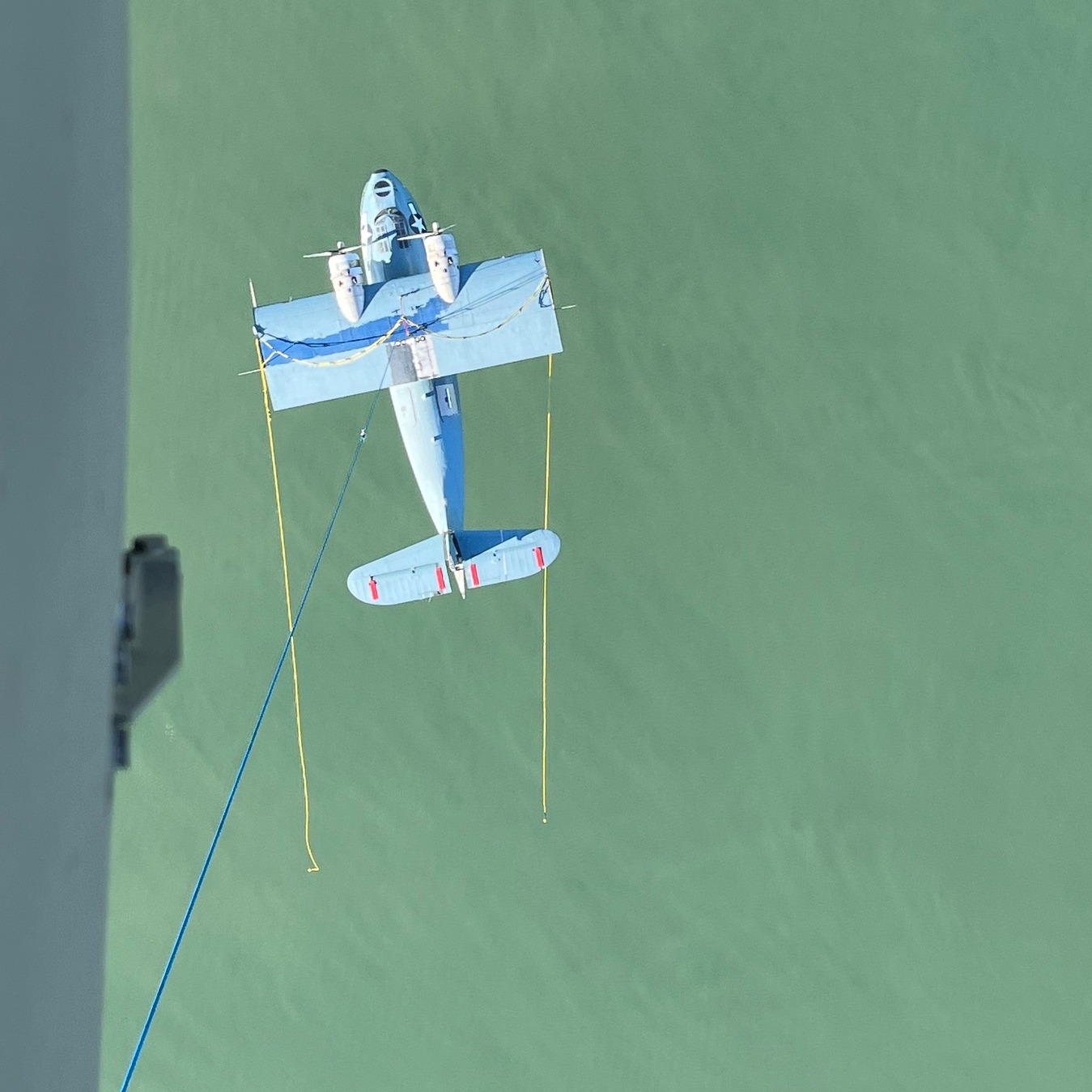
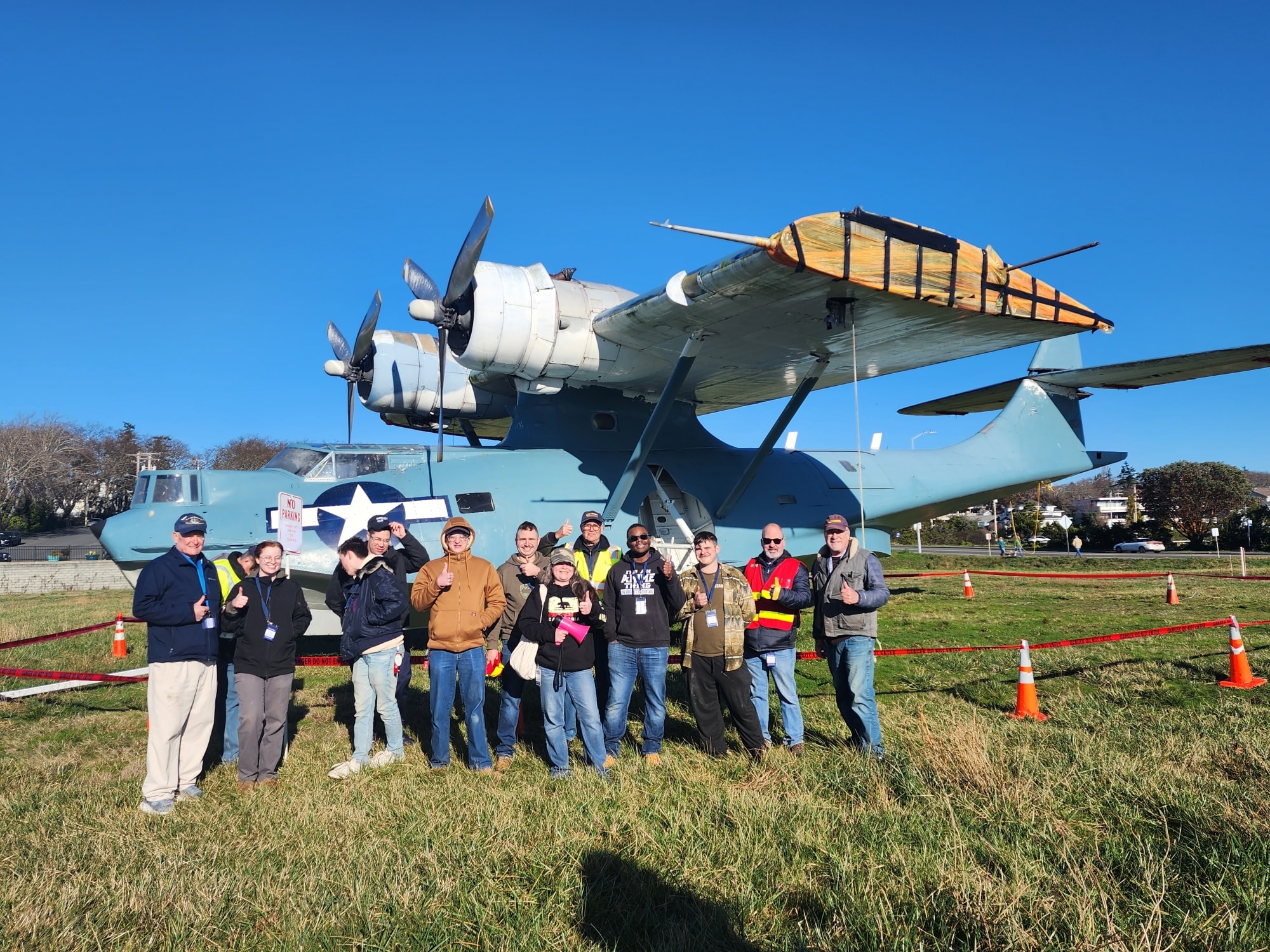
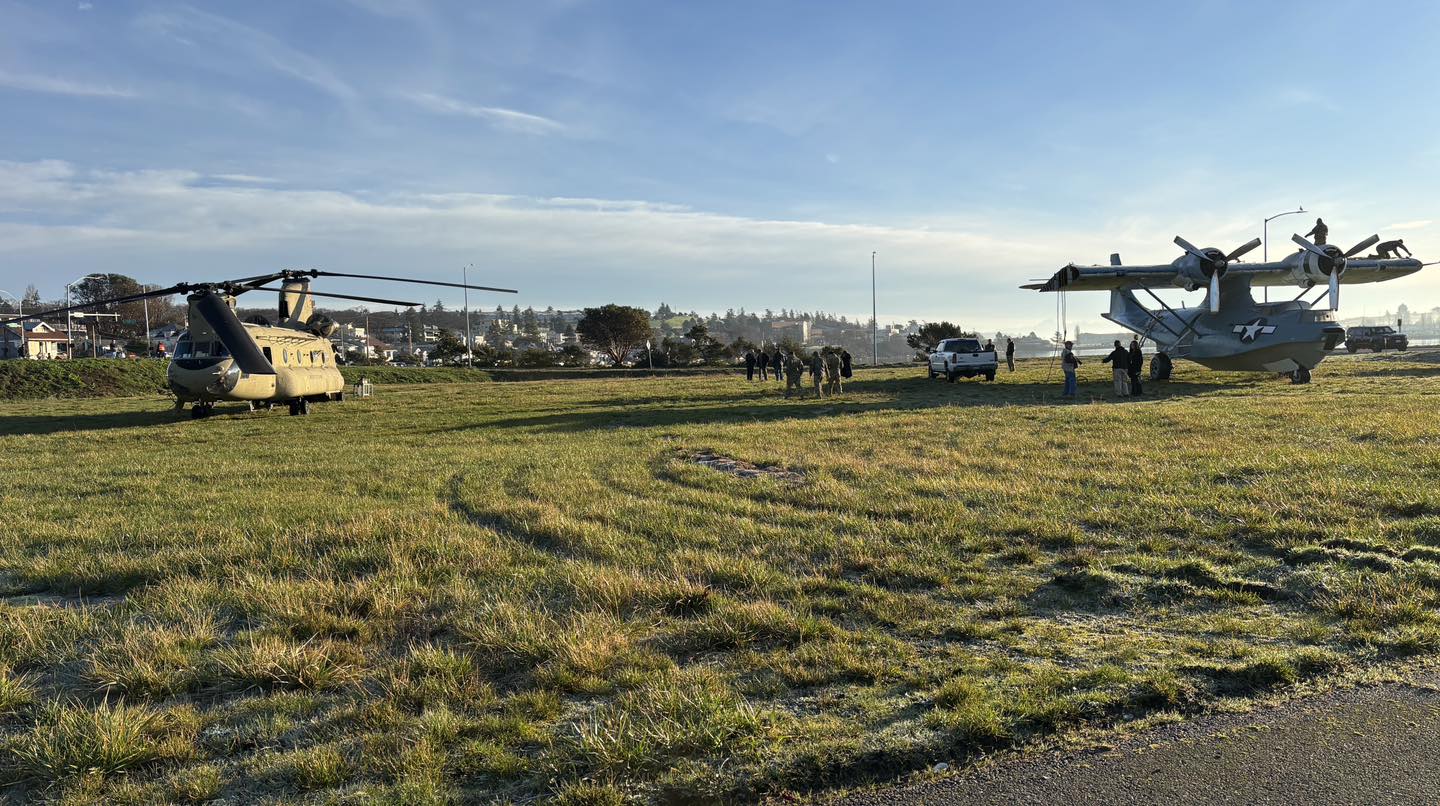
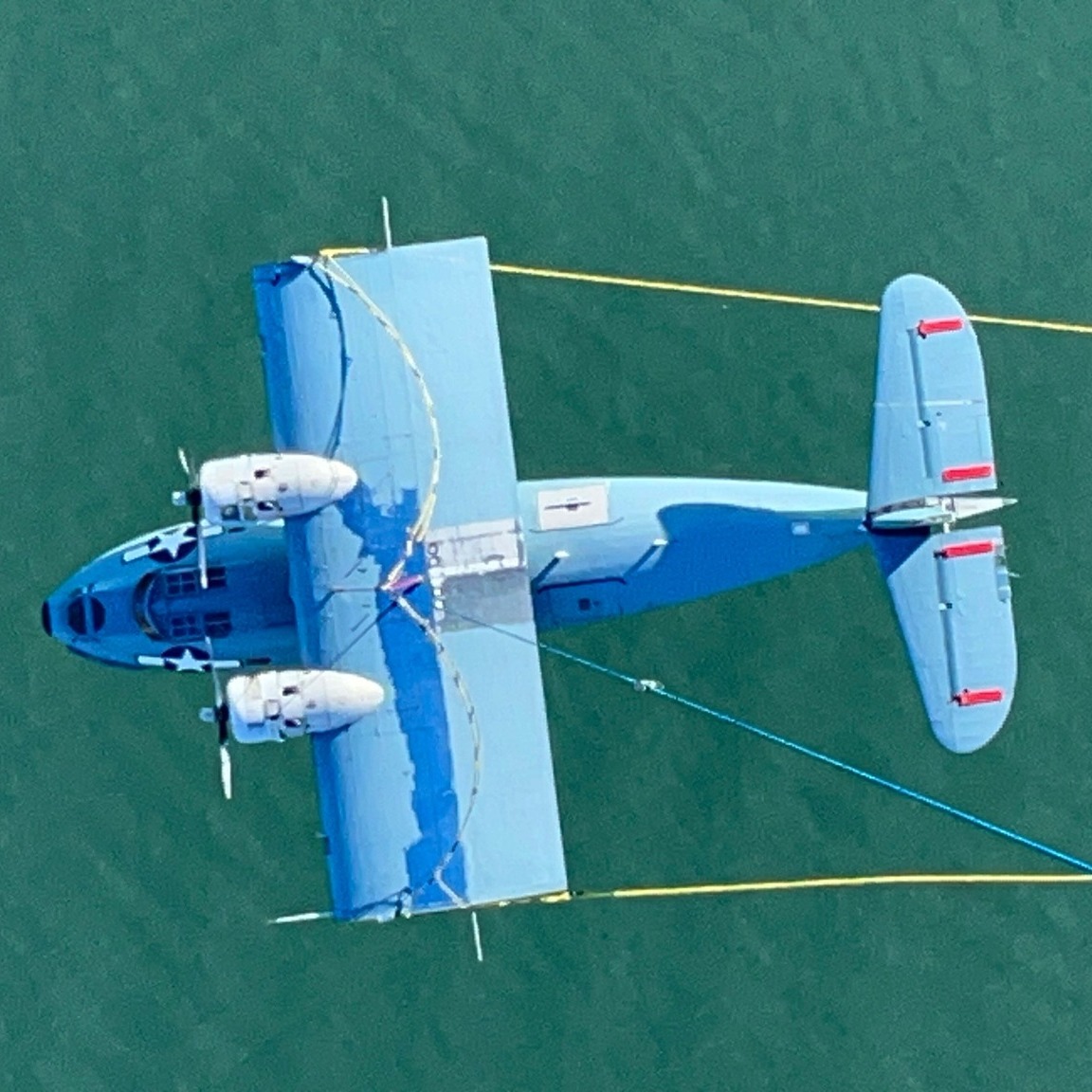
To prepare for the airlift, the outer wing panels of PBY-5A Catalina BuNo 33968 were once again removed, but the large rudder on the tail was also removed in preparation for the lift. Then, on January 18, the amphibious hull was towed down two blocks down Pioneer Way to a small field on the shoreline of Oak Harbor at Bayshore Drive and Midway Blvd, fittingly close to the former location of the now demolished gas station that represented the museum’s first address. The trip took almost four hours due to the careful coordination of every turn and every step taken, but the Catalina arrived safely at the pickup location. On January 20, CH-47F Chinook serial number 07-08735 arrived on scene to begin the airlift by attaching a grapple system to the helicopter. According to Barry Meldrum, Executive Director of the Pacific Northwest Naval Air Museum, a warning light appeared inside the Chinook’s cockpit during pre-flight checks, indicating a potential issue with the grapple system, causing the Chinook’s flight crew and the WNG ground crew to assess the condition of the grapple system. Deciding to carry on, the Chinook rose up, but as the Catalina began to leave the ground, it did not maintain the proper angle necessary for stable flight, causing the crew to cancel the first attempt, recenter the load, and increase the length of the cable holding the PBY-5A.
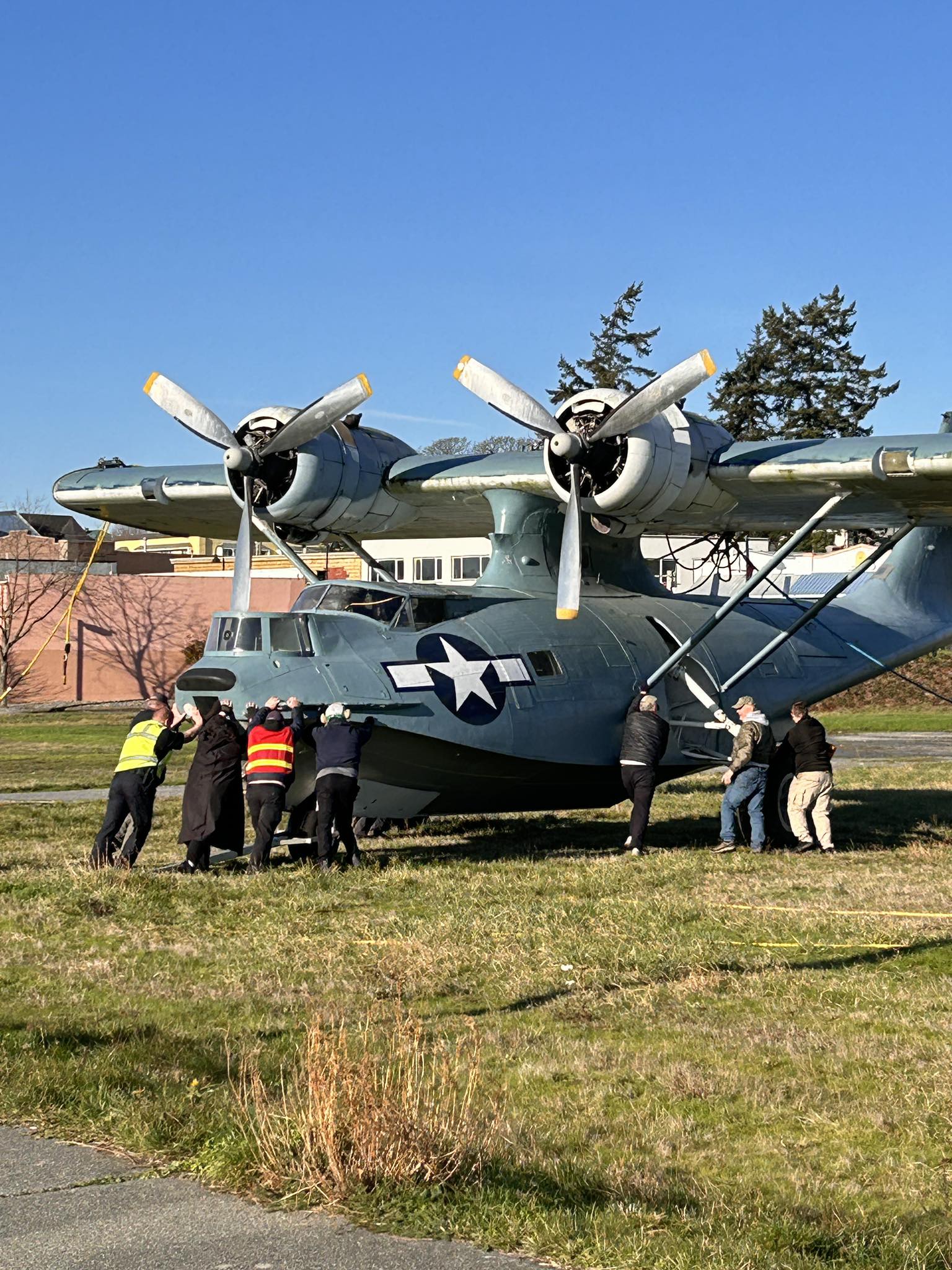
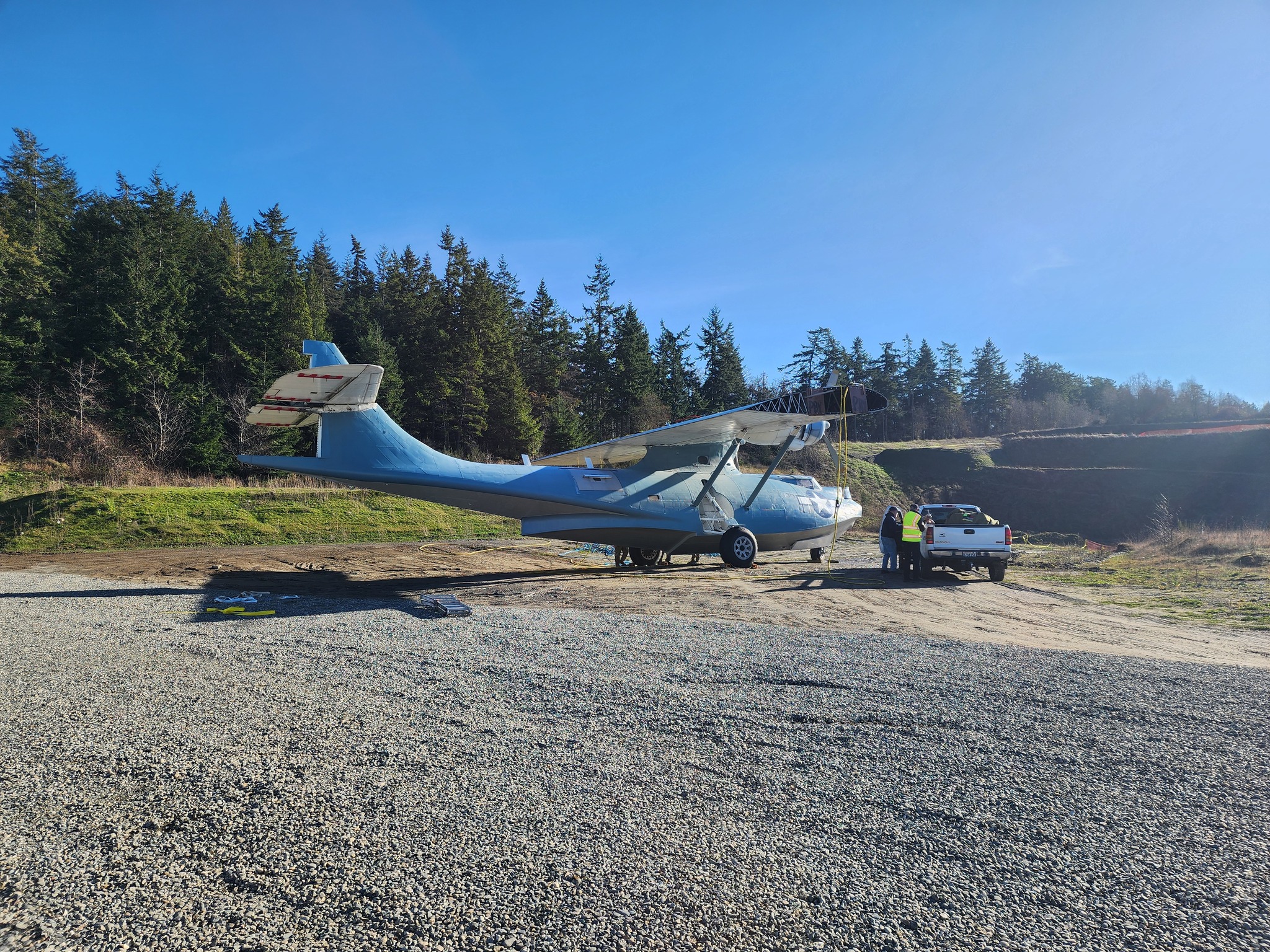
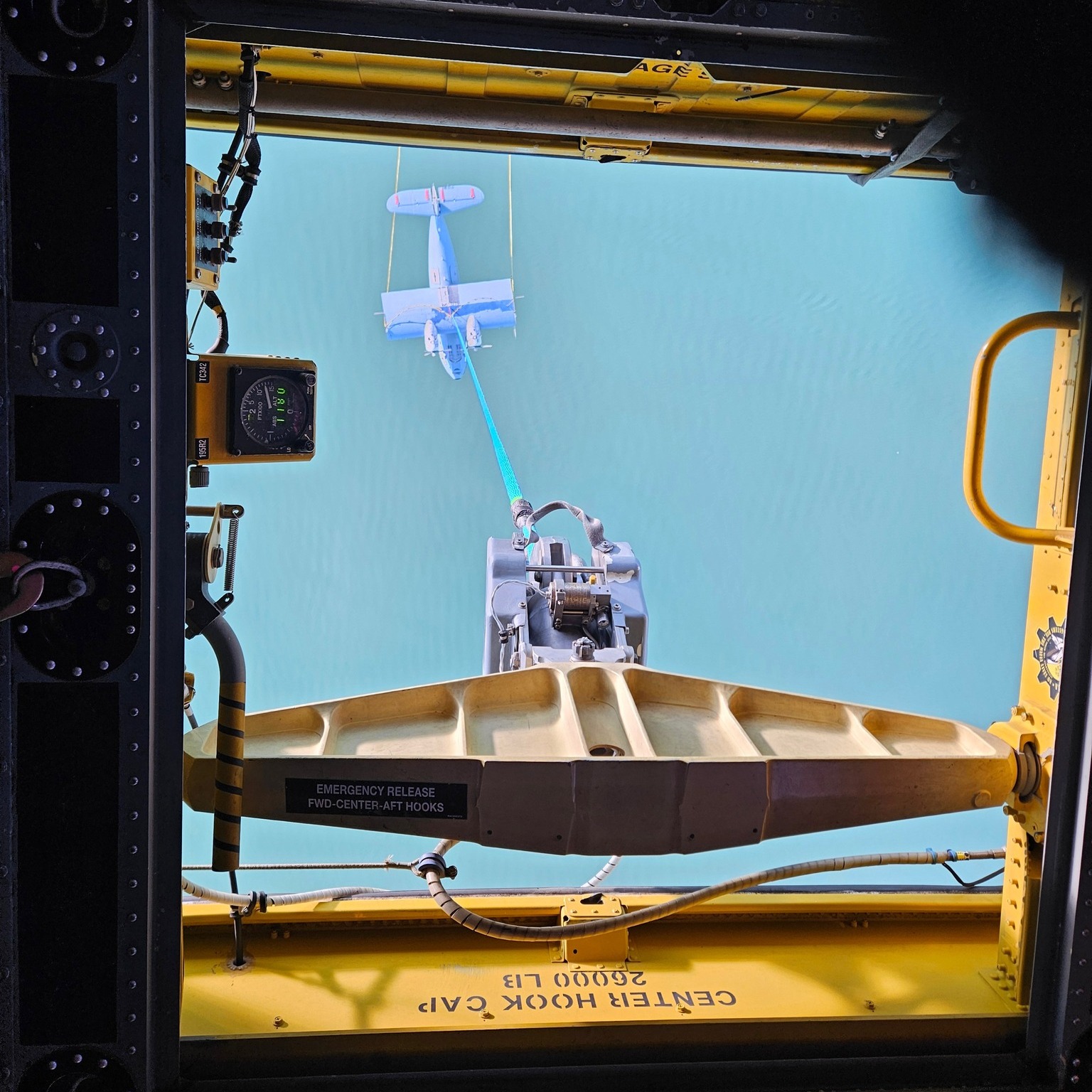
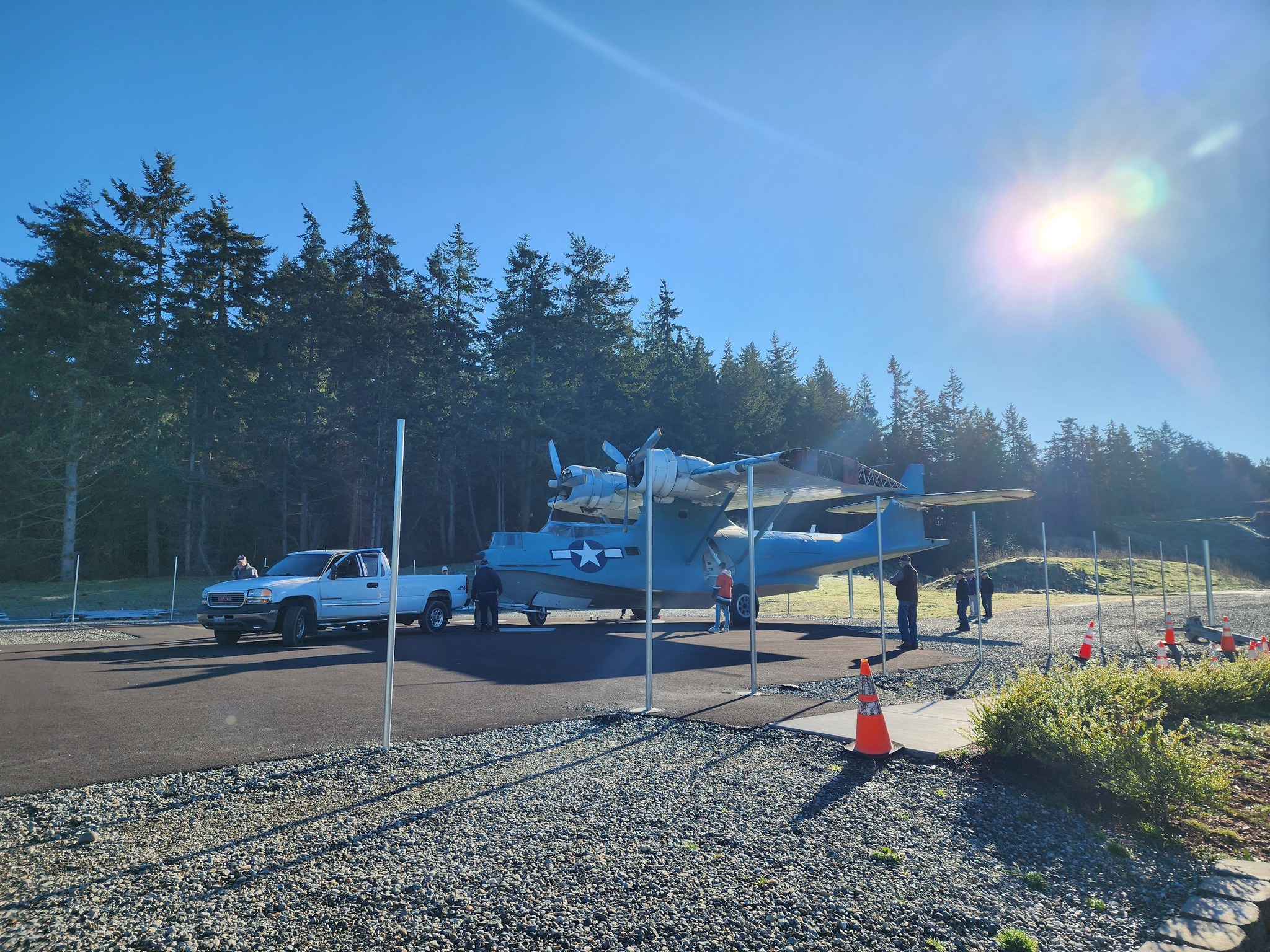
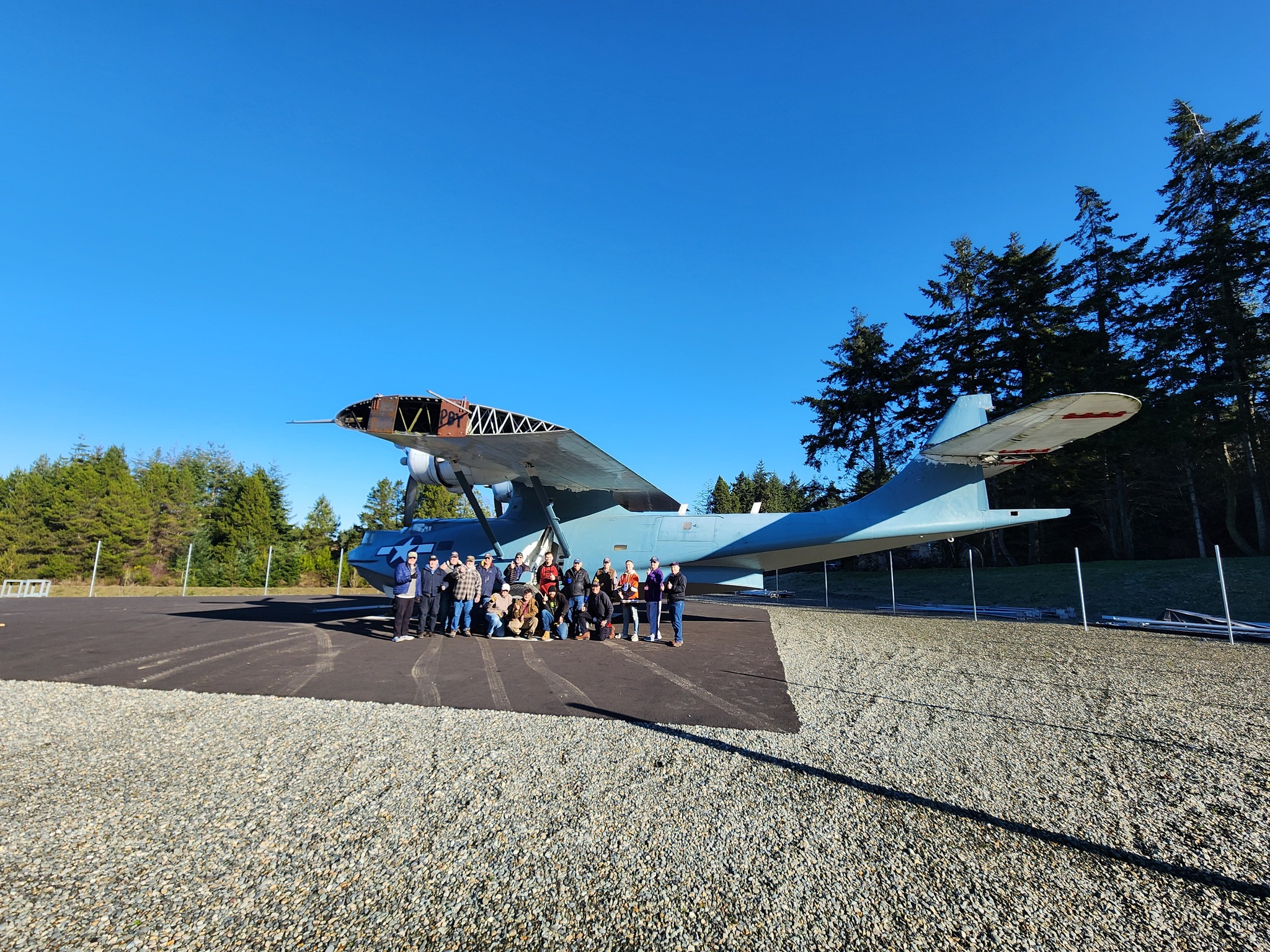
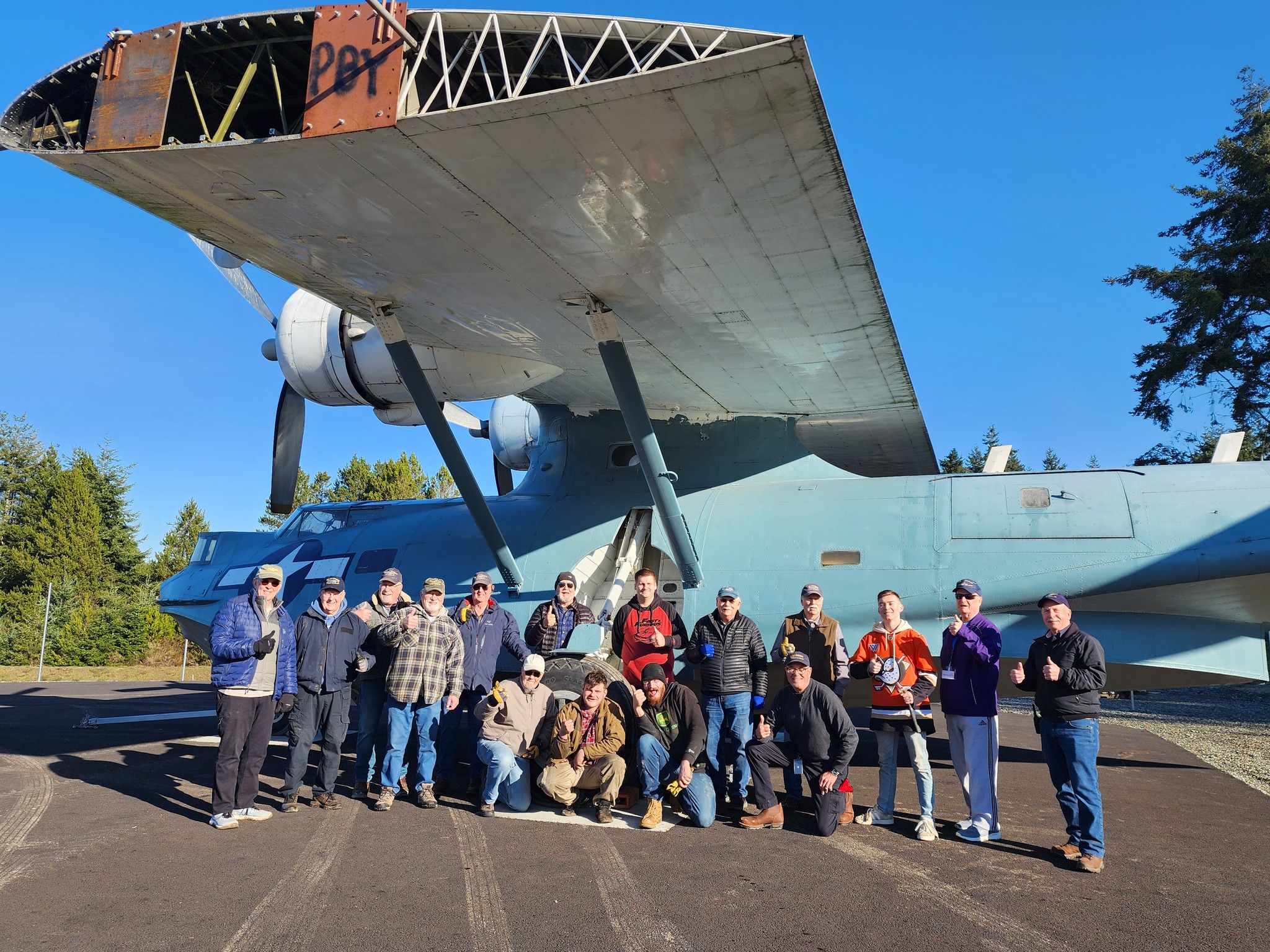
The next day, on January 21, the second attempt commenced. This time, the Catalia’s hull remained steady, and the Chinook slowly lifted the flying boat back into the air. After flying out over Skagit Bay to the east, the Chinook slowly turned into the airspace of NAS Whidbey Island, and at 1pm local time, the Chinook and the Catalina arrived over Ault Field Road, and the Catalina was gently lowered to the ground just outside the new museum building, and when the cable was detached, CH-47F 07-08735 returned to base. Two days later, on January 23, 16 volunteers came and pushed the Catalina the final few feet to the asphalt pad from which it will be permanently displayed at the Pacific Northwest Naval Air Museum. There is still much work to be done, such as the reattachment of the outer wing panels and rudder, but it seems quite certain that PBY-5A Catalina BuNo 33968 can now finally rest, and continue to perform its newest and longest-lasting mission yet: to remind visitors of the legacy of the naval aviators of WWII who watched over the Pacific Northwest coast, for although they rarely go the glory, their missions were just as vital to the defense of the United States as any overseas combat mission was in WWII, and it is something that current generations of U.S. maritime patrol aviators, now flying new aircraft such as the Boeing P-8 Poseidon, continue to do from bases like Naval Air Station Whidbey Island. For more information, visit the Pacific Northwest Naval Air Museum’s website HERE.
For more information, visit the Pacific Northwest Naval Air Museum’s website HERE.