
By Randy Malmstrom
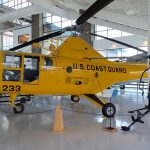
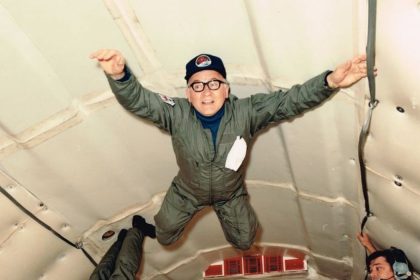
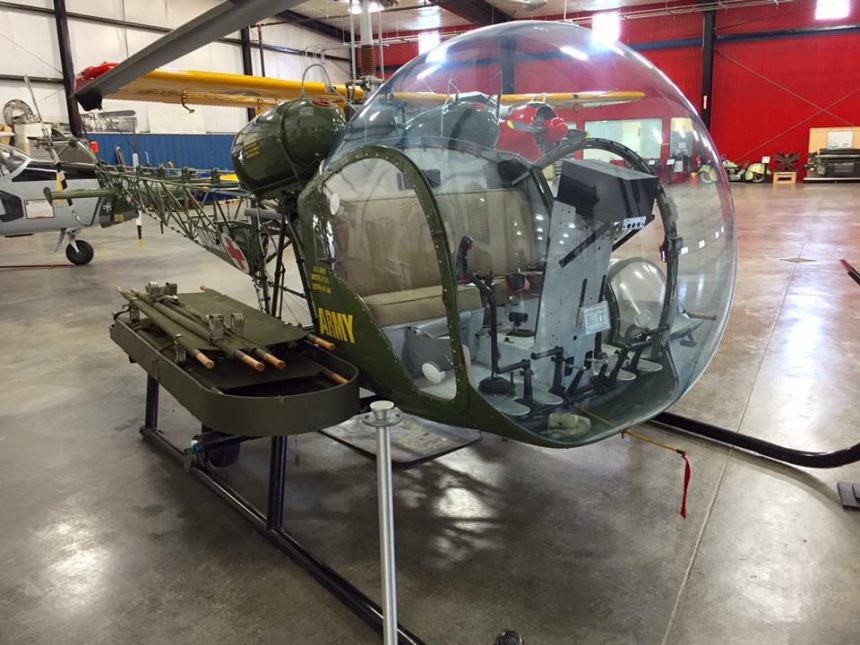
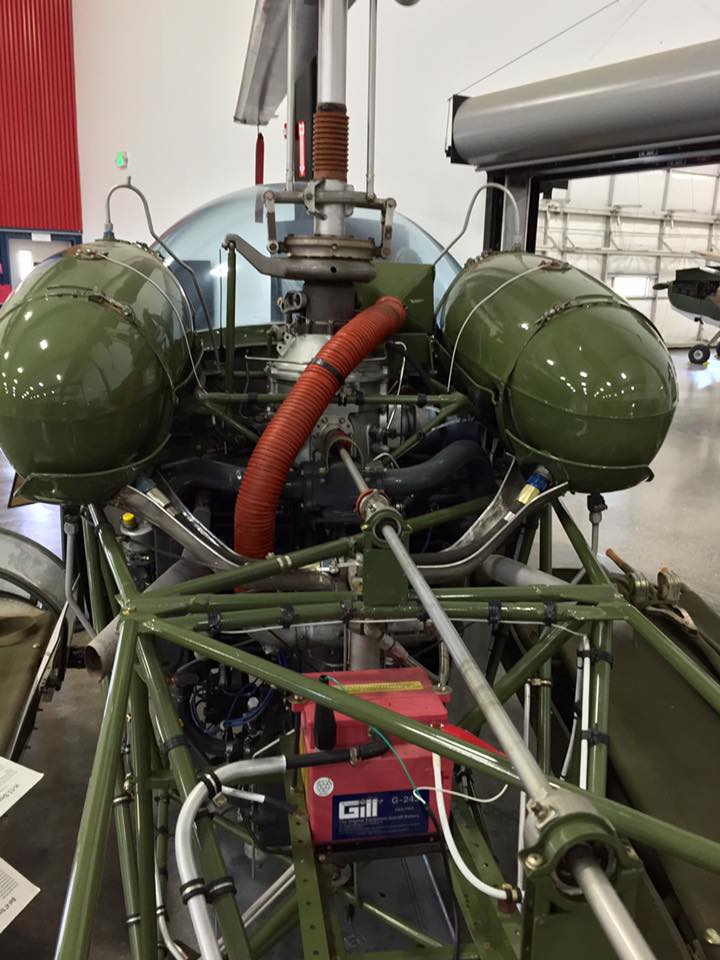
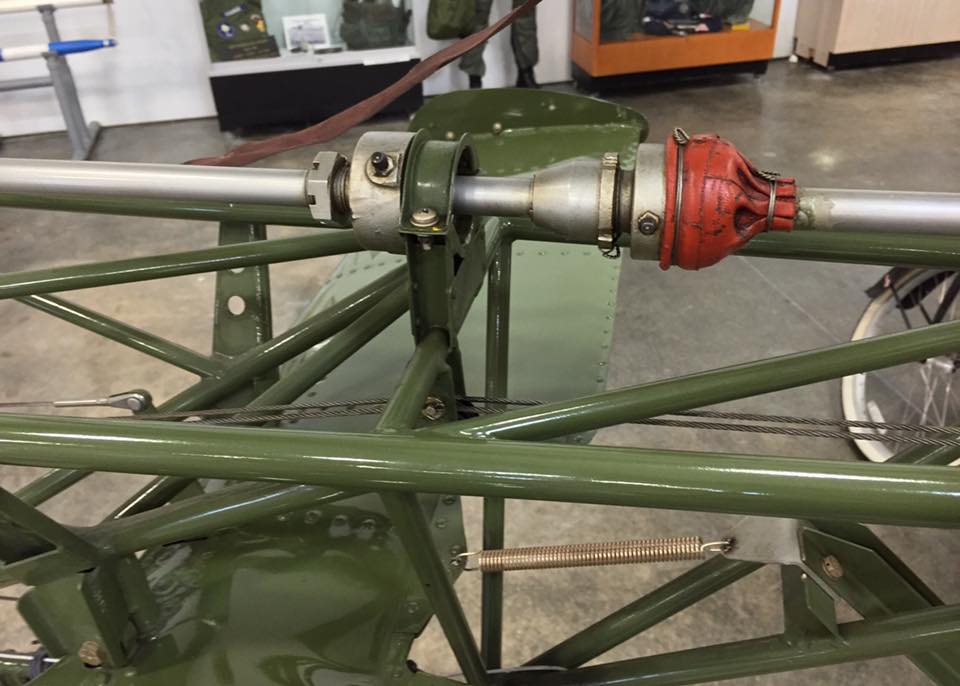
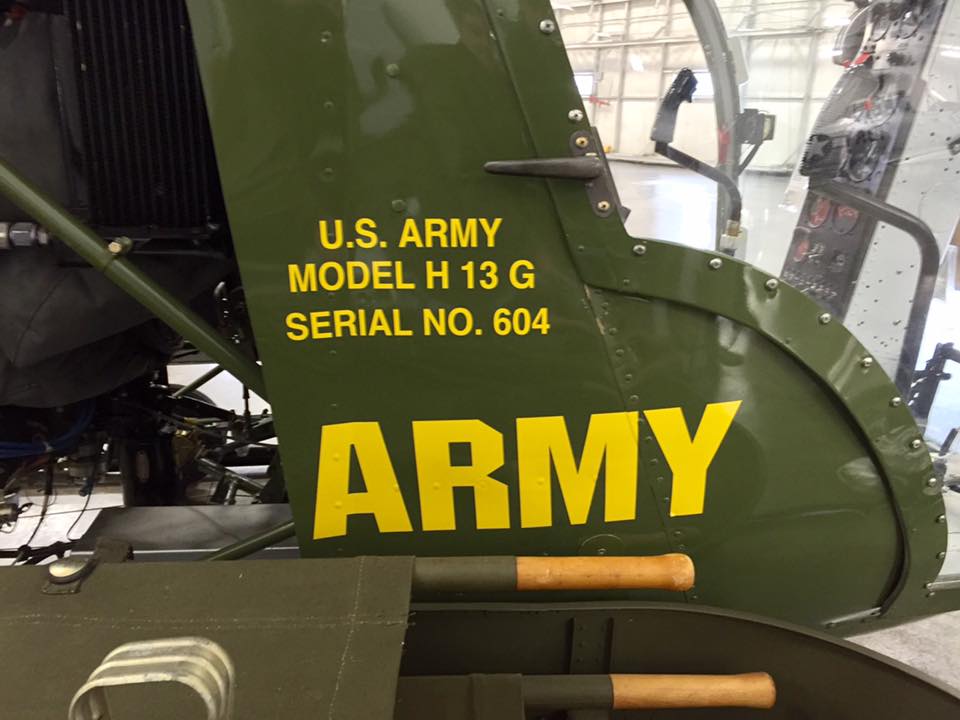
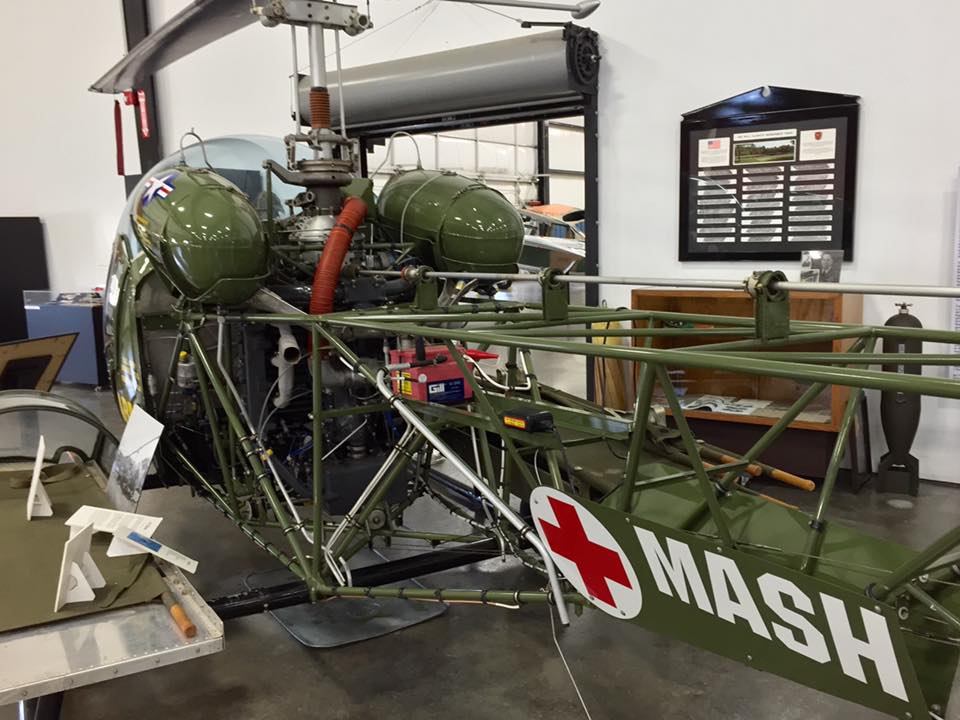
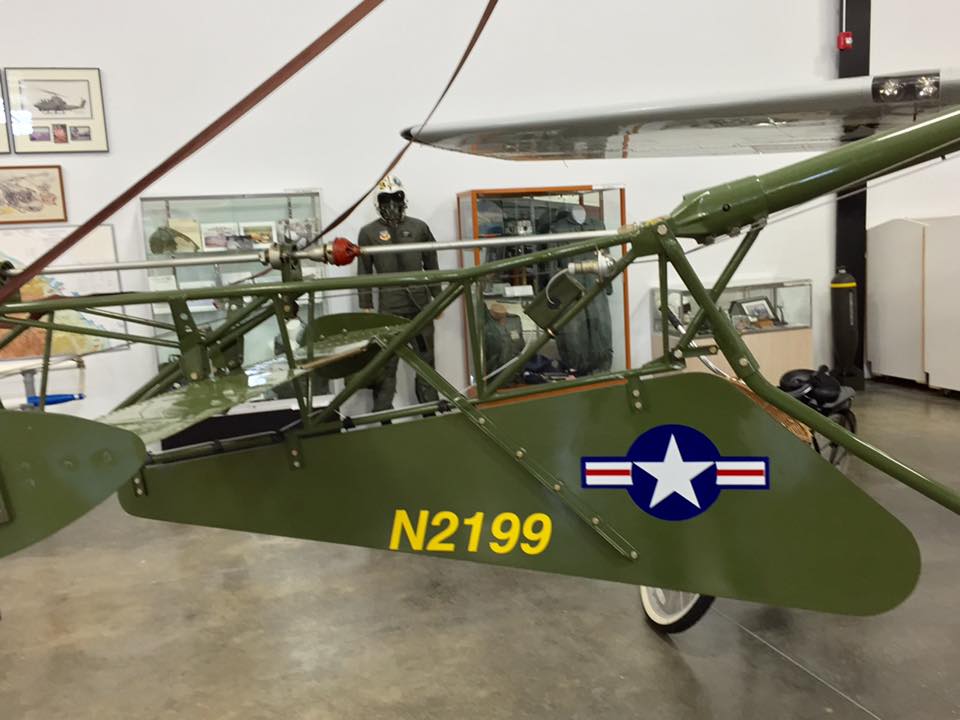
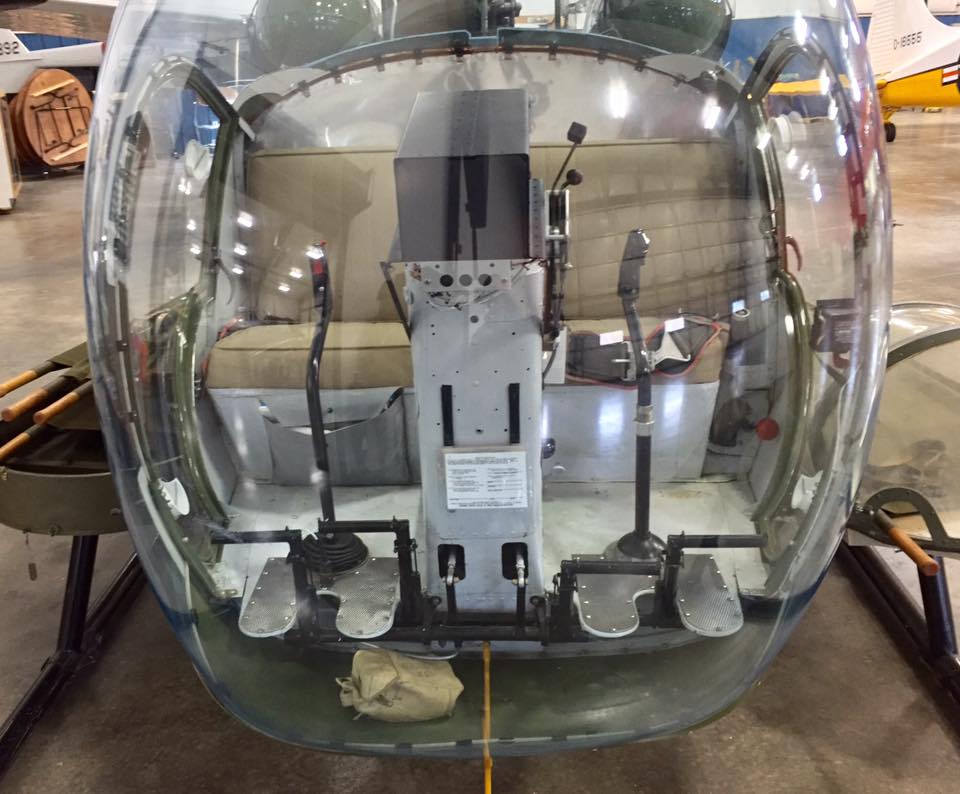
Bell H-13G (Model 47) Sioux, s/n 604, N2199. This particular aircraft was acquired by Heritage Flight Museum, now in Burlington, Washington (HFM), in 2006, in part as a result of the H-13’s use in the NASA Apollo space program. The distinguished career of HFM founder Maj. Gen. William “Bill” Anders included that as a NASA astronaut who was, among other accomplishments, part of the Apollo 8 crew. The H-13’s auto-rotation sink rate was calculated to be similar to the descent rate of the Apollo Lunar Excursion Module (LEM) and so was used to familiarize Apollo astronauts with the flight characteristics. This aircraft was not a combat veteran but has been restored to a 1950s appearance. I am not aware that it flies. My photos.
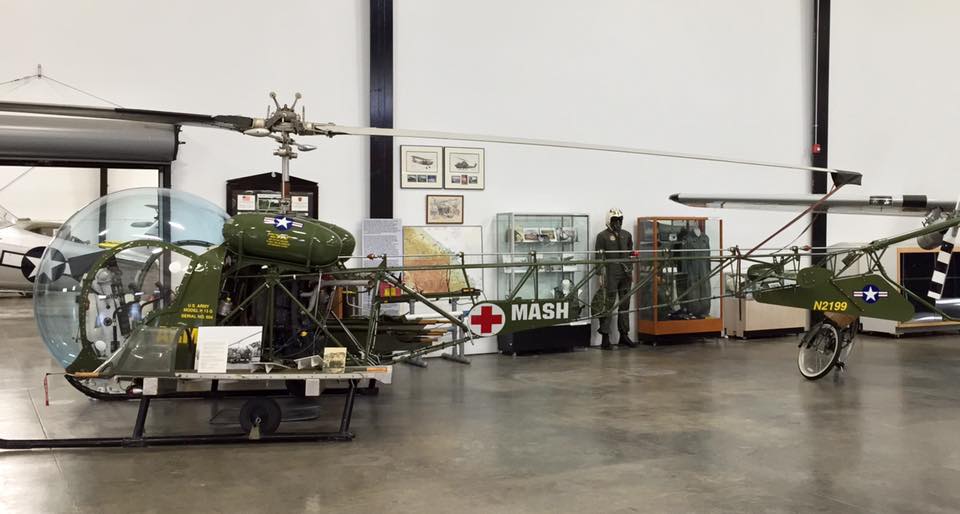
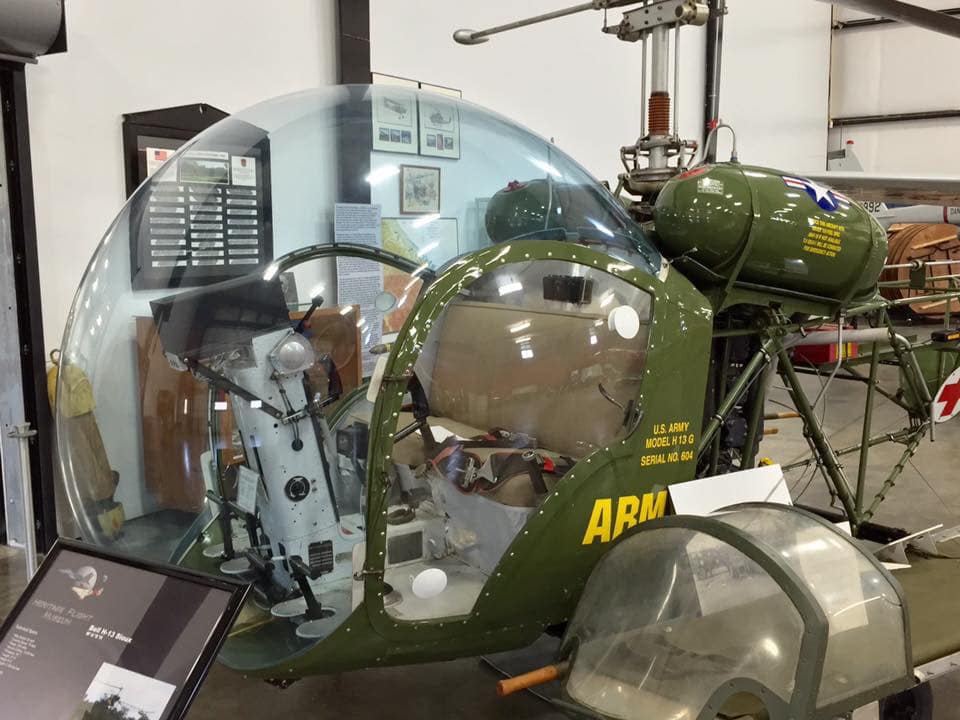
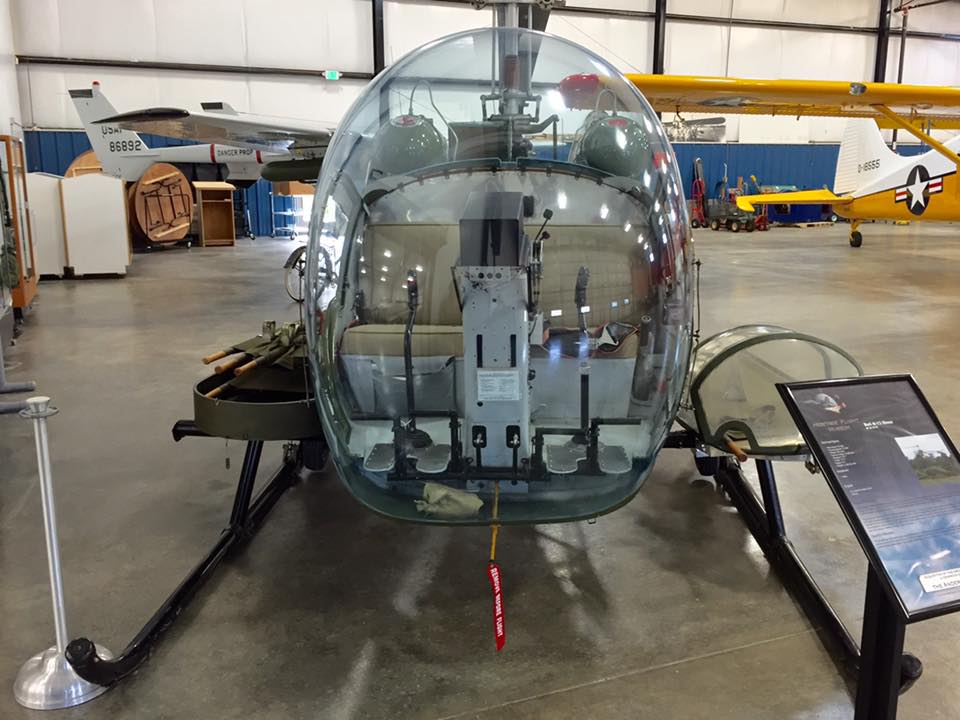
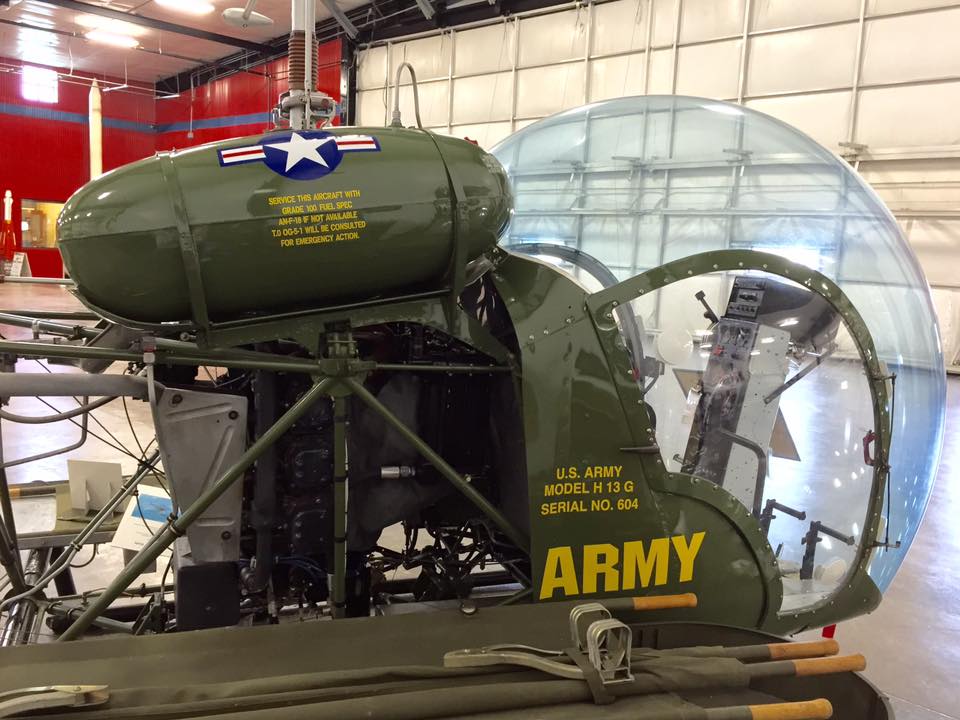
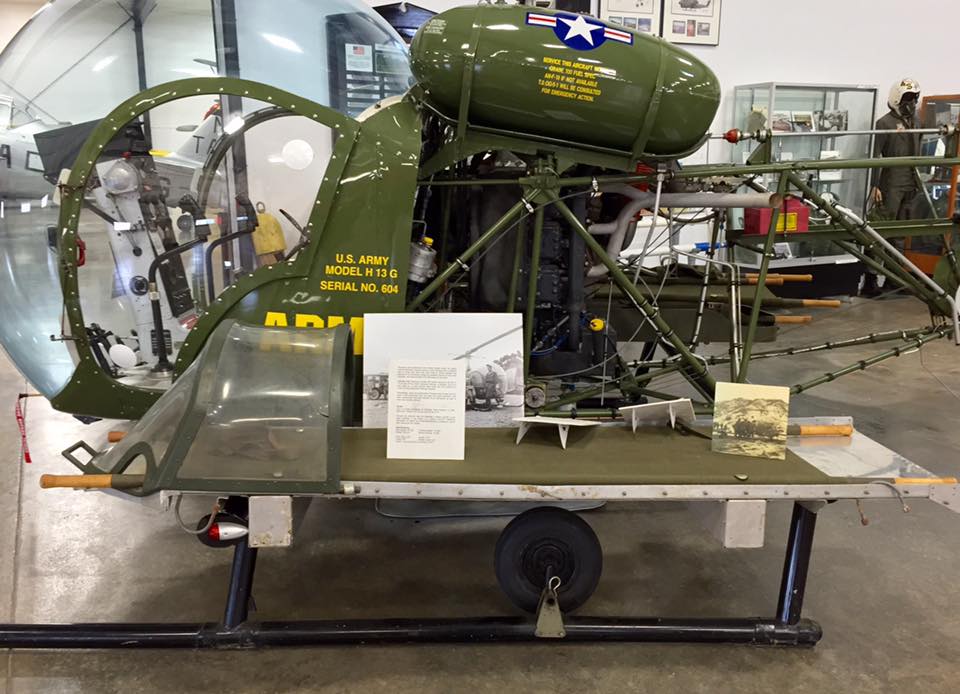
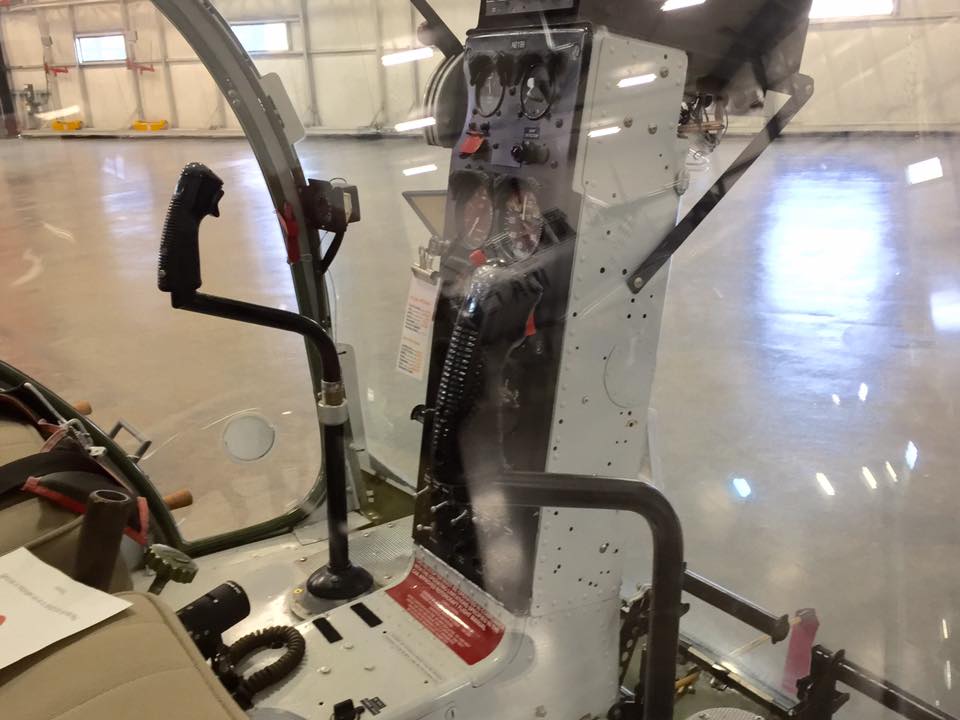
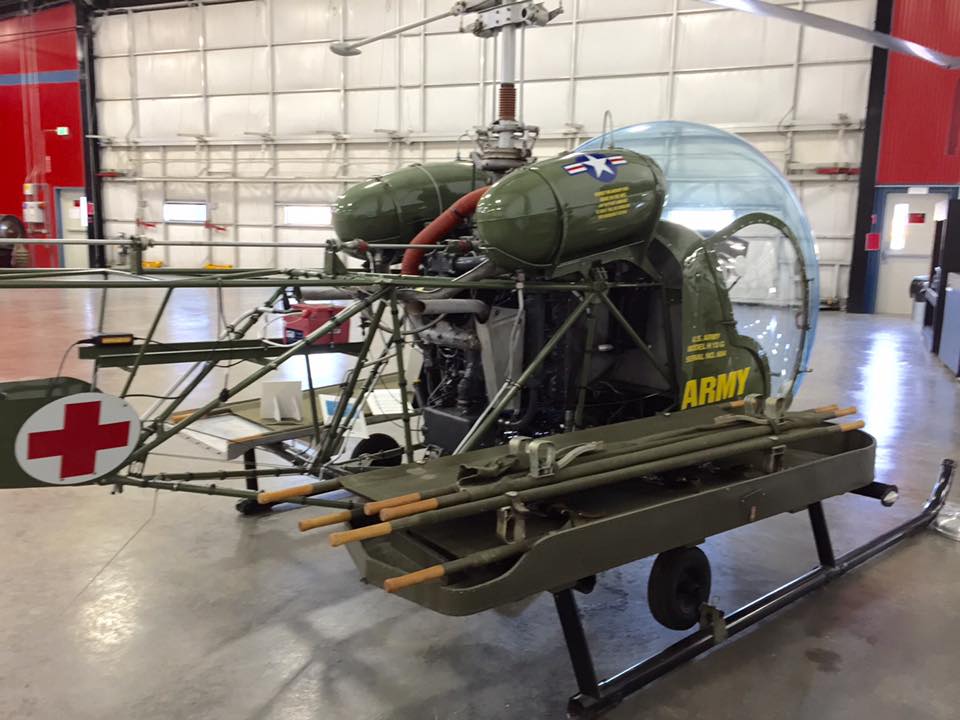
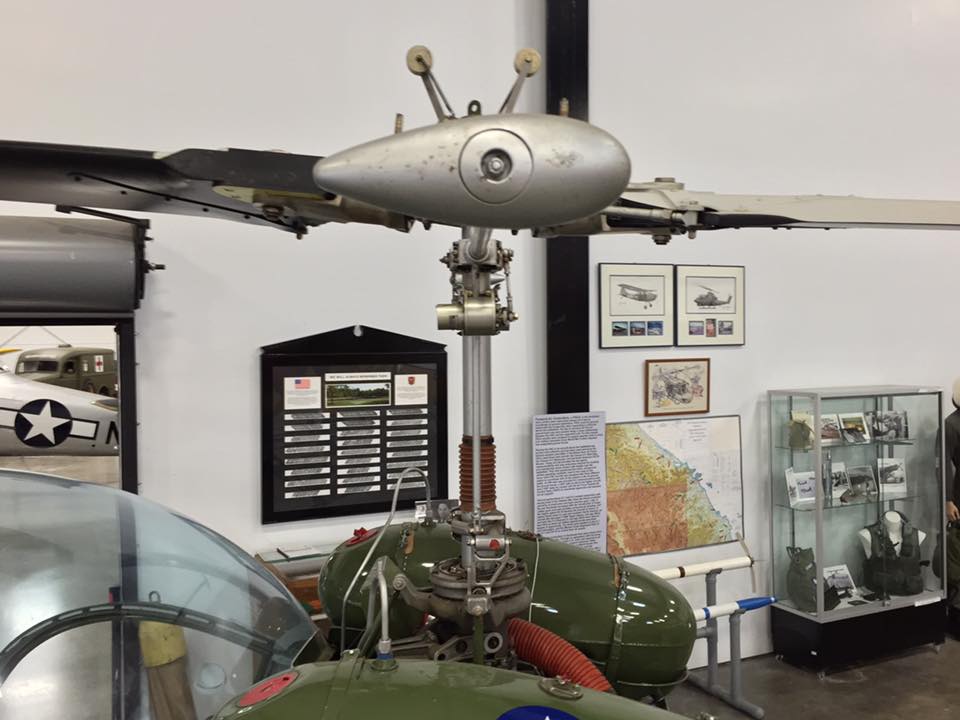
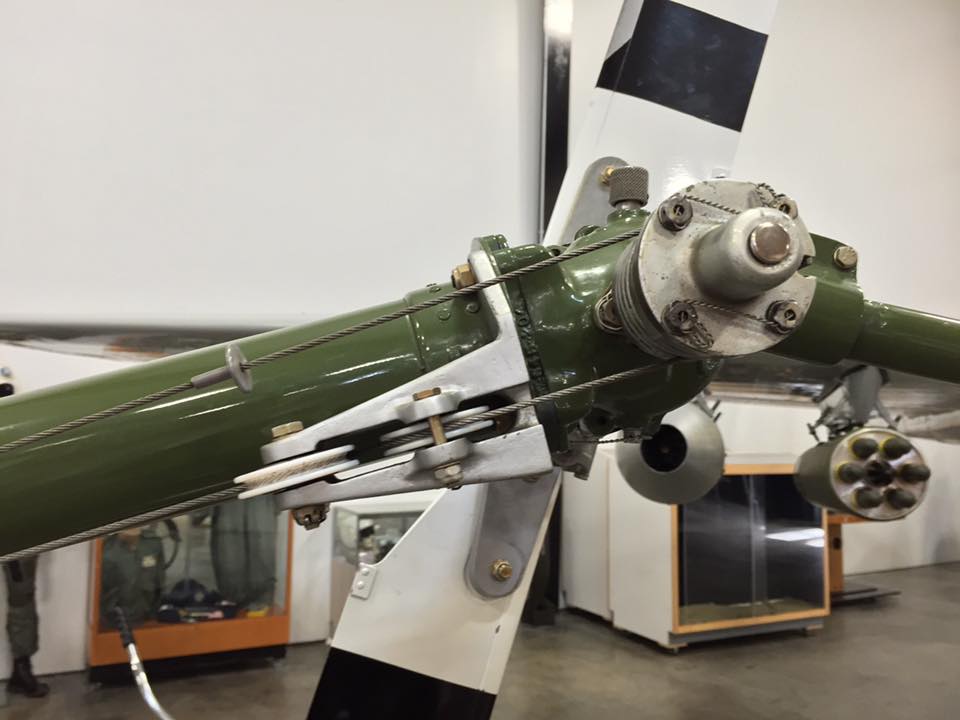
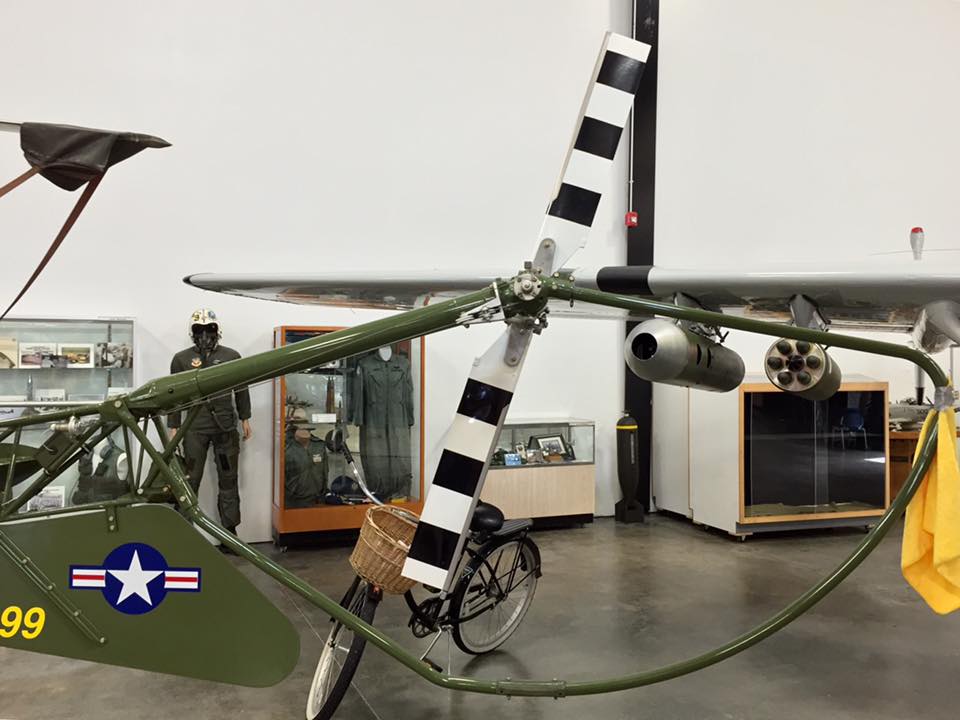
Built by Bell Helicopters as its Model 47. The U.S. Army took delivery of the first militarized versions of the aircraft in 1946 with the designation H-13, and became the U.S. Army’s first helicopter to follow its naming convention of using Native American names for aircraft by designating it the “Sioux.”

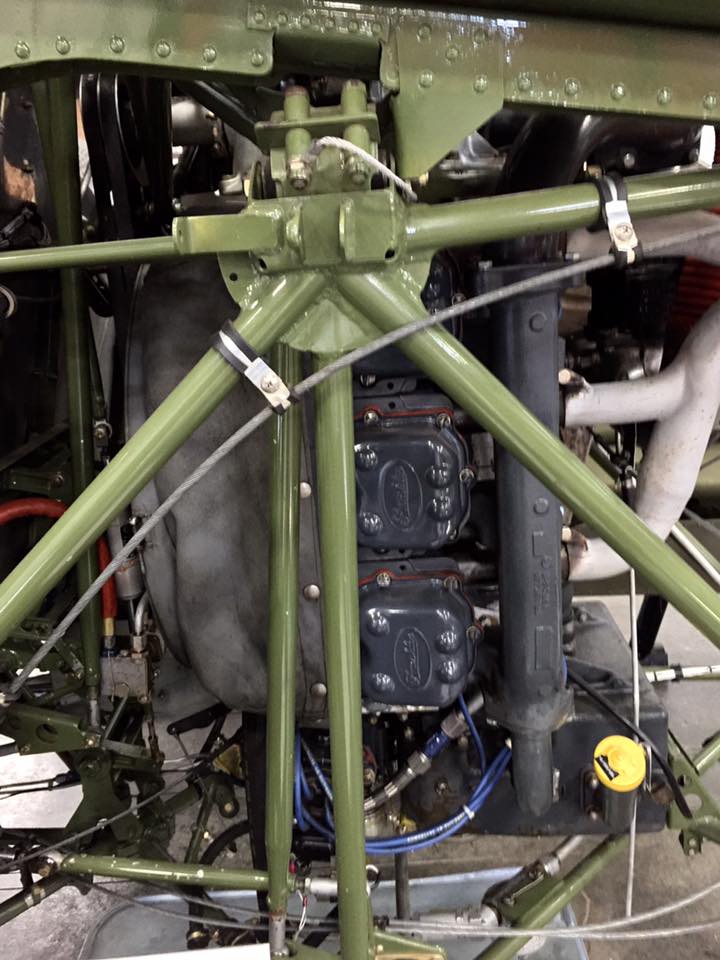
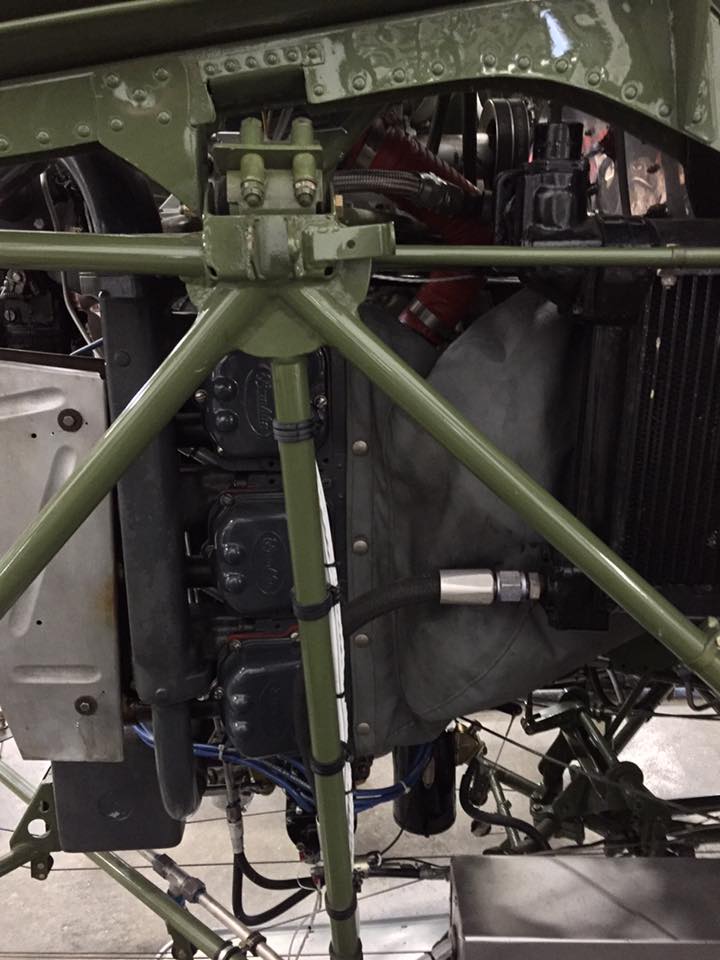
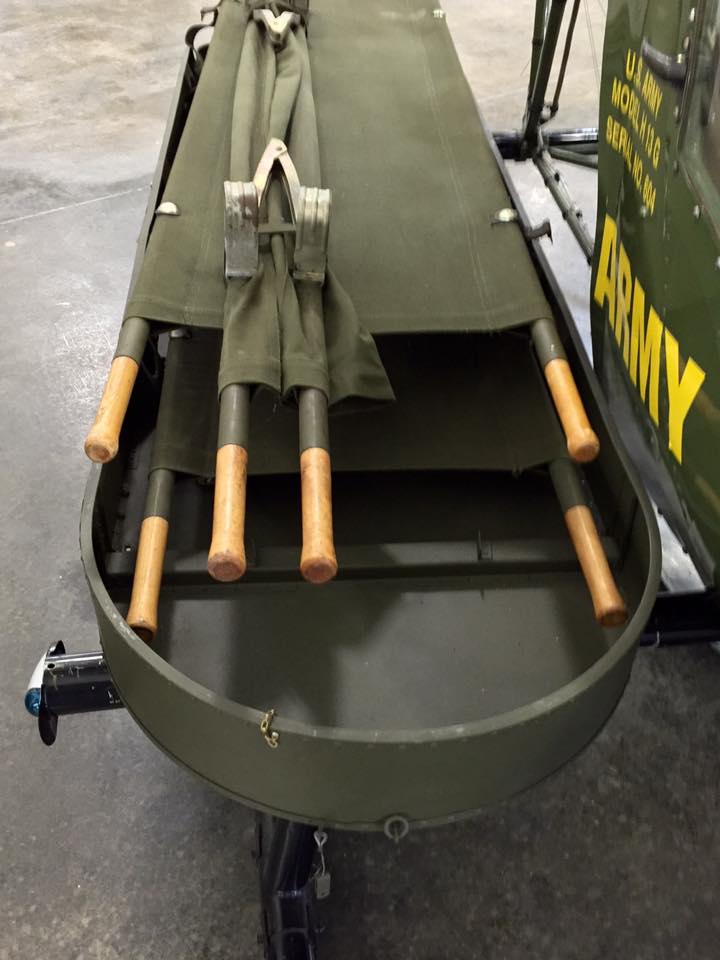
It was one of the first production helicopters to be delivered in large quantities to the U.S. military. It was used extensively in the Korean War and the Vietnam War as a utility, liaison, wire laying, reconnaissance, medical evacuation, observation aircraft, among other roles. During its lifetime, it also flew with the U.S. Navy, U.S. Air Force, U.S. Marine Corps, militaries of the British Commonwealth, and in all, more than two dozen militaries. Powerplant: Lycoming or Franklin engines. While generally unarmed in U.S. military use, some H-13s were fitted with air-to-surface rockets mounted on the skids, and/or .30 cal. machine guns.
 About the author: Randy Malmstrom grew up in a family steeped in aviation culture. His father, Bob, was still a cadet in training with the USAAF at the end of WWII, but did serve in Germany during the U.S. occupation in the immediate post-war period, where he had the opportunity to fly in a wide variety of types that flew in WWII. After returning to the States, Bob became a multi-engine aircraft sales manager and, as such, flew a wide variety of aircraft; Randy frequently accompanied him on these flights. Furthermore, Randy’s cousin, Einar Axel Malmstrom, flew P-47 Thunderbolts with the 356th FG from RAF Martlesham Heath. He was commanding this unit at the time he was shot down over France on April 24th, 1944, and spent the rest of the war as a prisoner of war. Following his repatriation at war’s end, Einar continued his military service, attaining the rank of Colonel. He was serving as Deputy Wing Commander of the 407th Strategic Fighter Wing at Great Falls AFB, MT, at the time of his death in a T-33 training accident on August 21, 1954. The base was renamed in his honor in October 1955 and continues to serve in the present USAF as home to the 341st Missile Wing. Randy’s innate interest in history in general, and aviation history in particular, plus his educational background and passion for WWII warbirds, led him down his current path of capturing detailed aircraft walk-around photos and in-depth airframe histories, recording a precise description of a particular aircraft in all aspects.