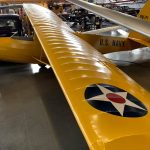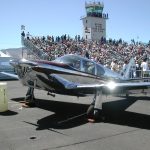
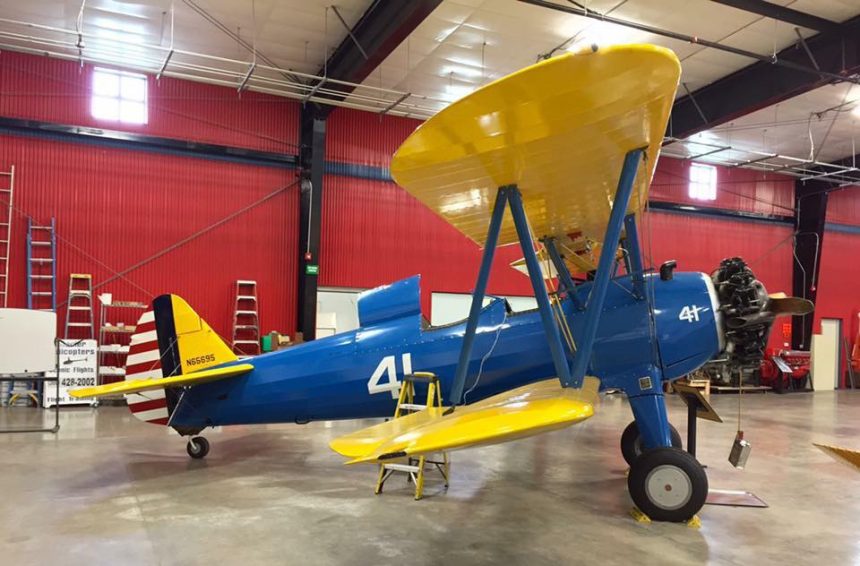

Since his childhood, Randy Malmstrom has had a passion for aviation history and historic military aircraft in particular. He has a particular penchant for documenting specific airframes with a highly detailed series of walk-around images and an in-depth exploration of their history, which have proved to be popular with many of those who have seen them, and we thought our readers would be equally fascinated too. This installment of Randy’s Warbird Profiles takes a look at the Boeing-Stearman PT-13 maintained in airworthy condition at the Heritage Flight Museum of Burlington, Washington.
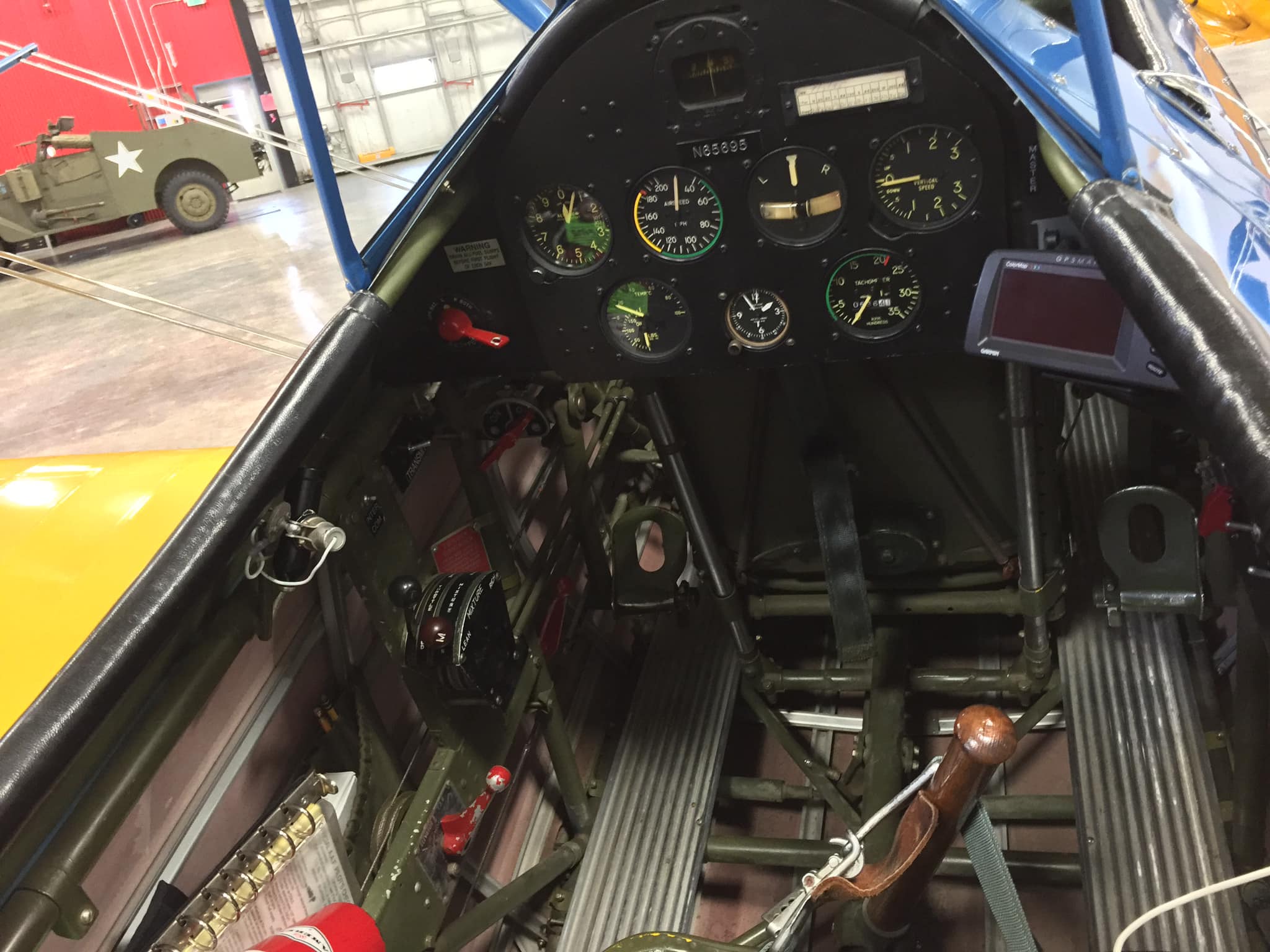
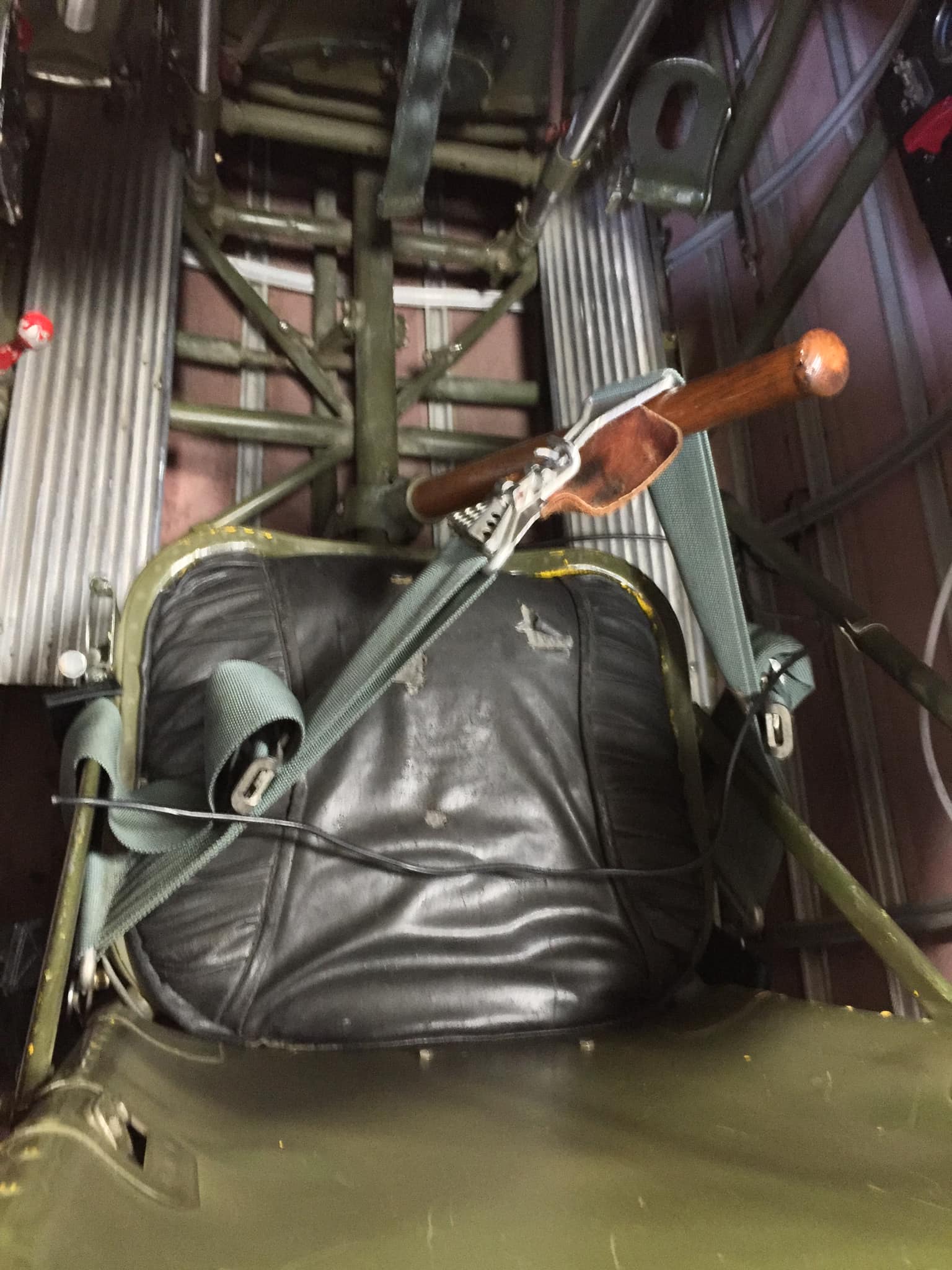
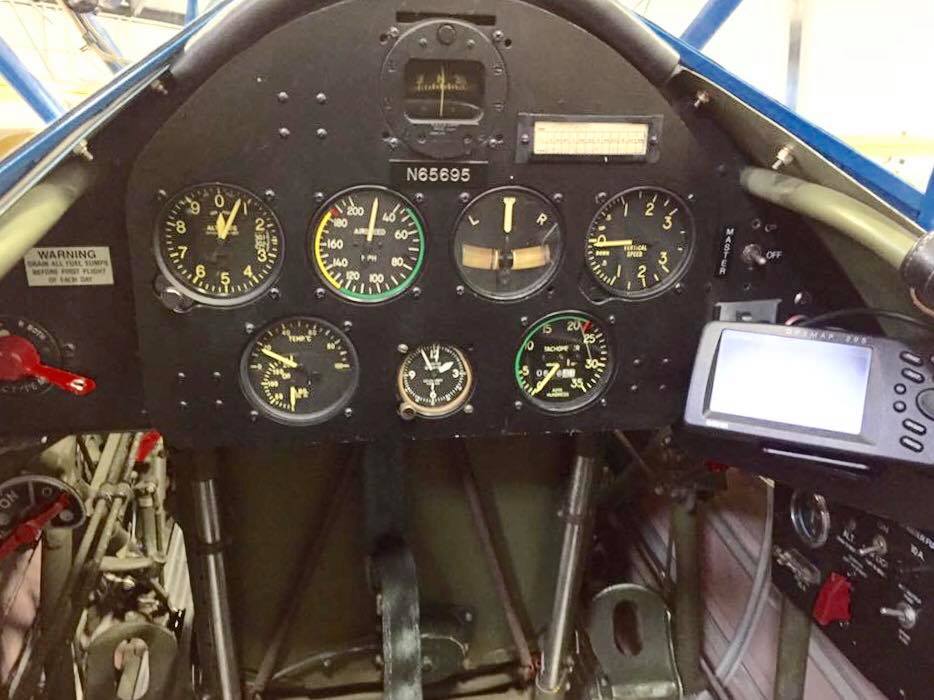
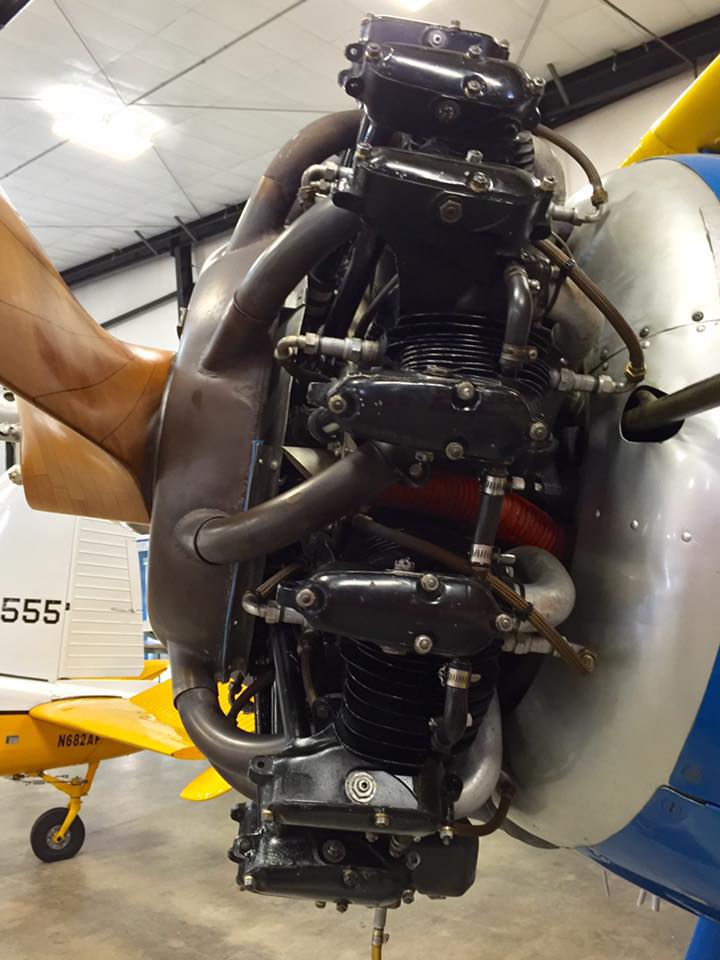
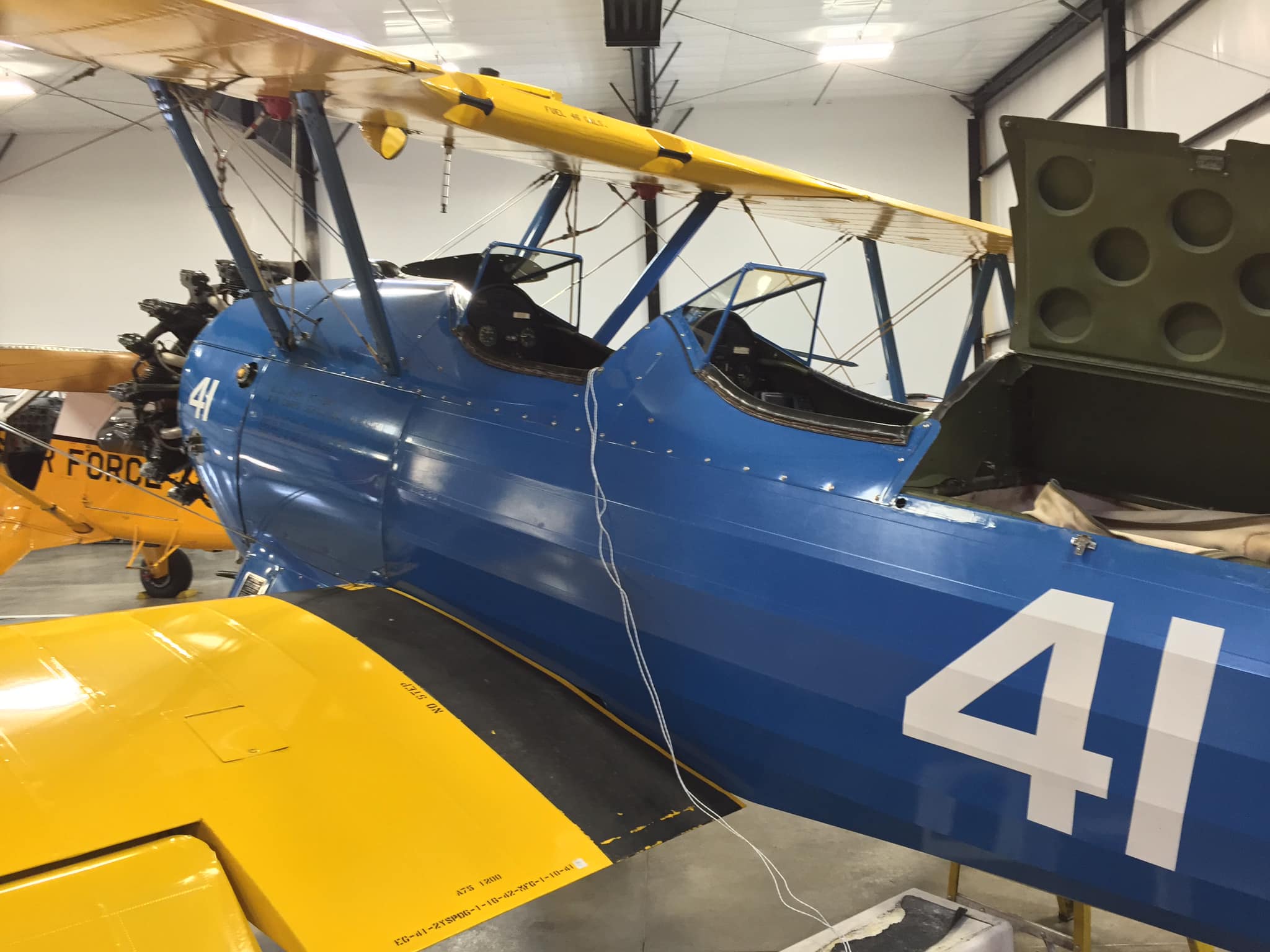
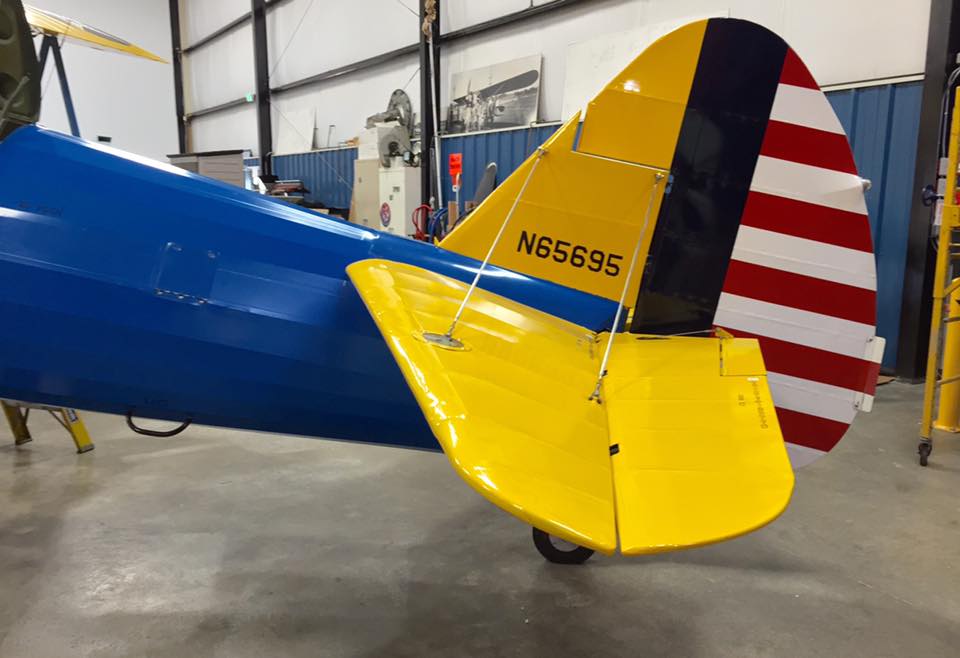
Boeing-Stearman PT-13D s/n 42-109551. I have not yet determined the history of this particular aircraft other than it was donated to the museum by founder Maj. Gen. William A. Anders in August 2000 (Gen. Anders’ distinguished career included that of a NASA Apollo 8 astronaut). Powerplant: a Lycoming R-680 engine. My photos of this airworthy aircraft at Heritage Flight Museum on Skagit Regional Airport in Burlington, Washington (north of Seattle).
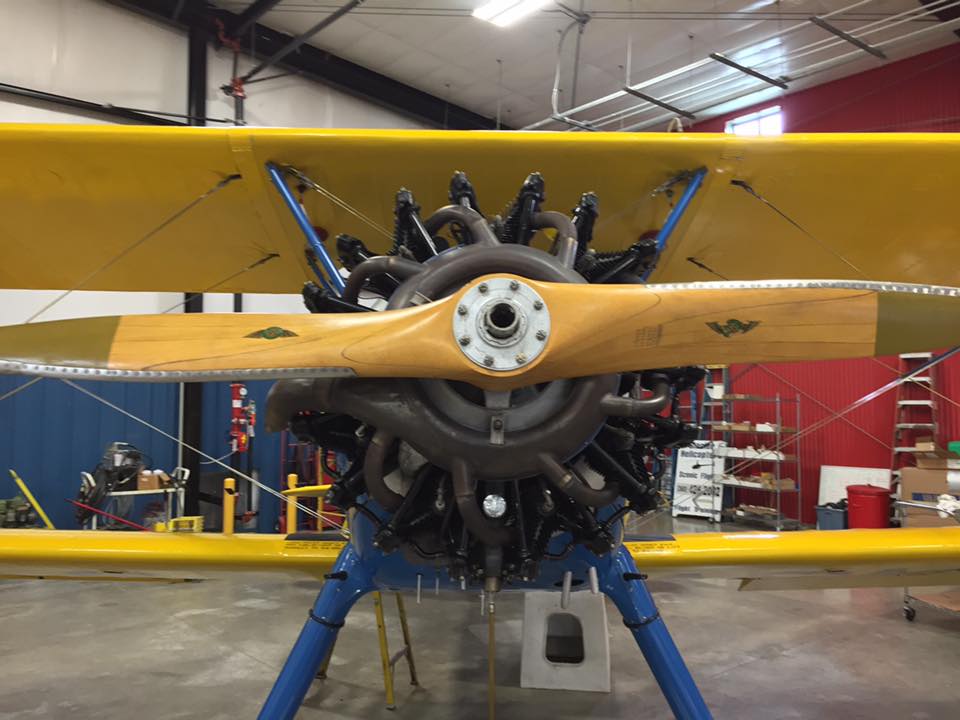

The source of the name “Kaydet” has been generally ascribed to the Royal Canadian Air Force in 1941 as a phonetic spelling of “Cadet” in reference to a military trainee. The Kaydet was designed by Stearman Aircraft Company engineers Harold Zipp and Jack Clark based on drawings of a Cloudboy (Model 6) by Lloyd Stearman and the prototype Model 70 appeared in 1933. The Stearman company had been absorbed by Boeing Aircraft in 1934 and became the Boeing Wichita Division located in Wichita, Kansas. The Kaydet was designed as a primary trainer for U.S. Army Air Corps, U.S. Navy and Royal Canadian Air Force pilots and was known as the PT-13, PT-17, PT-18, PT-27 and the N2S in the various services and was flown by many countries worldwide.
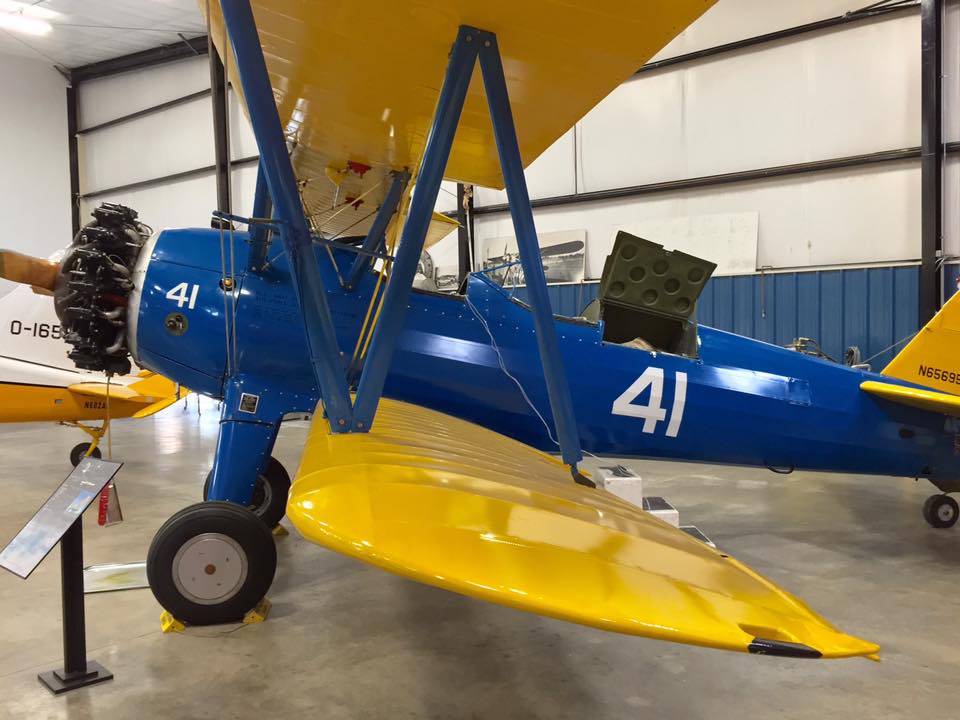
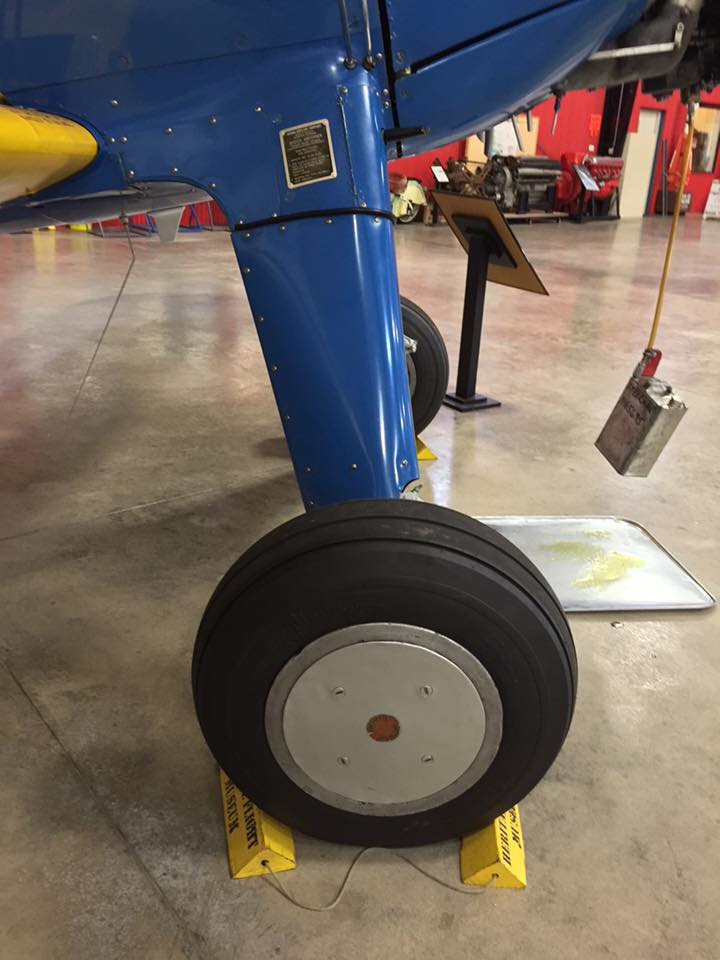
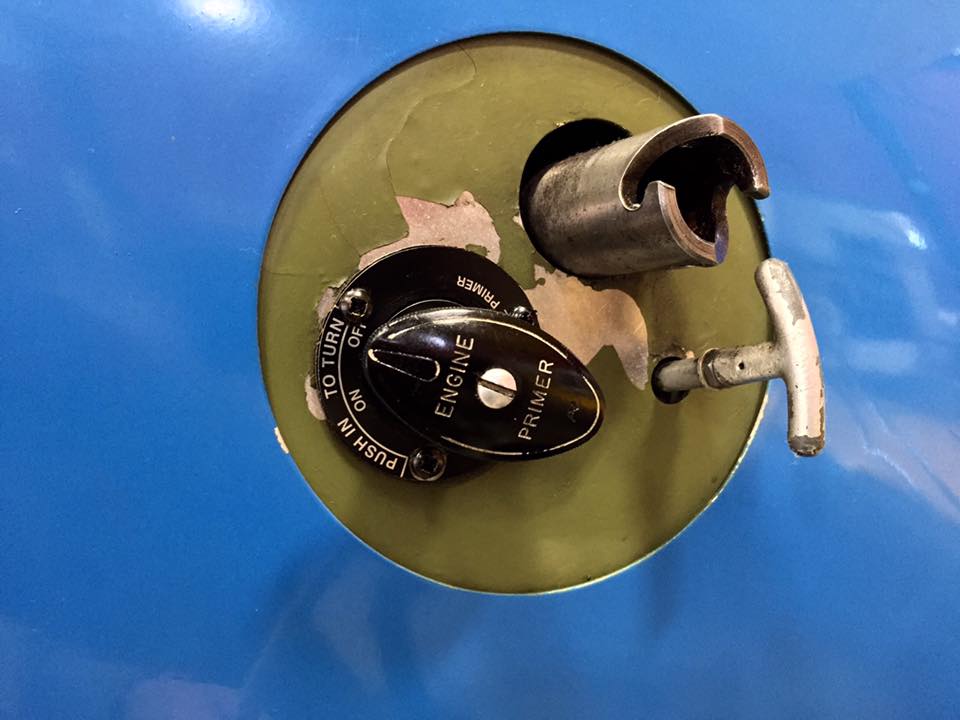
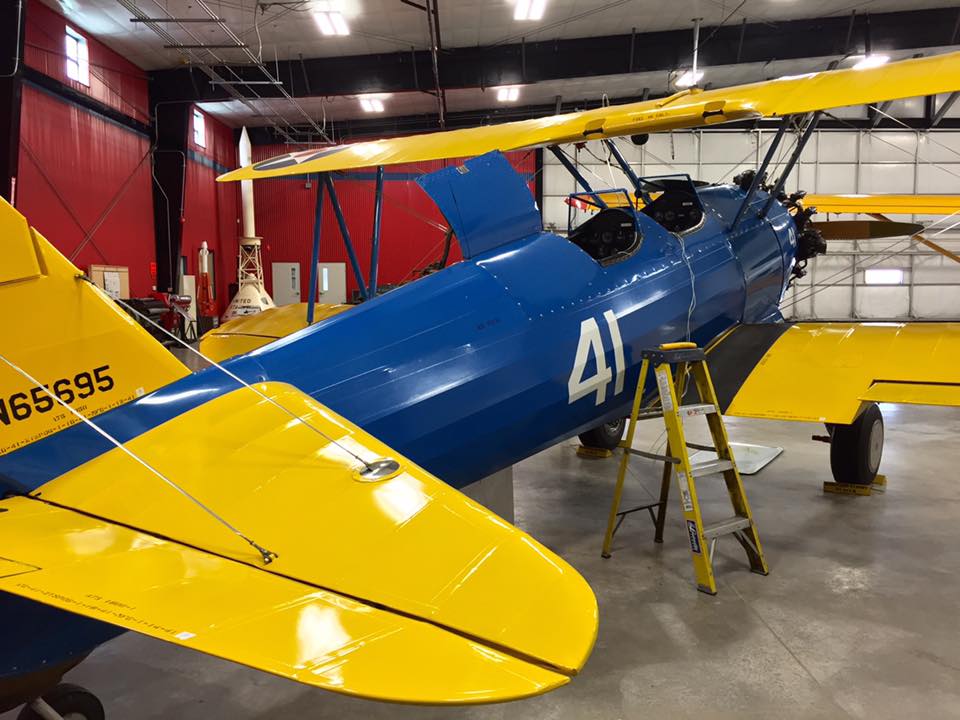
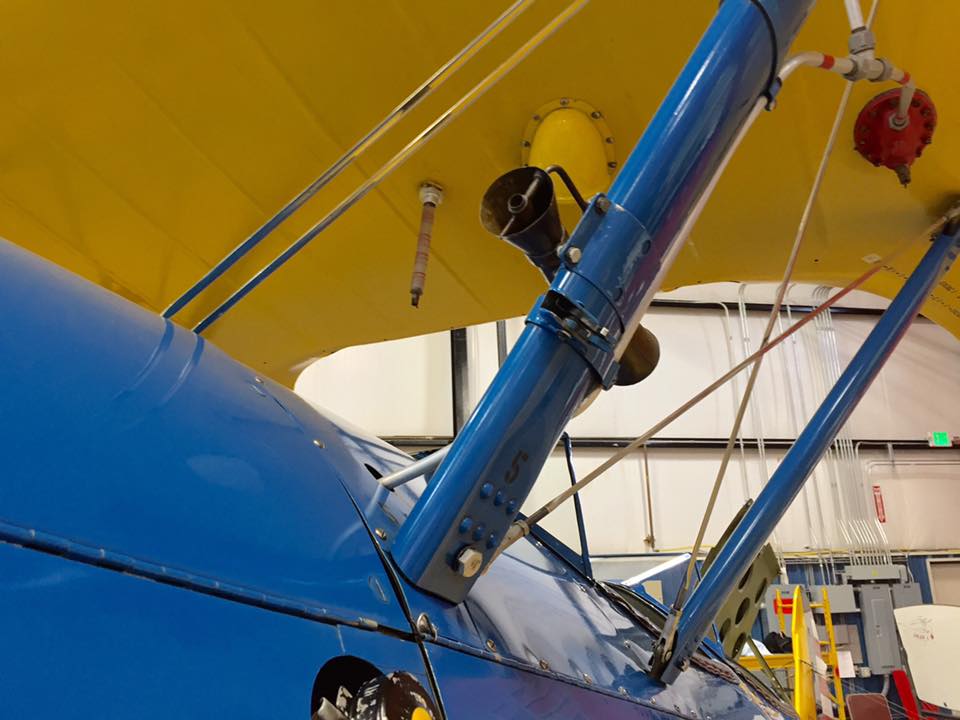
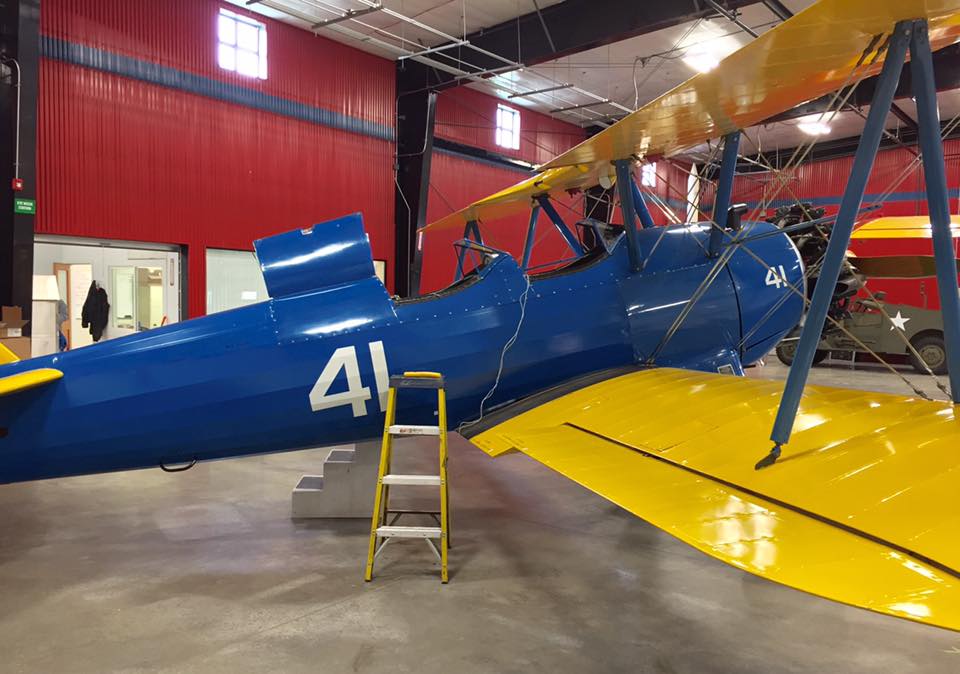
Built of fabric-covered wooden wings, over-build welded steel fuselage also covered in fabric and single-leg landing gear. Over 8,584 aircraft were built between 1936 and 1944. After World War II, the aircraft type went to civil uses such as sport aircraft and crop-dusting. A variant of the Boeing-Stearman Model 75, there were a number of engine substitutions for the Kaydet’s such as the Lycoming R-680 and Continental W-670-5 and were generally uncowled. The design of the propeller caused the tips to reach near speed-of-sound speeds during engine run-up giving the Kaydet its “growl.”
At age 18, future U.S. President George H.W. Bush became the youngest U.S. Navy pilot to earn his wings – part of his training was in U.S. Navy N2S-3, BuNo. 92468 (and as is known, he and his Avenger crew were shot down on a raid over Chichi Jima, and he survived).
Editor’s note: This aircraft, construction number 75-8584, was originally ordered for the U.S. Army Air Force as PT-13D serial number 42-109551 as part of a production contract that was eventually cancelled by the USAAF before delivery. Instead, 42-109551 was transferred to the US Navy as N2S-5 Bureau Number 43490. Accepted into the Navy on October 2, 1943, and delivered three days later, N2S-5 BuNo 43490 spent the entirety of its military career at Naval Air Station Memphis (where Millington-Memphis Airport and Naval Support Activity Mid-South now stand). On November 30, 1947, N2S-5 BuNo 43490 was officially stricken from the US Navy’s inventory and declared surplus. By 1964, it was registered to Jimmy Davis Flying Services of Nitta Yuma, Mississippi as N65695 and was employed as a crop duster. The aircraft was involved in an accident on July 23, 1970, but was later rebuilt to its original military configuration and painted in US Army Air Corps colors before being donated to the Heritage Flight Museum in 2000.
About the author  Randy Malmstrom grew up in a family steeped in aviation culture. His father, Bob, was still a cadet in training with the USAAF at the end of WWII, but did serve in Germany during the U.S. occupation in the immediate post-war period, where he had the opportunity to fly in a wide variety of types which flew in WWII. After returning to the States, Bob became a multi-engine aircraft sales manager and as such flew a wide variety of aircraft; Randy frequently accompanied him on these flights. Furthermore, Randy’s cousin, Einar Axel Malmstrom flew P-47 Thunderbolts with the 356th FG from RAF Martlesham Heath. He was commanding this unit at the time he was shot down over France on April 24th, 1944, spending the rest of the war as a prisoner of war. Following his repatriation at war’s end, Einar continued his military service, attaining the rank of Colonel. He was serving as Deputy Wing Commander of the 407th Strategic Fighter Wing at Great Falls AFB, MT at the time of his death in a T-33 training accident on August 21, 1954. The base was renamed in his honor in October 1955 and continues to serve in the present USAF as home to the 341st Missile Wing. Randy’s innate interest in history in general, and aviation history in particular, plus his educational background and passion for WWII warbirds, led him down his current path of capturing detailed aircraft walk-around photos and in-depth airframe histories, recording a precise description of a particular aircraft in all aspects.