
By Kevin Wilkins
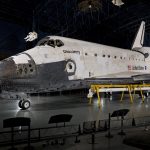
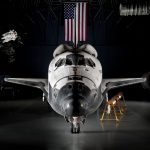
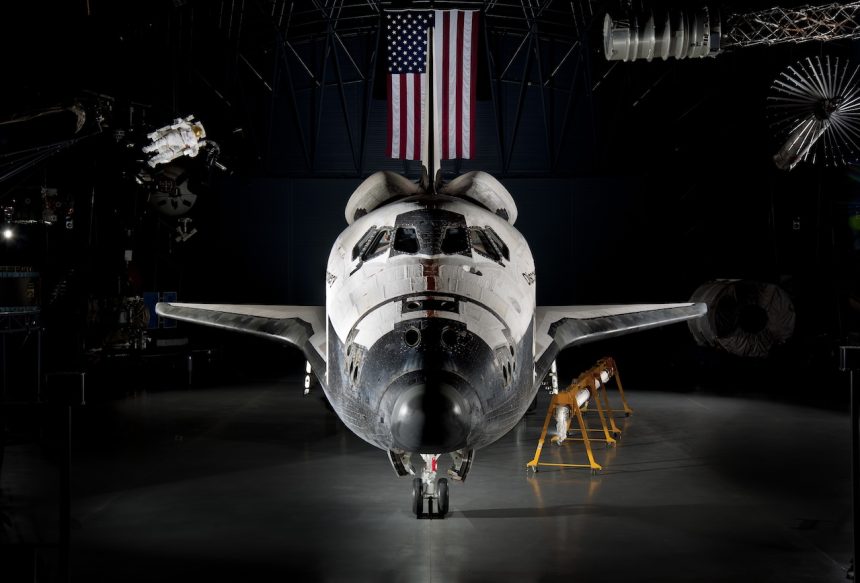
NASA Administrator Jared Isaacman has halted a proposal to move the Space Shuttle Discovery from the Smithsonian’s Udvar-Hazy Center to Houston, reversing an approval issued in August 2025 by former acting administrator Sean Duffy. Although a provision in the so-called “Big Beautiful Bill” appeared to mandate transferring a flown, crewed spacecraft to a NASA field center associated with the Commercial Crew Program—widely interpreted as Discovery—NASA and the Smithsonian have determined that such a relocation would be impractical and potentially damaging. When Congress quietly approved $85 million last year to facilitate the possible relocation of Space Shuttle Discovery from the Smithsonian’s National Air and Space Museum to Houston, the decision sparked immediate concern among historians, museum professionals, and the broader public. Vintage Aviation News covered the issue in detail HERE, HERE and followed up HERE. At the heart of the debate is a fundamental question: should one of America’s most historically significant and widely flown spacecraft be removed from the nation’s premier aerospace museum for political reasons? Preservation experts and advocates have consistently warned that relocating Discovery would place both an irreplaceable artifact and established standards of national heritage preservation at serious risk.
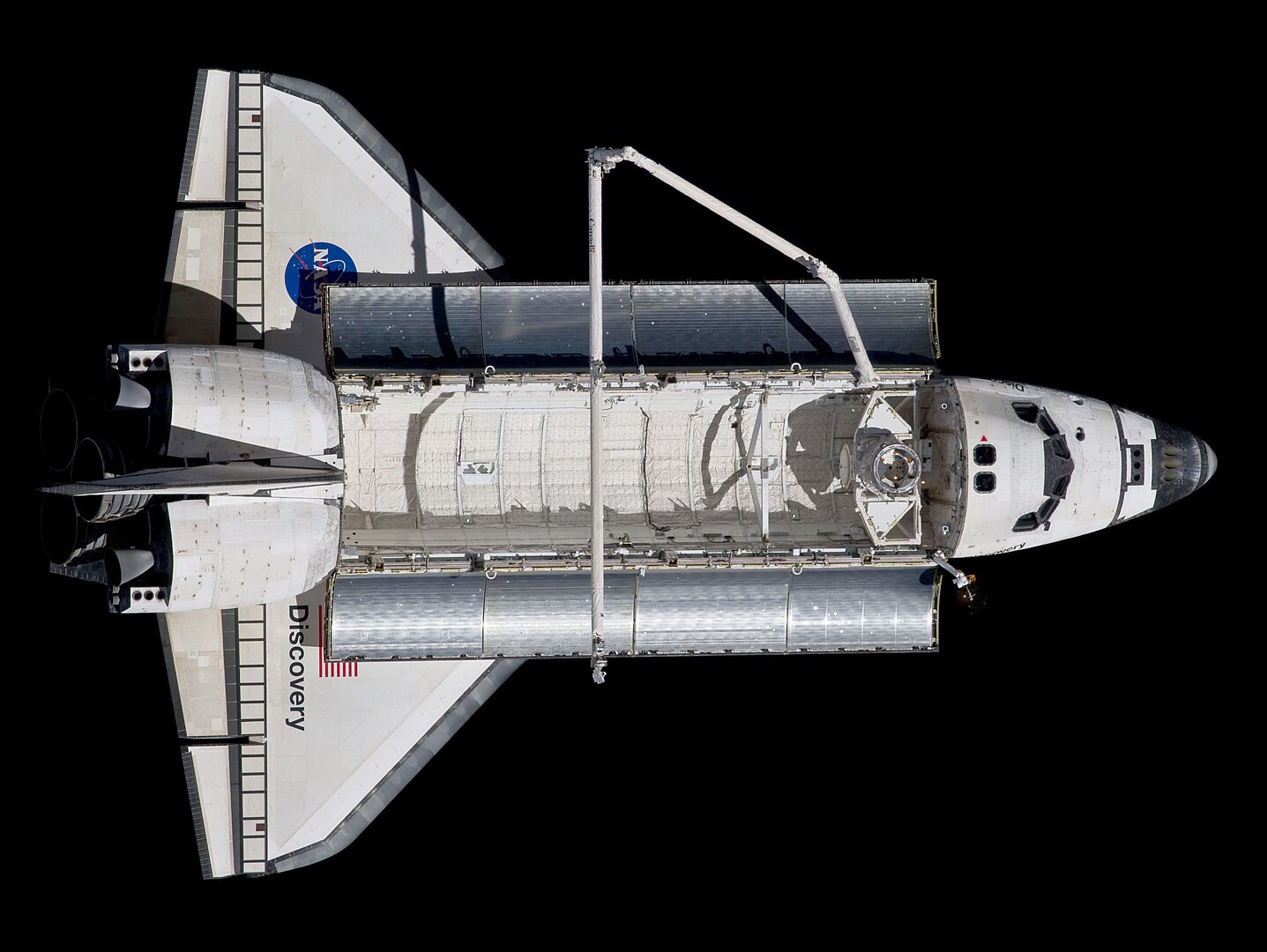
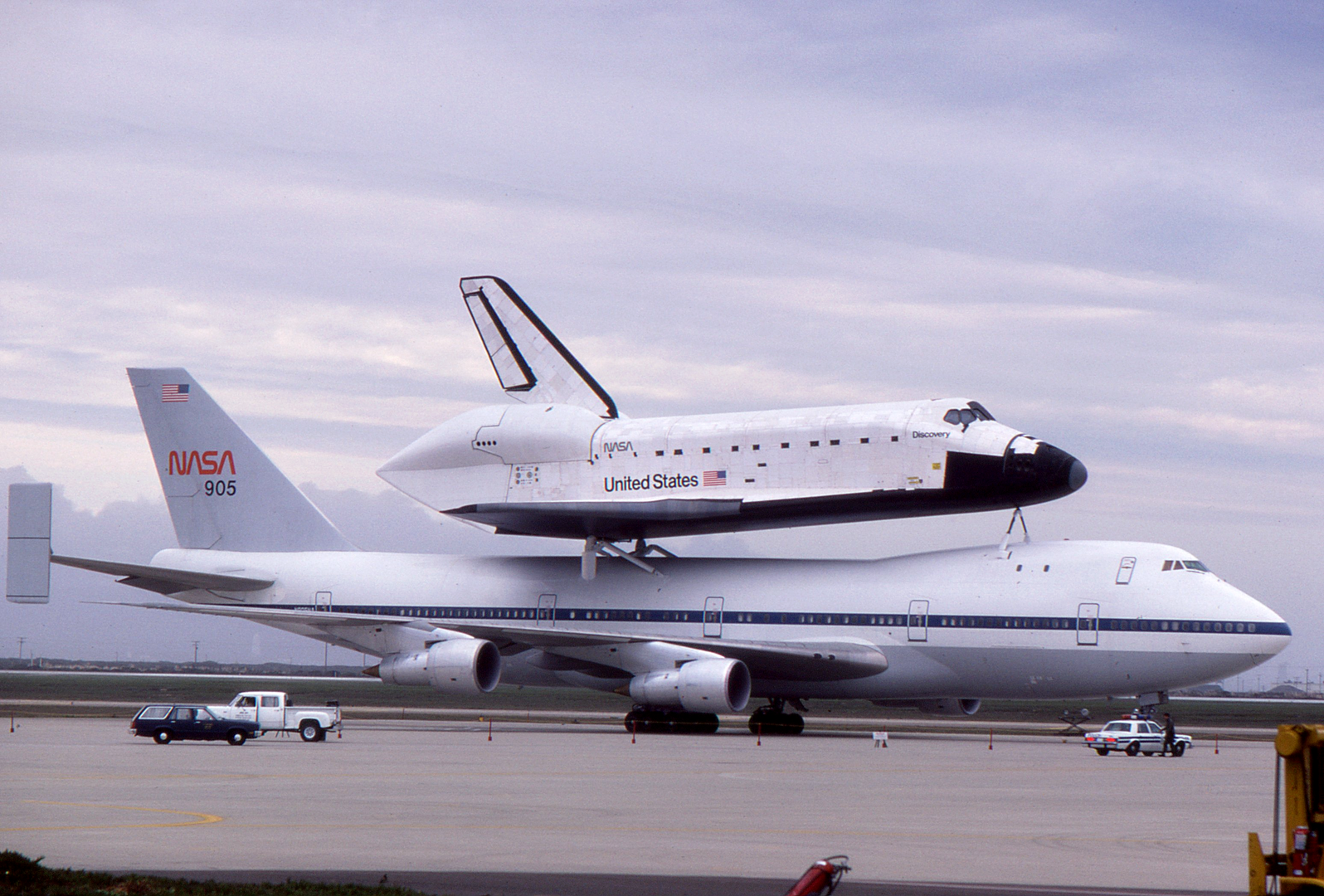
According to Space.com, the cost of moving Discovery would likely range between $120 million and $150 million—well beyond the $85 million allocated for both the relocation and construction of a new display facility. Compounding the issue, the two Boeing 747 Shuttle Carrier Aircraft are no longer operational museum artifacts themselves. As a result, the only feasible method of transport would involve dismantling Discovery for shipment by land and sea, a process that would cause irreversible damage to the orbiter and compromise its historical integrity.
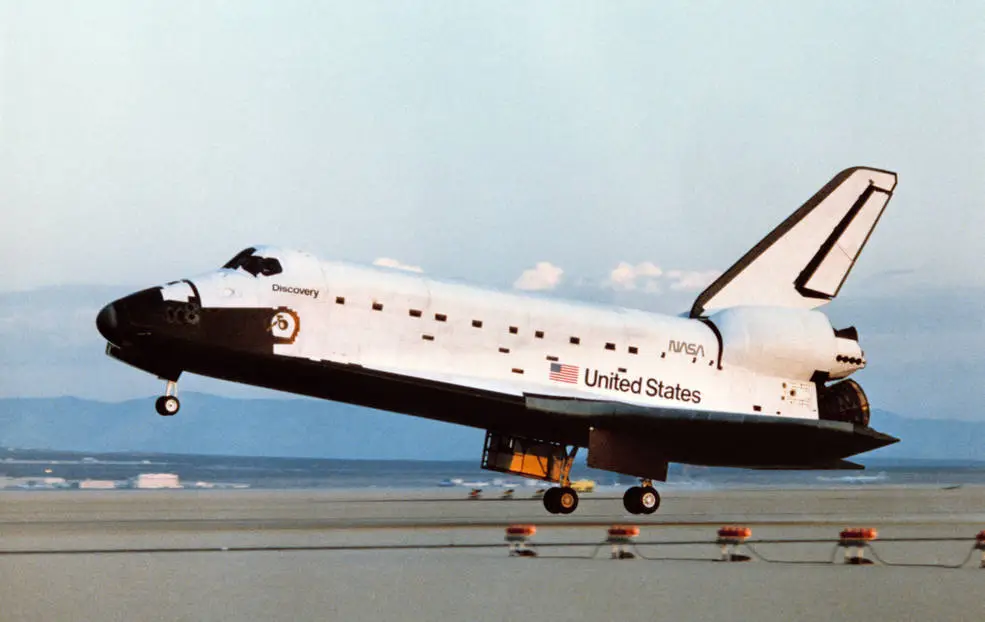
In response to NASA’s and the Smithsonian’s findings, Texas Senators Ted Cruz and John Cornyn have launched an investigation into the Smithsonian, accusing the institution of obstructing the implementation of the legislation. We followed up with Joe Stief of KeepTheShuttle.org, who expressed cautious optimism about Isaacman’s decision. “This is obviously encouraging news. Administrator Isaacman is correctly stating that the cost and damage to Discovery may be problematic—because they unquestionably will be,” Stief said. “NASA and the Smithsonian’s minimum estimate to move the shuttle is $120 million to $150 million, and Discovery would have to be cut into pieces to accomplish it. That would cause irreparable damage to numerous preserved systems, most notably the thermal protection system’s black tiles and white blankets.”
Stief also noted that Isaacman’s position may not represent a complete reversal of past thinking at NASA. “His predecessor, Sean Duffy, refused for months to state which spacecraft would be sent to Houston—perhaps because he understood that the cost and logistics, among other issues, would be major hurdles.” However, Stief cautioned that the issue is far from settled. “This fight isn’t over. Senators Cornyn and Cruz have made it very clear for nearly a year that Discovery is their specific target, and I expect they will push back. They may attempt to pressure Administrator Isaacman, seek additional funding for the relocation, or pursue other avenues.” “With that in mind,” he added, “we’re going to stay involved and oppose any further funding, while working with federal, state, and local allies to raise additional roadblocks wherever possible. The law requires that a spacecraft transfer occur by January 2027 under the OBBBA, so this will likely remain an active story for at least another year.”