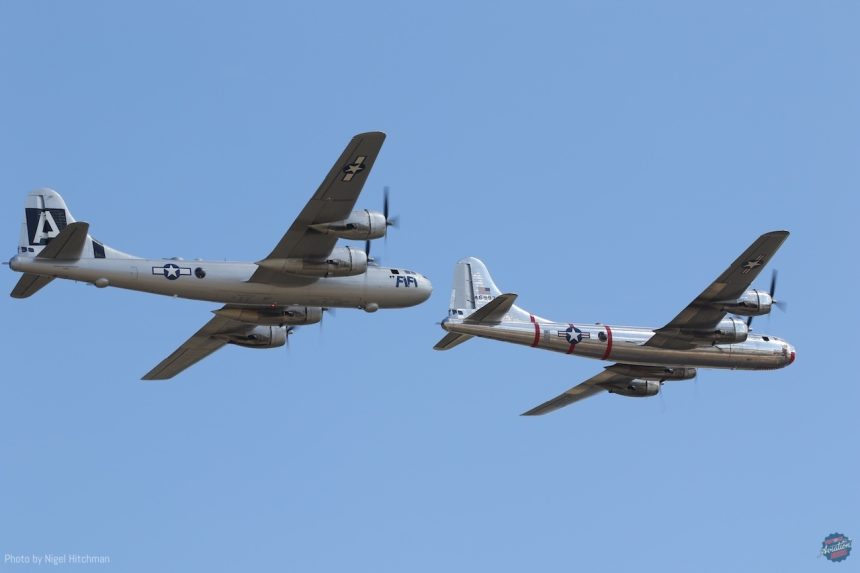

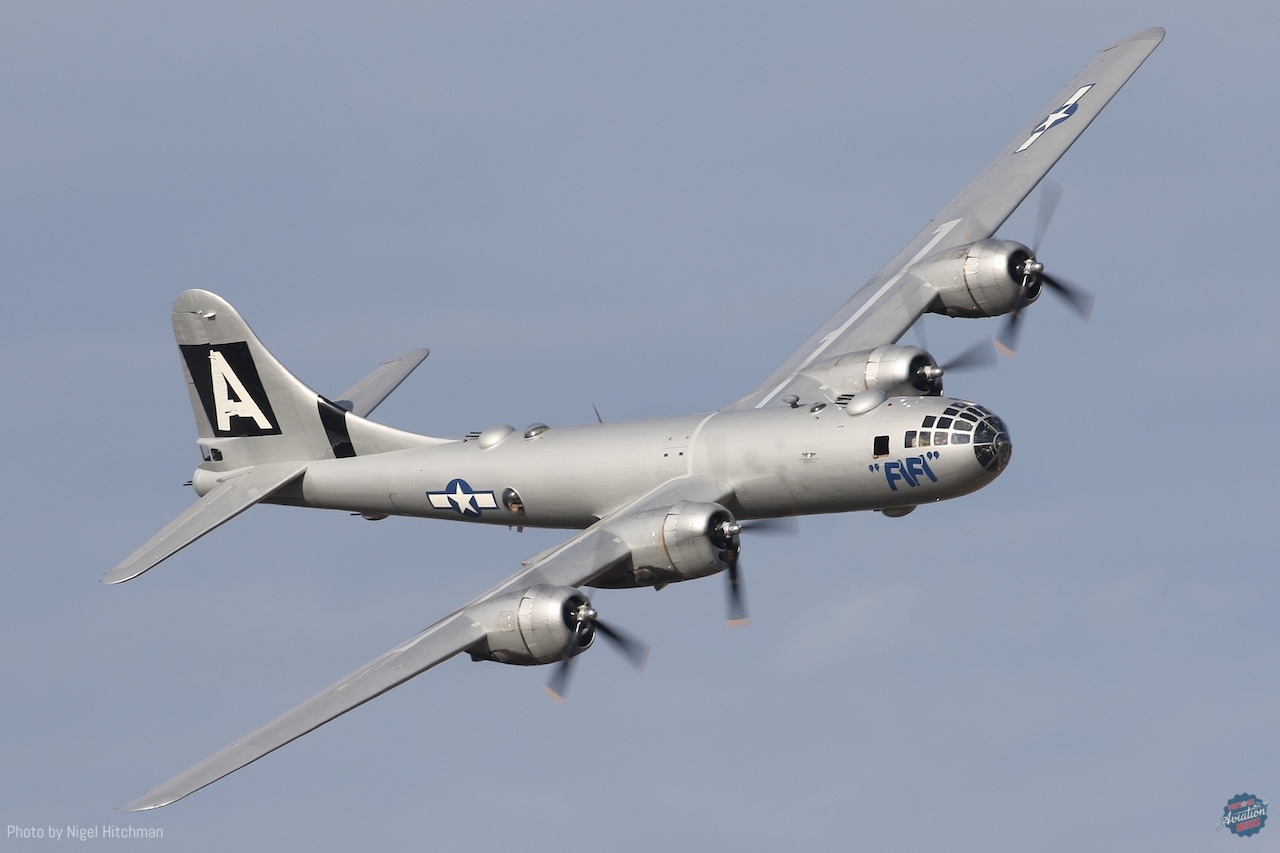
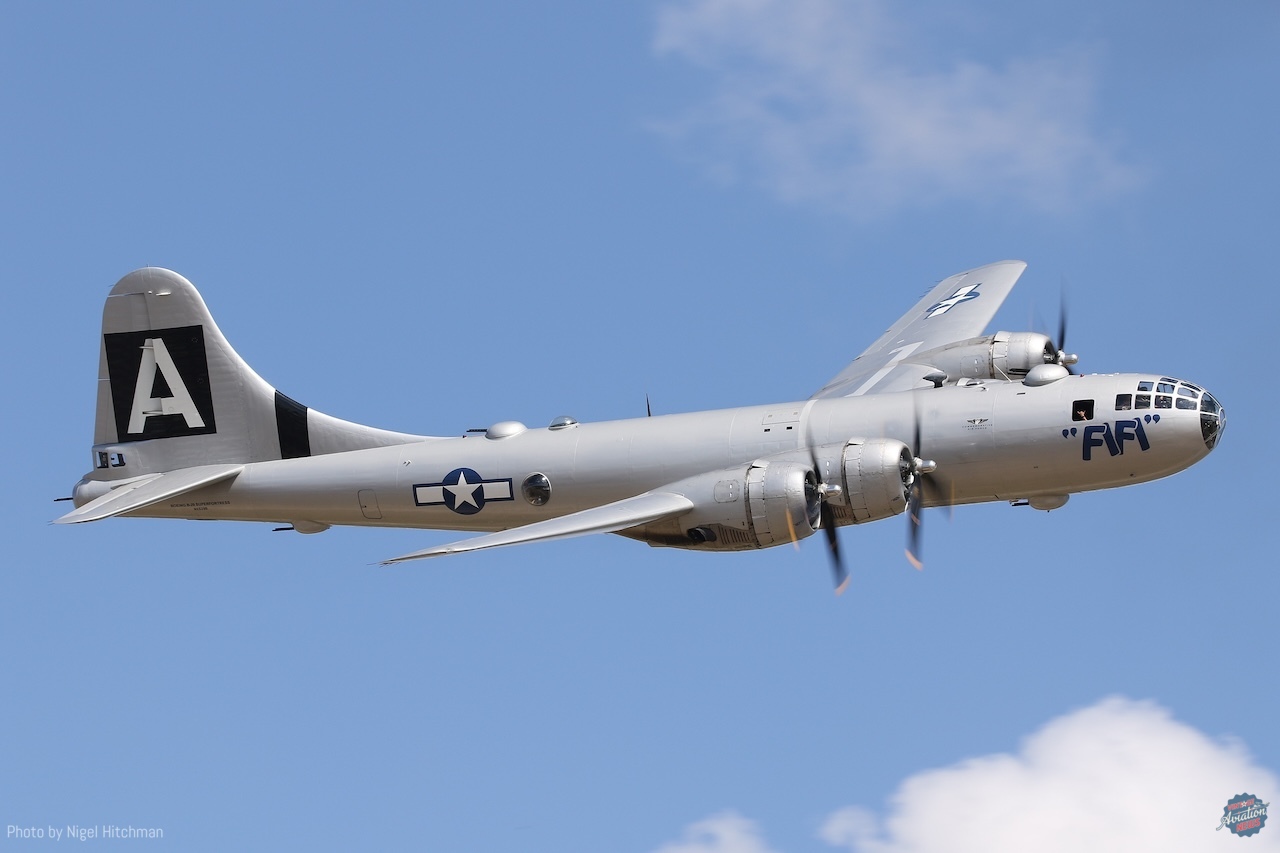
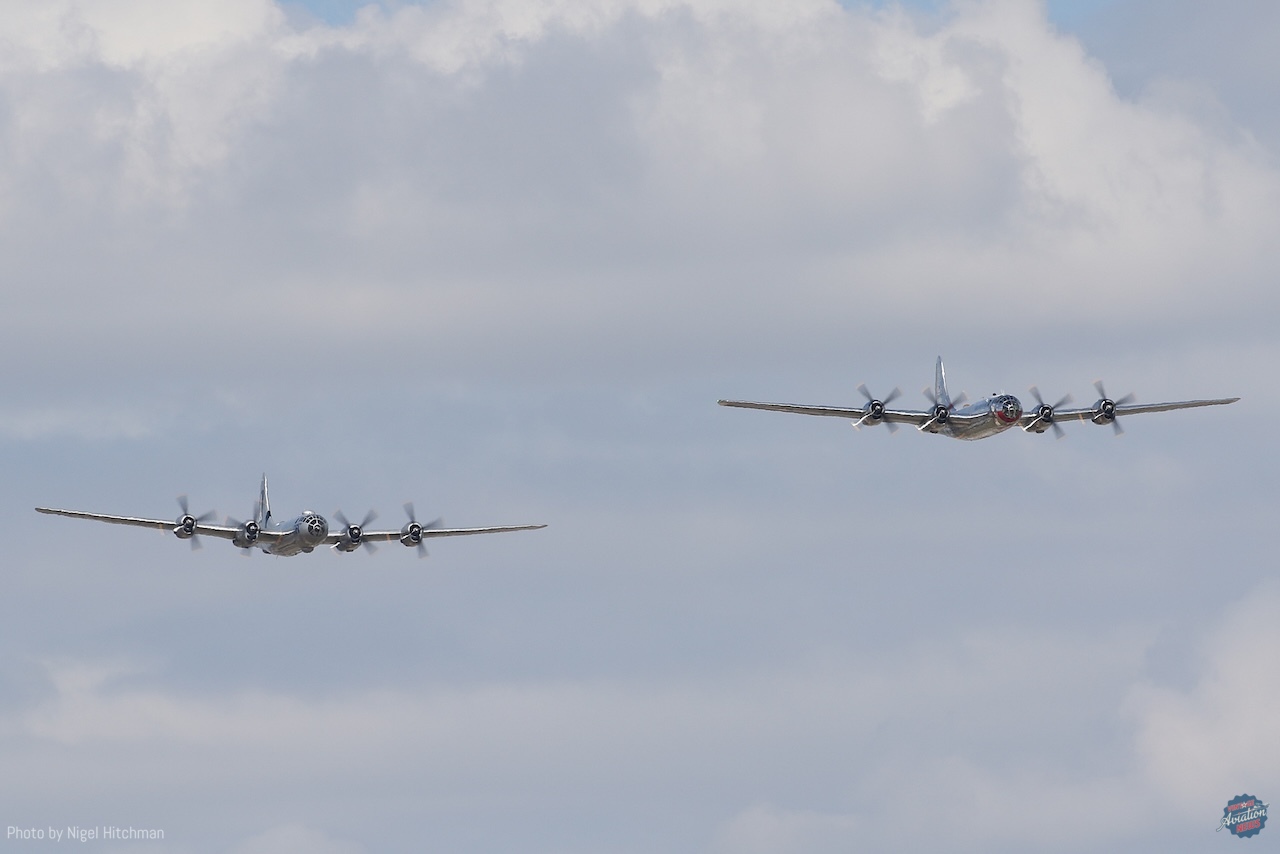
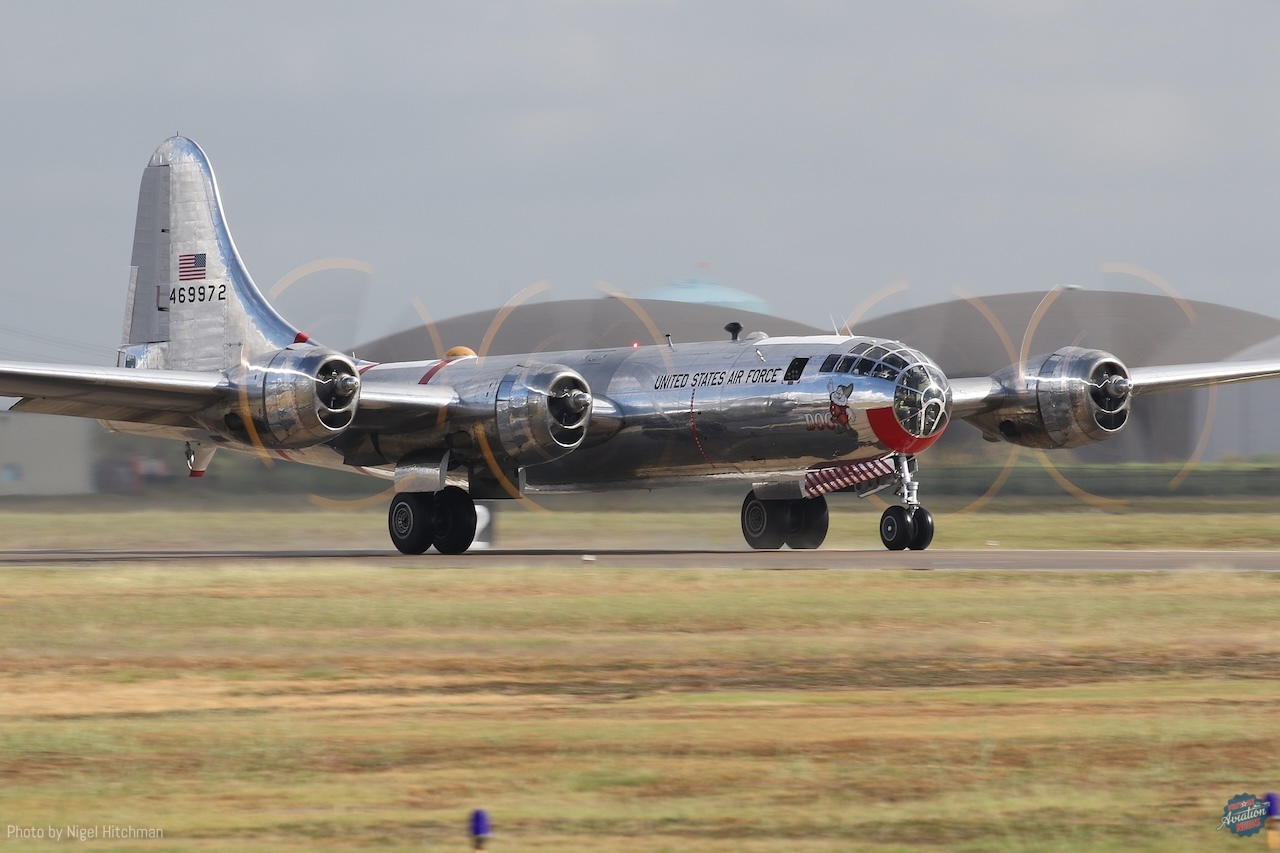
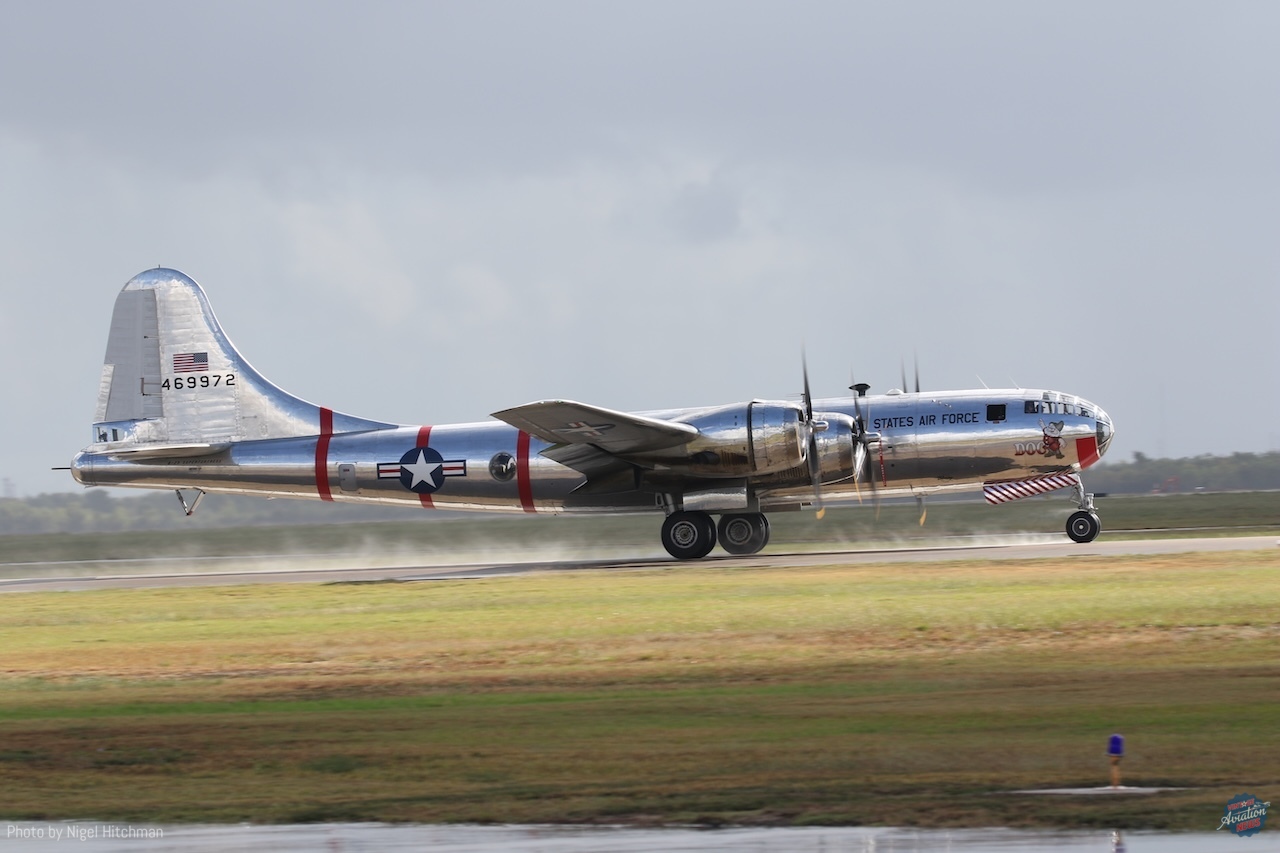
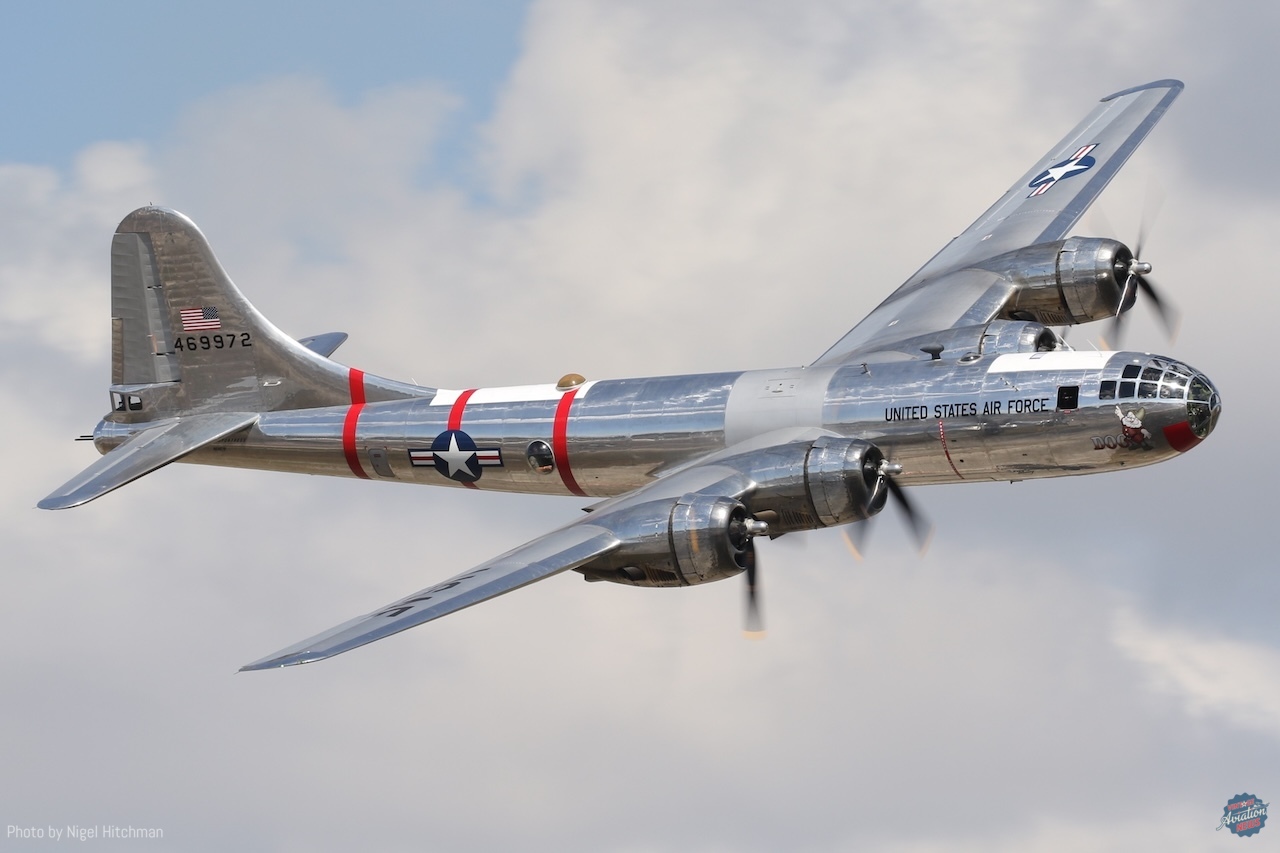
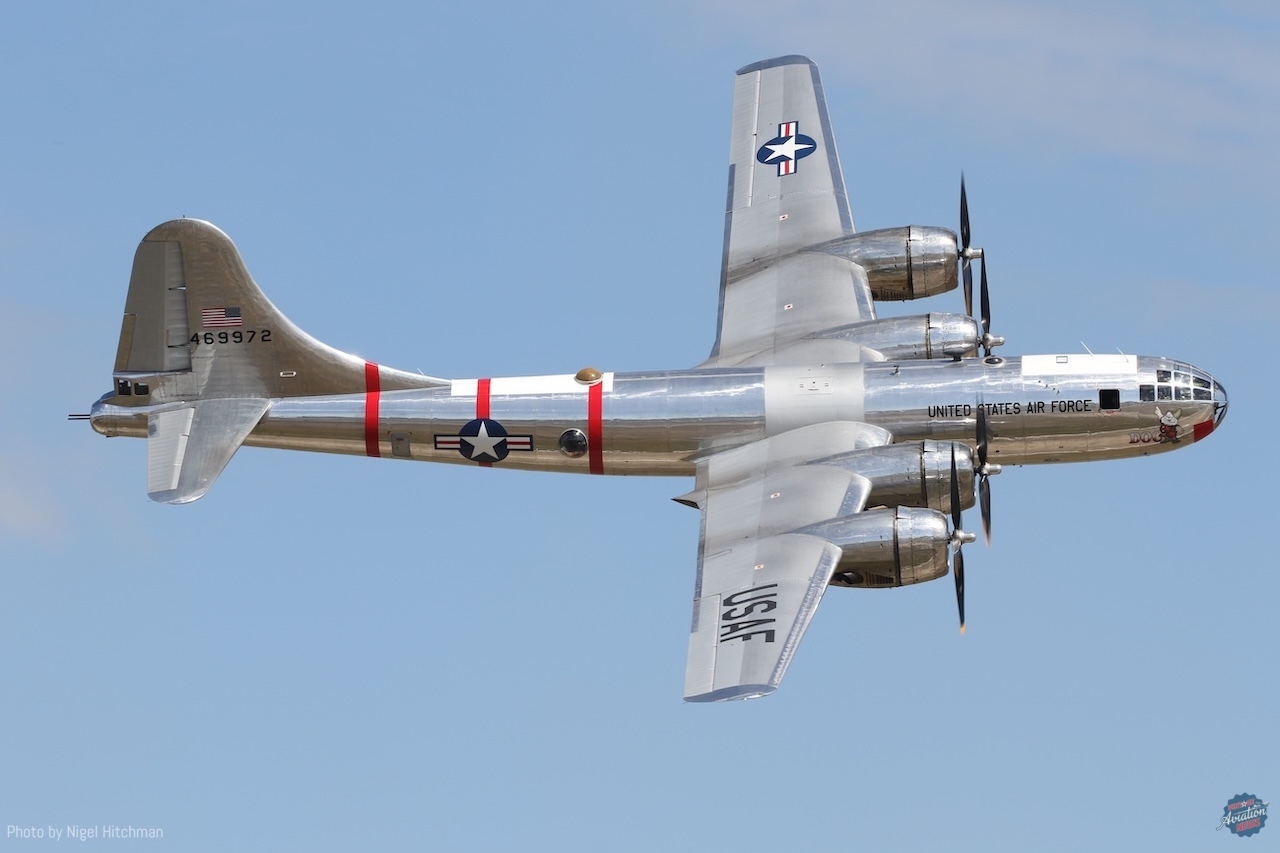
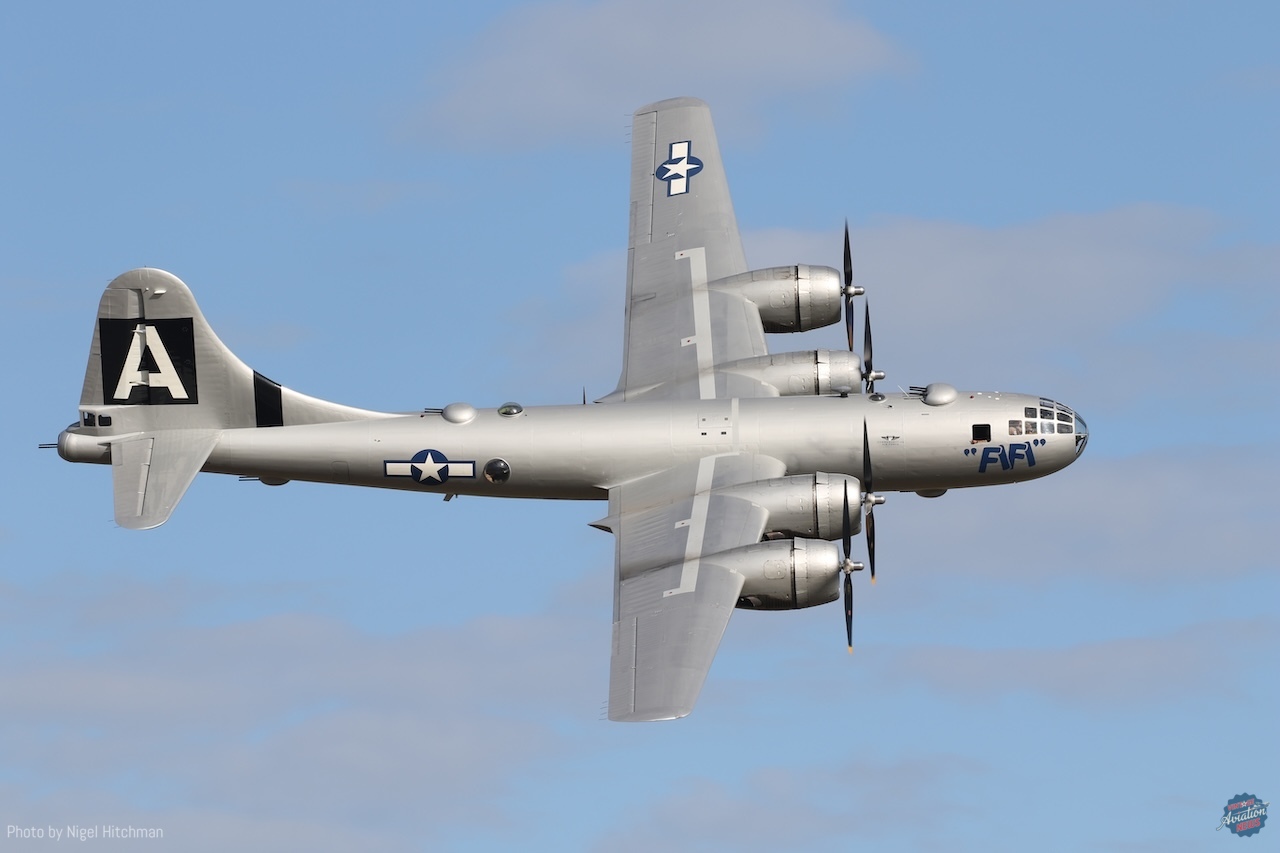
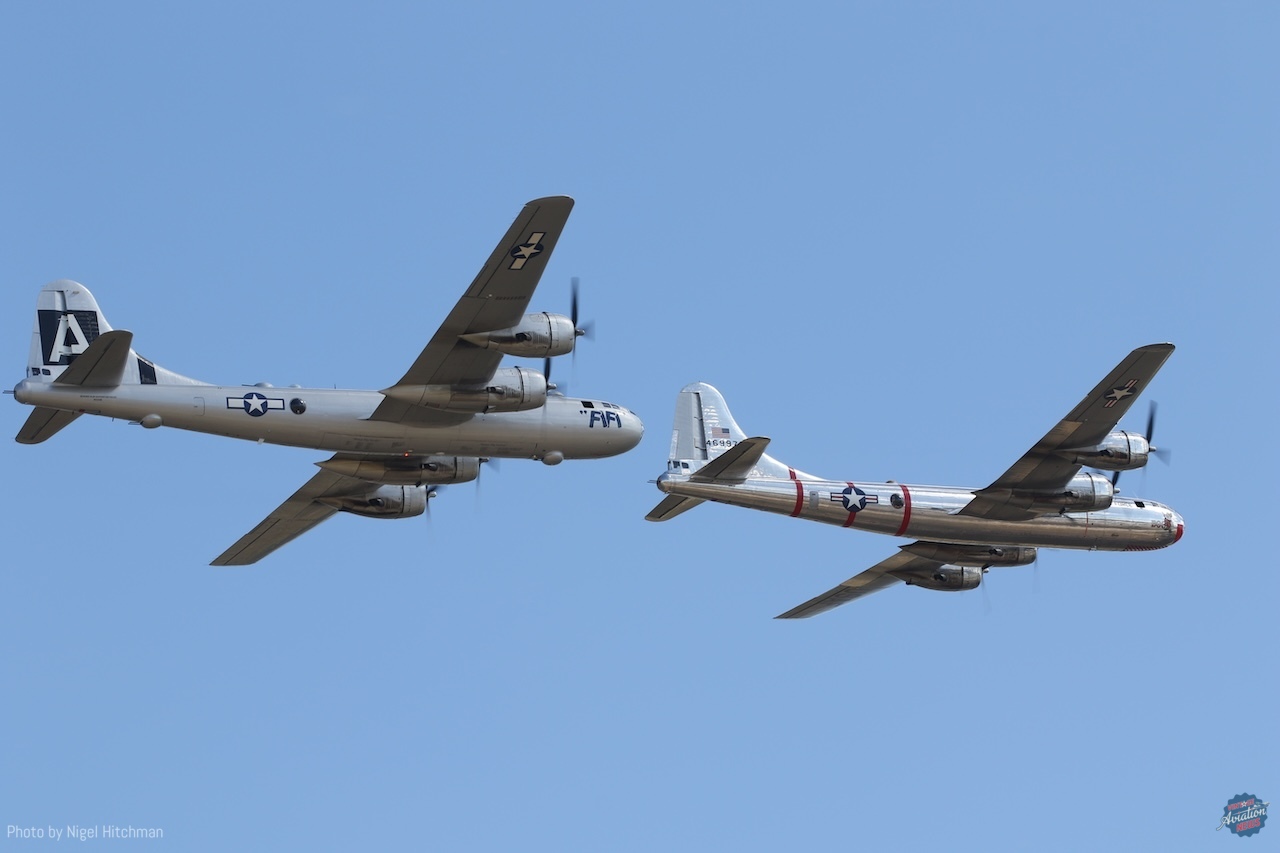
A great warbird show returning to its warbird roots due to the Government shutdown, it certainly didn’t disappoint. With a plan to visit some other events, I realised I would end up in Houston on this weekend to fly home and noticed it was the same weekend as Wings over Houston. Having been to the show several times from 2011–2018, I had witnessed some great shows here with many interesting warbirds flying. It went downhill somewhat with Texas Flying Legends moving out, and less attendance from Lewis Air Legends and other local warbird operators, and the emphasis changed with jet teams being invited (Thunderbirds/Blue Angels) and becoming the focus of the event rather than warbirds. It got worse in 2018 with the event being taken over by the thankfully short-lived “Grunt Style Airshows.” They seemed to be mostly a marketing organisation that wanted to turn several airshows into the same thing seen all over the country at state fair–type airshows, with a jet team, lots of aerobatic acts, and some token warbirds, aimed at the general public who don’t know one aircraft from another and just want noise, smoke, and explosions. That 2018 show saw several interesting based warbirds left in their hangars, others on static display only but flying before the public was let in because the organisers didn’t want to pay for them, and more modern aerobatic acts than seen before. It was clear it was no longer a major warbird show and not one worth travelling to; pictures from subsequent shows seemed to confirm this. Given that both Boeing B-29s were going to be there, and I’d been trying to be in the right place at the right time to buy a ride on one of them, I decided I would go, at least to get the B-29 ride and see them fly. Then came the news that the jet teams were grounded due to the Government shutdown and would most likely not be appearing, so hopefully the organisers would substitute with more warbirds and it would get back to being a good show. I don’t know what extras were added and what was already planned, but it turned out to be a good show, with the highlight being the two B-29s flying together in a great display, flying a lot closer together and lower than I’d seen before at Oshkosh and being given a full display slot, not just one pass. We also saw some great individual flypasts, coming round the corner from behind and to the left of the crowdline, giving a great topside view with the sun on them — perfect.
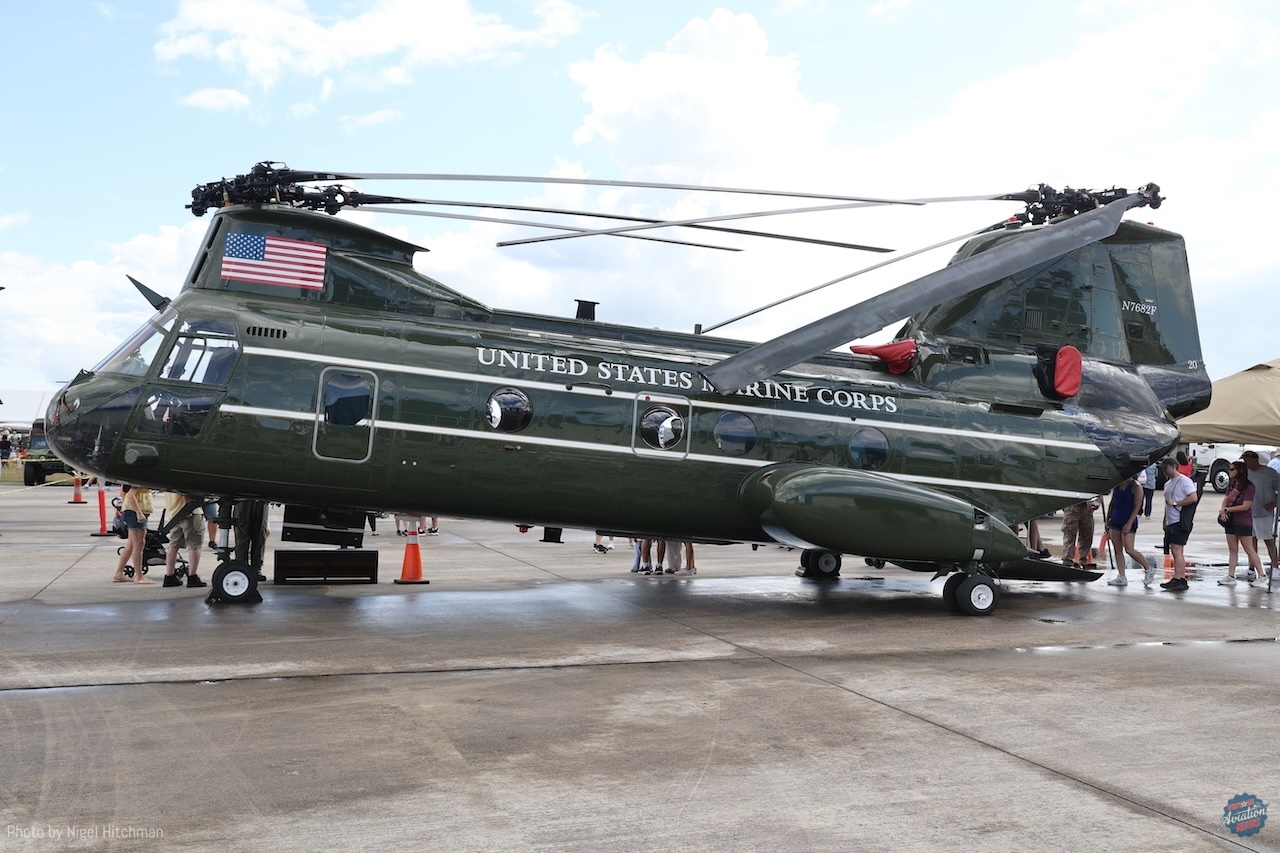
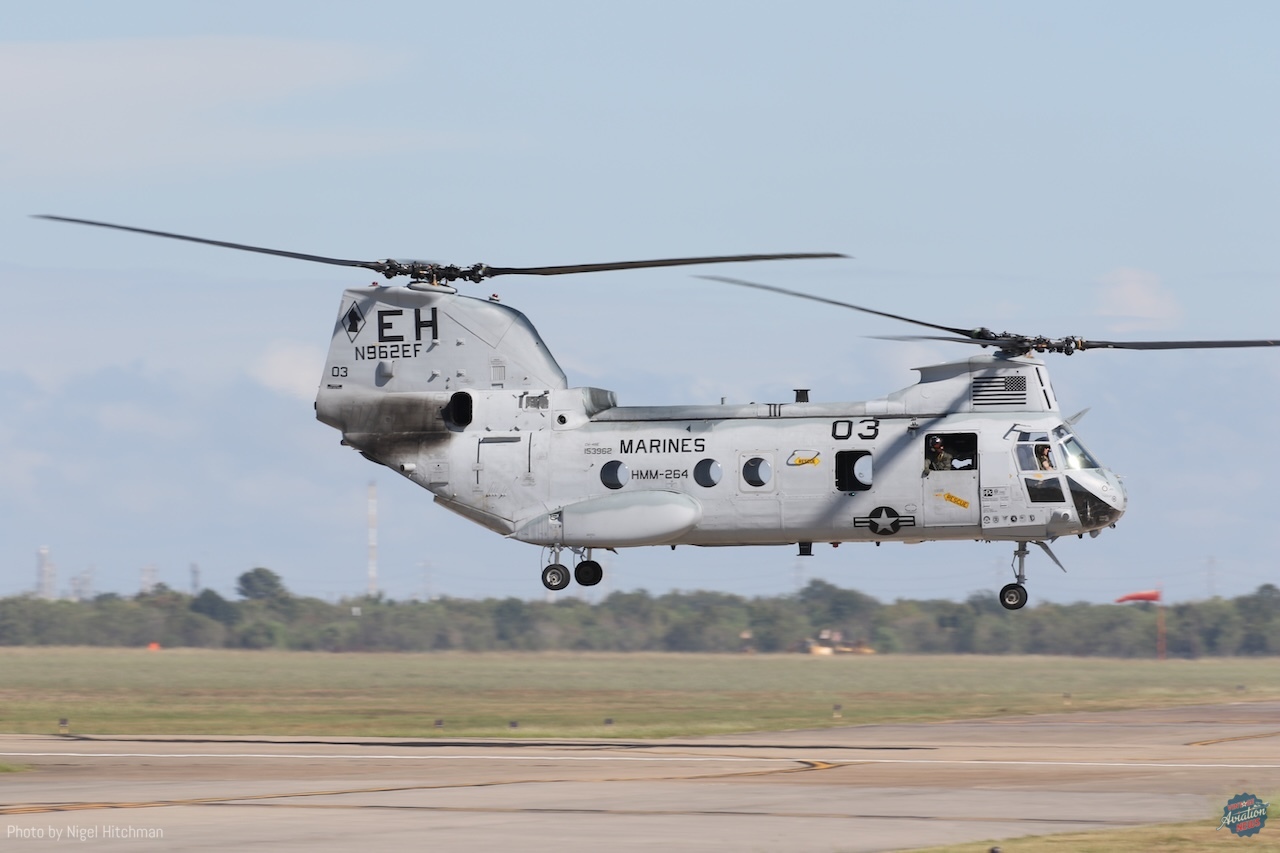
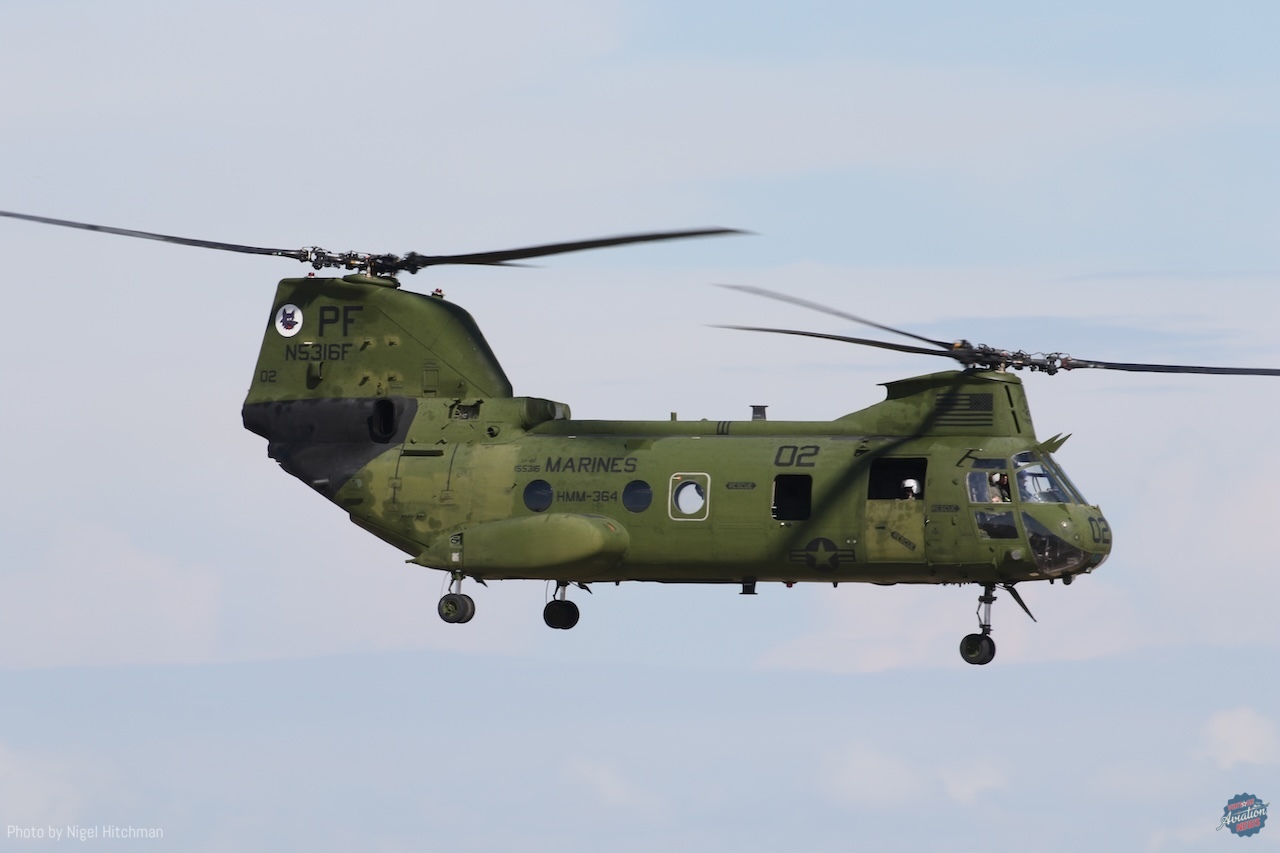
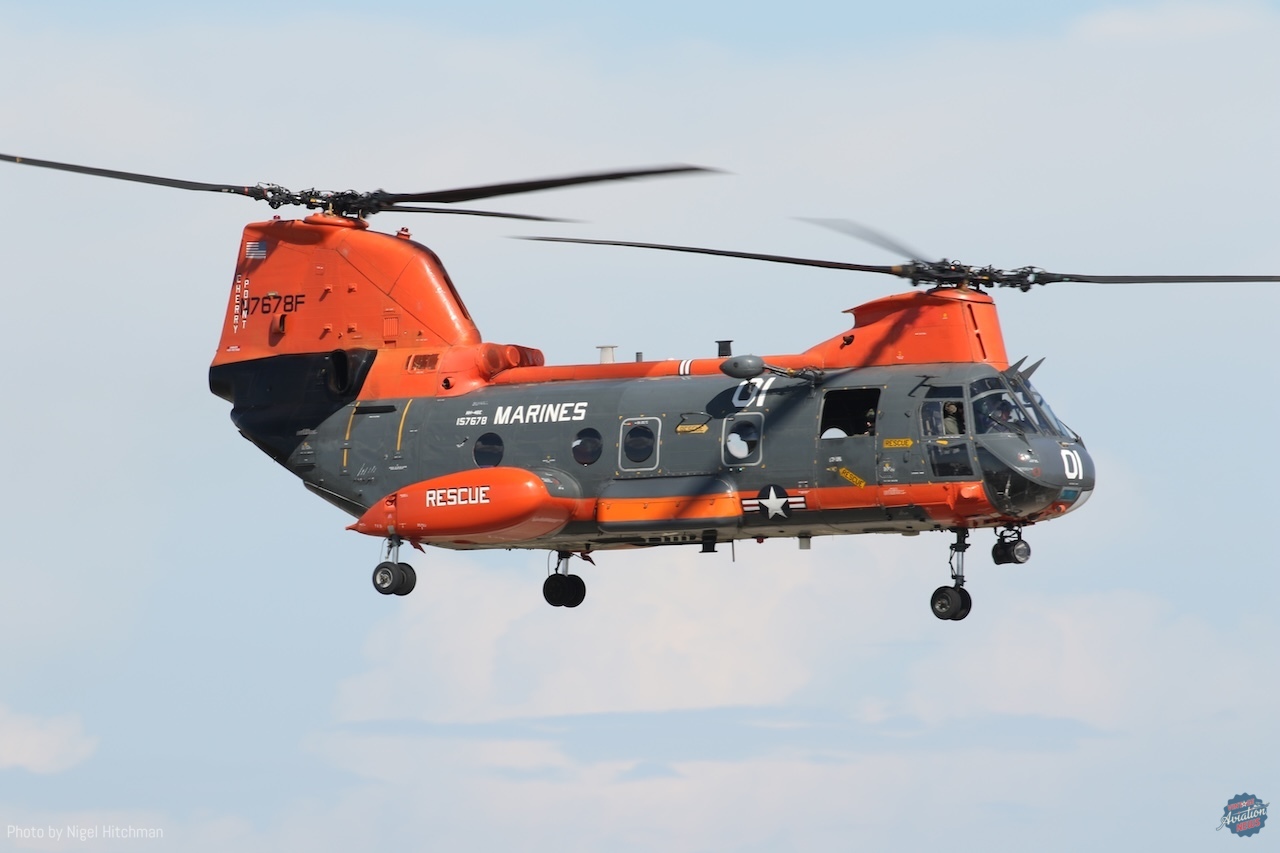
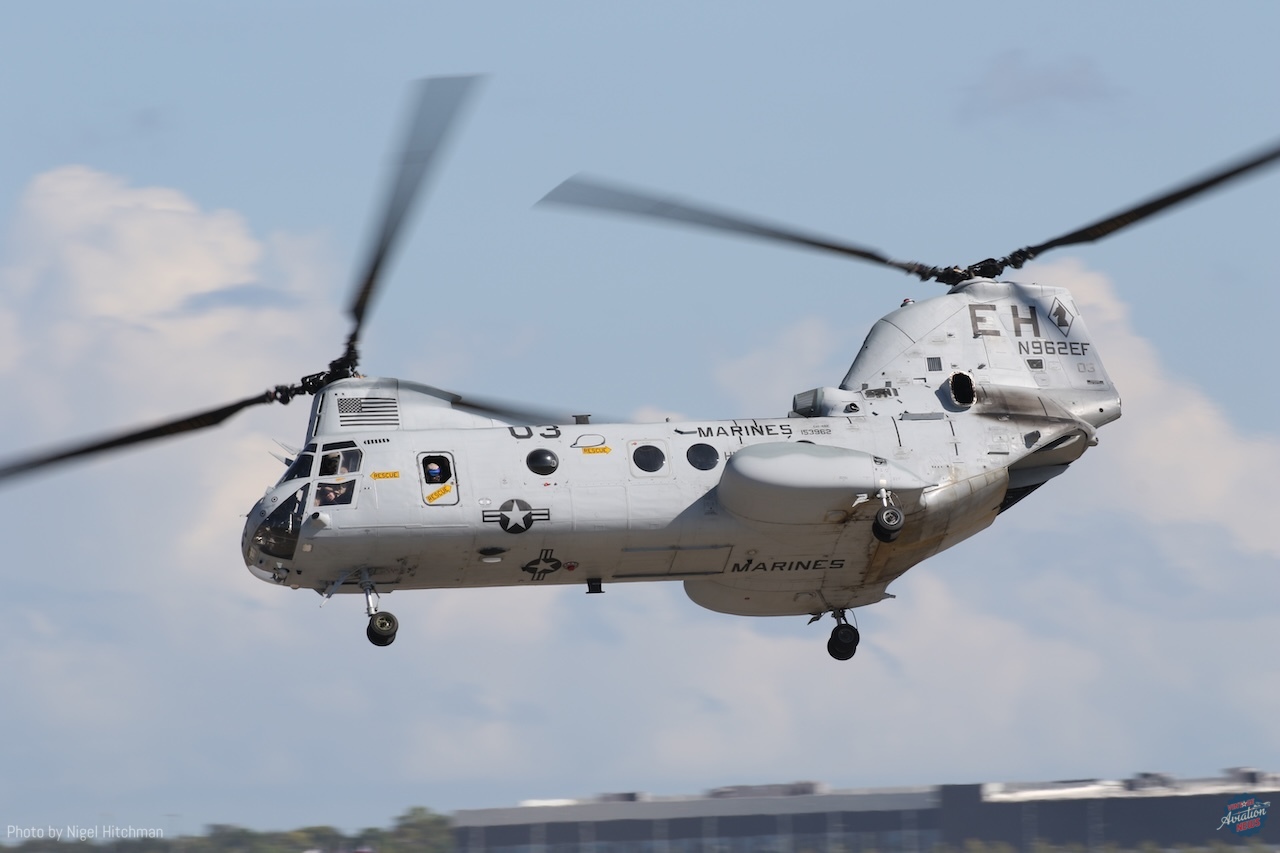
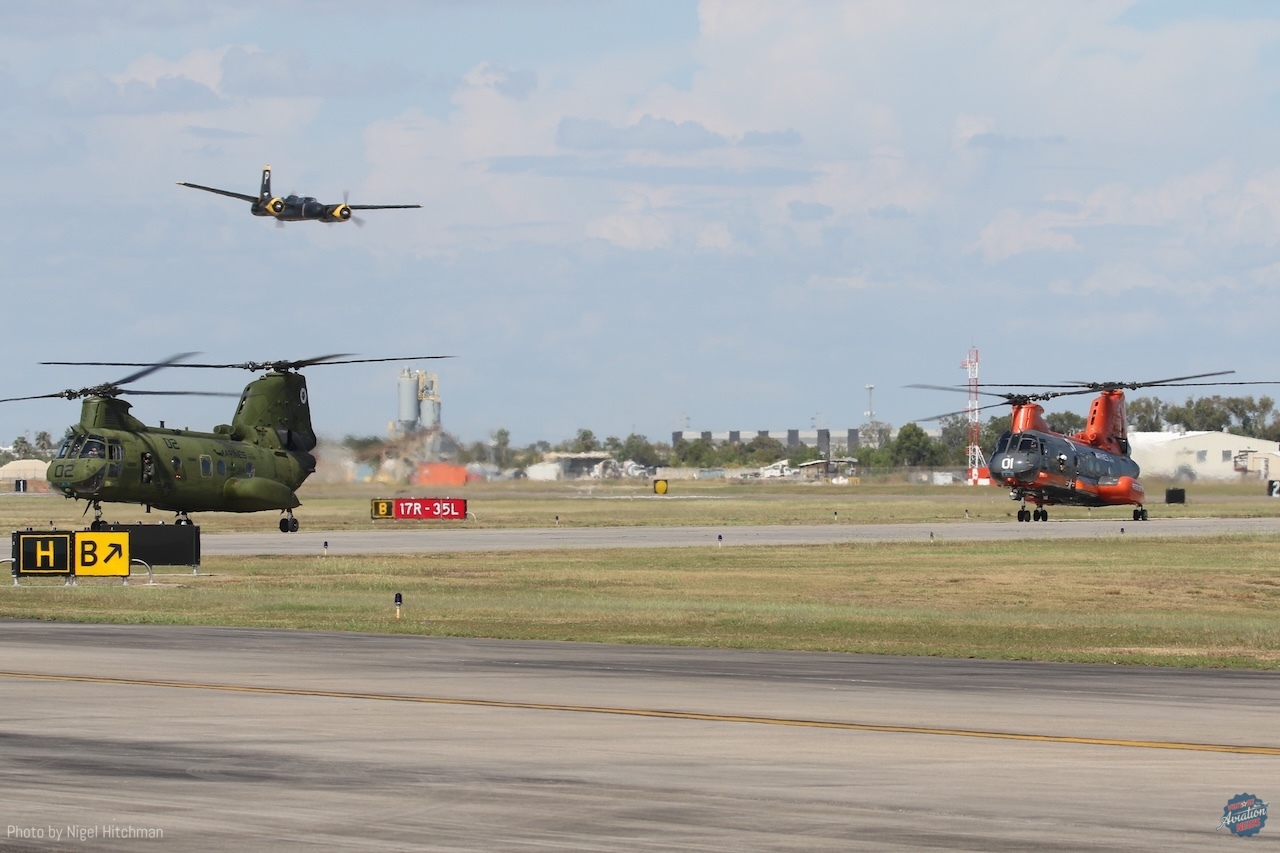
The other big highlight for me was seeing the three Vertol CH-46 Sea Knights flying in the display. These are owned by the National United States Armed Forces Museum in Houston and operated by their aviation squadron based at Ellington, where the show is held. They have five airworthy CH-46s, four of which were flown from Davis–Monthan after refurbishment at the Pima County Air Museum in late 2022, the first having been obtained in 2015. They are kept in and around the Vietnam War Memorial Flight’s hangar, along with their aircraft and some of the Collings Foundation’s flying jets. CH-46s entered service in the 1960s, primarily operated by the U.S. Marine Corps and U.S. Navy for ship-to-shore transportation, serving in Vietnam and the Gulf wars, as well as in Afghanistan. The Navy withdrew them from service in 2011 and the Marines in 2015. It was great to see them flying and something very different from what we usually get to see.
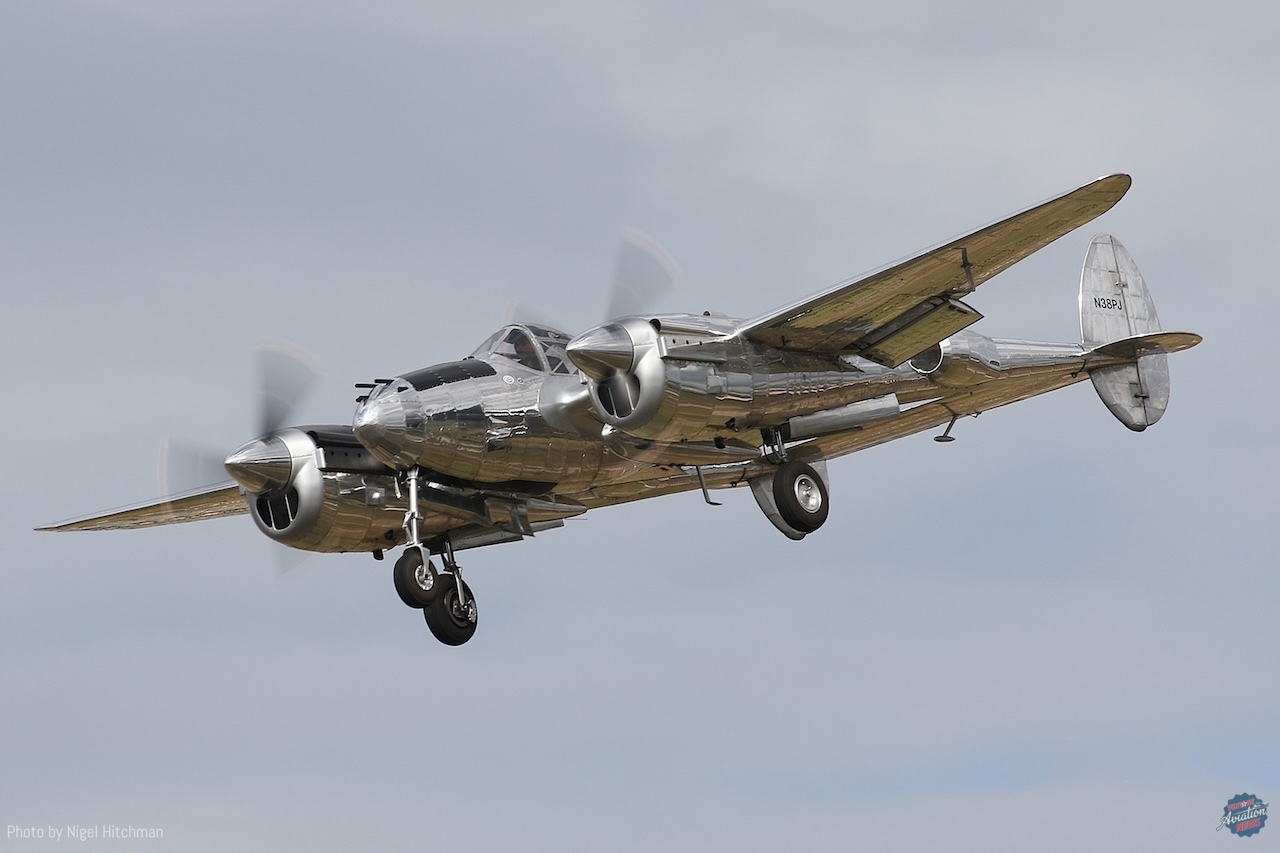
There is a large area for static displays behind the crowdline, which is on the west side of the north–south runway. To the north of this is the warbird ramp, which was open until the start of the display, and further north from that is the Coast Guard operational area. To the south of the static area is the NASA ramp, where their T-38s are based. Thus, the crowdline occupies a little under half the length of the runway, but unfortunately there are very few places to stand at the crowdline, most of the area being taken up by various VIP and pay-to-enter chalets and tented seating areas. This is unfortunate, as most of the take-offs, landings, and lower passes aren’t visible to the majority of the crowd but are obscured by the tents. However, Wings over Houston has a big advantage with the shortened display line, which was well used by many participants. Instead of always turning away from the crowd, they can bank round towards the end of the flightline and go behind the crowd, then come back in an excellent topside pass from the left with the full sun on them. A great topside pass like that at 100–200 feet is far better and more spectacular than a very low pass down the runway. It was great to see the late Jim O’Hara’s amazing two-thirds-scale P-38 N38PJ being flown in the display, now operated by his nephew as the FlyVolar P-38. An amazing achievement, and it really looks correct.
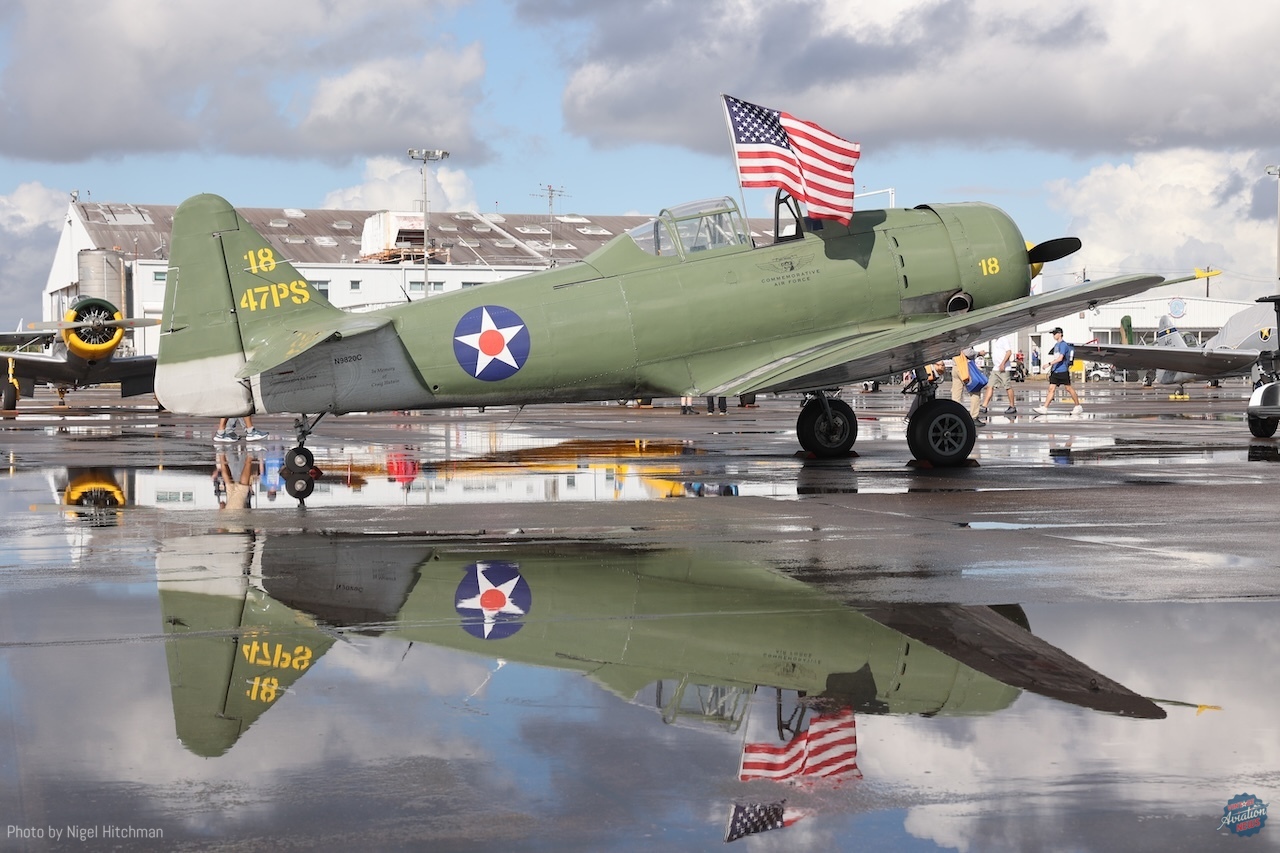
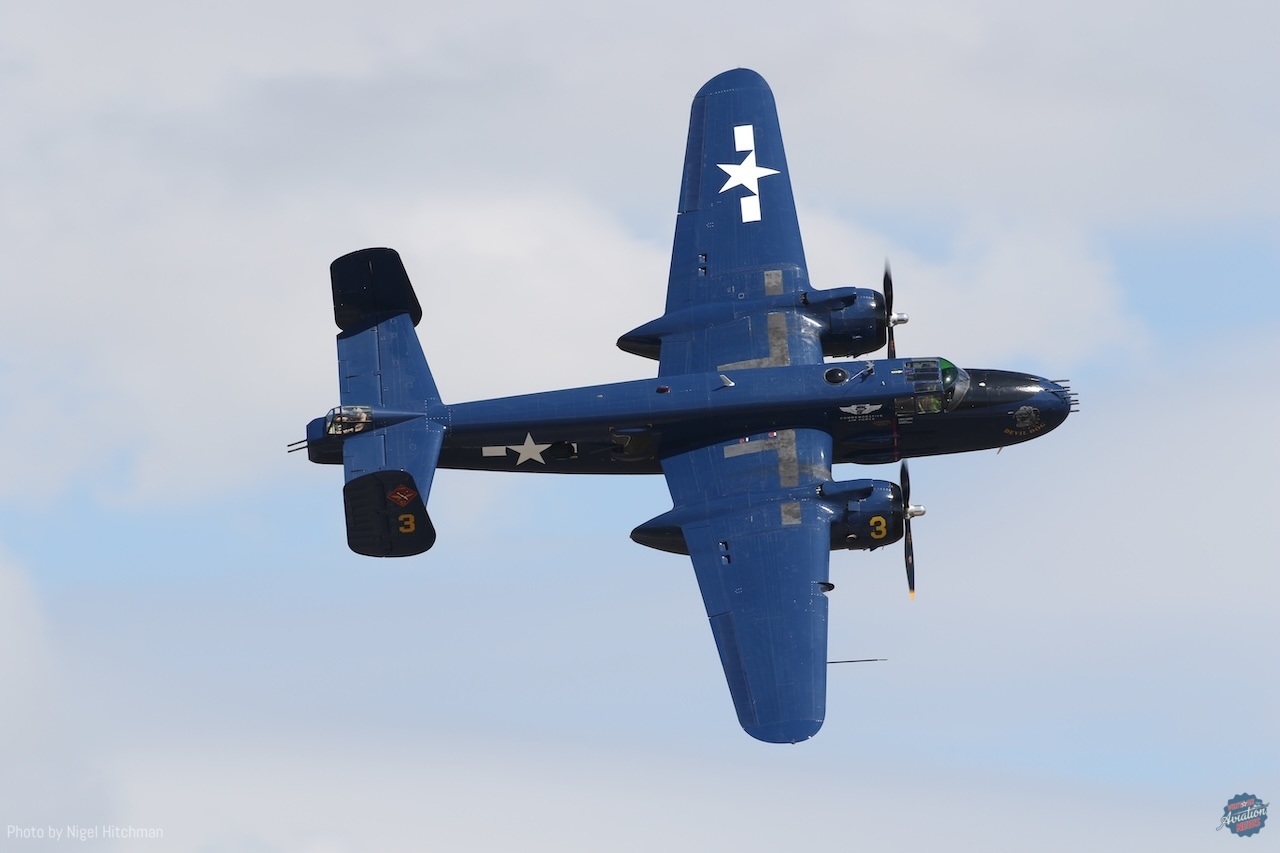
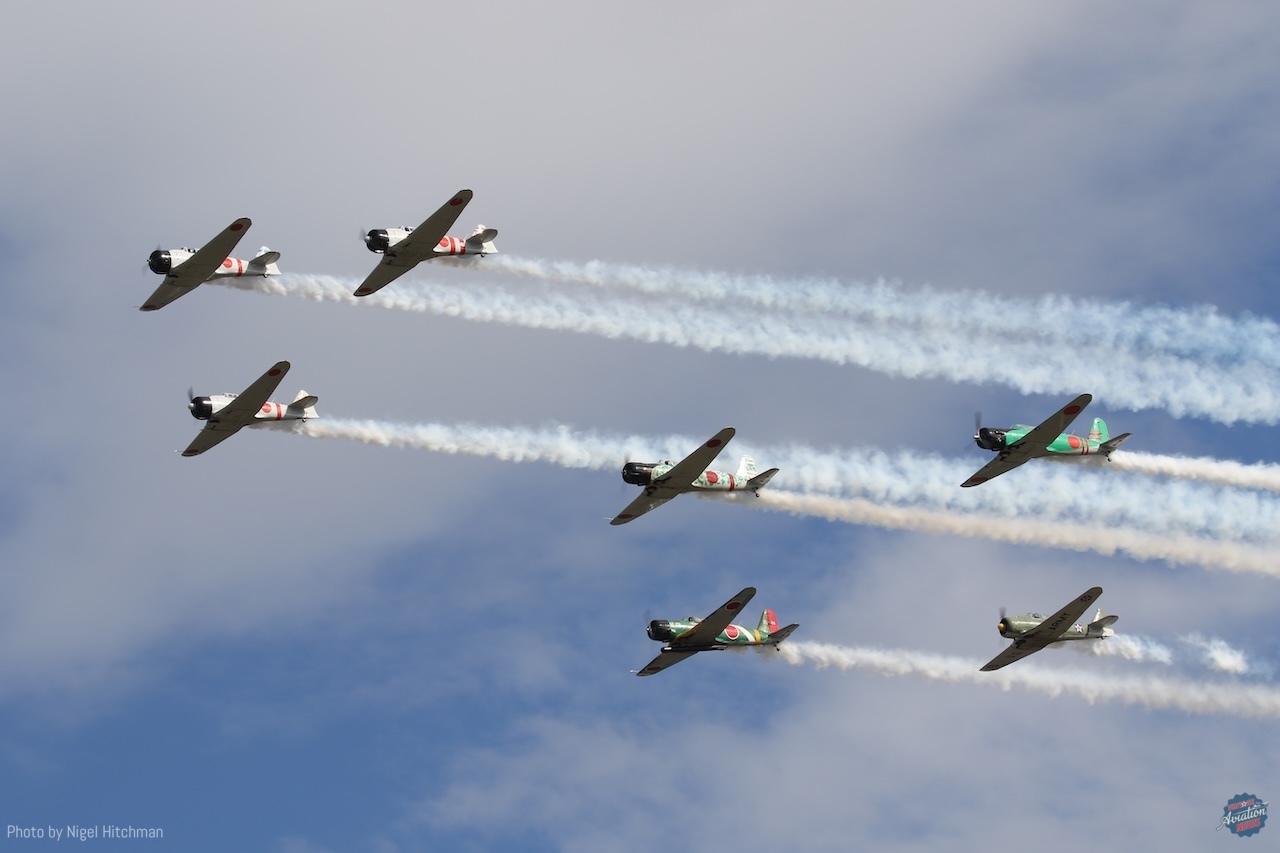
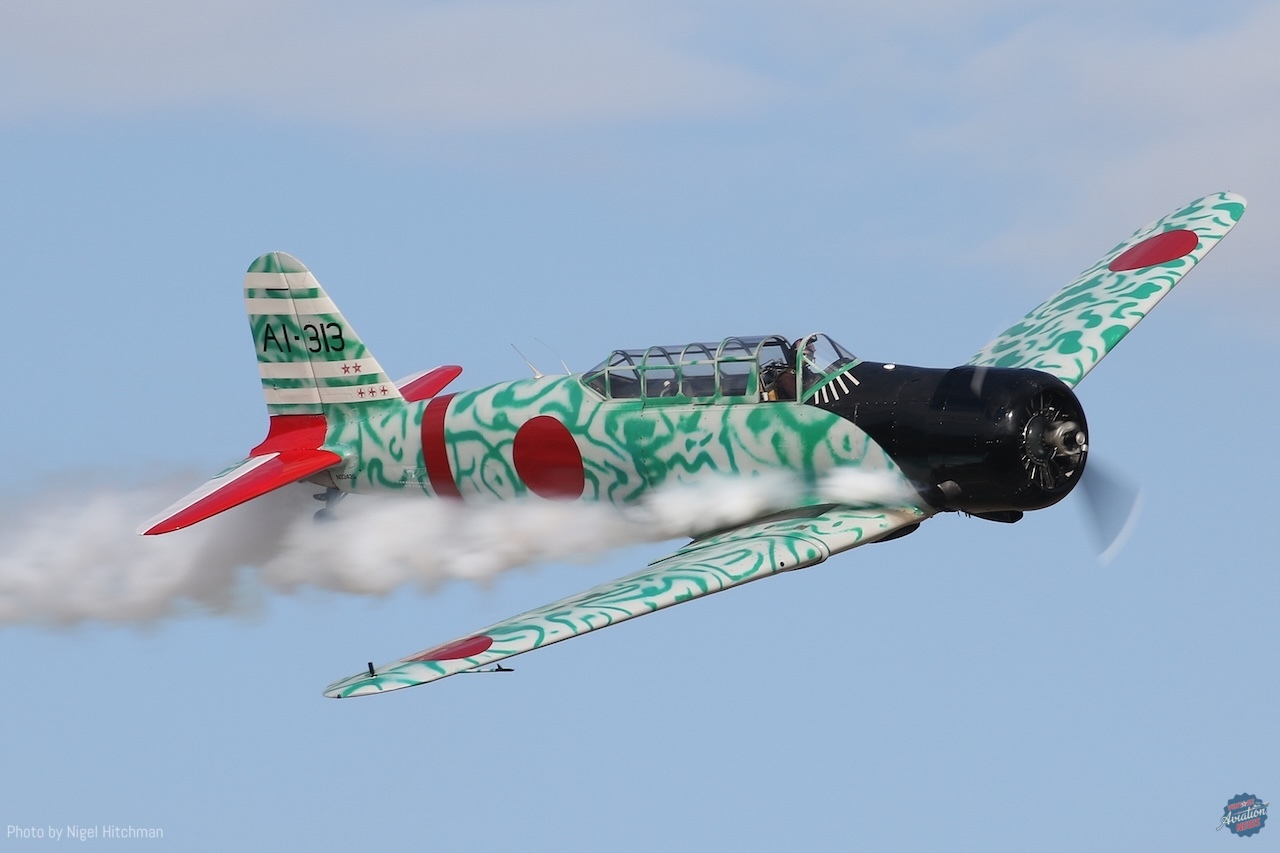
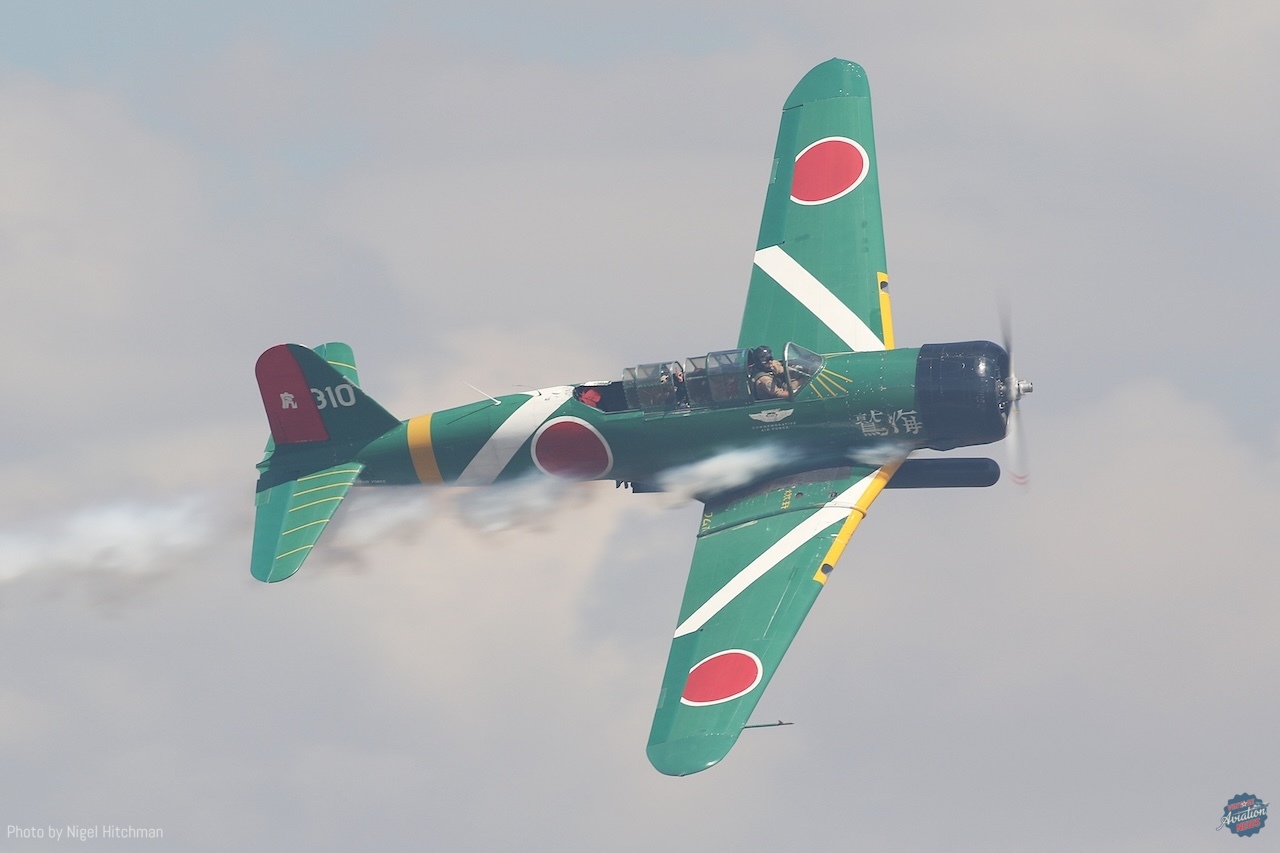
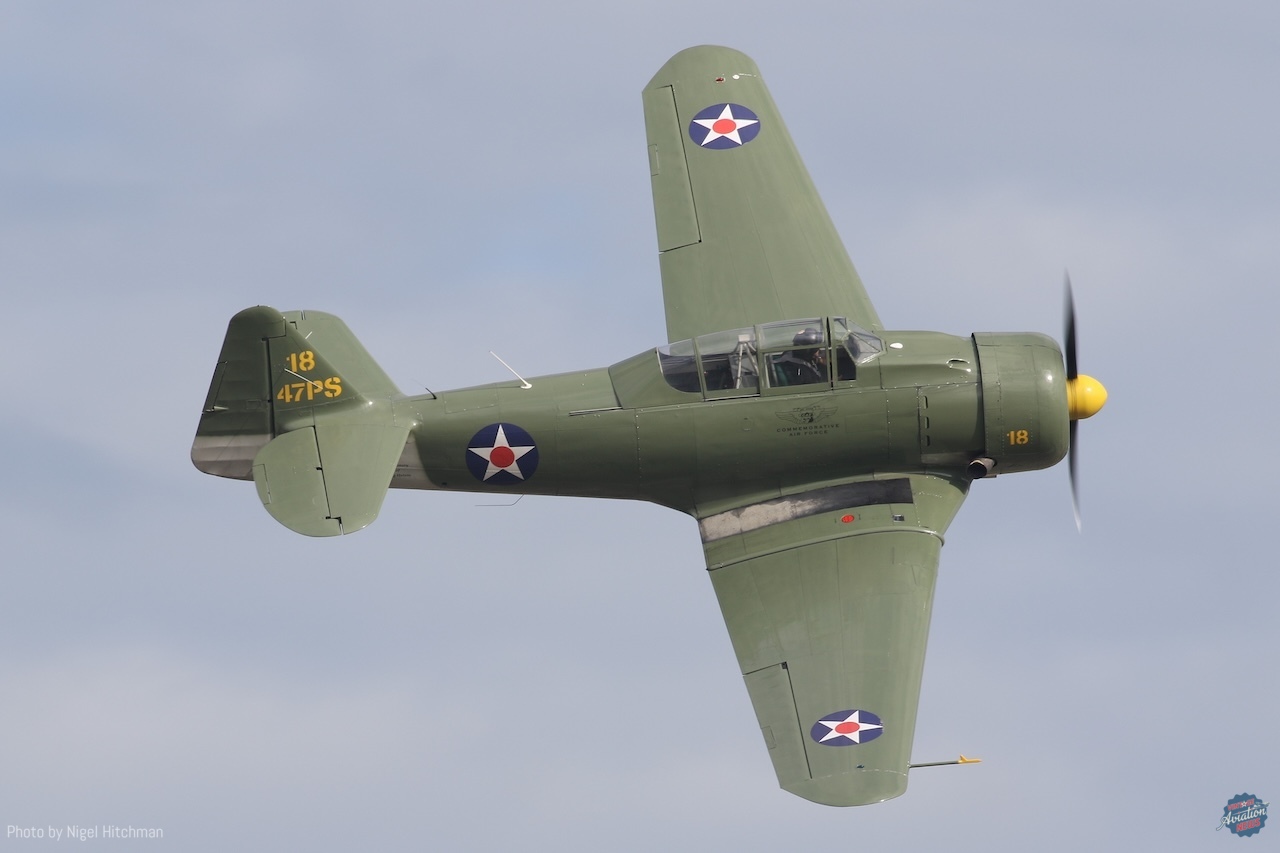
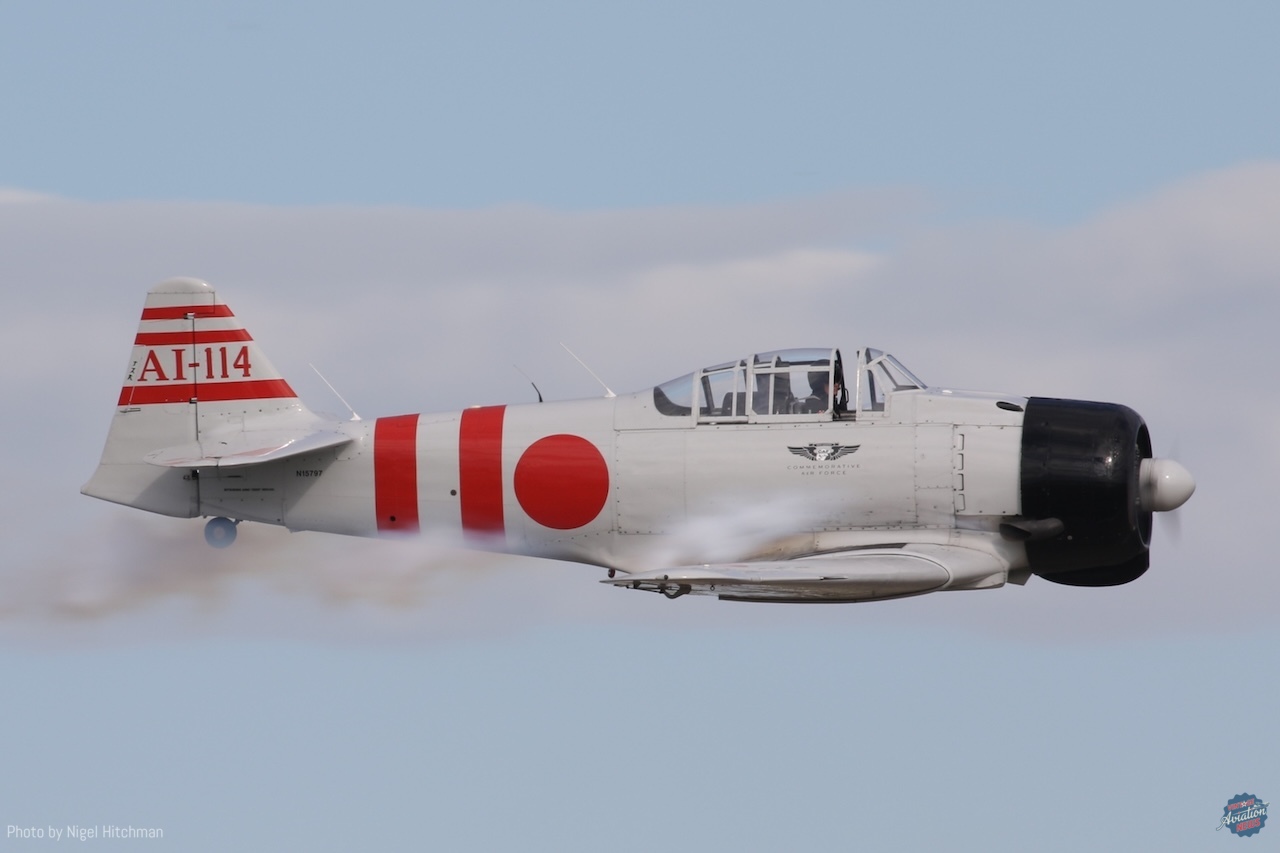
Tora Tora Tora always puts on a good display with their T-6s and BT-13s modified to resemble Mitsubishi Zeros and Nakajima Kates, and usually Aichi Vals, although no Vals were present this time. They also had one T-6 slightly modified and painted to represent a Curtiss P-36 Hawk, of which there were some at Pearl Harbor on the day of the attack. They were also joined by the B-25 Devil Dog, representing one of the B-17 bombers returning to base from a training mission during the attack. With much of their “attack” hidden behind the tents and in the smoke with an on-crowd light wind, it was good that most of the aircraft ended their display with a nice topside pass.
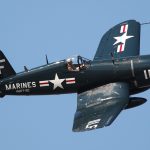
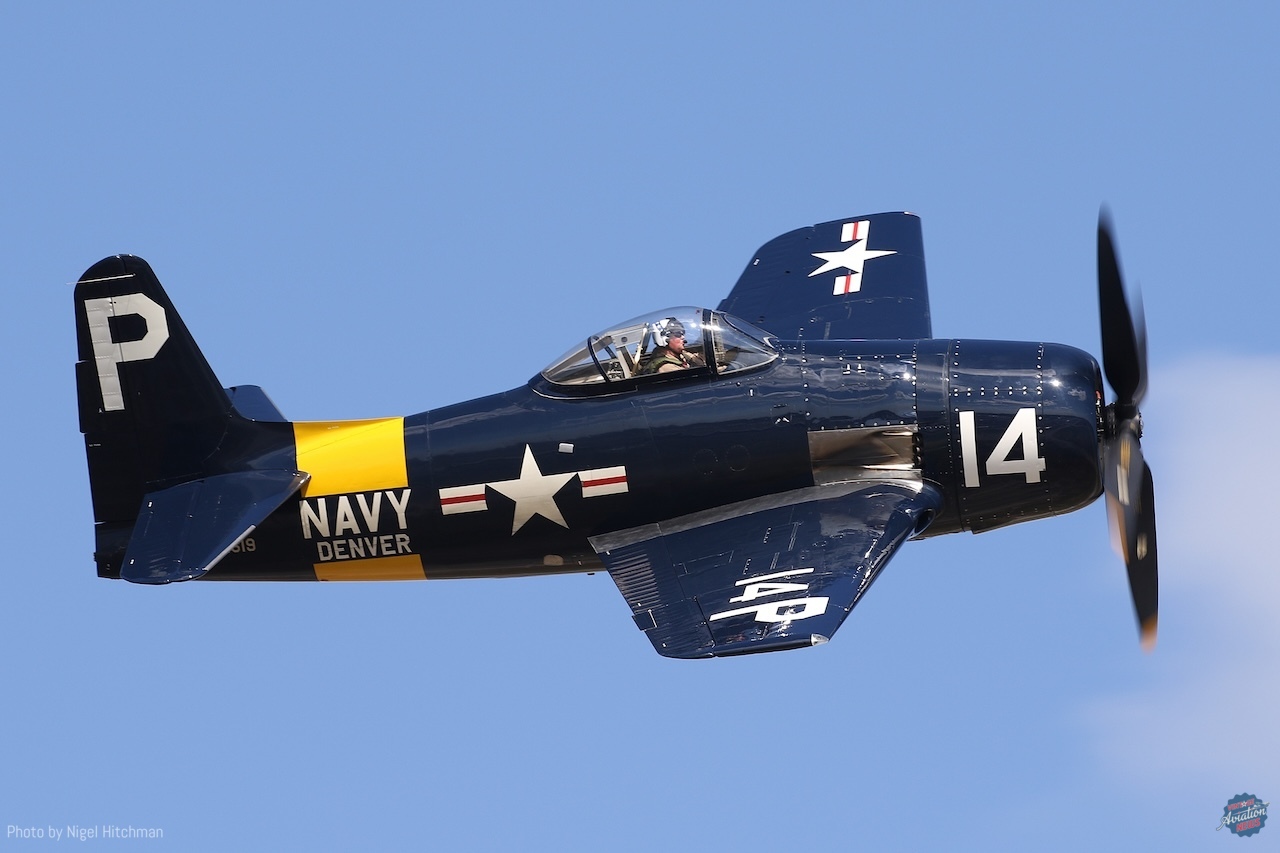
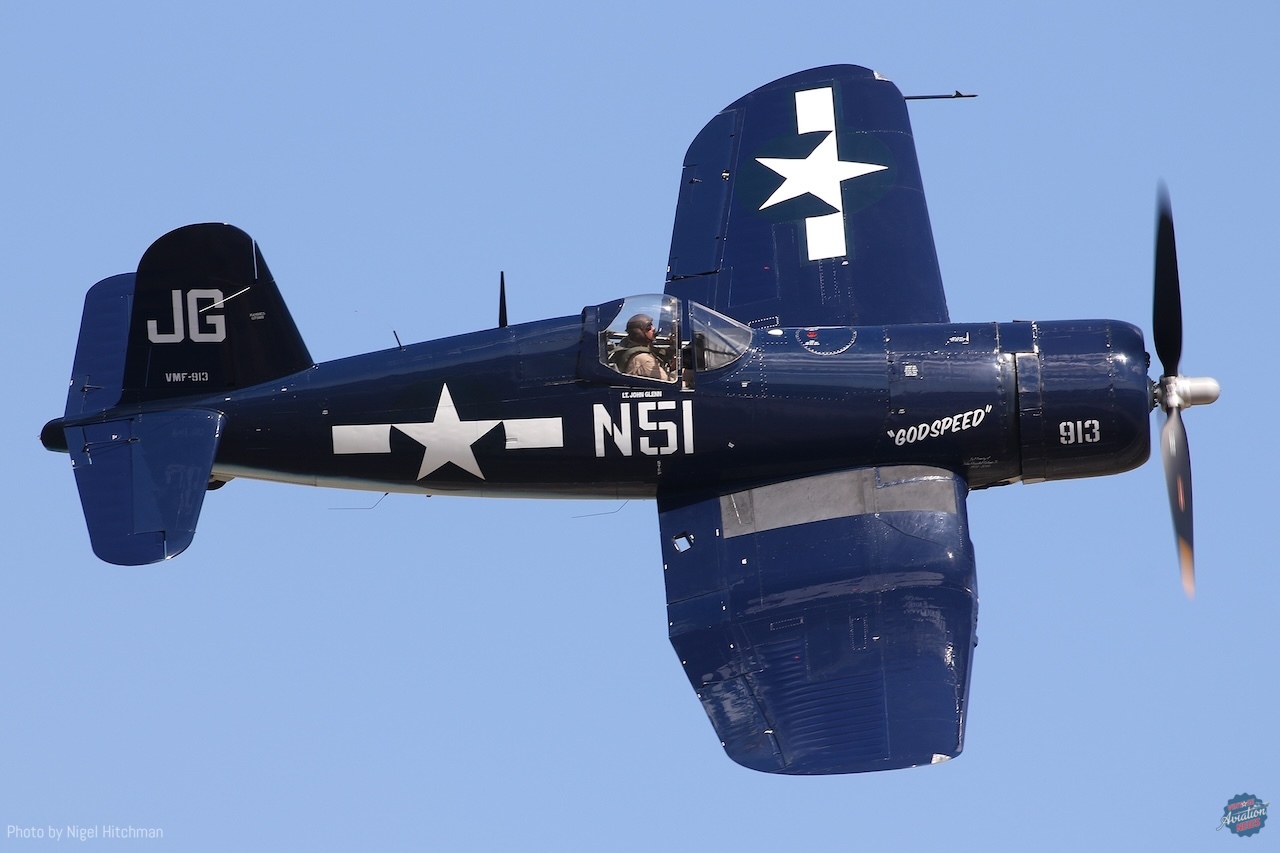
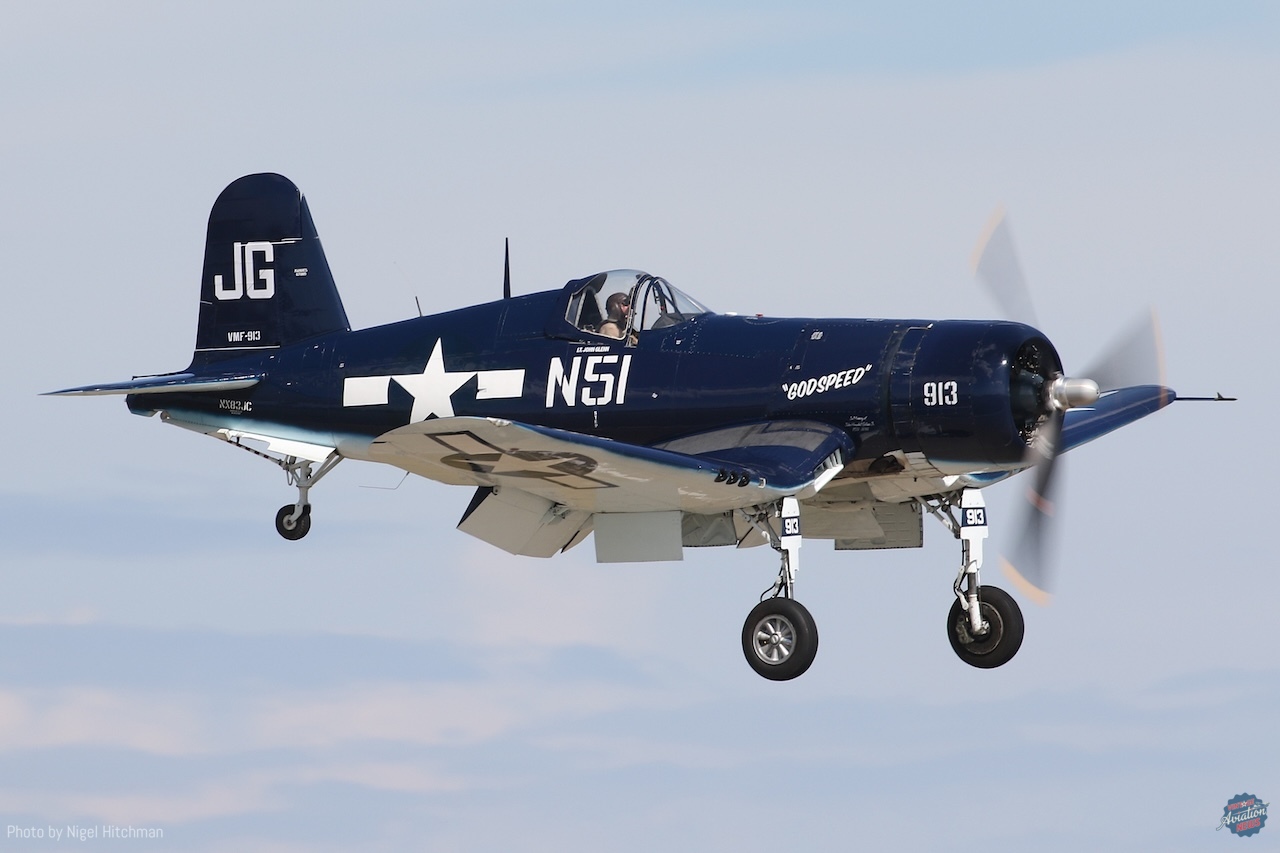
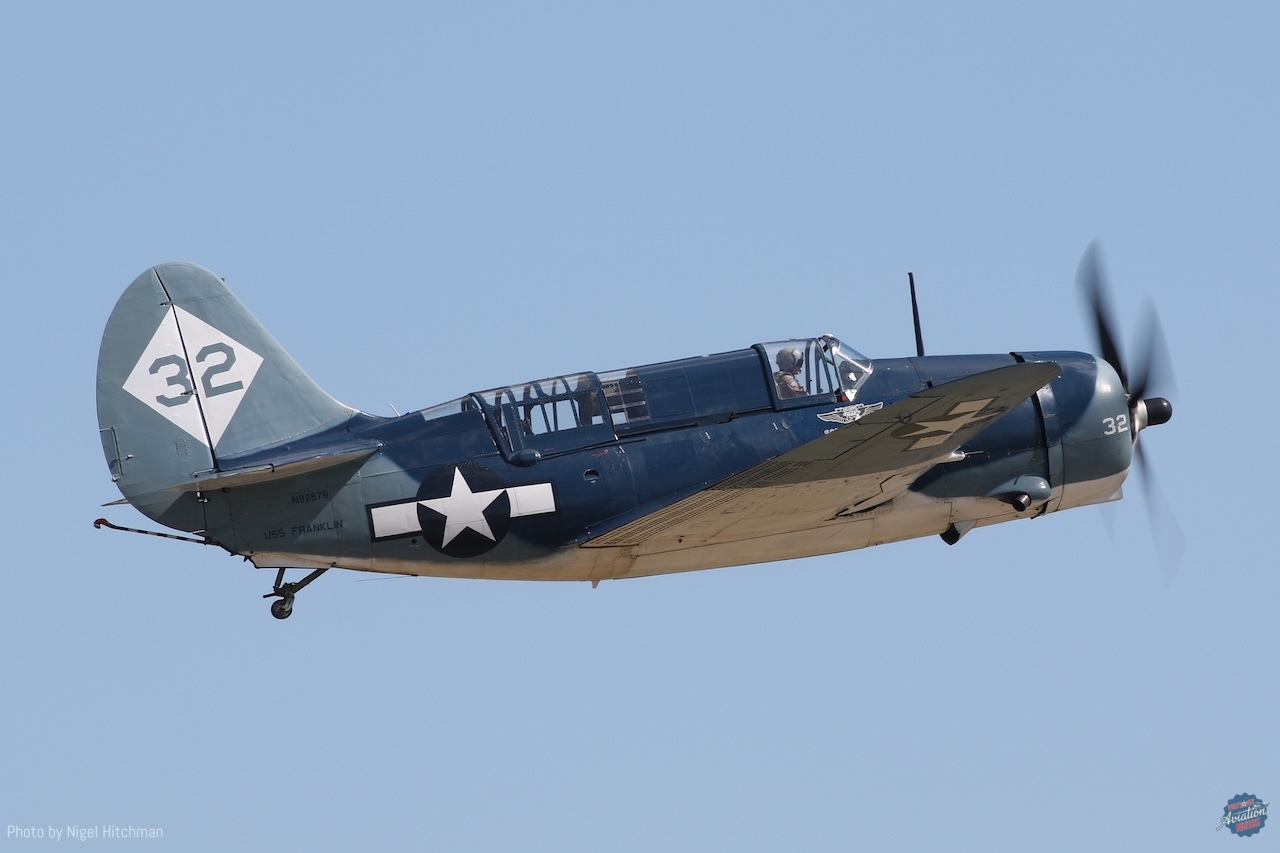
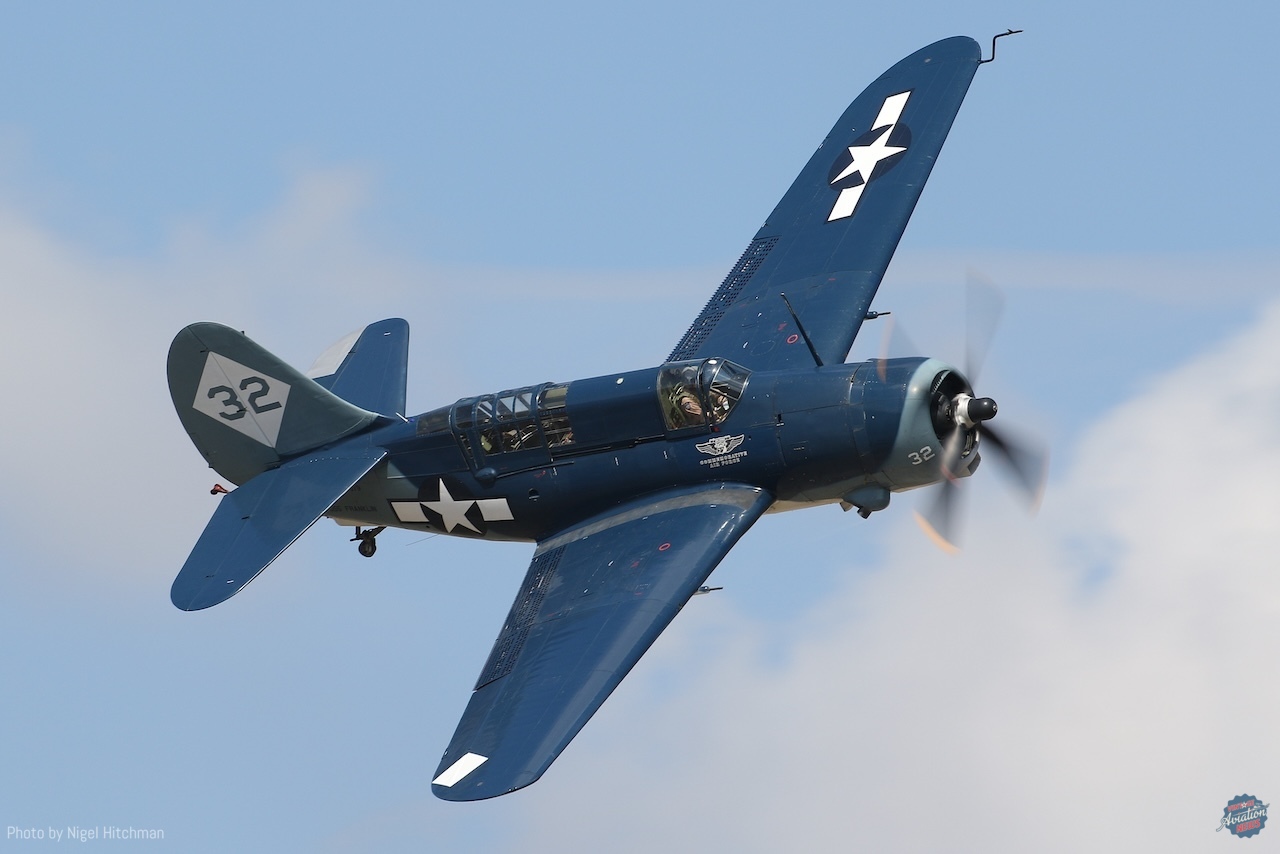
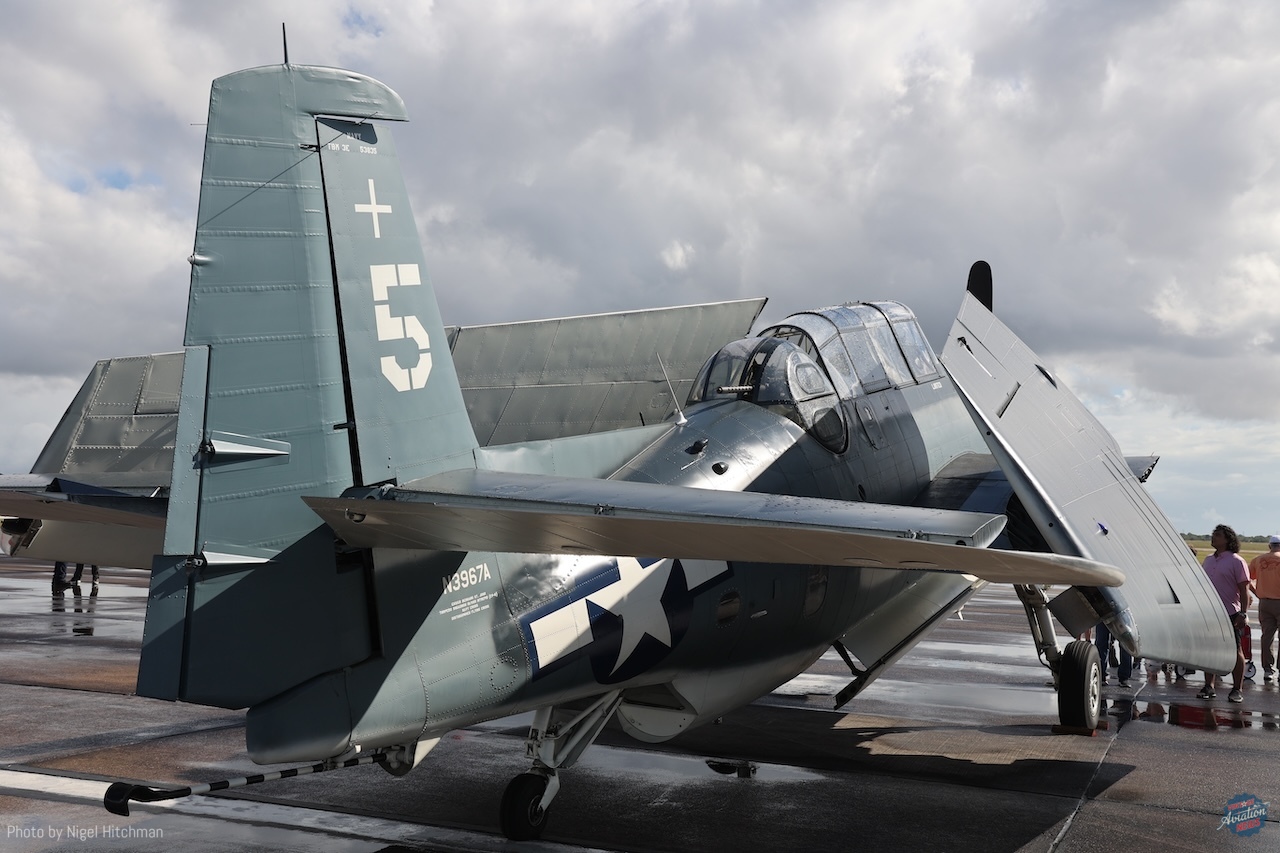
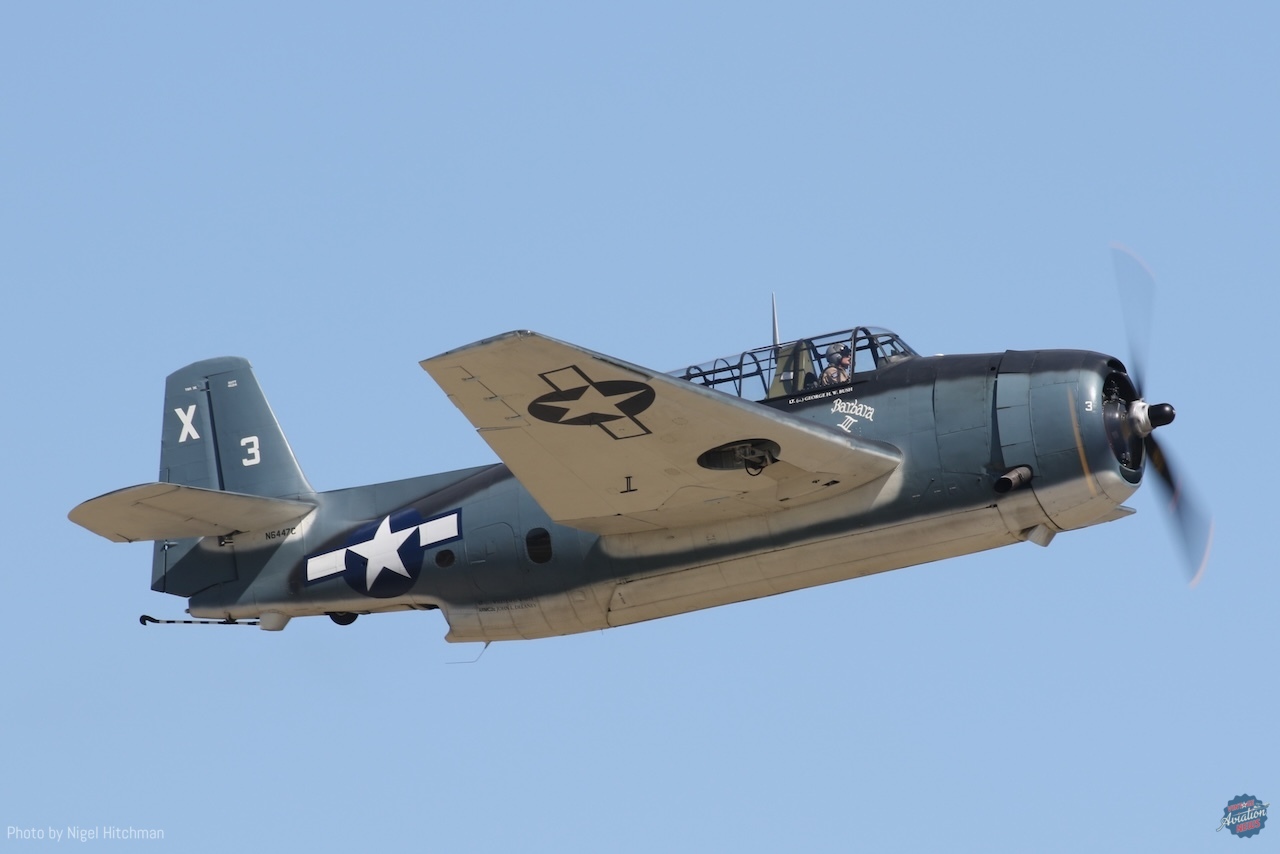
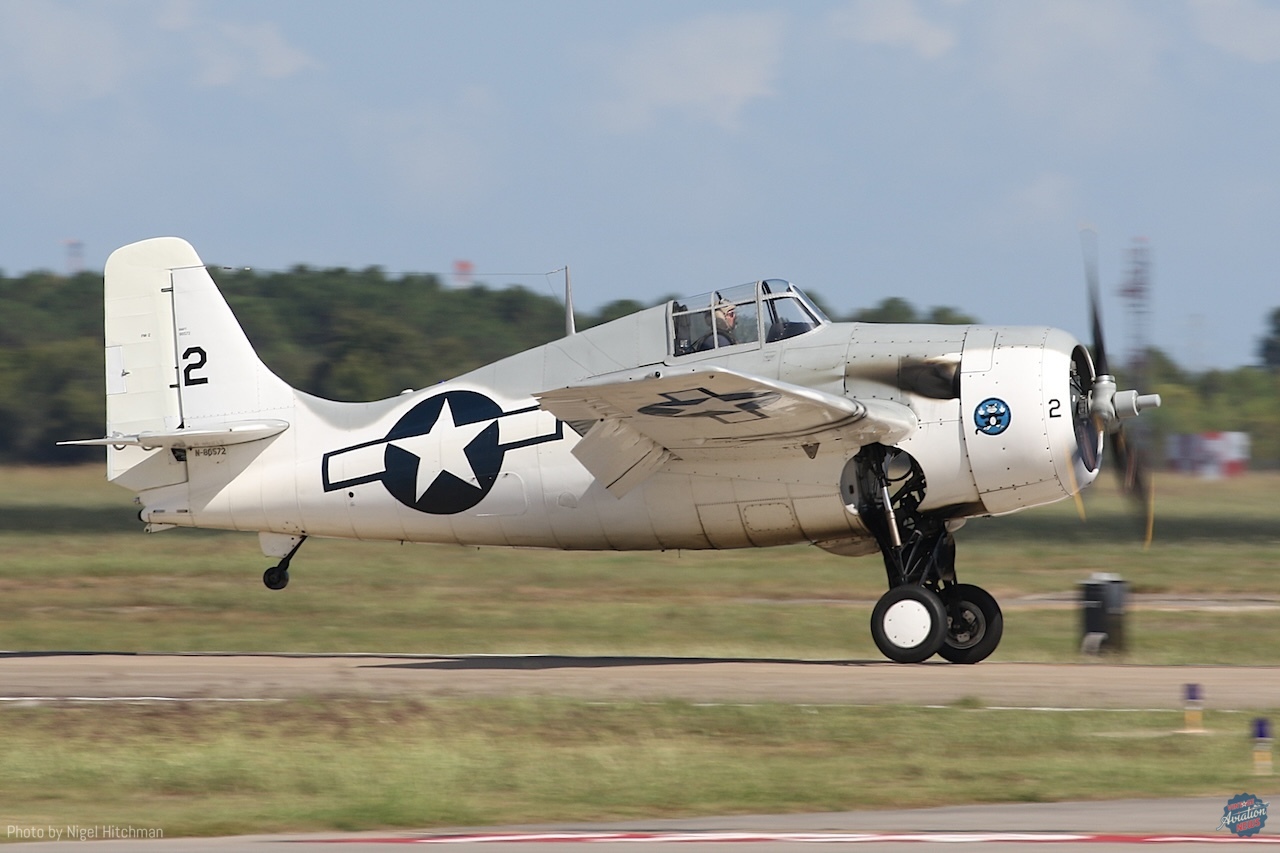
There was a good selection of U.S. Navy aircraft, with James Bohanon and family showing off two of their newly acquired aircraft, the Goodyear FG-1D Corsair N83JC and Grumman FM-2 Wildcat N86572, plus Lewis Air Legends’ Grumman F8F-2 Bearcat N14WB, CAF Curtiss SB2C-5 Helldiver N92879, and Lone Star Flight Museum’s Grumman TBM-3E Avenger N6447C all flying in the World War II display slot. James Bohanon’s Grumman TBM N3967A and Lone Star Flight Museum’s Vought F4U-5N Corsair N34RW remained on the ground, at least for Saturday when I visited.
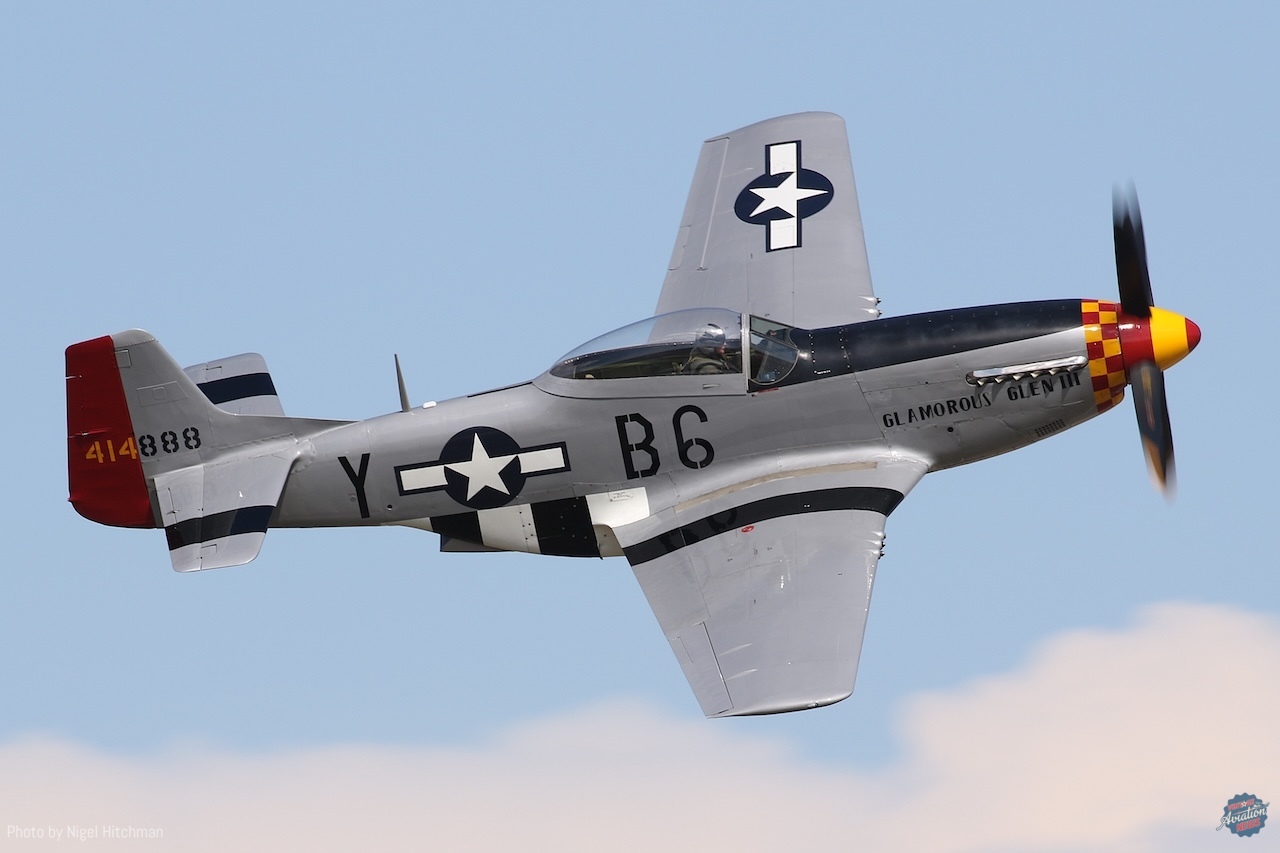
Sadly, we only had one World War II USAAF fighter aircraft flying in the display, which was James Bohanon’s North American P-51D Mustang Glamorous Glen III N3333E. Lone Star Flight Museum’s B-25 was also in the warbird area but remained on the ground.
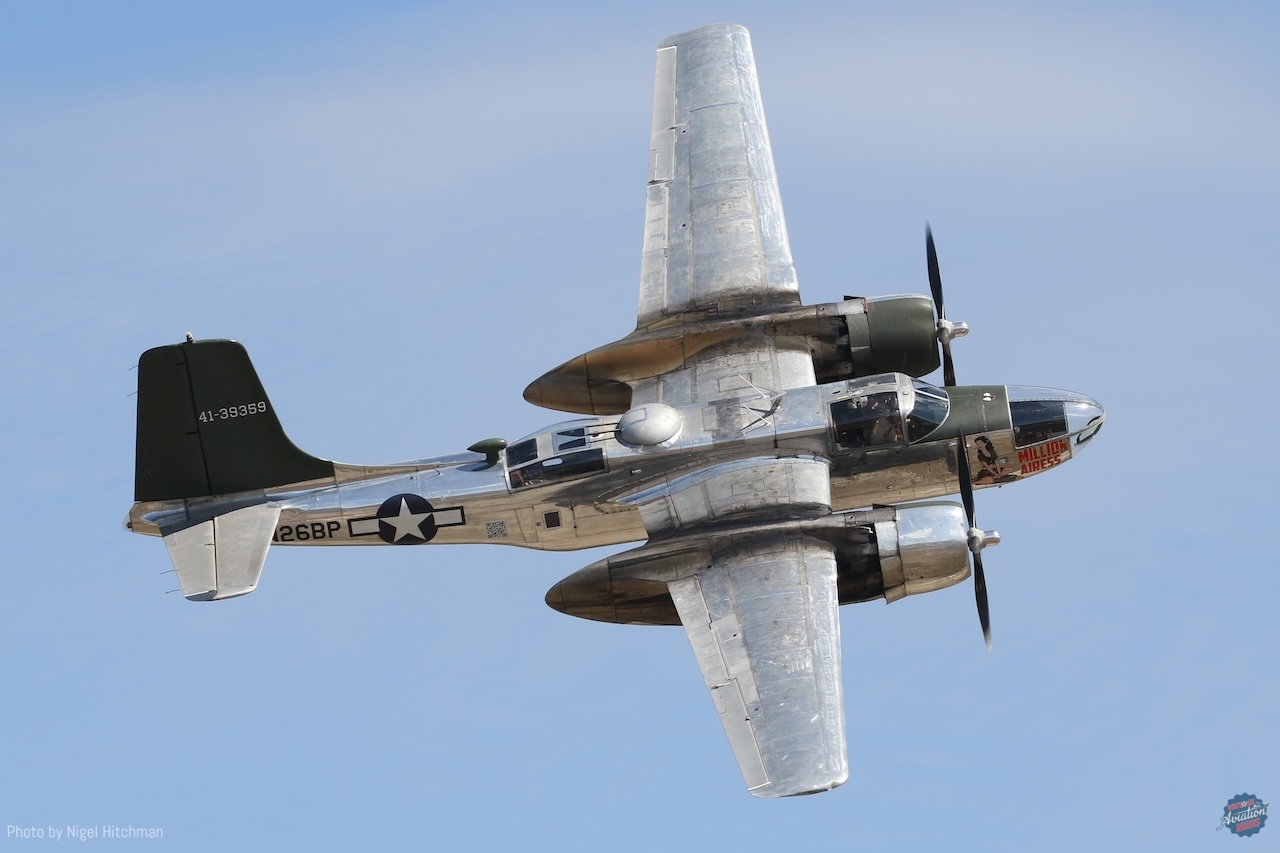
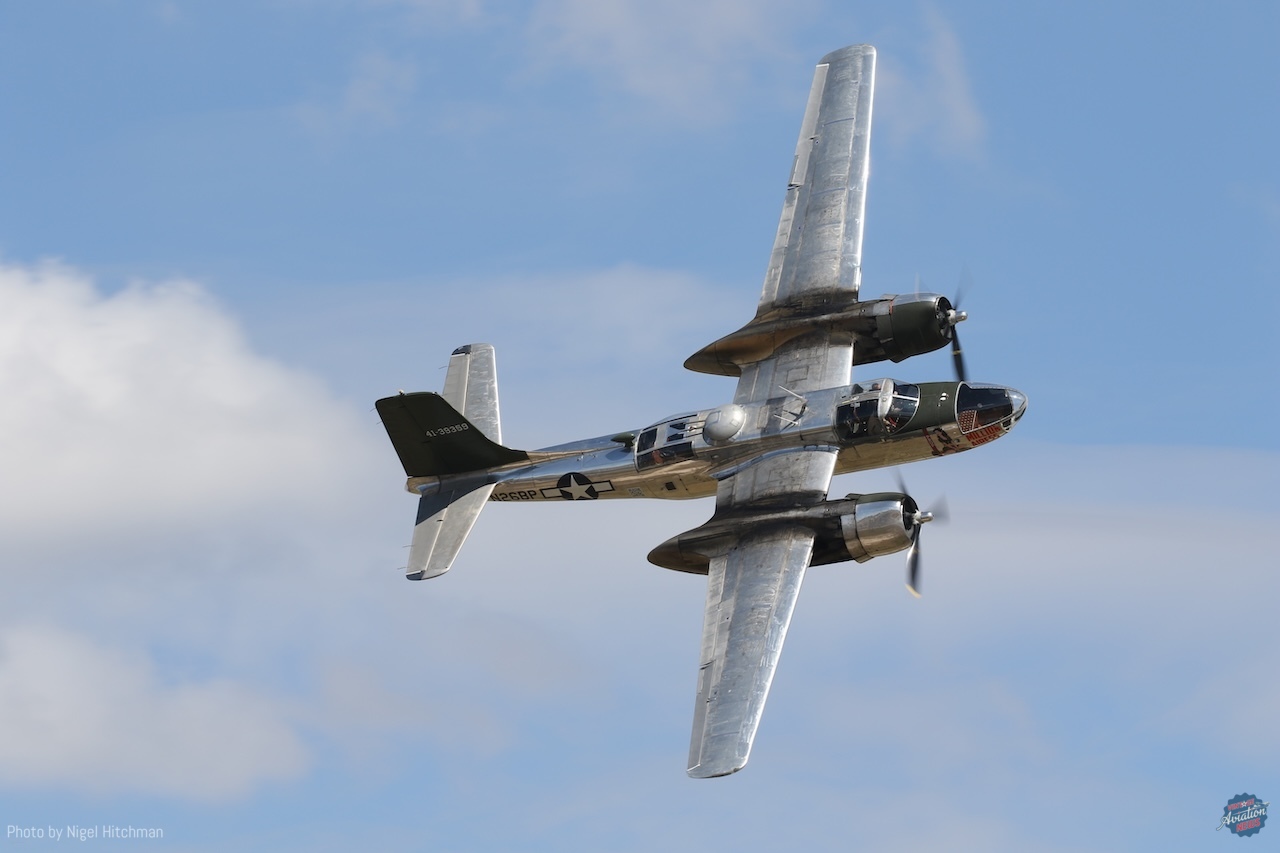
It was good to see two A-26s flying, although not together. Millionairess, A-26C N26BP, gave a great solo display, including several excellent topside passes, and Vintage Flying Museum–based A-26B N260P Night Mission flew in the Vietnam scenario. Funnily, the announcer told us that these were two of only four A-26s airworthy worldwide, but we know there are at least six in the United States and three in Europe, although N167B is currently undergoing overhaul at Meier Motors.
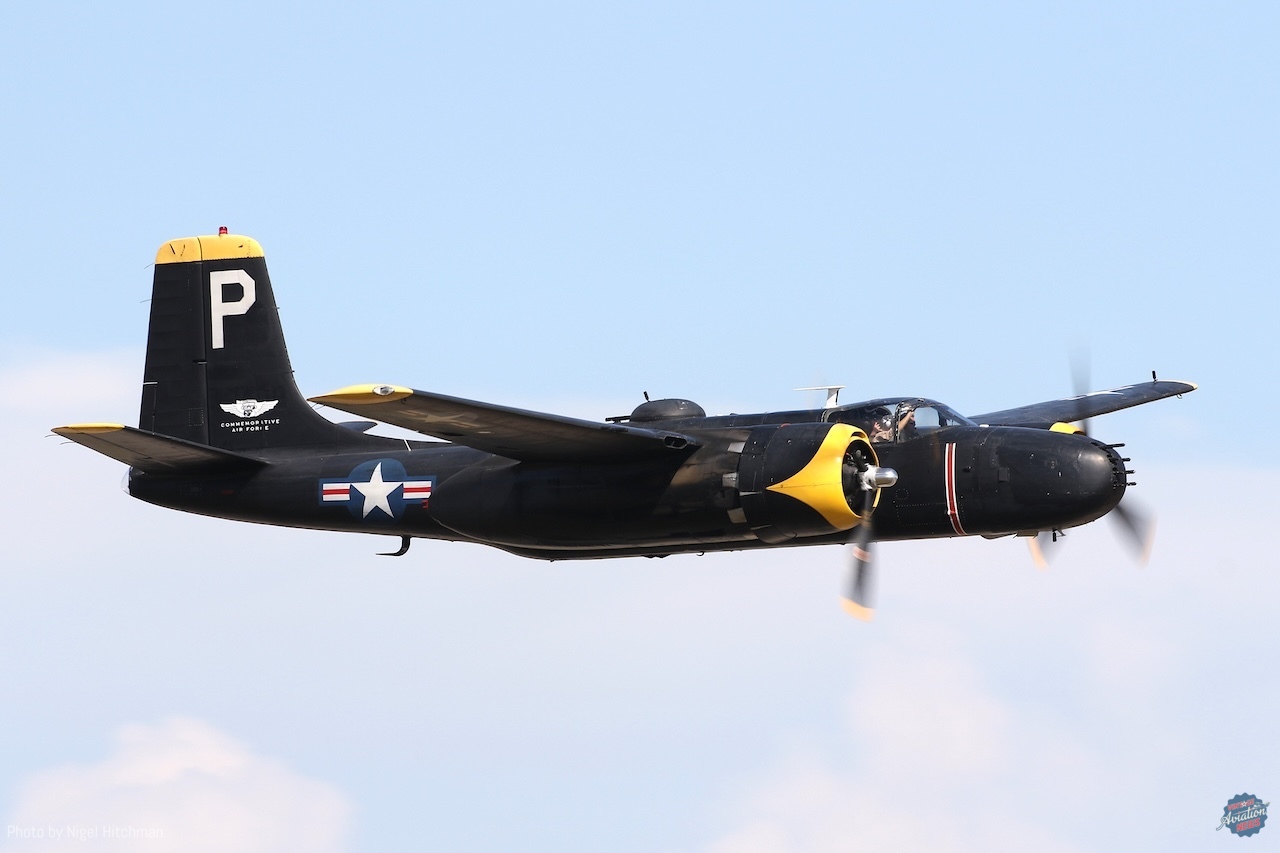
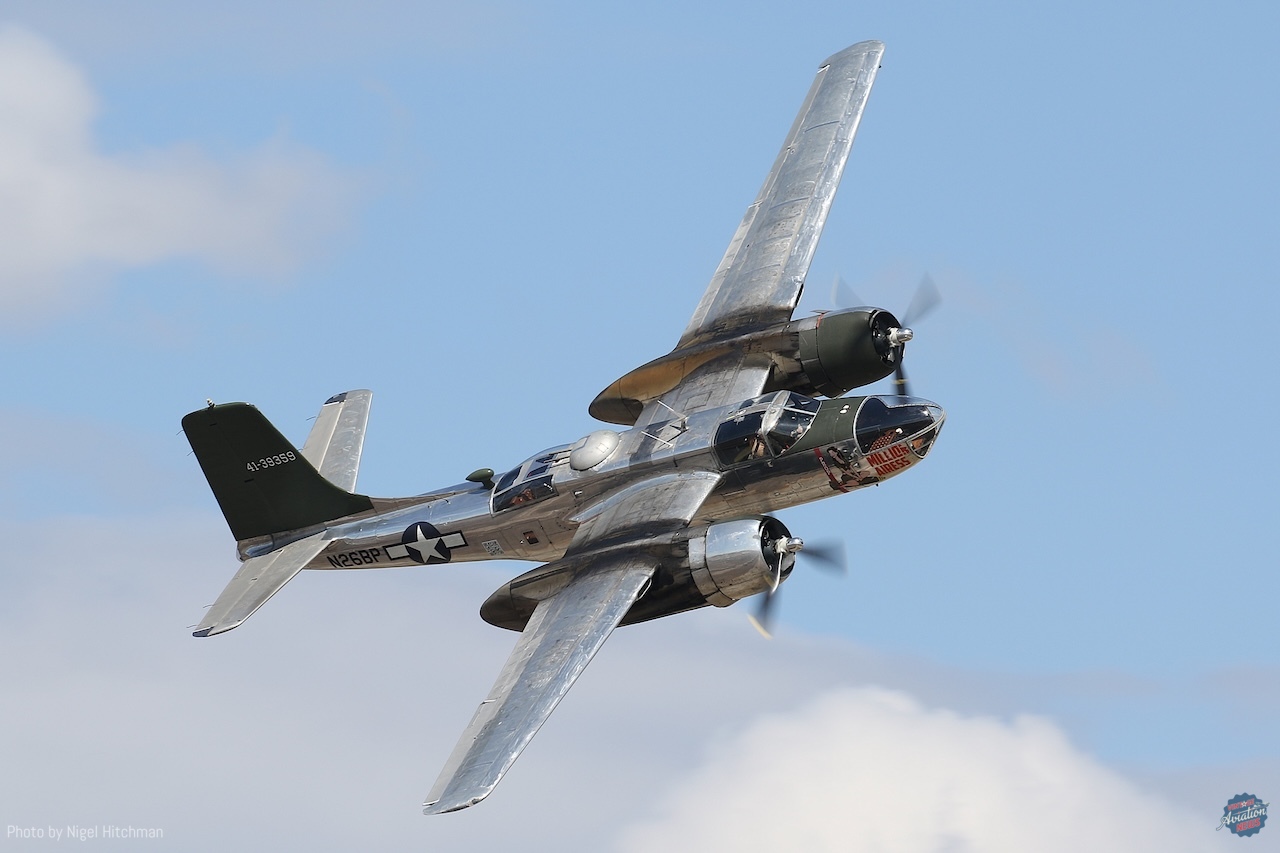
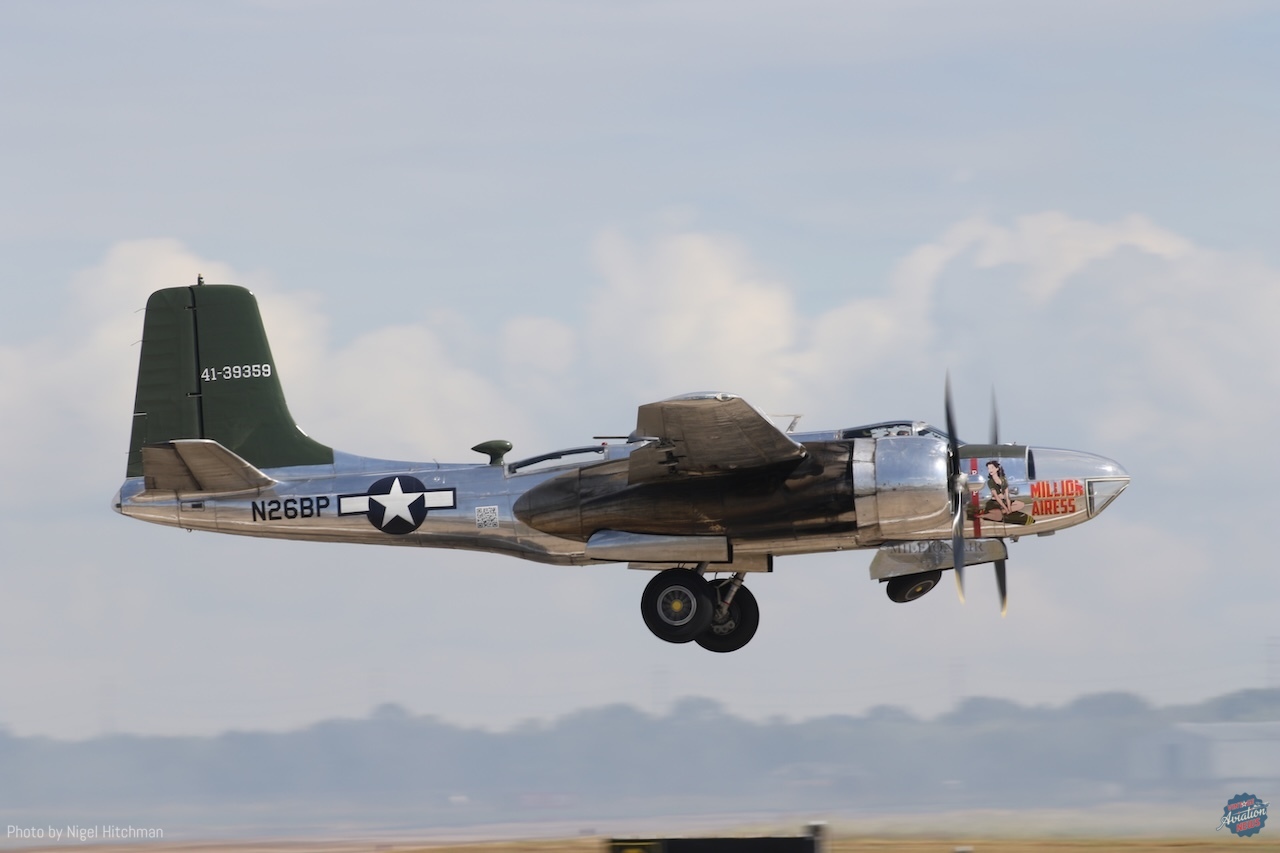
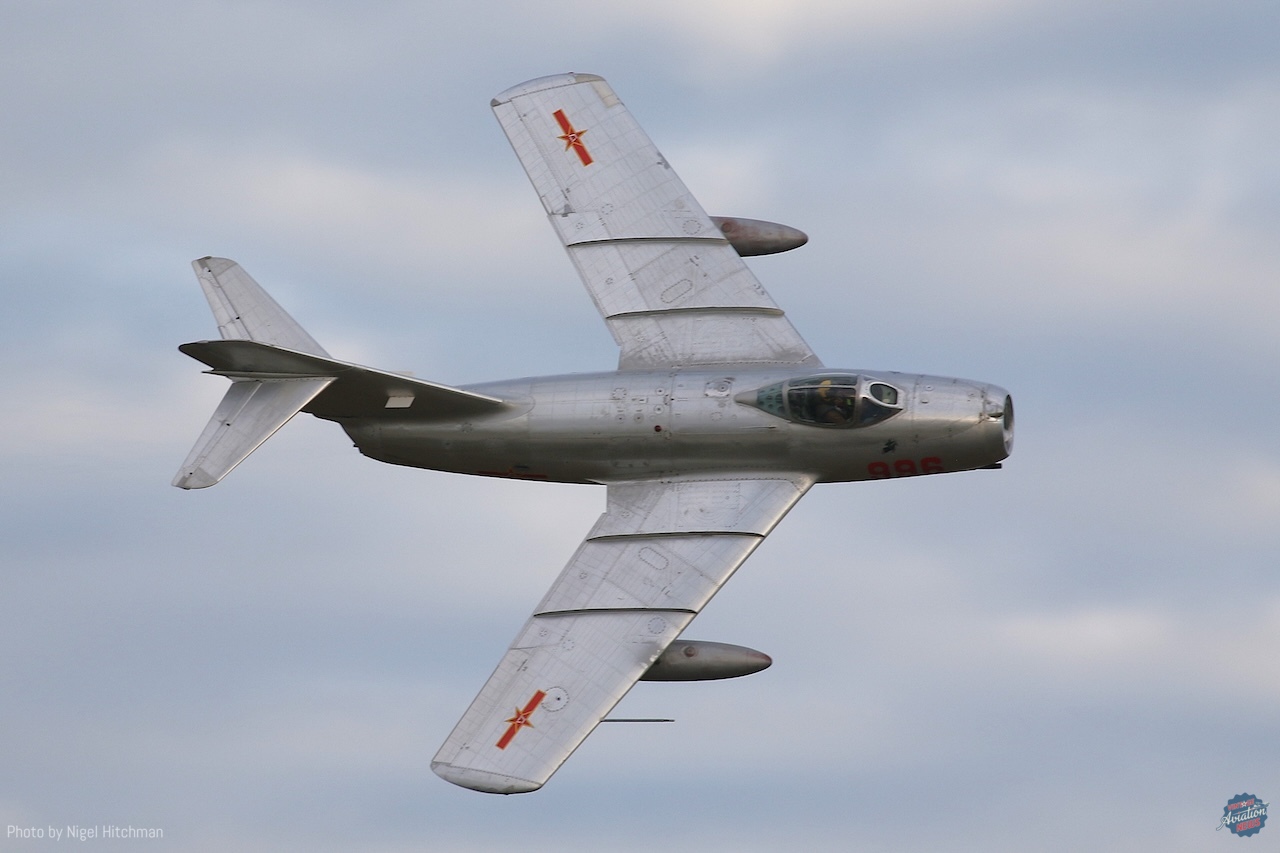
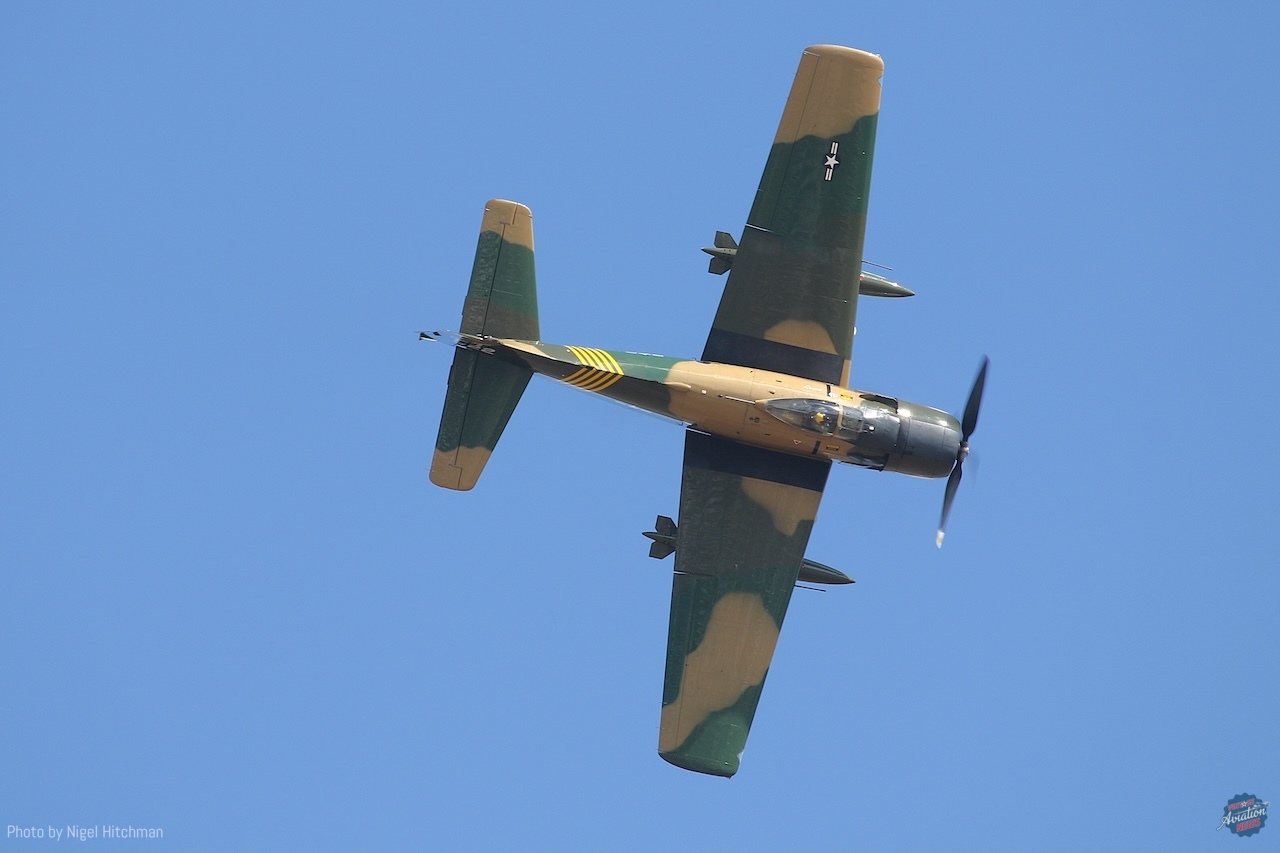
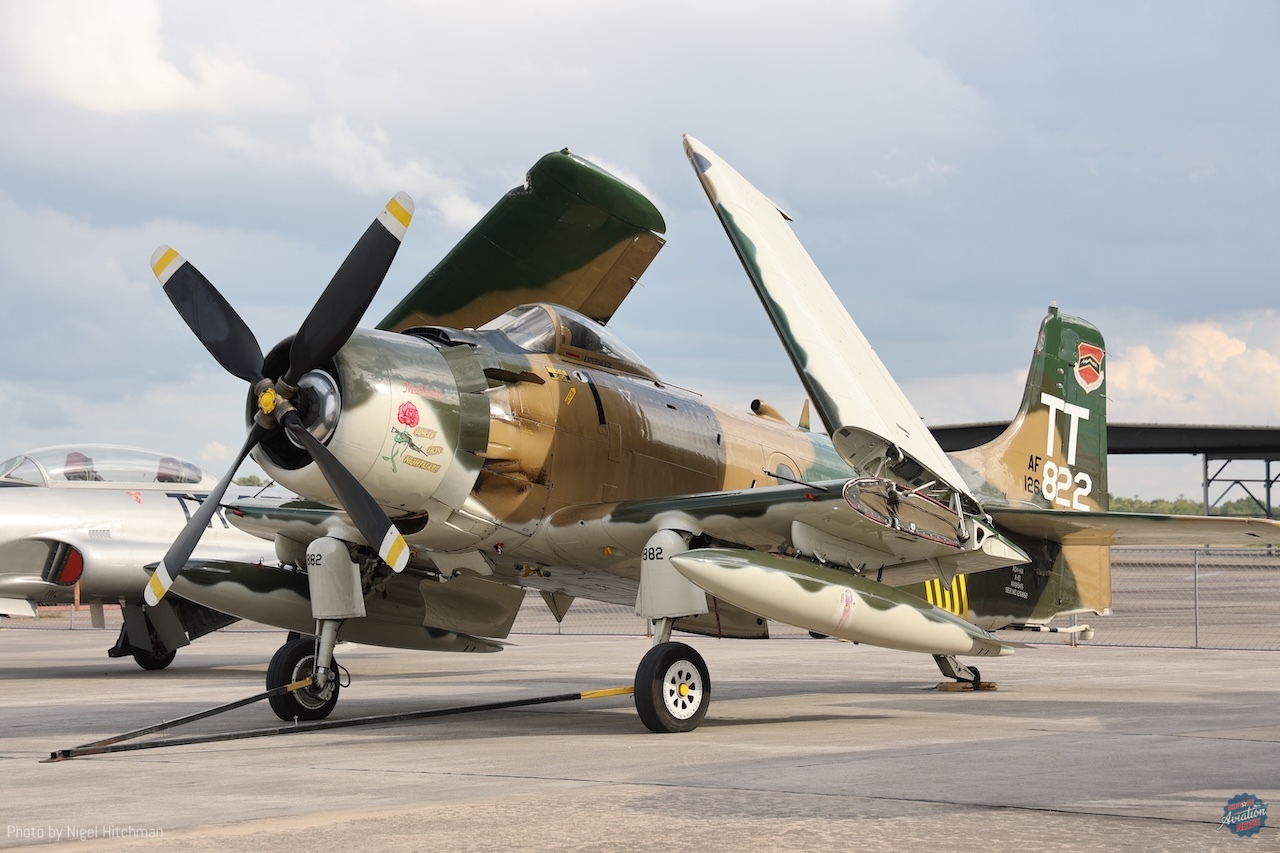
The Vietnam era was represented with a very nice display by the Vietnam War Flight Museum’s Douglas A-1D Skyraider and several flypasts by A-26B N240P Night Mission, while the three CH-46s flew around at low level. On the other side was a nice demonstration by the Vietnam War Flight Museum’s MiG-15 N996.
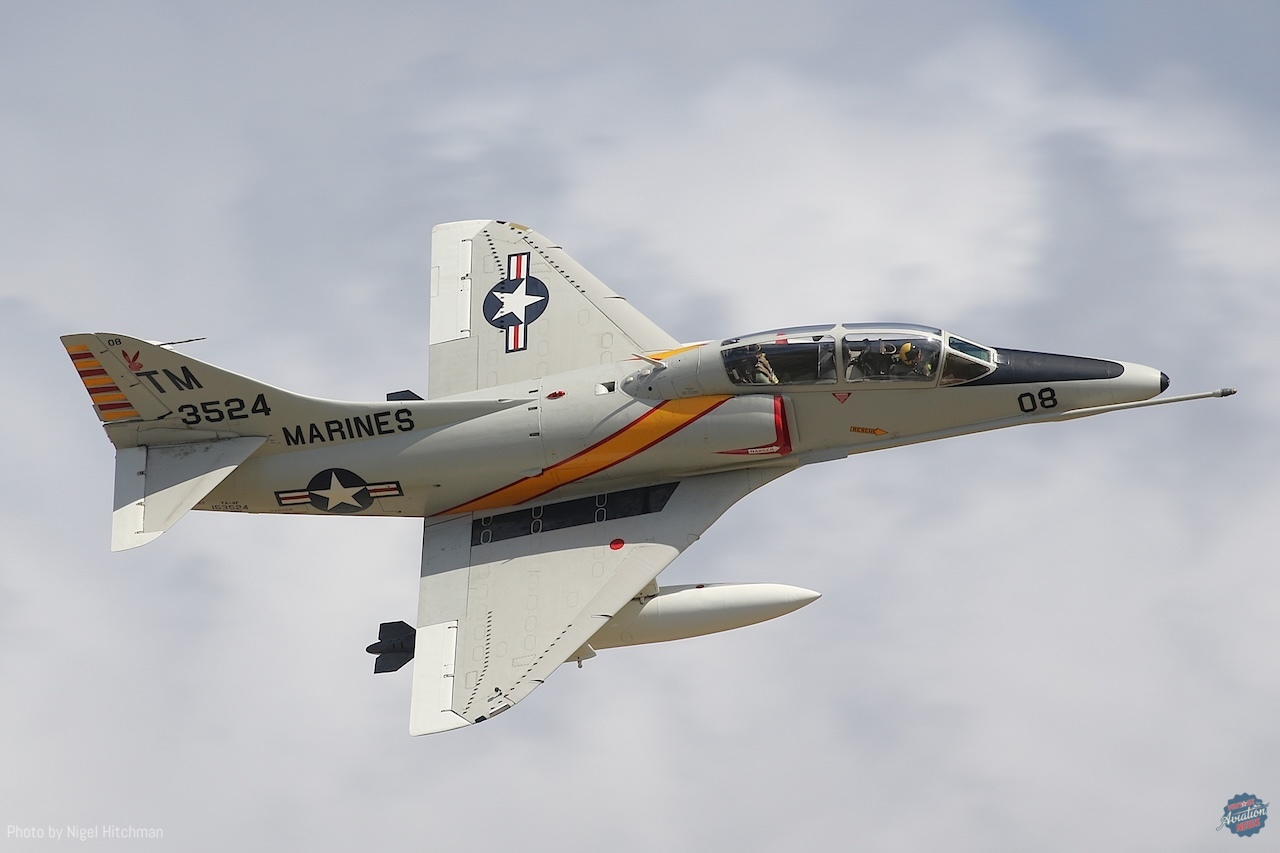
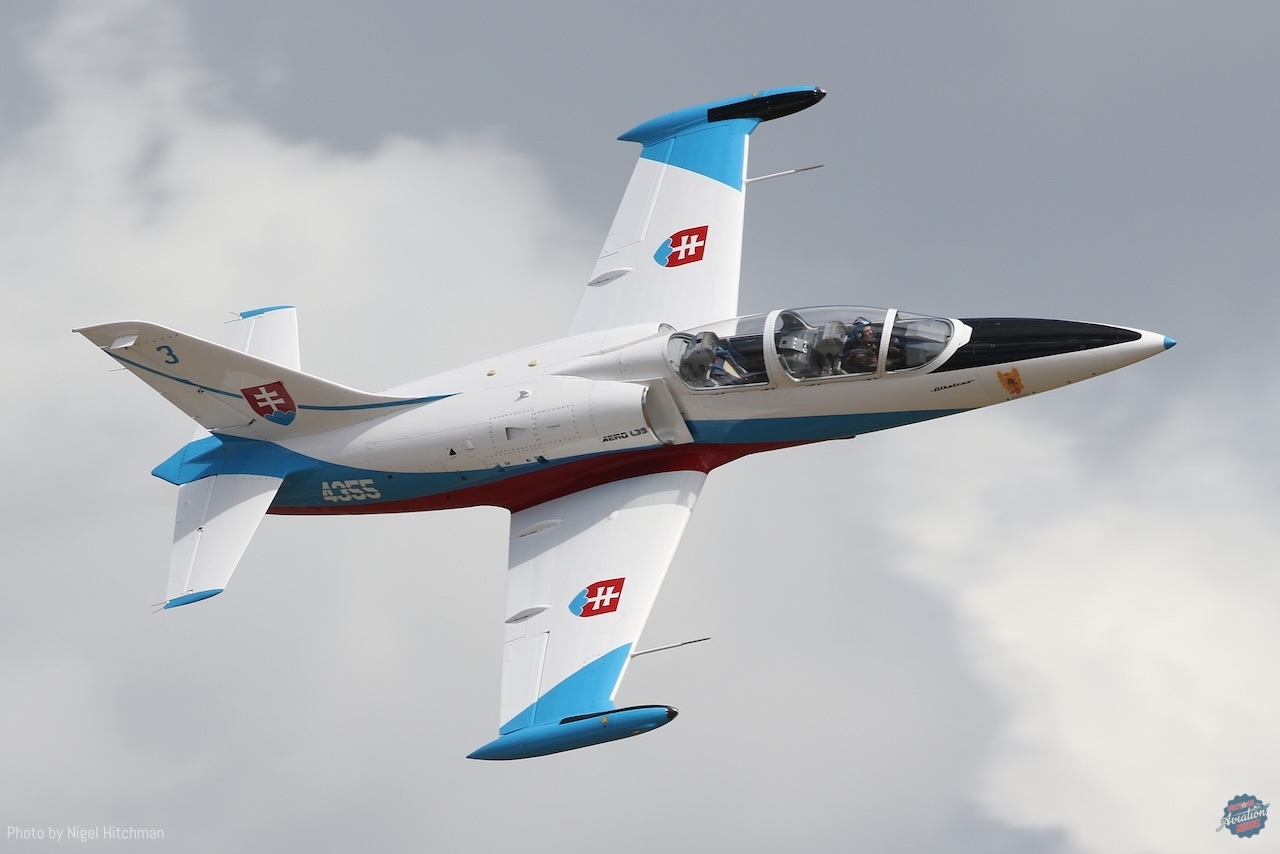
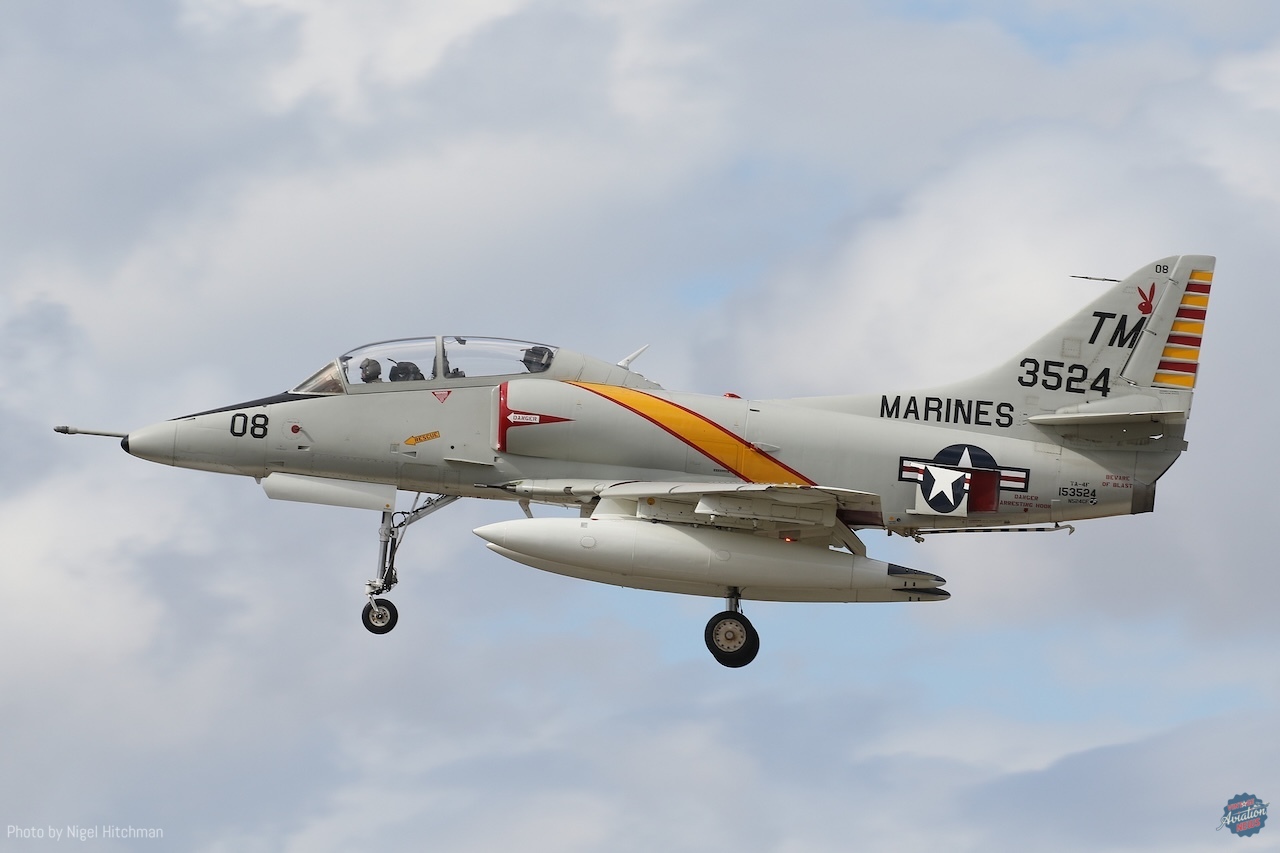
Other jets flying during the day included a couple of Aero Vodochody L-39s, with several more on static display, and the Collings Foundation’s Douglas A-4F Skyhawk N524CF.
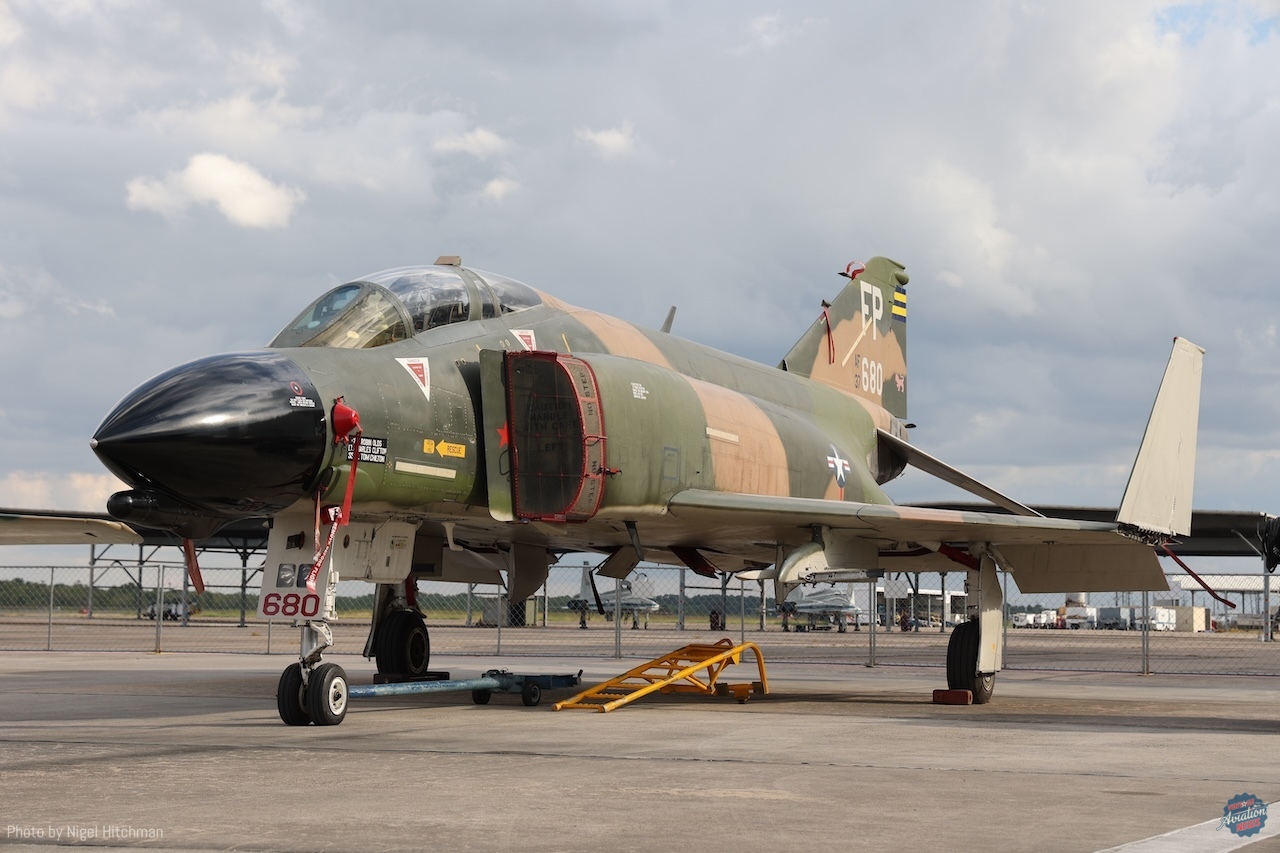
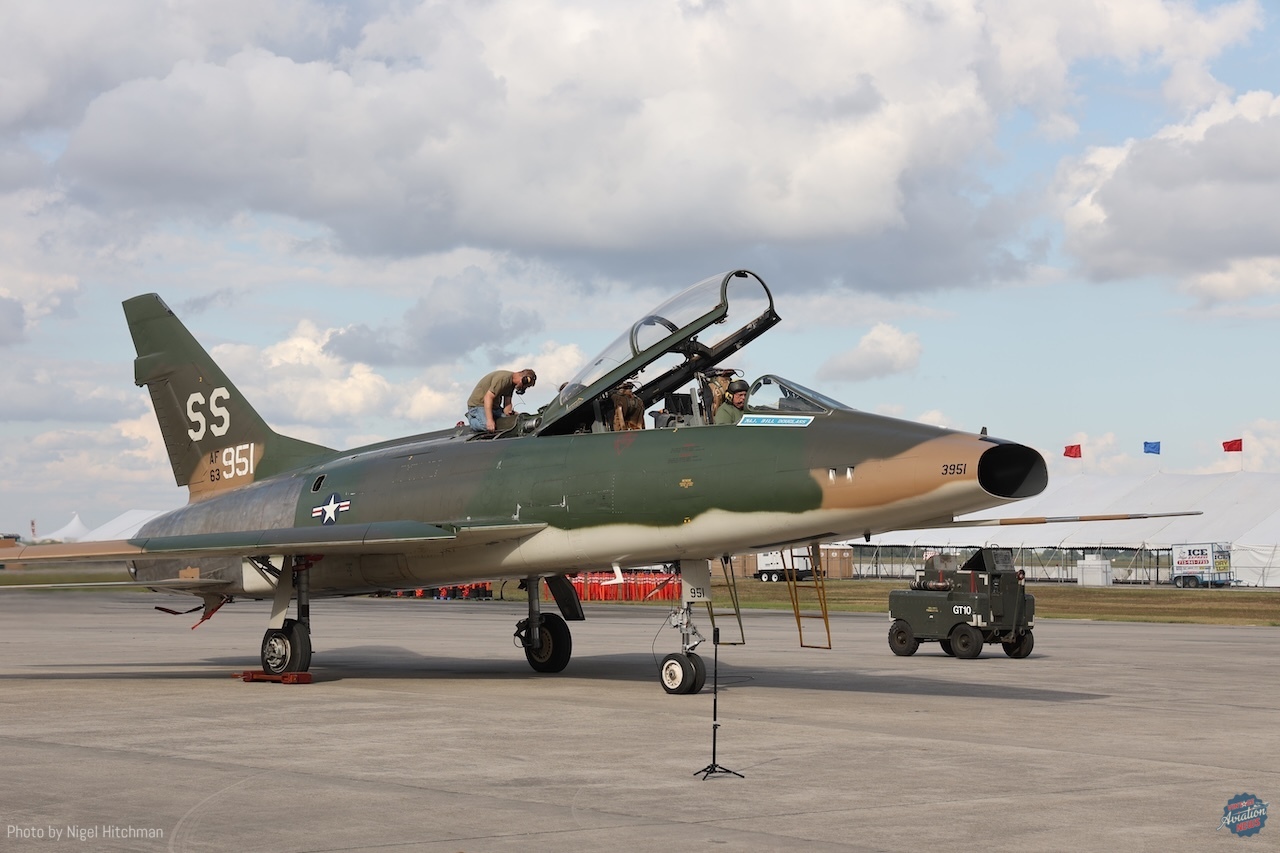
On the Thursday evening before the show, the Collings Foundation’s F-100F Super Sabre N26AZ had an engine run and full systems check and was expected to fly in the show, but unfortunately it didn’t, presumably due to a technical snag. It was on static display along with the F-4 Phantom N749CF, which is currently not flying because the ejection seat certification has expired, a growing problem in the vintage jet world. Hopefully, a solution can be found.
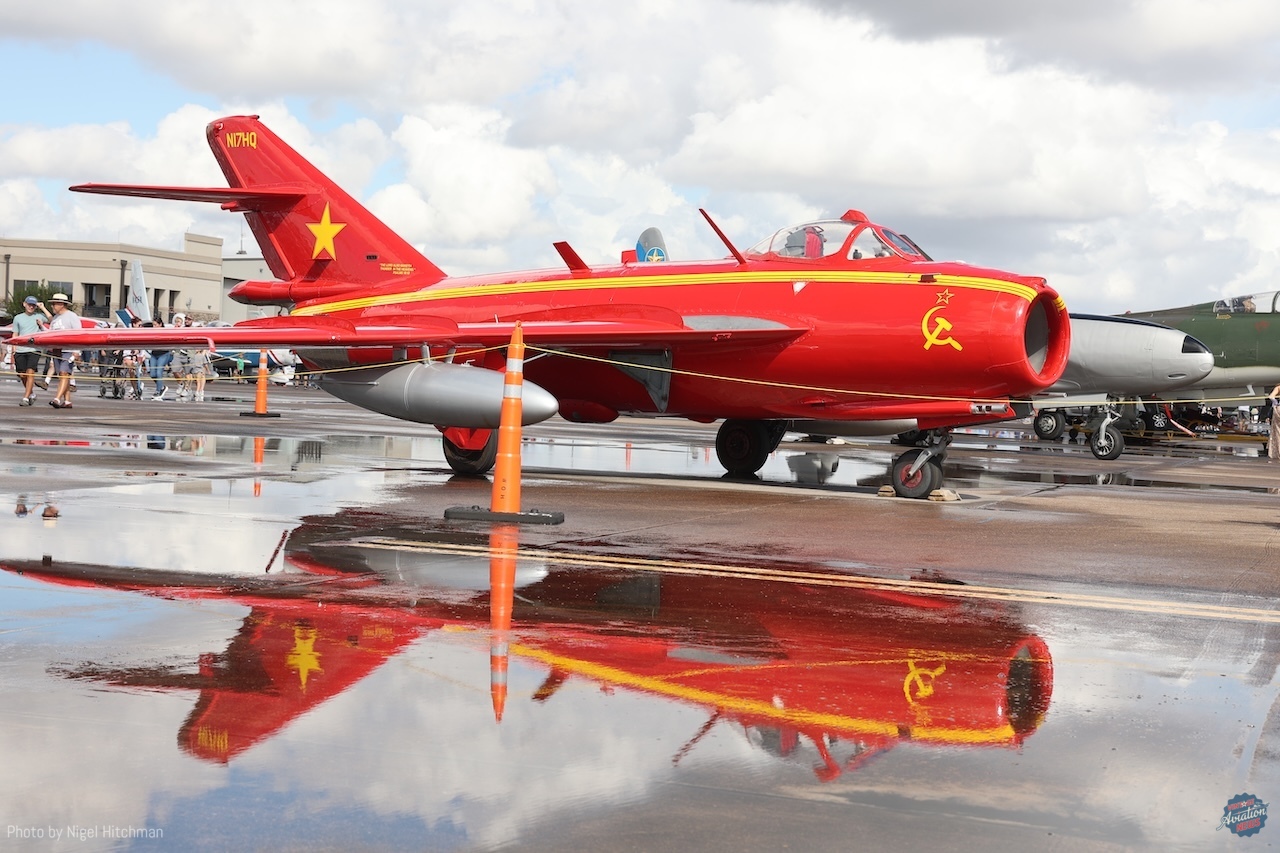
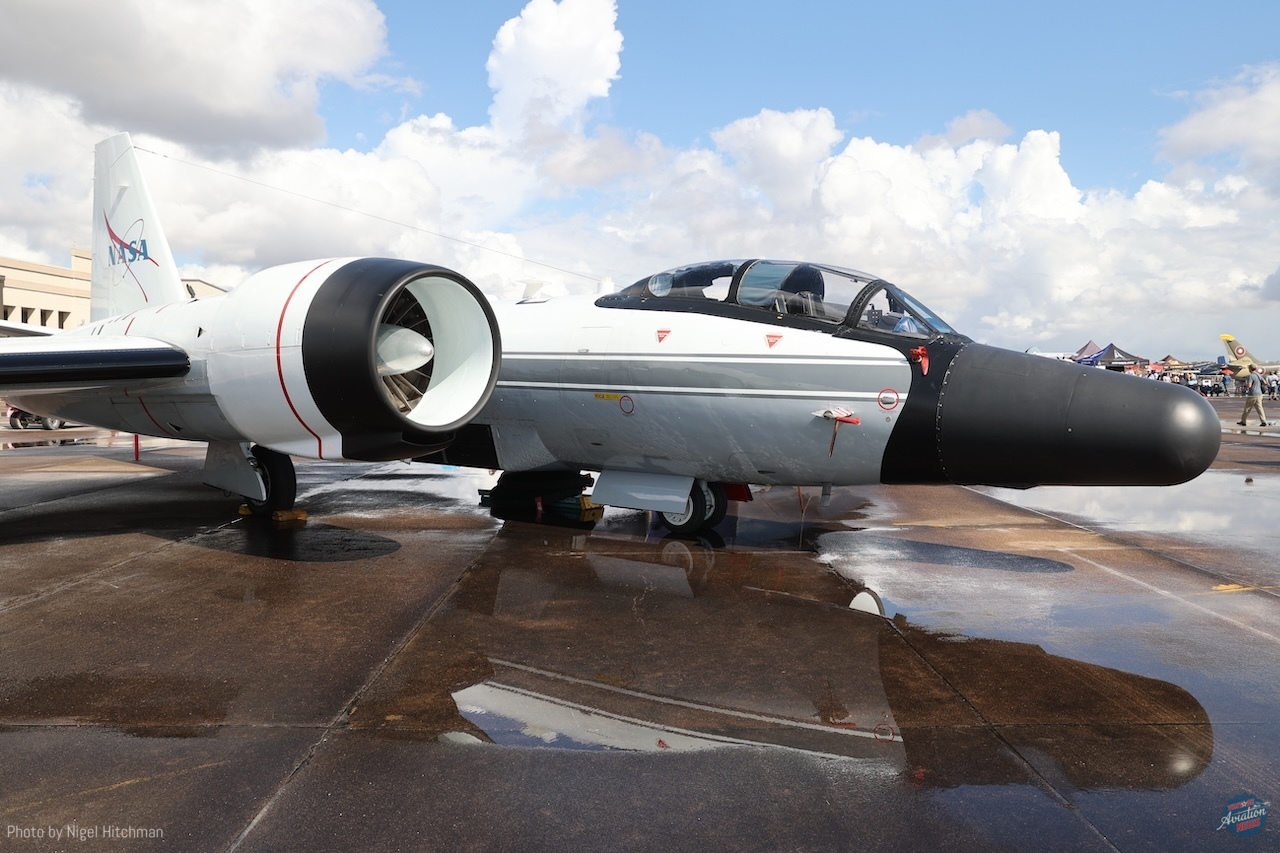
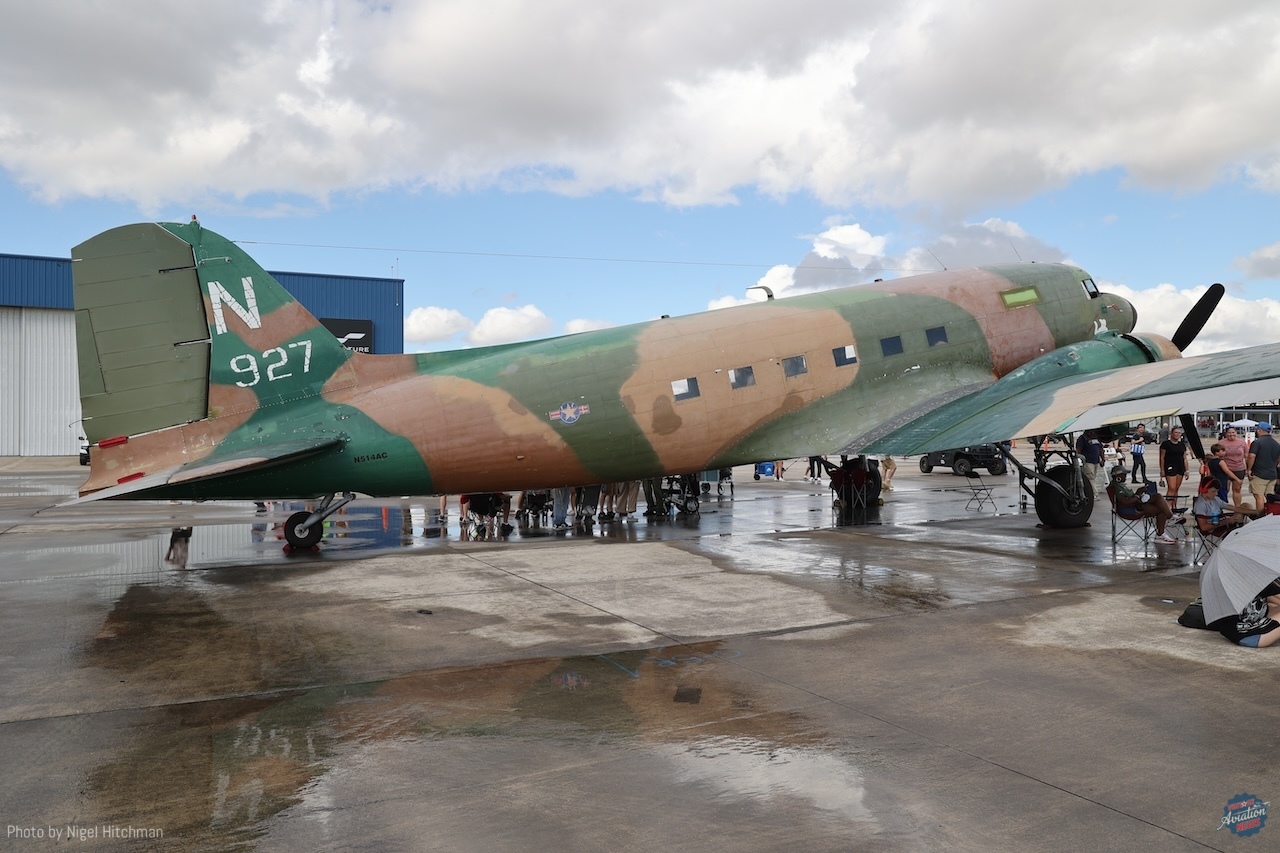
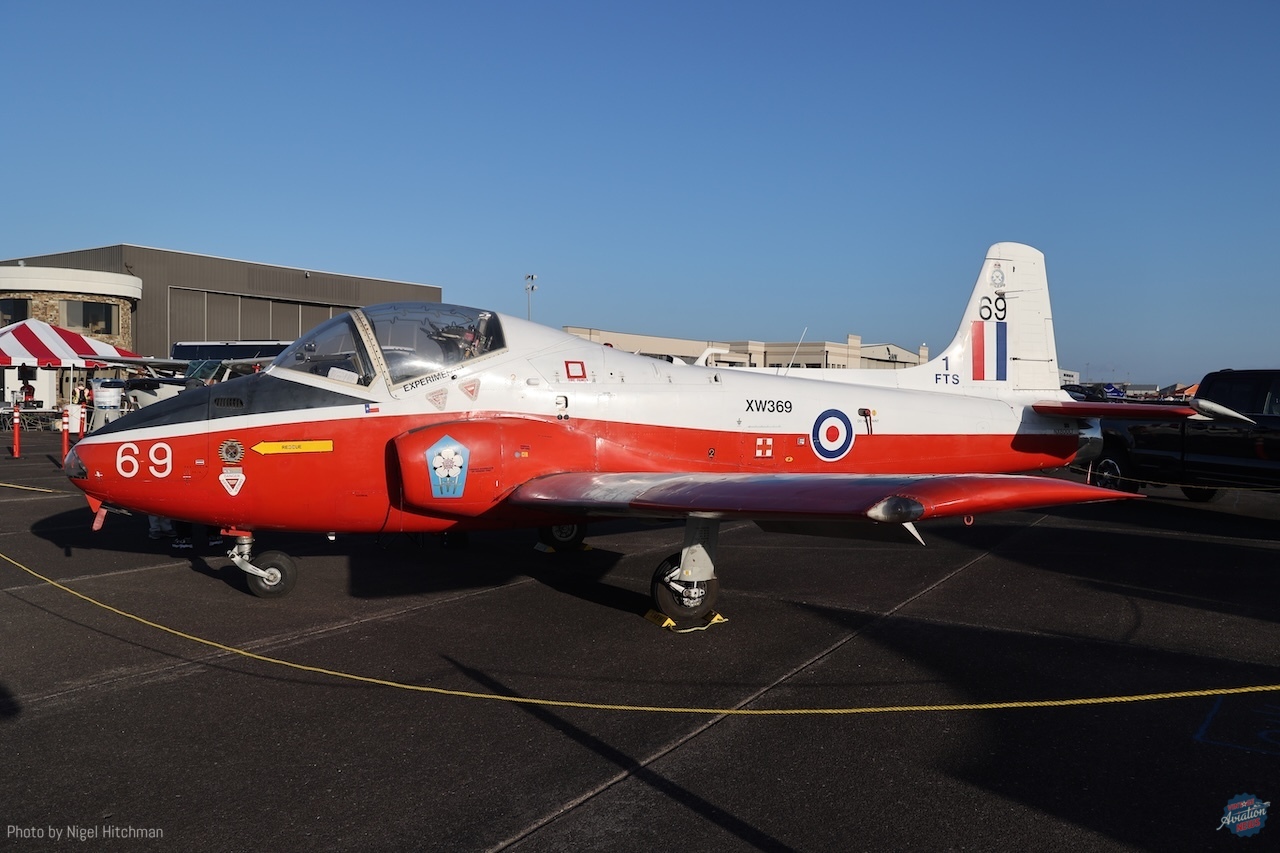
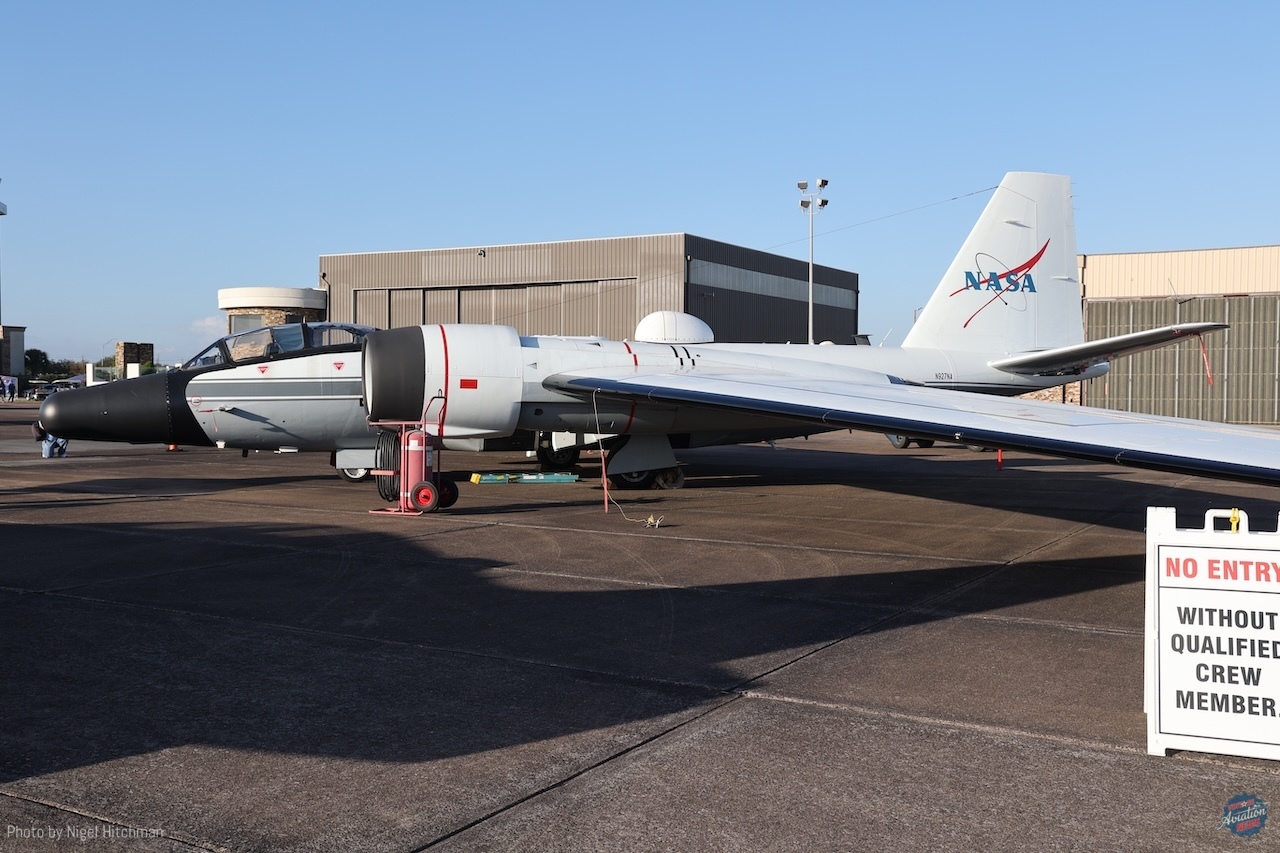
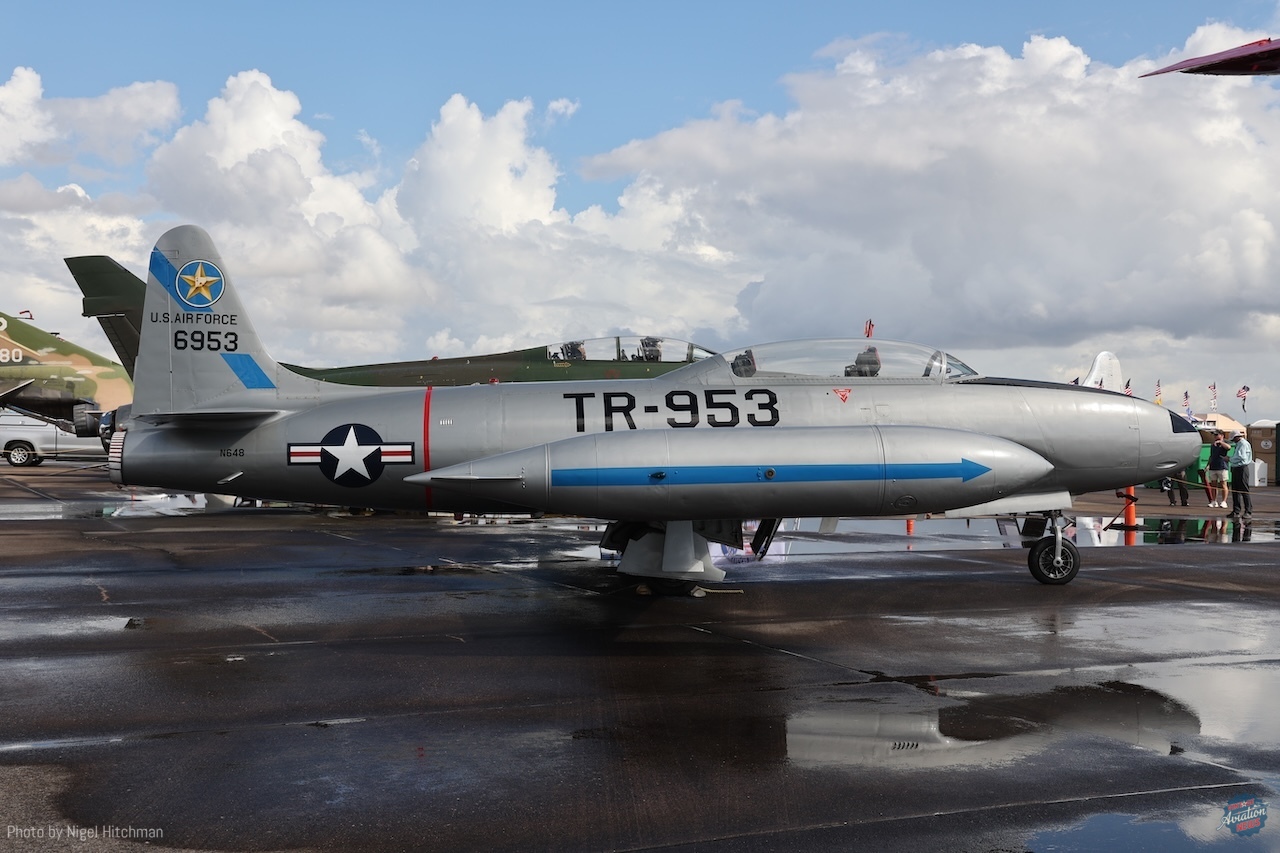
Other jets on static display included the Collings Foundation’s T-33A N648 and the Vietnam War Flight Museum’s MiG-17 N17HQ and BAC Jet Provost T5 N800LT/XW369. NASA had a small presence in the static display with one T-38 and, of more interest, the Martin WB-57 N927NA. Unfortunately, this is the aircraft that suffered a belly landing in January. Making its first public appearance since being acquired by the CAF Gulf Coast Wing was the Douglas AC-47 Spooky N514AC, which had been at CAF Headquarters in Dallas, undergoing extensive work and after the show, flew to Atlanta to be painted. There were several other warbird trainers and liaison aircraft that flew, and even a few flypasts by a United Airlines 777.
Overall, I thought it was a good show. While there were far fewer warbirds than during the glory years of 10-plus years ago, it was a big improvement over my last visit in 2018 and a welcome change of direction. Hopefully they can keep this up, even though a jet team is scheduled to return in 2026. And even better, I had a great flight in the B-29 Doc after the display. Wings Over Houston returns to Ellington Airport on October 31 and November 1, 2026. For more information, visit www.wingsoverhouston.com.