
(Image credit: VAN)
On this day in aviation history, 138 years ago (January 16, 1888), Irish World War I ace pilot Alfred William Saunders was born. Saunders was born in Dublin, Ireland, and his father was Matthew J. Saunders, of County Wicklow. Alfred found his way into the Great War via the Royal Field Artillery, where he was commissioned as a probationary second lieutenant. His service began on May 24, 1915, while serving in the Gallipoli campaign. Saunders’ rank was confirmed on February 9, 1916. Shortly after this confirmation, Saunders transferred to the Royal Flying Corps, where he would train at Catterick Bridge Military School.
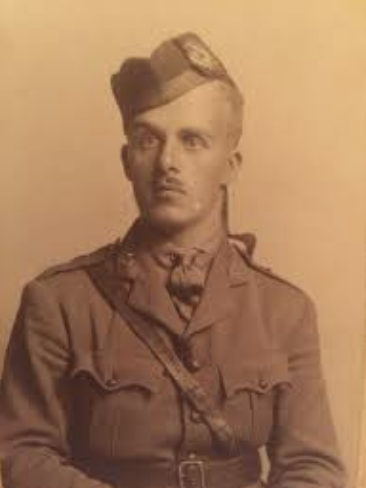
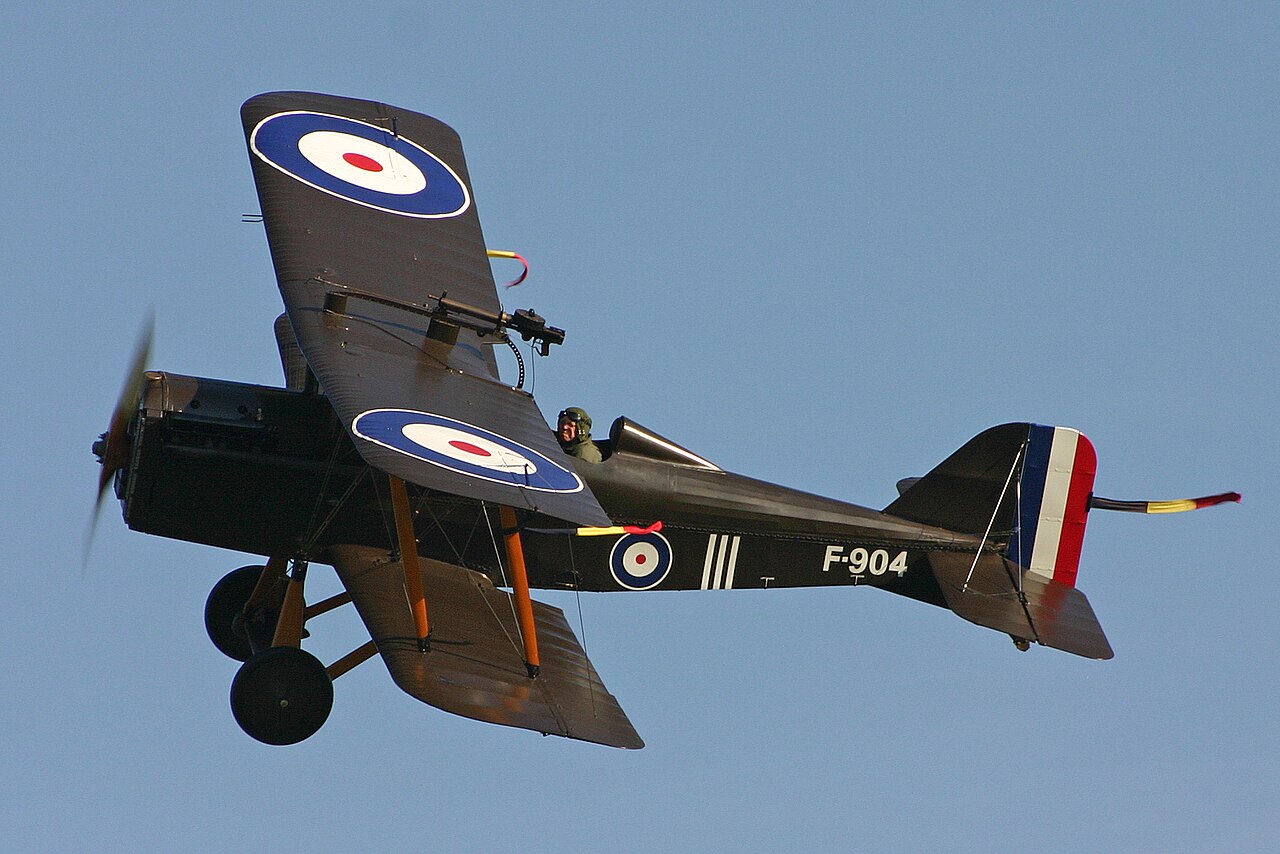
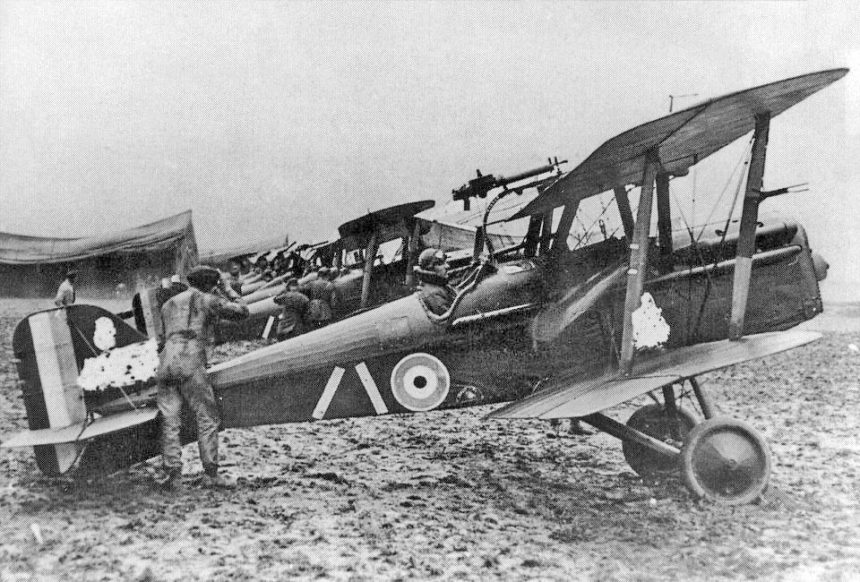
Alfred Saunders earned his Royal Aero Club Aviator’s Certificate, No. 3283, after successful completion of his solo of a Maurice Farman biplane on July 20, 1916. On August 25, 1916, Saunders was appointed as a flying officer. He was assigned to No. 60 Squadron in France and would fly the Royal Aircraft Factory S.E.5 fighter. On May 10, 1918, Saunders recorded his first aerial victory, a German Pfalz D.III fighter. His notable combat flying skills would continue to grow and show results, as Saudners became an ace a month later (June 9), downing a Hannover reconnaissance aircraft over Arras.
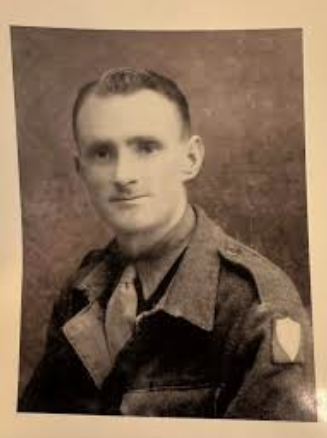
On July 2, 1918, Saunders flew perhaps his most notable mission. Diving from 8,000 feet, leading an attack on six German fighters, Saunders downed a Pfalz D.III. Two other D.IIIs collided while trying to escape Saunders’ chase, and he was credited for destroying all three German aircraft. On August 3, 1918, Captain Alfred Saunders was awarded the Distinguished Flying Cross. By the end of the First World War, Captain Saunders had shot down twelve enemy aircraft. He would go on to serve as an Officer in the reserves until February of 1927. On May 22, 1930, Saunders lost his life while flying passengers in his de Havilland Gipsy Moth. Gone far too soon, Captain Alfred William Saunders left behind a legacy true to a World War I ace.