







By Randy Malmstrom
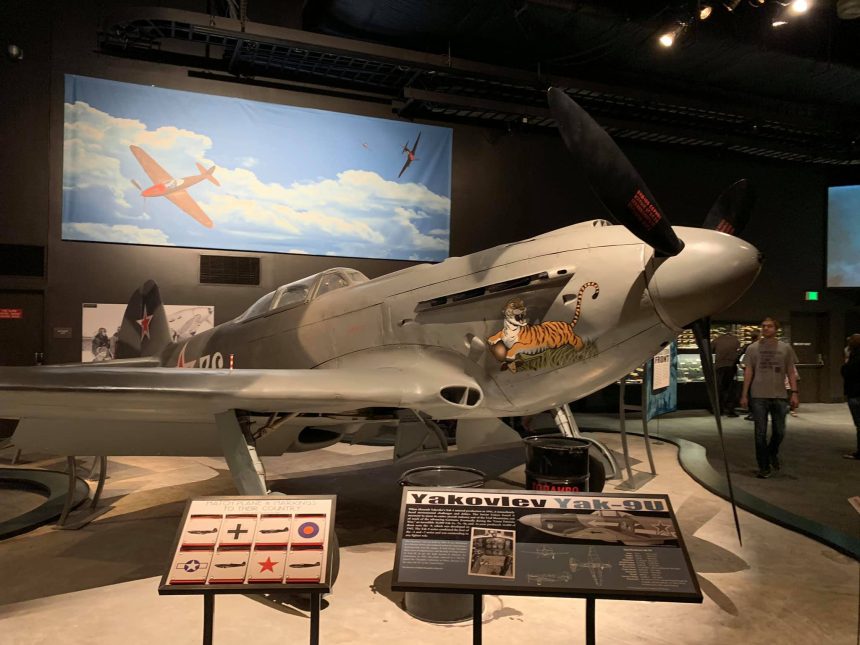
Since his childhood, Randy Malmstrom has had a passion for aviation history and historic military aircraft in particular. He has a particular penchant for documenting specific airframes with a highly detailed series of walk-around images and an in-depth exploration of their history, which have proved to be popular with many of those who have seen them, and we thought our readers would be equally fascinated too. This installment of Randy’s Warbird Profiles takes a look at the Yakovlev Yak-9U, serial number 0815346, on display at the Museum of Flight in Seattle, Washington.
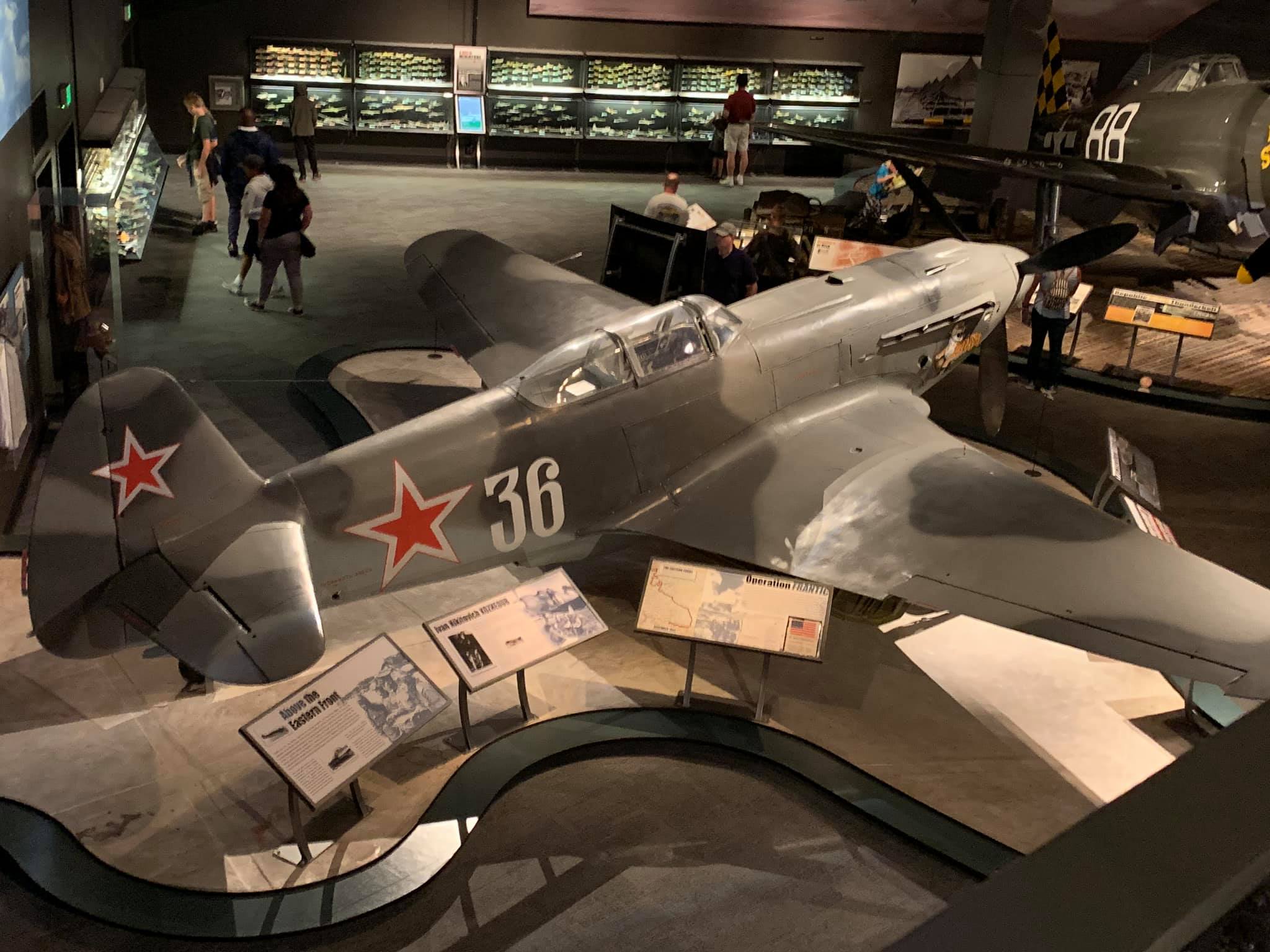
Yakovlev Yak-9U. This particular aircraft was built in 1945 or 1946, served as a target tug, and was abandoned in a forest near Novosibirsk, Siberia, and rendered useless with a hand grenade in the engine compartment. Doug Champlin heard about the aircraft while visiting Siberia in 1992.
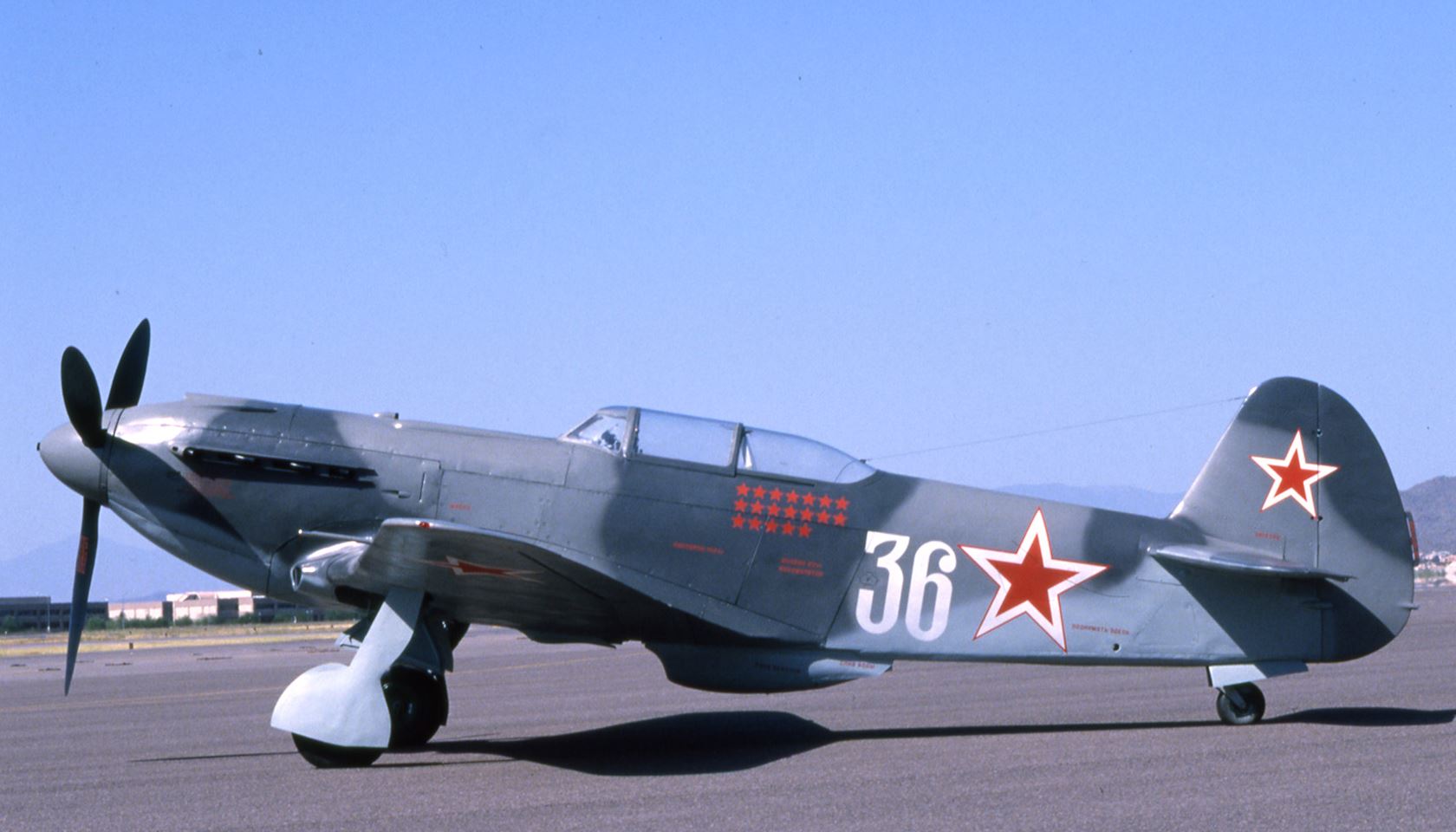
It was rebuilt initially in Moscow by a team arranged by Sergei Kotov and then sent to the Champlin Collection in Mesa, Arizona, in 1996. Russian-made parts on the aircraft include a Klimov engine, the propeller, instrumentation, and other miscellaneous parts. It is painted in the markings of Soviet World War II ace Gen. Georgiy Baevski (19 victories) of the 5th Guards Fighter Aviation Regiment (GIAP, the English equivalent of the Russian Cyrillic acronym) of 1945 and is now on static display at the Museum of Flight, Seattle, Washington. My photos.
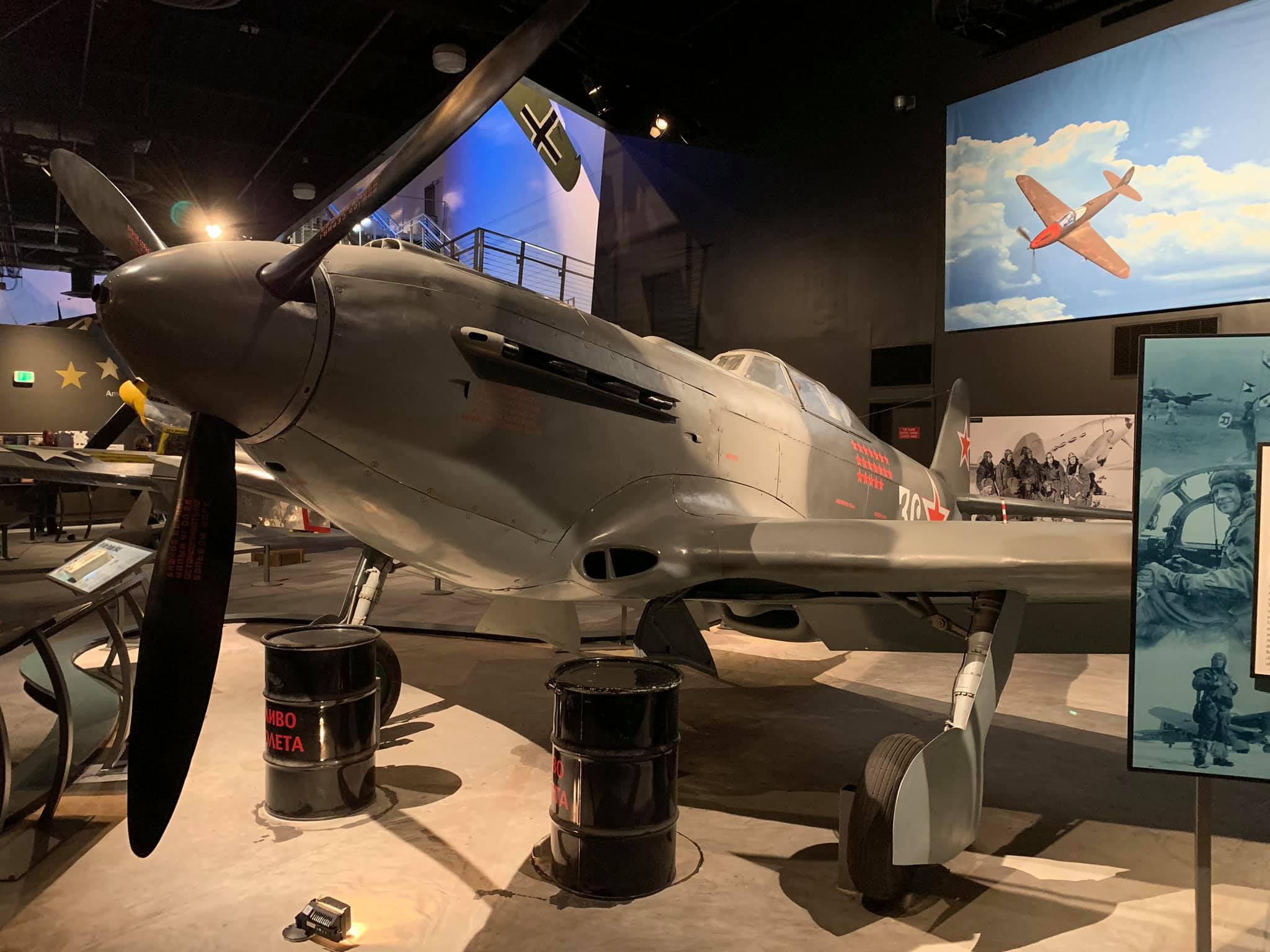
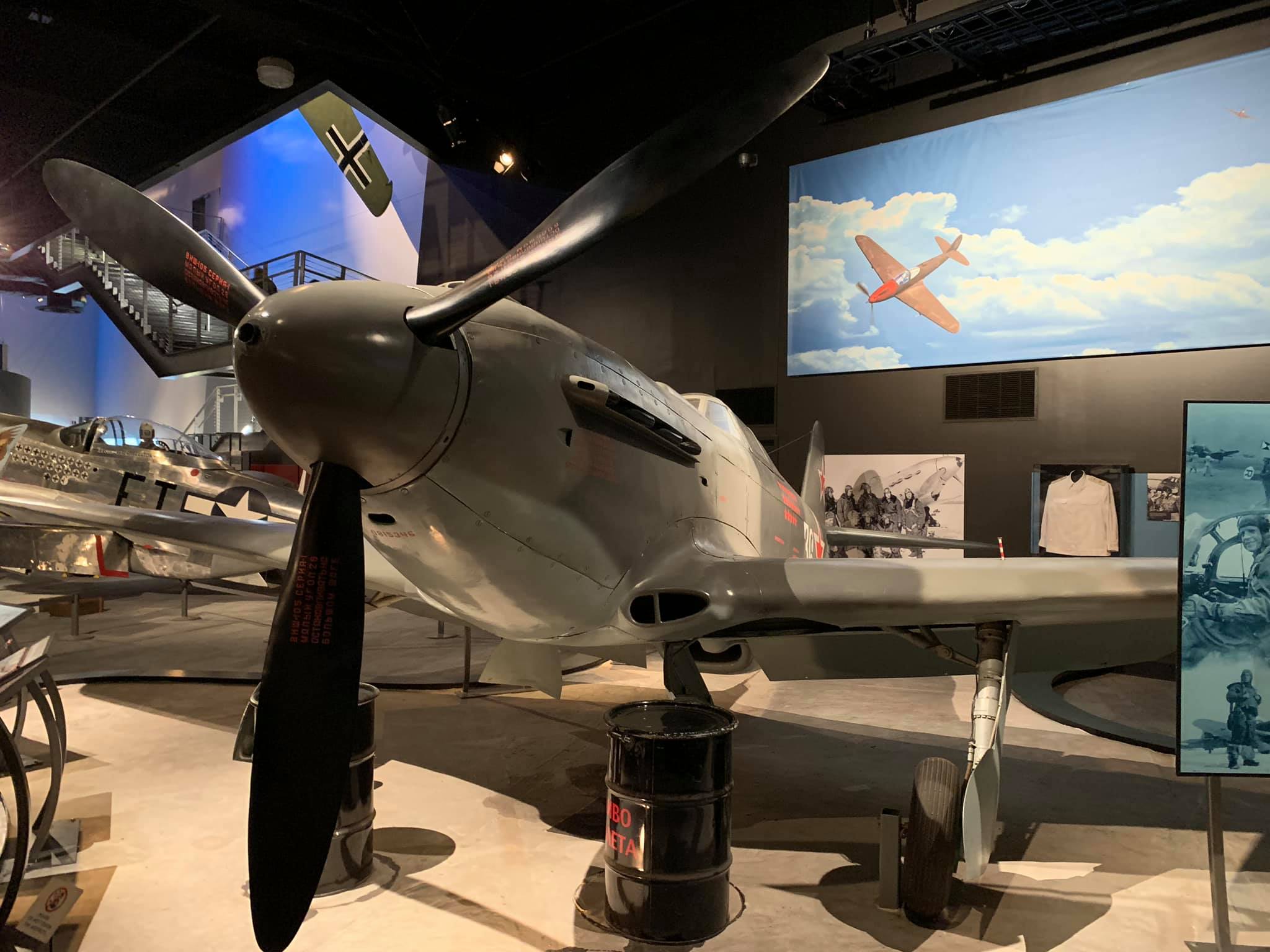
Following the formation of NATO in 1949, the Yak-9 received the NATO reporting name “Frank” even though production had ceased as the aircraft were made available during the Korean War (fighters received NATO reporting or codenames starting with the letter “F”). The Yak-9s also had the nicknames “ястреб” (“Yastrebok” = Hawk) and “острый нос” (“Ostronosyi” = Sharp or Pointed Nose – a generic name used for all inline-engine powered Yak fighters).
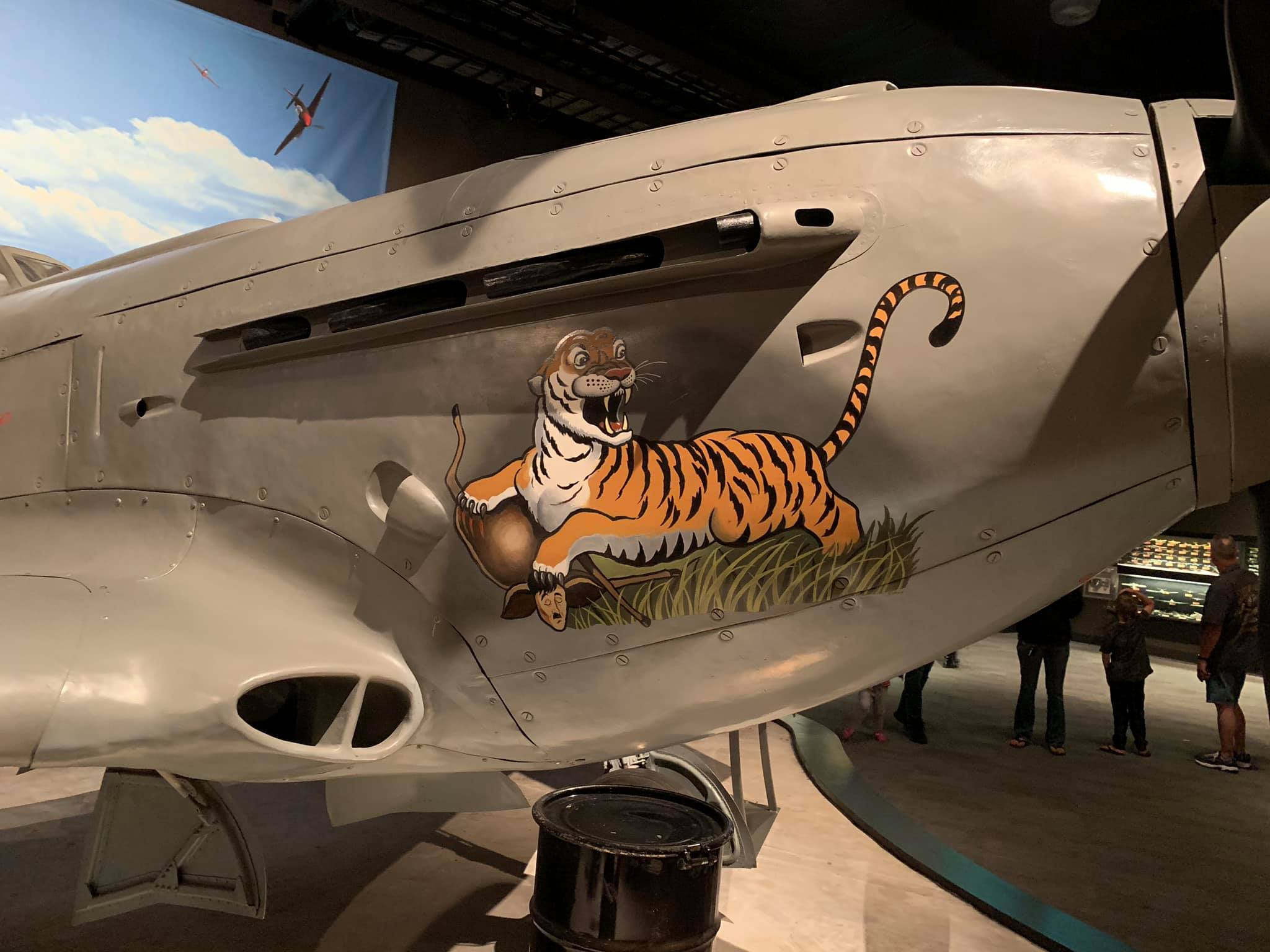
Alexander Yakovlev’s design bureau began producing the Yak-9 in 1942. It first entered combat during the Battle of Stalingrad. It was eventually built in a number of variants (with different armament suites, fuel tank combinations, engines, wings) from ground attack, anti-tank, night fighter, light bomber, long-range escort and interceptor, and ultimately used by a number of militaries around the world, and was used in Korea after production had ceased. In all, over 16,000 Yak-9s were built. The Yak-9 is credited as being the first Russian aircraft to shoot down a Messerschmitt Me-262 (March 1945).
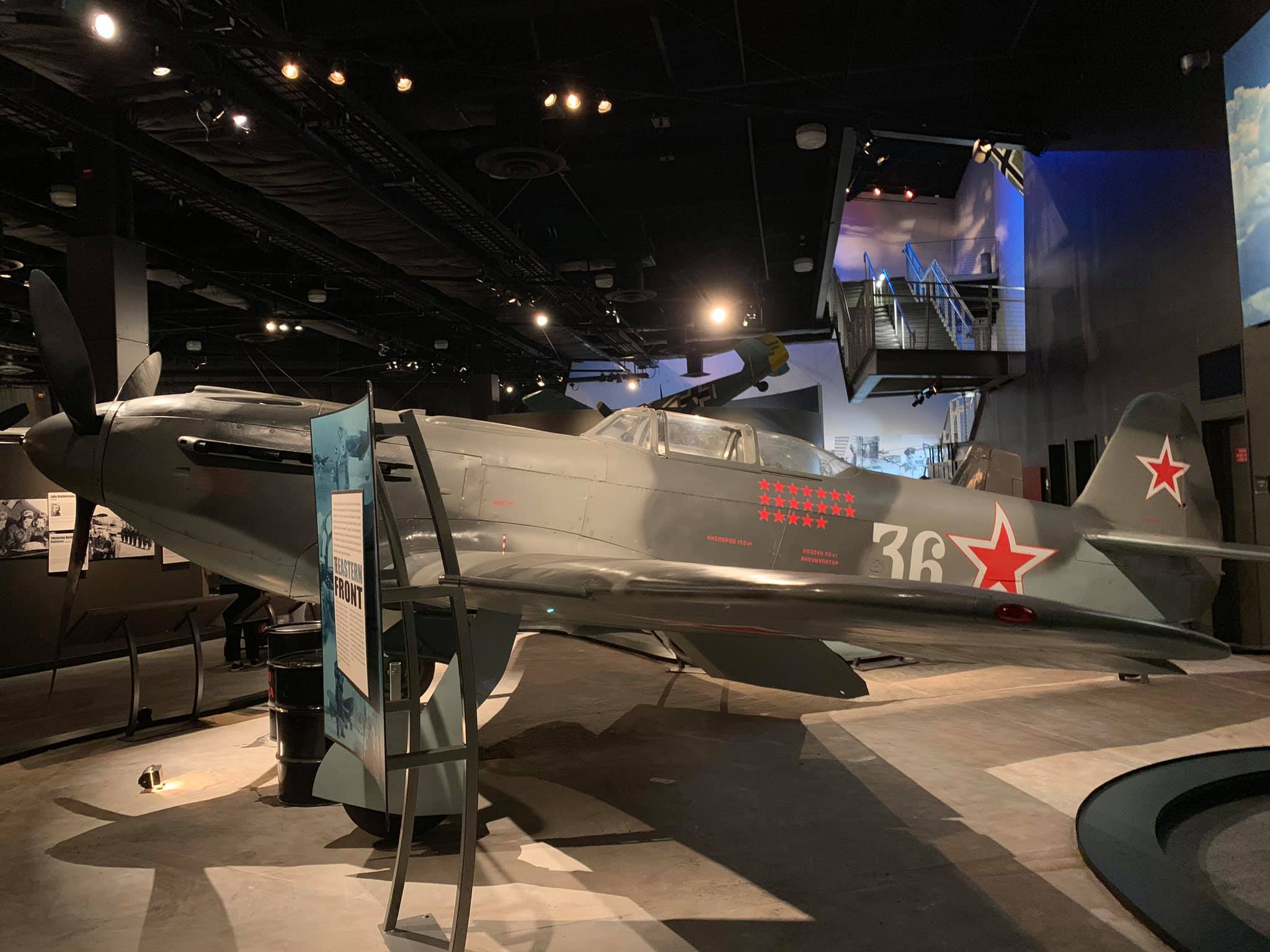
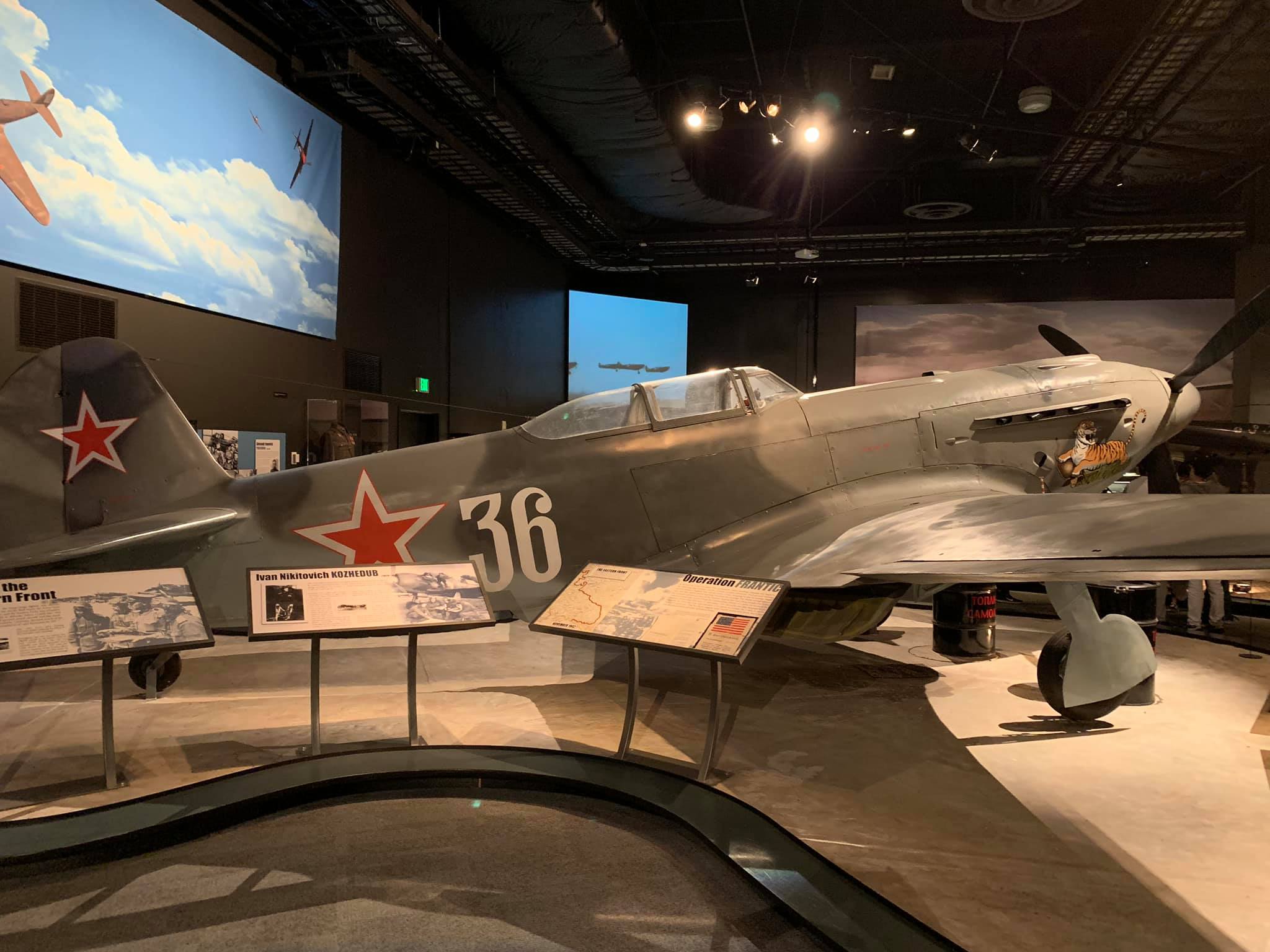
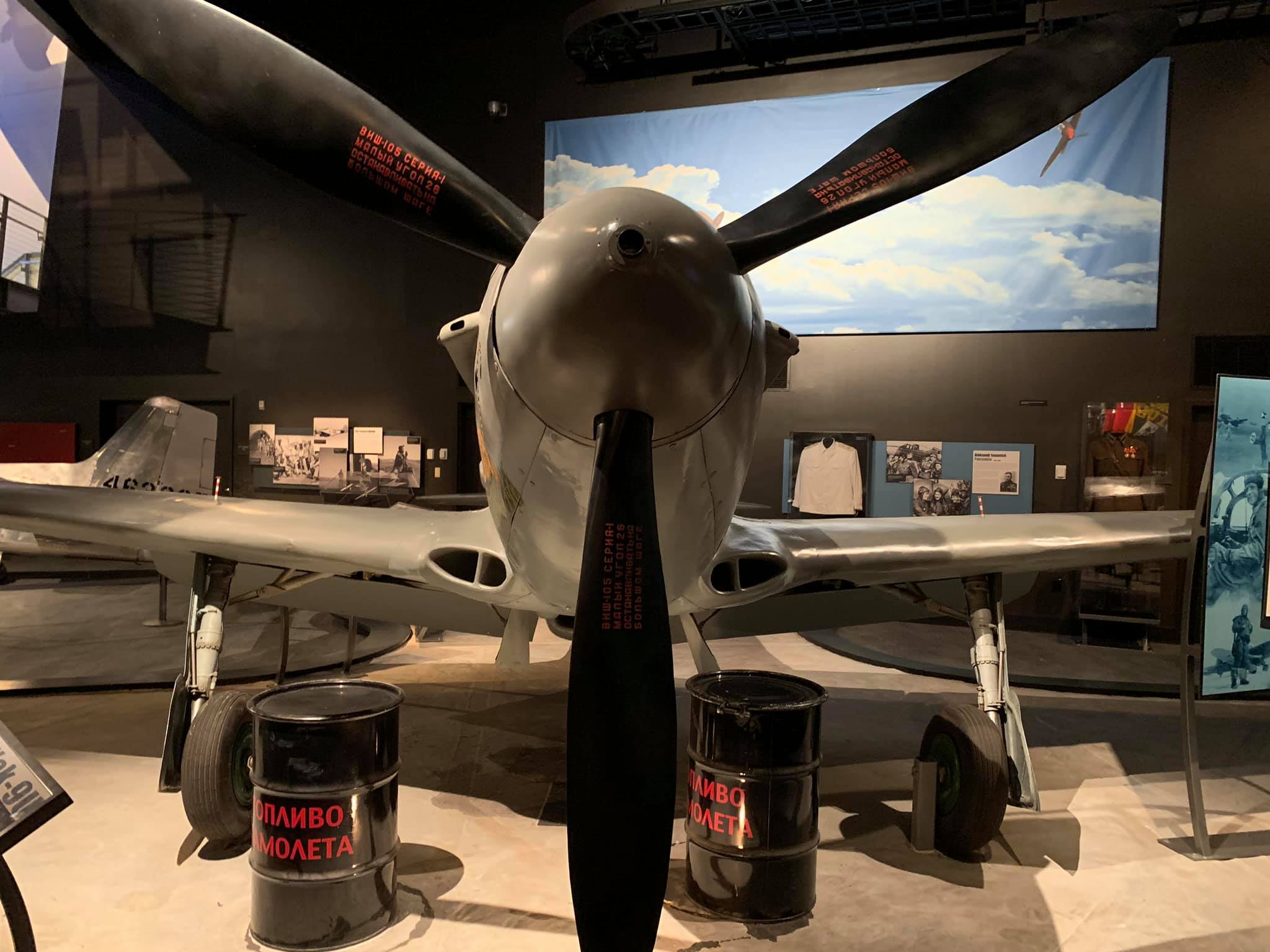
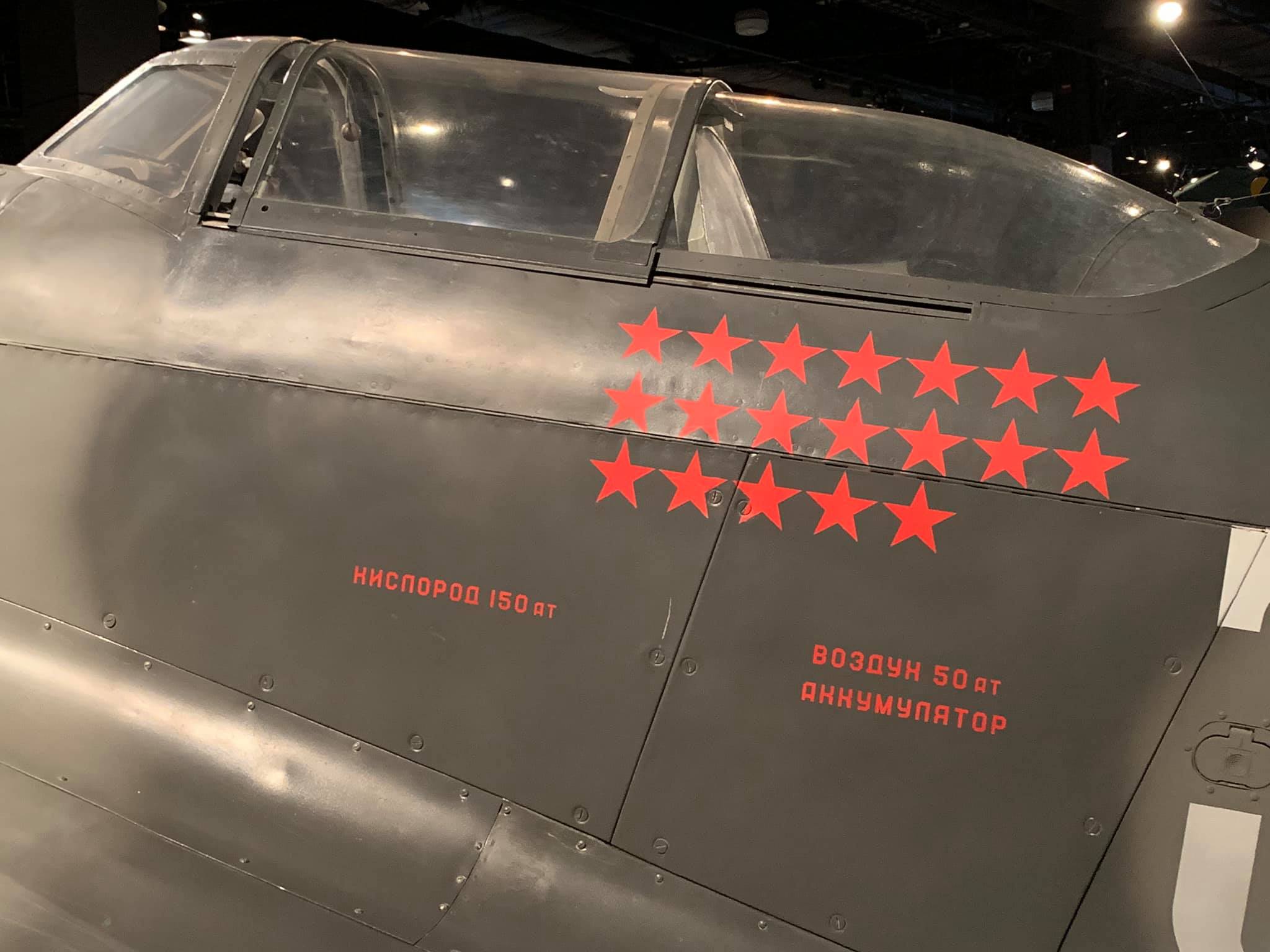
The 9-U variant was introduced in 1944 with a metal frame covered with Bakelite – an early plastic made from synthetics developed in 1907 in New York by Belgian-born chemist Leo Baekland and used for its insulating and non-conductivity properties. The 9-U was powered by a Klimov VK-107A inline engine with 1,230 kW (1,650 hp) and armed with a 20 mm ShVAK cannon in the nose hub and two 12.7 mm machine guns atop the cowling and 200 lb. bombs on wing hardpoints. It has a mechanical landing gear indicator rod (or undercarriage position indicator).
About the author: 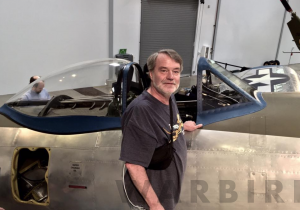 Randy Malmstrom grew up in a family steeped in aviation culture. His father, Bob, was still a cadet in training with the USAAF at the end of WWII, but did serve in Germany during the U.S. occupation in the immediate post-war period, where he had the opportunity to fly in a wide variety of types that flew in WWII. After returning to the States, Bob became a multi-engine aircraft sales manager and, as such, flew a wide variety of aircraft; Randy frequently accompanied him on these flights. Furthermore, Randy’s cousin, Einar Axel Malmstrom, flew P-47 Thunderbolts with the 356th FG from RAF Martlesham Heath. He was commanding this unit at the time he was shot down over France on April 24th, 1944, and spent the rest of the war as a prisoner of war. Following his repatriation at war’s end, Einar continued his military service, attaining the rank of Colonel. He was serving as Deputy Wing Commander of the 407th Strategic Fighter Wing at Great Falls AFB, MT, at the time of his death in a T-33 training accident on August 21, 1954. The base was renamed in his honor in October 1955 and continues to serve in the present USAF as home to the 341st Missile Wing. Randy’s innate interest in history in general, and aviation history in particular, plus his educational background and passion for WWII warbirds, led him down his current path of capturing detailed aircraft walk-around photos and in-depth airframe histories, recording a precise description of a particular aircraft in all aspects.






One of my books describes a Korean War combat twixt a P51 Mustang and a Yak 9.
The light-weight Yak Pilot utilizing his Weight and Climb to fight in the Vertical.
The Mustang Pilot, knowing his aircraft, chose to fight in the near horizontal.
So, there they are, one diving and zooming back to height, the other circling and biding his time.
Which paid-off … as the Yak’s dive eventually placed him, too late, in front of the Mustang … Exit, One Yak.
The moral is the Old One … Know Your Aircraft.