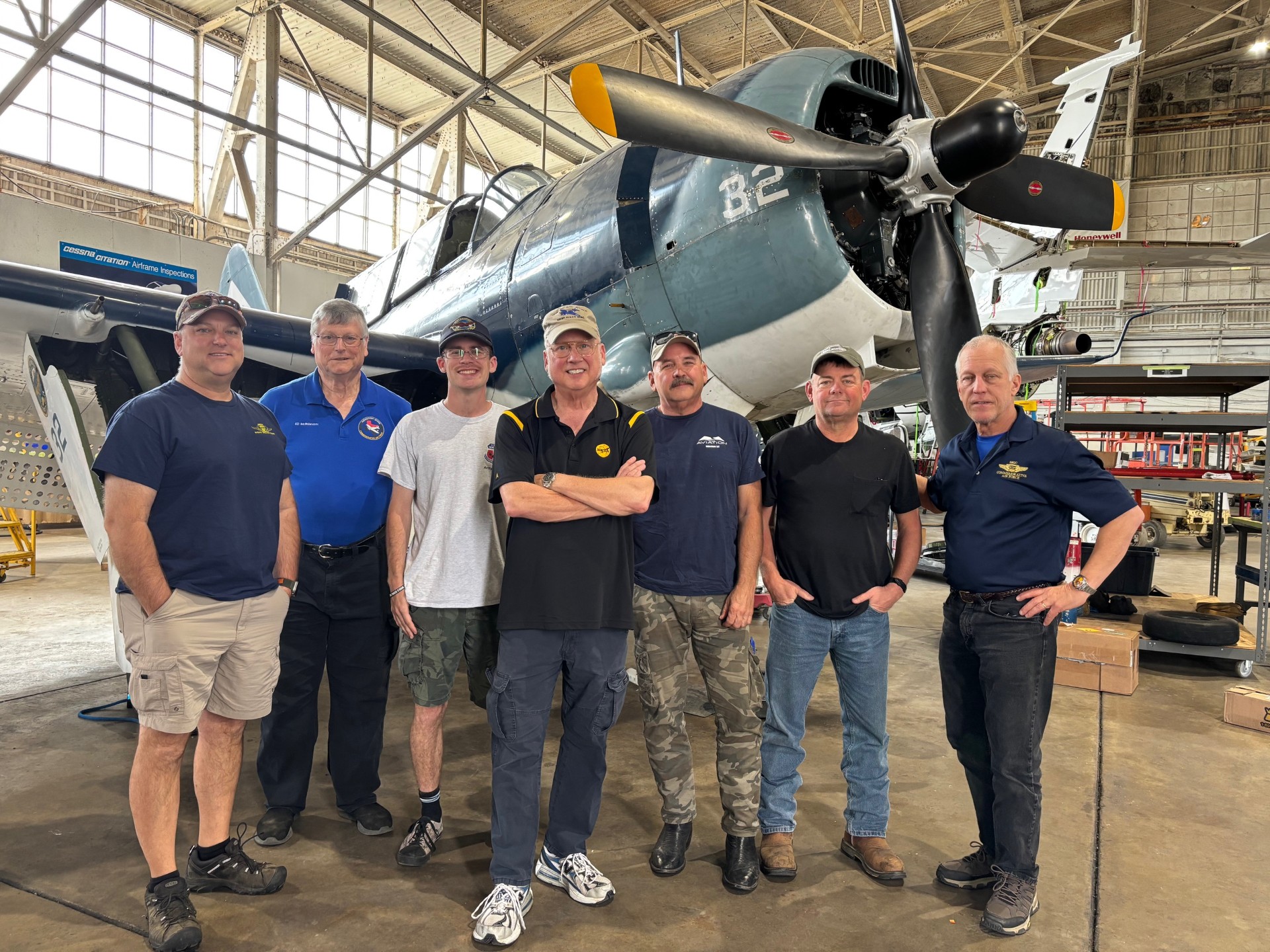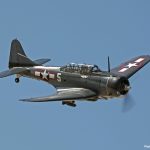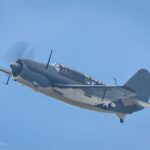
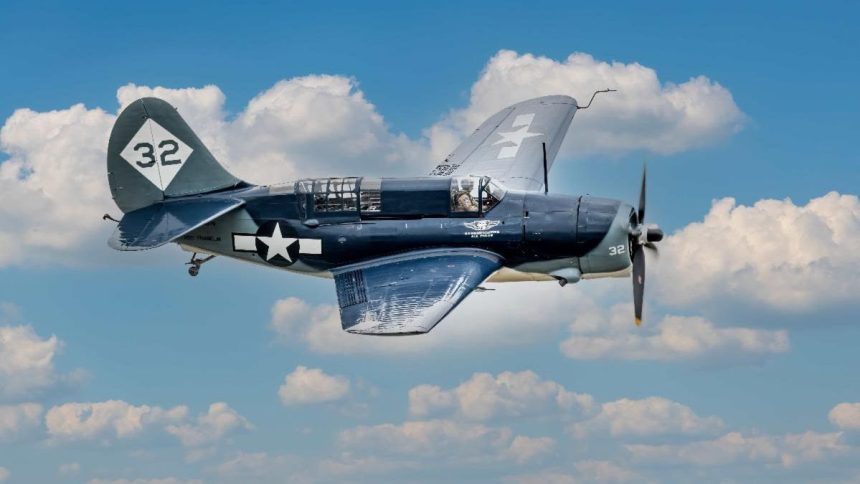

The Commemorative Air Force has announced that effective January 1, 2026, the organization formerly known as the West Texas Wing will officially operate as the CAF Helldiver Squadron. The new designation reflects both the unit’s core mission and its stewardship of one of the rarest flying warbirds in the world, the Curtiss-Wright SB2C Helldiver. The Helldiver Squadron supports one of only a handful of airworthy SB2C Helldivers remaining worldwide. As the U.S. Navy’s final purpose-built dive bomber, the Helldiver played a pivotal role in World War II, particularly in the Pacific Theater. While the aircraft earned a mixed reputation during its early service life, combat records tell a different story. SB2C Helldivers were responsible for sinking more enemy ship tonnage during the war than any other Allied aircraft, cementing their importance to the Allied victory at sea.
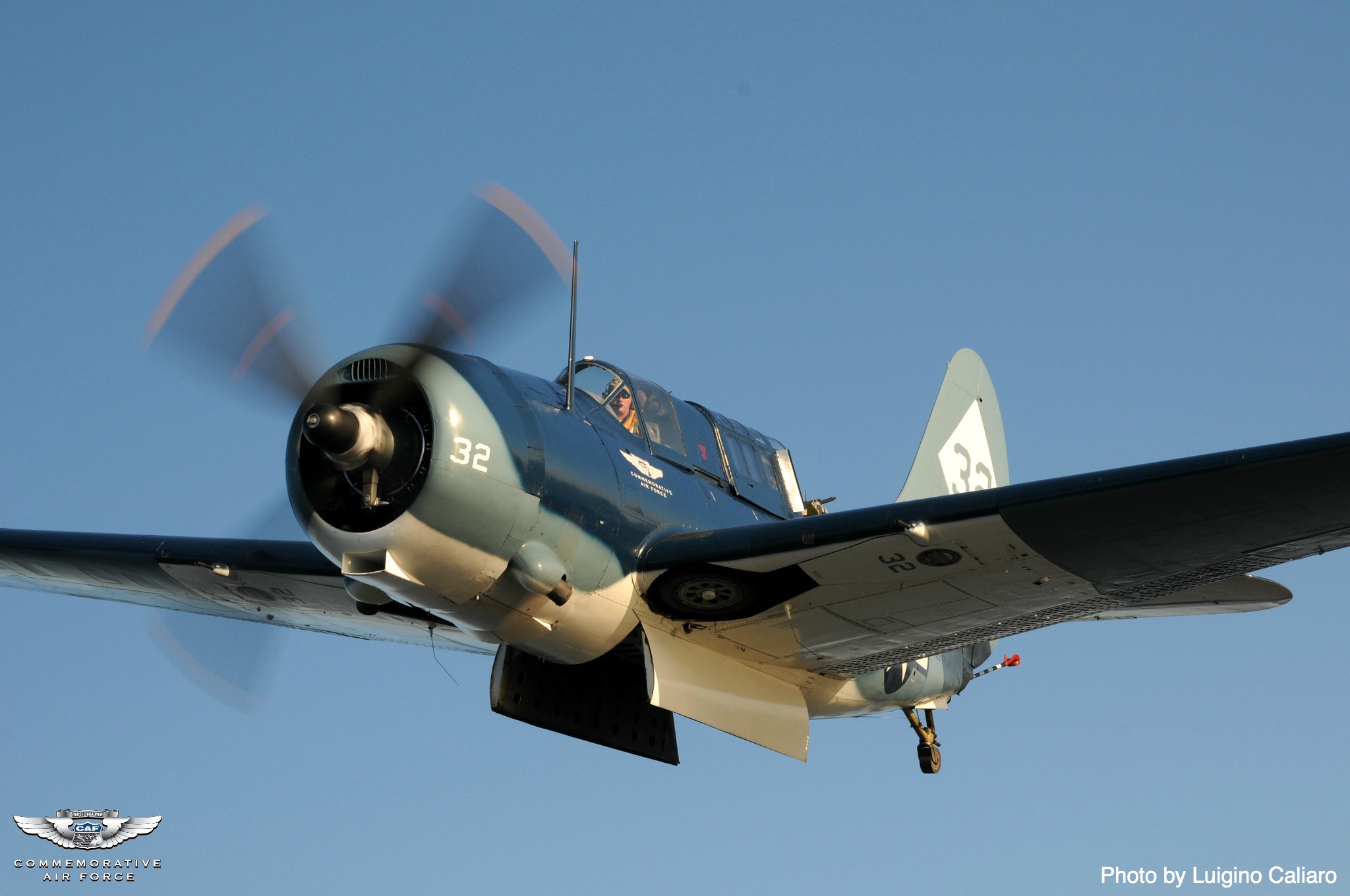
The decision to adopt the Helldiver Squadron name follows years of reflection on the unit’s evolving role within the CAF. Chartered in San Angelo, Texas, in January 1978, the West Texas Wing once stood as the organization’s largest unit, counting more than 500 members at its height. Over time, however, aircraft assignments changed, and the SB2C Helldiver became permanently based in the Houston area. As a result, the unit’s historic name no longer accurately represented its aircraft, location, or primary focus.
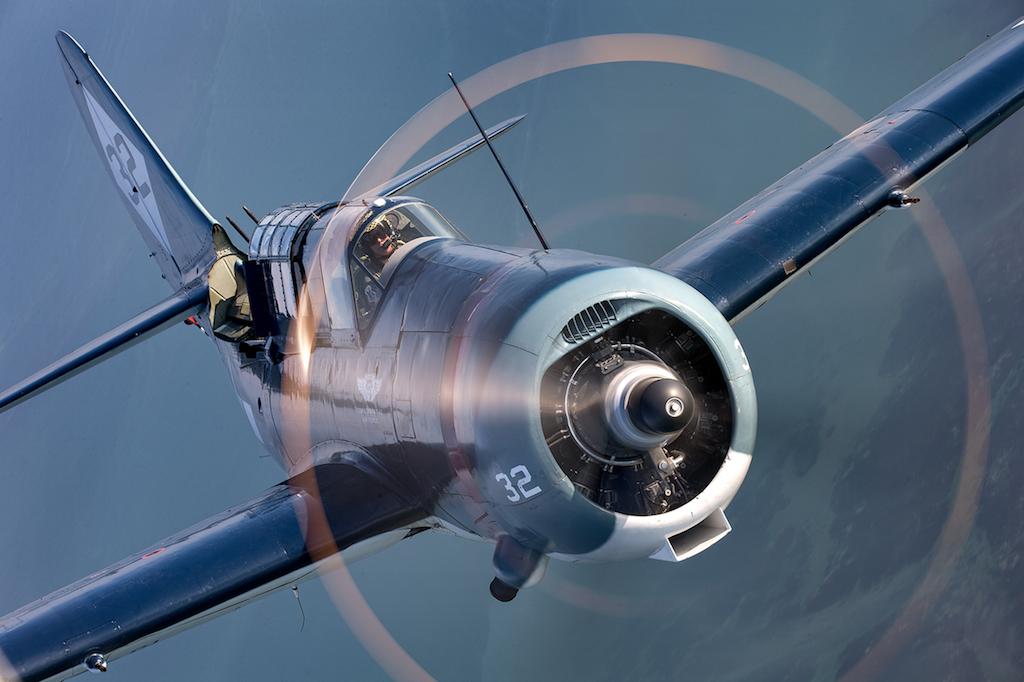
After extensive discussion and a membership vote, the decision was made to align the Squadron’s identity with the aircraft it exists to preserve and operate. While the West Texas Wing name now becomes part of CAF history, the unit’s mission remains unchanged: preserving rare military aircraft, honoring the men and women who served, and educating the public through living history. From a performance and capability standpoint, the SB2C Helldiver compares favorably with its contemporaries. The SB2C-4 variant offered greater cruising speed and range than the TBM Avenger, significantly outperformed the earlier SBD Dauntless, and approached the performance envelope of the famed F6F Hellcat. Only the F4U Corsair surpassed the Helldiver in speed, and did so with a notable tradeoff in range.
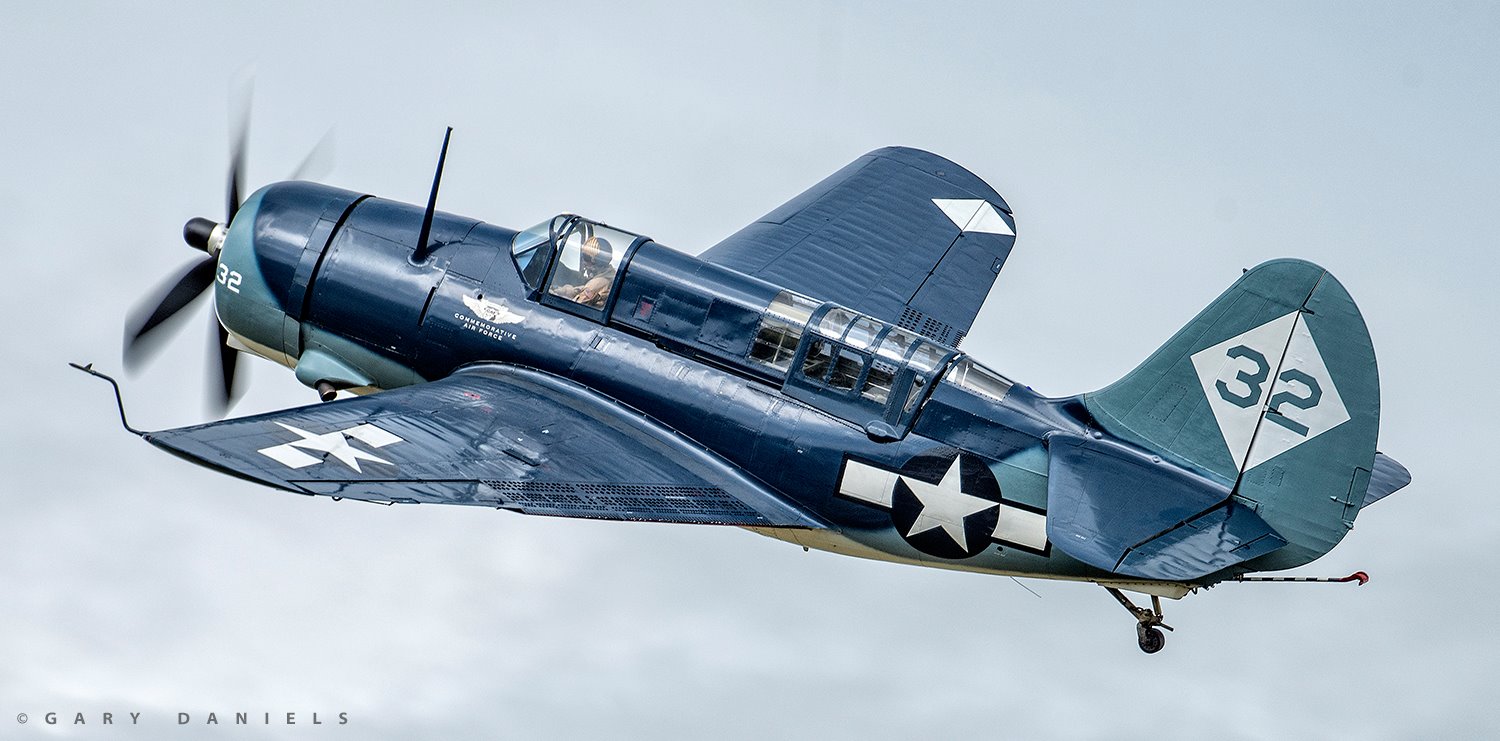
Today, the CAF Helldiver provides airshow audiences with a rare opportunity to experience a true World War II naval dive bomber in flight. Its demonstrations often include simulated dive-bombing attacks, rocket runs, and strafing passes. Between performances, the crew remains with the aircraft to answer questions and offer guided tours, helping bring the history of naval aviation to life through one of its most formidable — and misunderstood — aircraft. For information about the CAF Helldiver Squadron, visit www.cafhelldiversquadron.com.