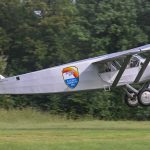
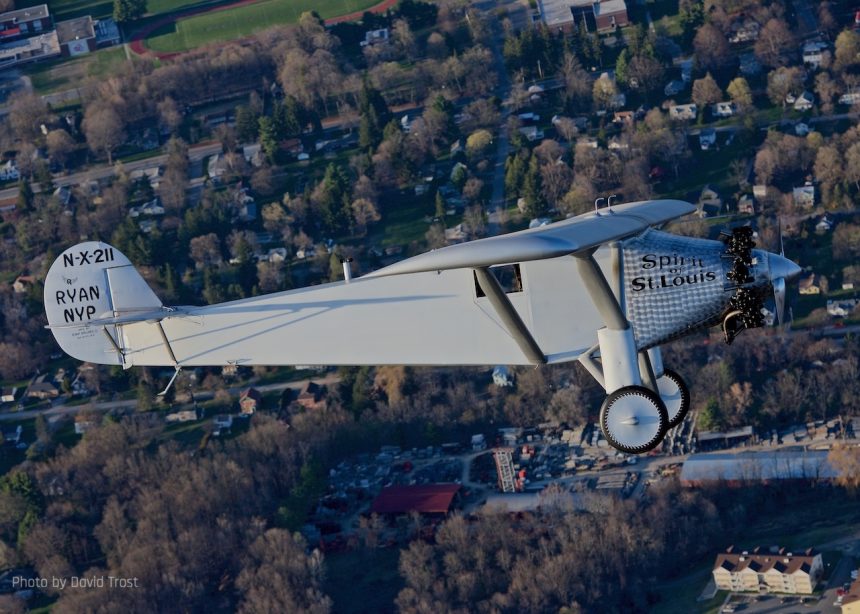

It’s an exciting day to be at the airfield. You stand amongst the crowd of hundreds of onlookers, keeping a watchful eye out on the horizon for a legend to come into view. Soon enough, a small, silver airplane appears – the outline growing ever closer. Your excitement, and that of the crowd around you, begins to rise as the airplane’s identification is confirmed – it’s the Spirit of St. Louis. The well-known Ryan NYP soon lands, gently settling down on the naturally-turfed runway. A roar of cheers explodes from the gathering of onlookers. The Parisian crowd celebrates Charles Lindbergh’s completion of an epic Atlantic Ocean crossing at 10:22 p.m. on May 21, 1927. Except, it’s not 1927. It is 2025, and you are a visitor to the Old Rhinebeck Aerodrome.
(Image credit: VAN)
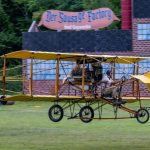
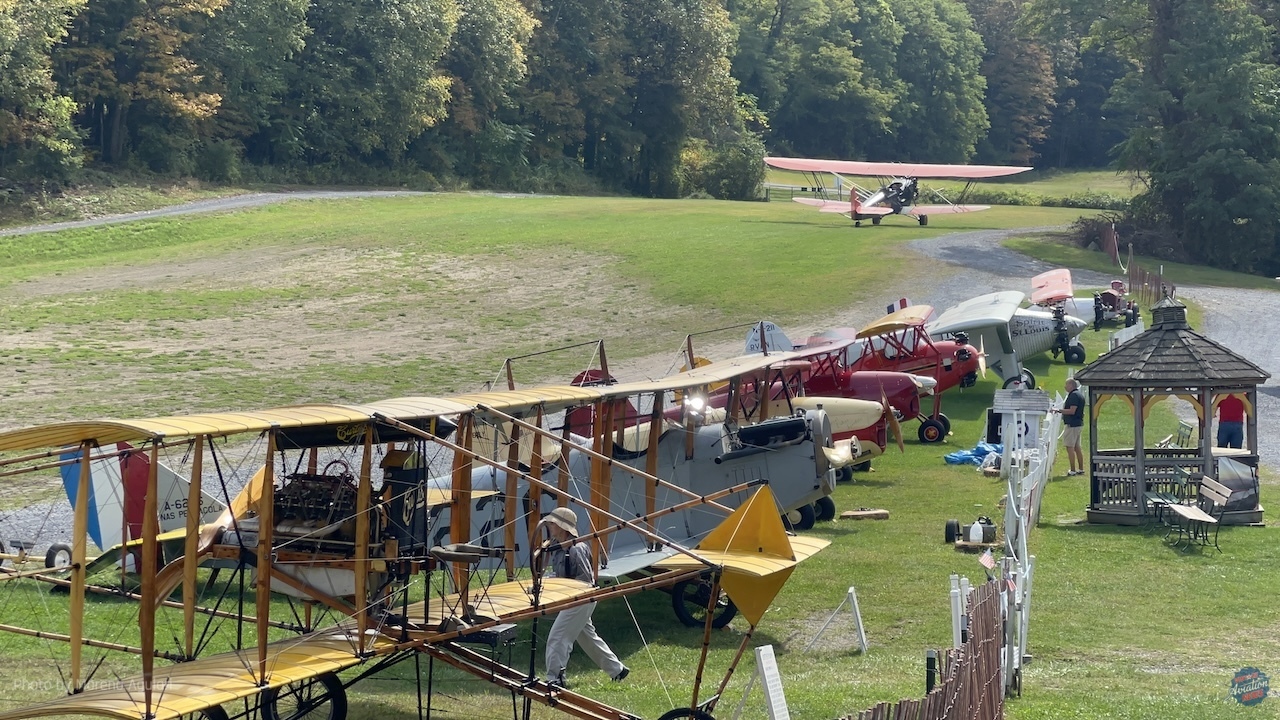
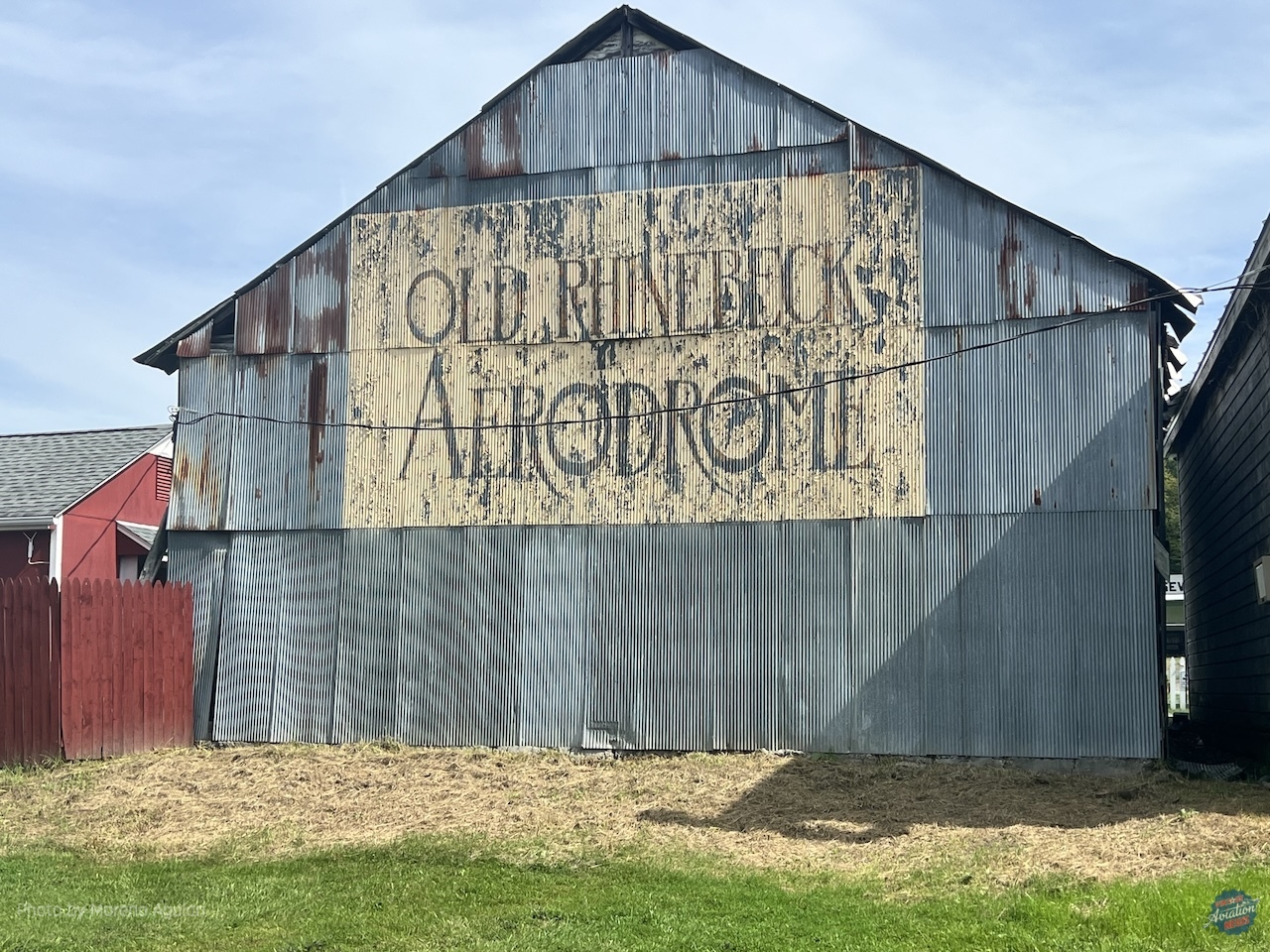
Founded in 1958 by Aviation visionary Cole Palen, Old Rhinebeck Aerodrome is a place where living history takes flight. The Aerodrome is a replica of an airfield that one would have experienced in the early 1900s, either as a pilot or casual aviation fan. Rhinebeck has been dubbed “America’s first flying museum of antique aircraft,” forging a path for other aviation history institutions to follow today. Old Rhinebeck Aerodrome was officially established as a 501 (c)(3) non-profit in 1993, ensuring that Mr. Palen’s legacy could be kept flying and that future generations could learn about the early years of aviation.
(Image credit: VAN)
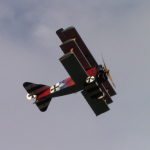
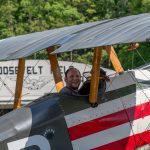
Located in Red Hook, New York, Old Rhinebeck Aerodrome is home to a collection of over 80 vintage aircraft. Planes from the early years of aviation, World War I, and the golden ages are represented in the collection. The static-display museum at the Aerodrome is open from May until October each year. Rhinebeck continues to host two airshows each week during the flying season from mid-June to mid-October. On Saturdays, visitors can experience the History of Flight air show, while the WWI show takes place on Sundays. For aviation history enthusiasts, Old Rhinebeck is a “must-see” during the Northeast flying months.
As a custodian to the early eras of aviation history, Rhinebeck Aerodrome is the proud operator of an airworthy replica Ryan NYP – a tribute to the Spirit of St. Louis. The original Spirit of St. Louis – and pilot Charles Lindbergh – are known for completing the first solo, nonstop transatlantic flight between New York and Paris. This historic flight took place between May 20 and 21, 1927 – spanning 33 hours and 3,600 miles in total. The Ryan NYP that Lindbergh was flying earned its name from the St. Louis Raquette Club, which was a hometown group of Charles’ supporters. The original aircraft was designed by Donald A. Hall and built by his company, Ryan Airlines. The NYP was a modification of Ryan’s already-existing M-2 design.
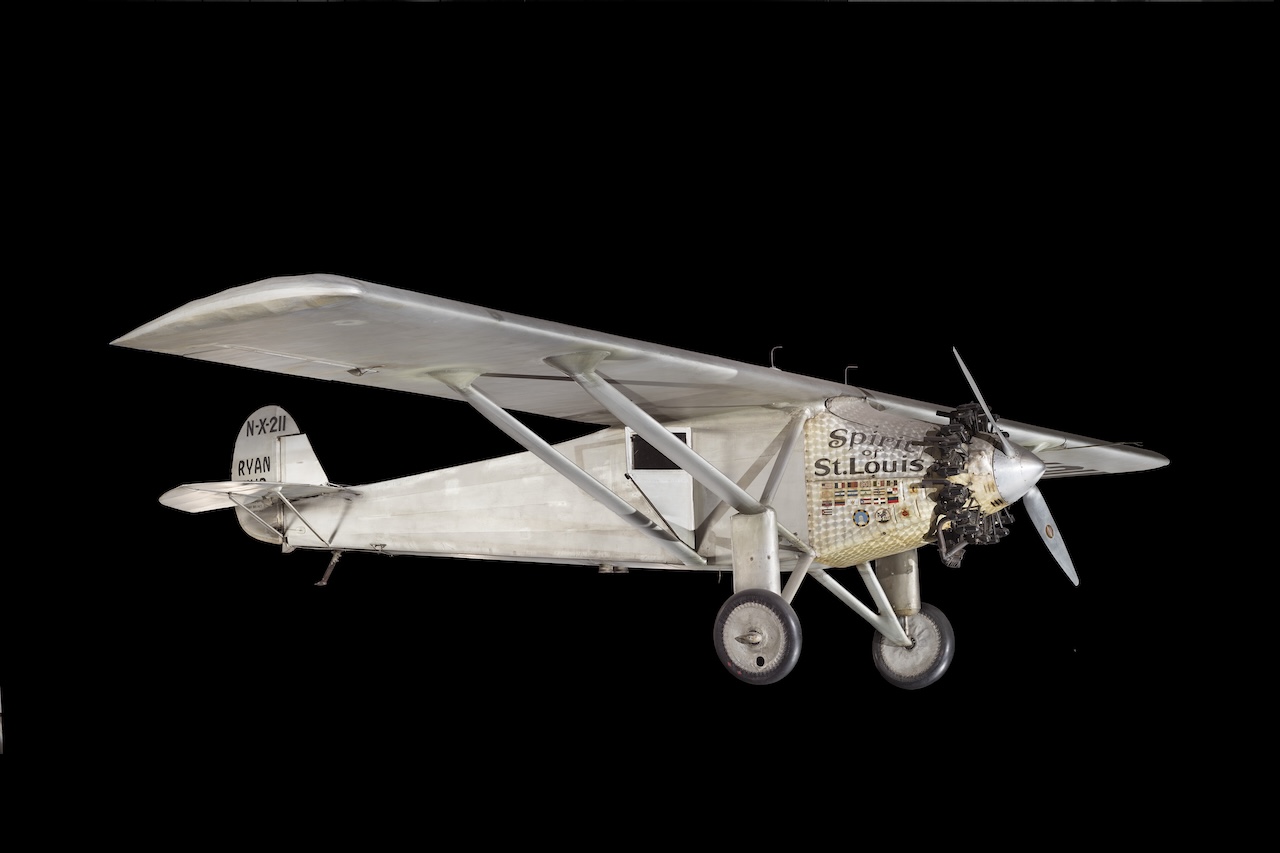
The original Spirit of St. Louis was powered by a Wright J-5C Whirlwind 9-cylinder radial engine of 223 horsepower. A fuel capacity of 450 US gallons gave the NYP a range of 3,600 nautical miles, ensuring that the transatlantic flight could be completed successfully. Cruise speed for the NYP was between 100 and 110 miles per hour. A notable design feature of the Spirit was the location of the fuel and oil tanks. Lindbergh requested that they be moved forward to improve the NYP’s centre of gravity and pilot survivability in the event of a crash. The location of these tanks after the relocation meant that the forward firewall had no room for a front windshield. Larger side and roof windows were installed, along with a periscope (should the need arise).
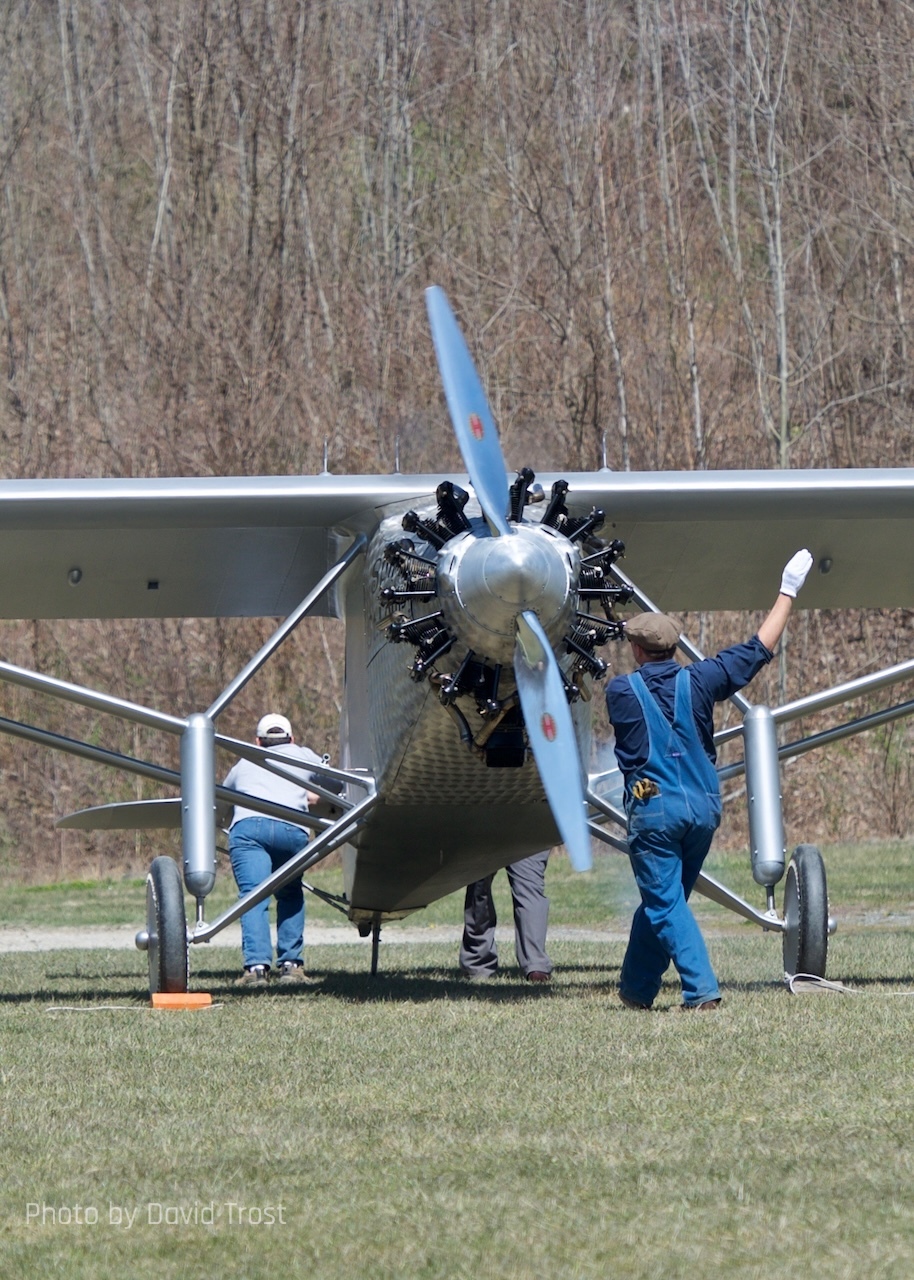
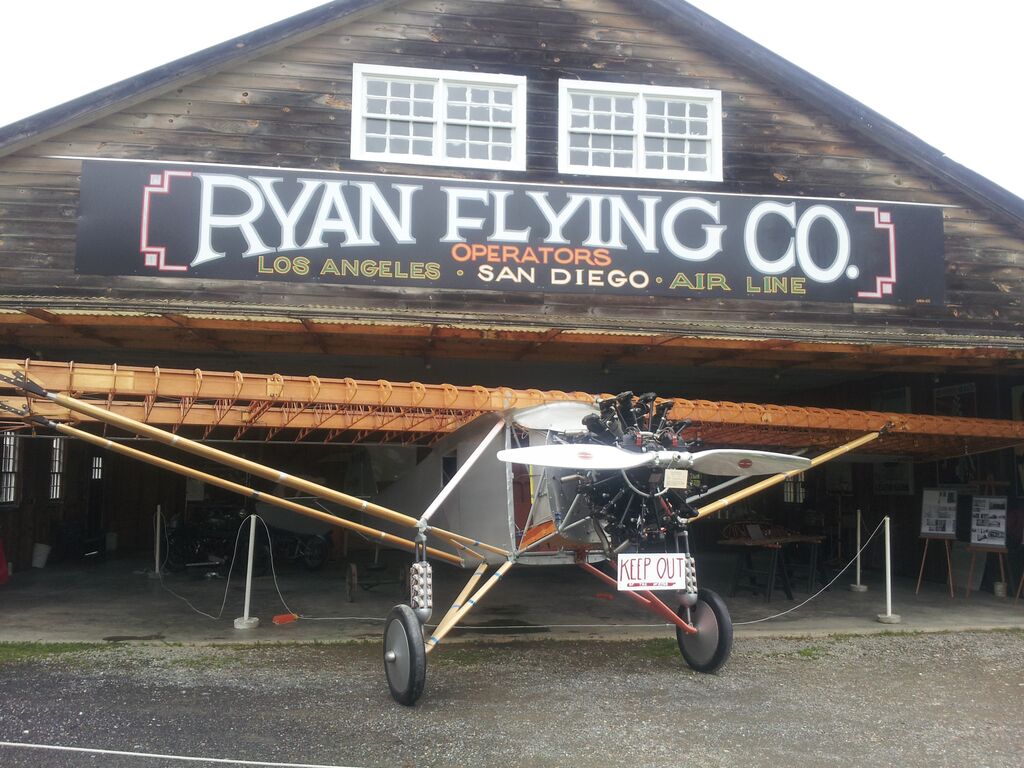
Old Rhinebeck Aerodrome’s Ryan NYP replica was initiated by founder Cole Palen. After his passing, work on the project continued in his honor – supported by generous volunteers and donors. On December 5, 2015, after years of extensive and accurate reproduction, Rhinebeck’s NYP replica flew for the first time. The only main difference between the original Spirit of St. Louis and Old Rhinebeck’s is the lack of long-range fuel tanks (their website claims “we don’t want to be tempted.” This true-to-the-original Ryan NYP routinely flies at Rhinebeck Aerodrome during the weekly History of Flight airshow.
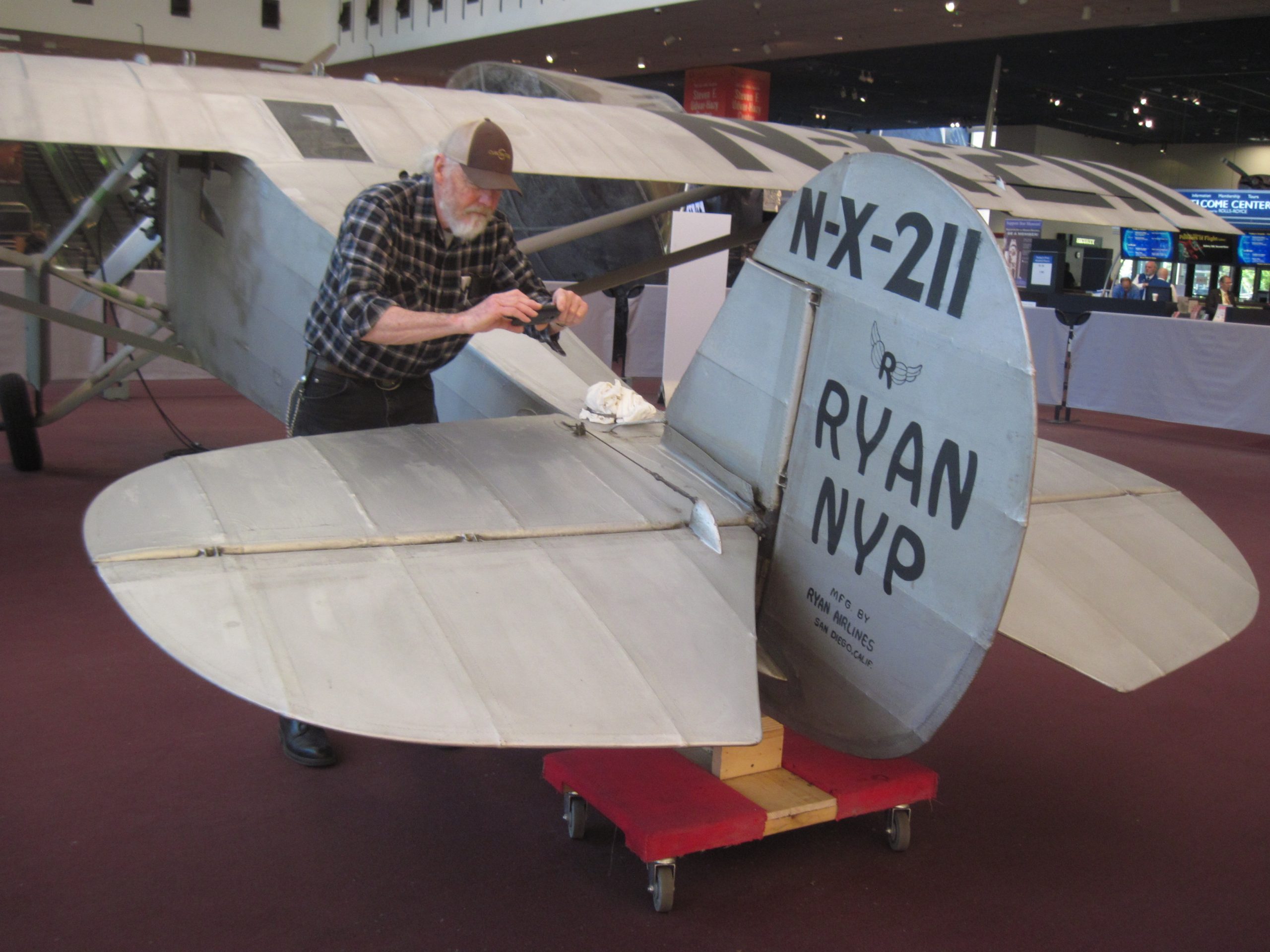
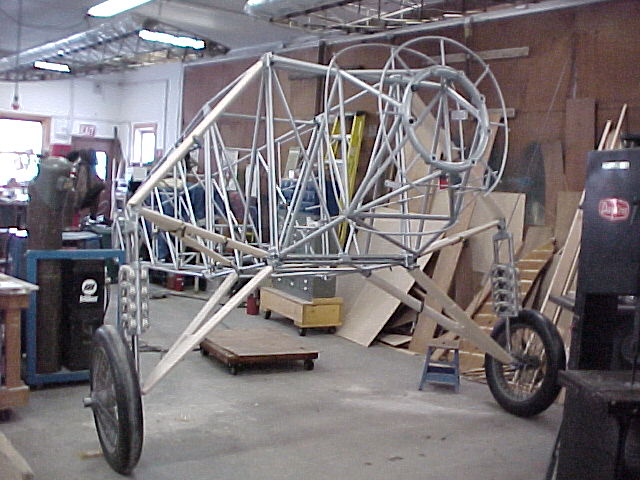
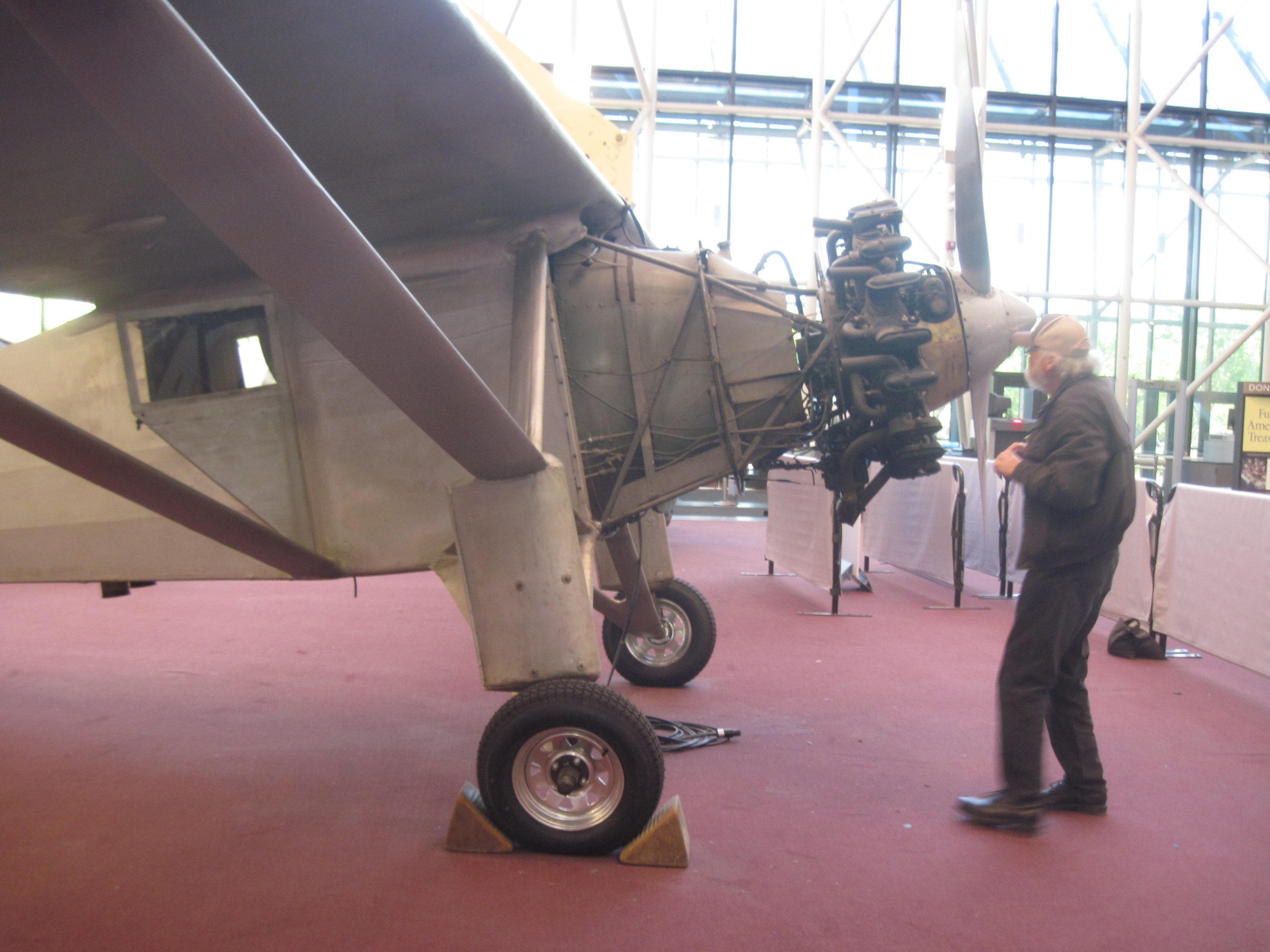
What is it like to fly the Spirit of St. Louis? Vintage Aviation News’ own Moreno Aguiari had a chance to speak with Old Rhinebeck Aerodrome Director Clay Hammond. In addition to leading the museum, Hammond serves as the Chief Pilot for the unique aircraft collection. He was able to provide some insights on the nuances of flying a Ryan NYP. The first, and perhaps most obvious question to be asked about flying the NYP is simply “how does the pilot see?” Hammond said, “Takeoff’s pretty easy ’cause it’s got the power, but pulling it out is very peripheral-based. You have fairly large side windows that are situated just forward of my head, so I have some forward vision out the windows. It’s not like I have to turn my head to look both ways.” The key to successful takeoffs and landings in a taildragger is peripheral vision – but this holds especially true for the NYP.
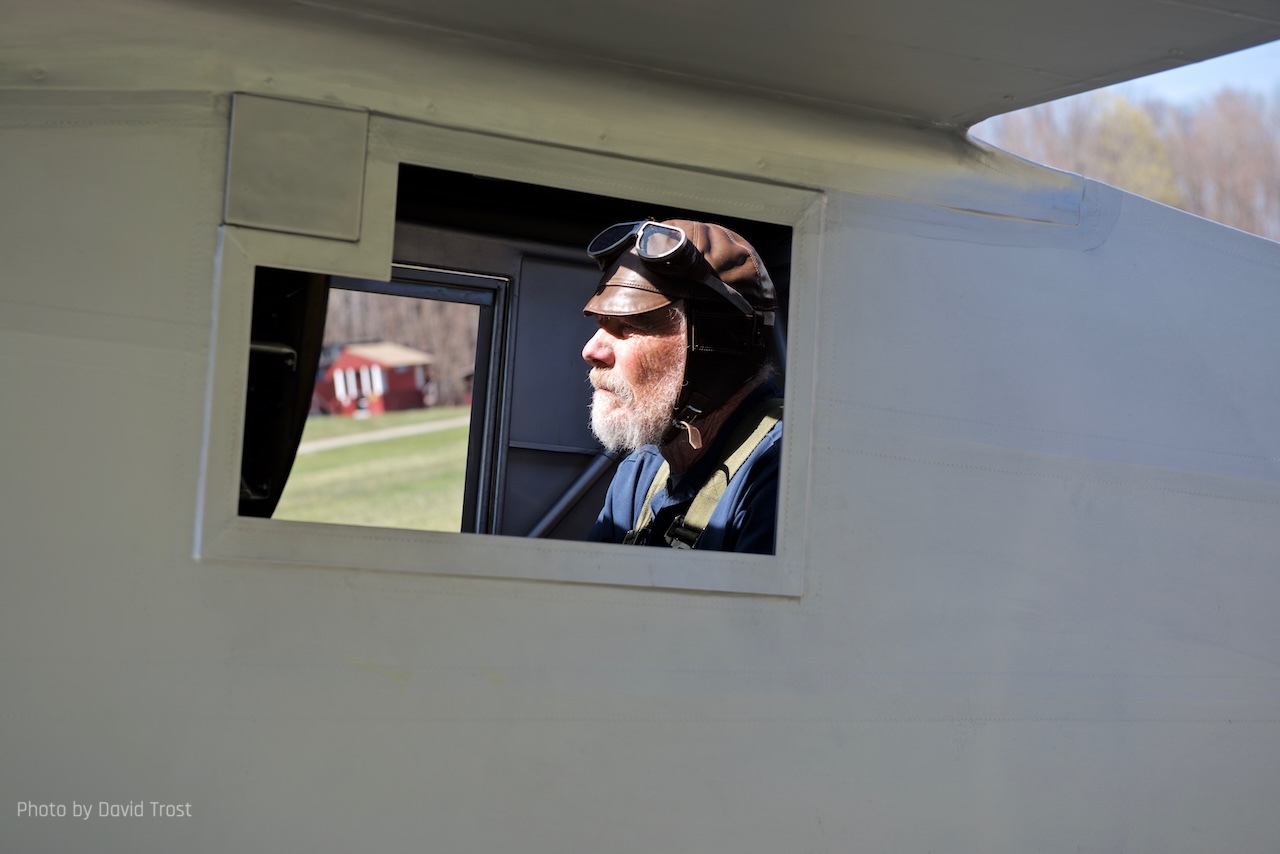
How does a pilot see while turning in the Spirit of St. Louis? How do they know where the horizon is? Hammond says, “There’s a fairly good-sized skylight (ceiling canopy.) So, you can actually (in the turn) look out the skylight to see what you’re turning into. It’s not necessarily about what’s right in front of you. It’s about what you’re headed towards, off either side, depending on which way you’re turning.” Another key tactic to flying the NYP is exposed – anticipating and staying ahead of the airplane.
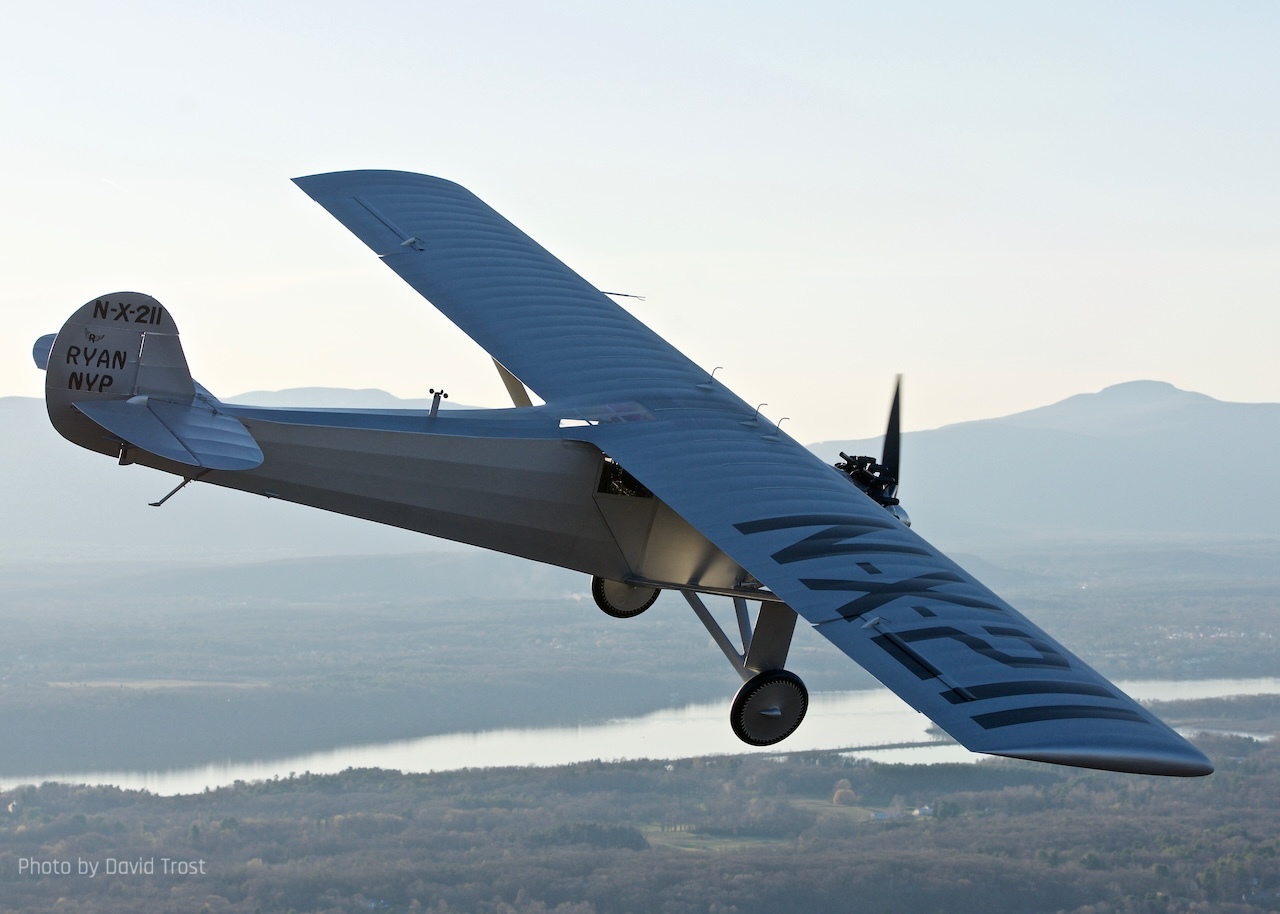
Takeoffs and turns are covered, but how about landing? Hammond says that the only way to make an approach to landing is a side-slip. This is a common maneuver by all pilots to bleed off altitude on final approach with or without flaps. The side-slip affords the NYP pilot to get a read on the runway situation ahead, and the amount of wind correction needed once they come out of the slip and transition to short-final and touchdown. The Spirit of St. Louis was purpose-built as a cross-country cruiser, but it’s very much a “stick and rudder” aircraft. Hammond says that he prefers to land with a 5 to 10 knot wind on the nose, as the NYP seems to like that on landing. The airframe is so sleek – again, built for distance and endurance. Landing can be a chore without a little bit of help from the winds, as the NYP likes to float.
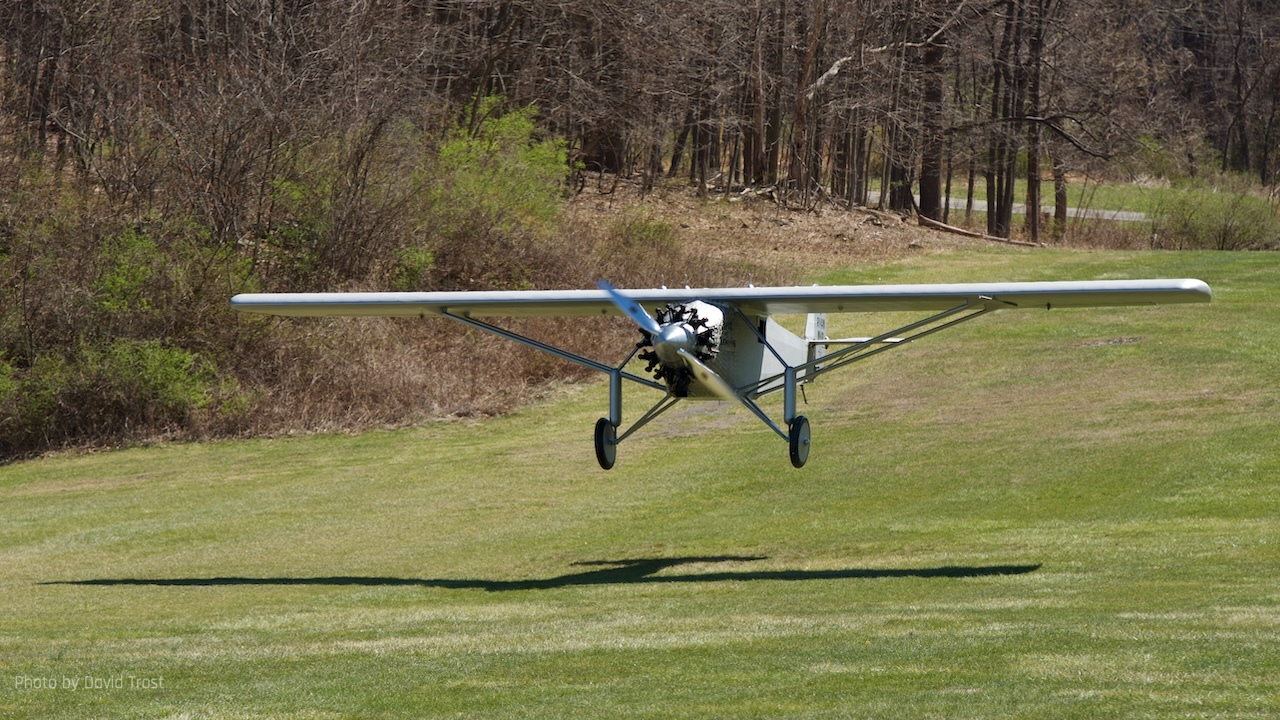
Clay Hammond is very fortunate for the opportunity to fly a carbon copy of the Spirit of St. Louis. He says that he pinches himself every time he gets in the cockpit, as the repeated opportunity almost seems surreal. “It (NYP) is so enormously different from any other airplane that flies here at the Aerodrome, or flies anywhere else. I won’t say it’s difficult (to fly), but it’s certainly one of the most different airplanes I’ve ever operated.” We thank Clay and Old Rhinebeck Aerodrome for their time and insights, as well as for their continual efforts to keep aviation history flying.