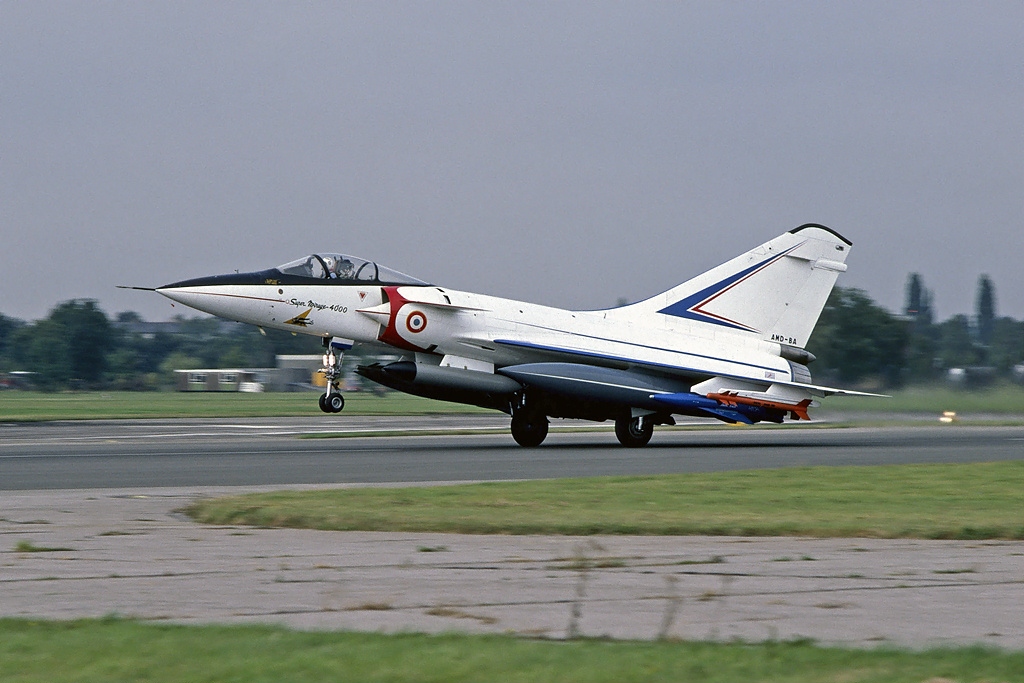
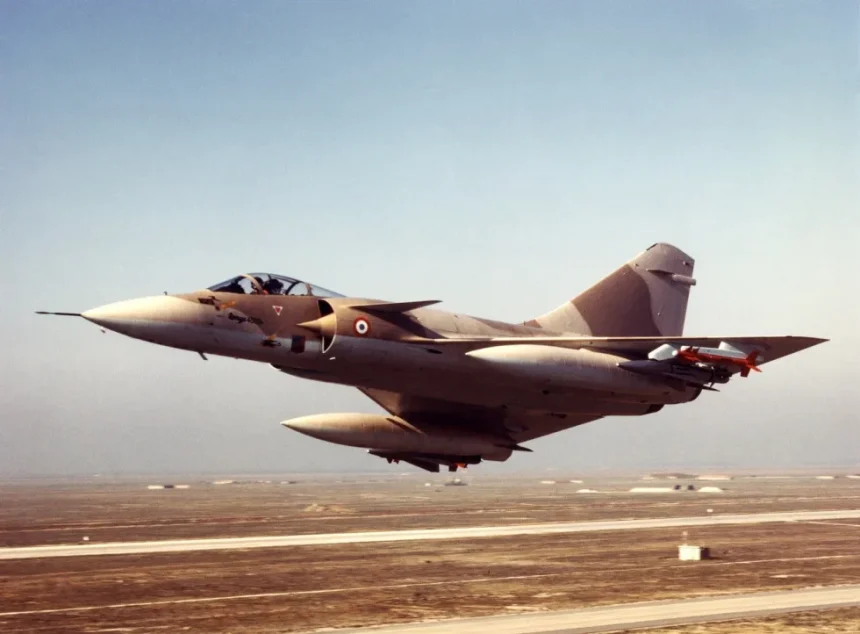

In the late 1970s, as fighter jets around the world were getting bigger and faster, the French aerospace company Dassault Aviation quietly began working on something ambitious, not to replace any aircraft France already had, but to prove a point. The idea was to build Europe’s first true “heavyweight” air superiority fighter on its own, without relying on the United States or the Soviet Union. That aircraft became the Mirage 4000, and for a short time, it looked like it could be Europe’s answer to the F-15 Eagle.
Rise of the Mirage 4000
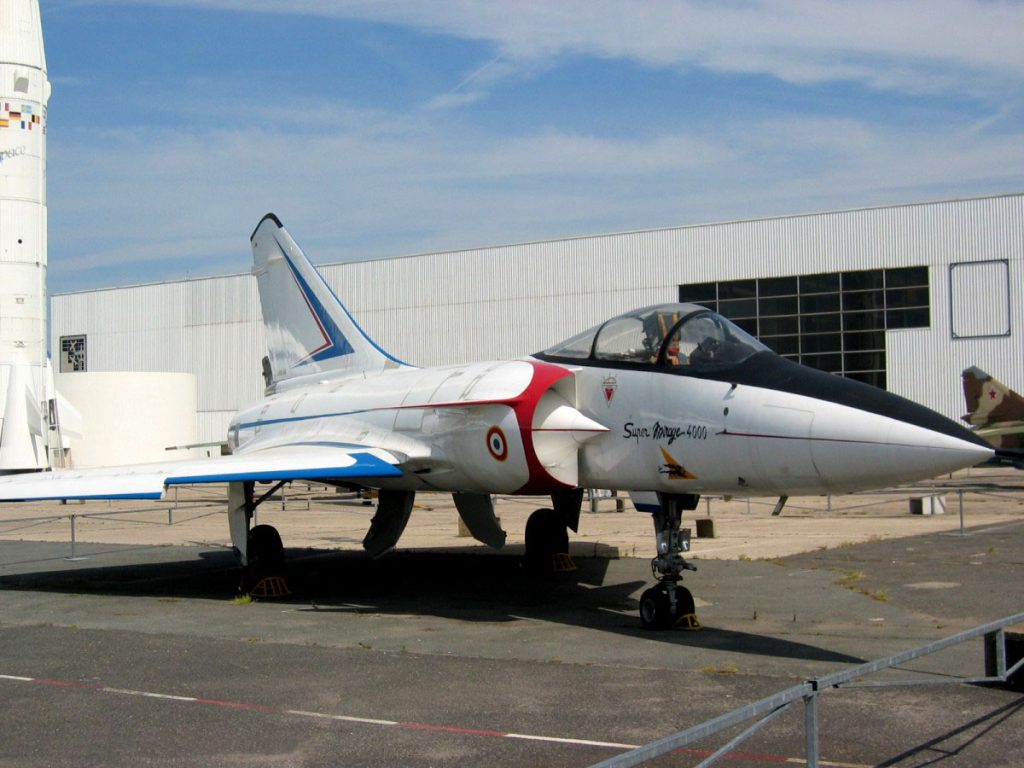
The Mirage 4000 was born during a period of uncertainty rather than confidence. France had already committed to the Mirage 2000, a smaller, single-engine fighter that fit neatly into national budgets and air force doctrine. But Dassault believed there was room above it for something bigger and more ambitious, especially as some export customers were suddenly cut off from top-tier American fighters following US export restrictions in the late 1970s. Rather than wait for official backing, Dassault chose to move ahead on its own, funding the Mirage 4000 as a private venture and betting that performance would create its own demand. At first glance, the Mirage 4000 looked like the Mirage 2000’s much bigger, more serious older sibling. It kept Dassault’s familiar delta-wing shape, but everything about it was scaled up, from the wider fuselage to the twin engines and the small canards tucked near the air intakes, which gave the jet a tougher look and helped keep it under control at very high speeds. Dassault also pushed the design further than it ever had before, using large amounts of composite materials to save weight and improve durability, including a massive carbon-composite vertical tail that was unusually large for its time.
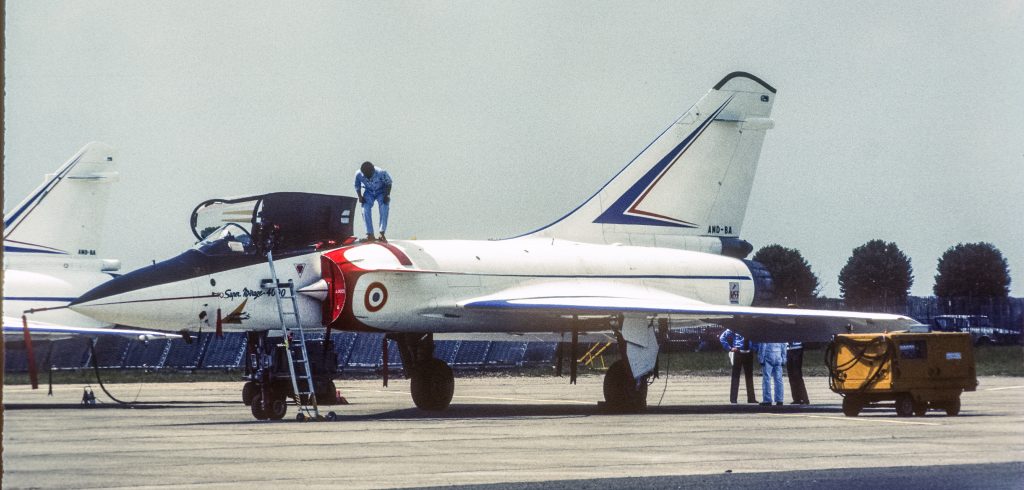
When the Mirage 4000 finally flew on March 9, 1979, with veteran test pilot Jean-Marie Saget at the controls, it immediately showed that Dassault’s confidence had not been misplaced. In just its sixth flight, the aircraft passed Mach 2, and within minutes of takeoff, it was climbing through 50,000 feet, reaching both altitude and speed in under four minutes, performance figures that put it in the same league as the world’s most powerful fighters. This wasn’t speed for bragging rights. With two powerful Snecma M53 engines pushing it forward, the Mirage 4000 had more thrust than it weighed, which meant it could climb and accelerate in a way very few fighters of the time could manage. It also carried far more fuel than the Mirage 2000 and was built from the start to refuel in mid-air, giving it the ability to chase targets far from home or fly deep strike missions, depending on what it was asked to do.
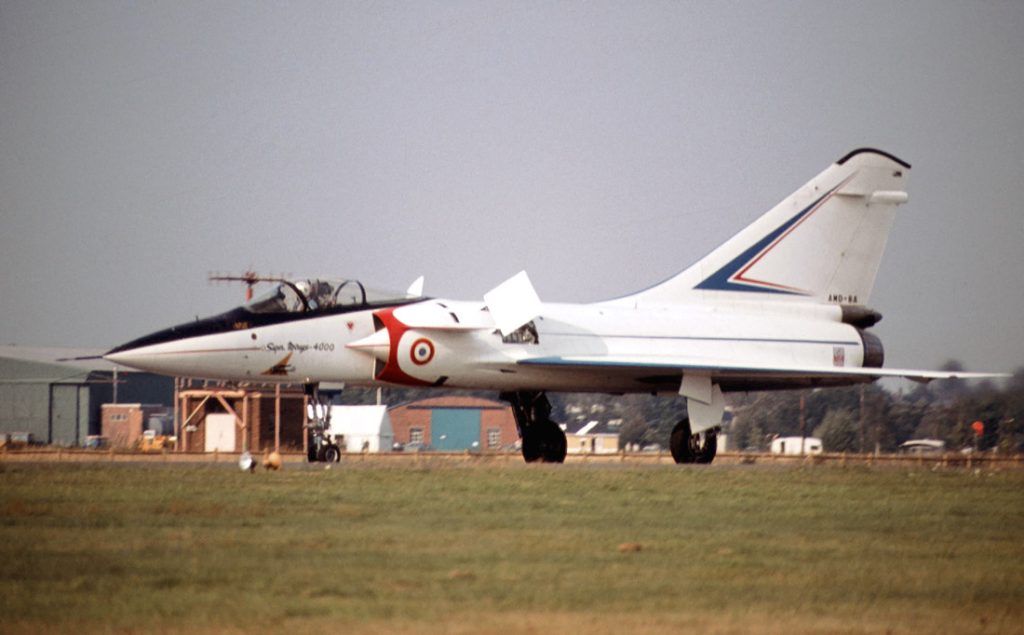
The Mirage 4000 used fly-by-wire flight controls, a glass cockpit layout, hands-on-throttle-and-stick controls, and sensors that allowed it to detect and track targets below its own altitude, features that were becoming standard in American fighters but were still cutting-edge in Europe at the time. With eleven hardpoints and a payload capacity approaching 17,600 pounds, it could carry heavy air-to-air missile loads, ground-attack weapons, or a mix of both, making it far more flexible than earlier Mirage designs.
Politics over Performance
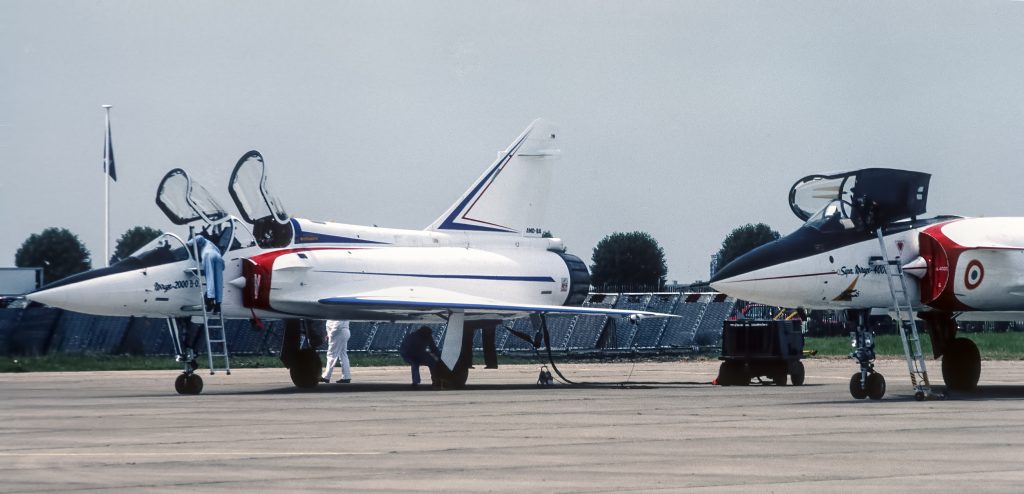
For all its performance, the Mirage 4000 was always fighting a political battle it was unlikely to win. The French Air Force had already committed to the Mirage 2000 and saw no reason to split its budget on a much larger jet, which meant Dassault was left looking overseas for buyers. Early interest from Iran disappeared almost overnight after the 1979 revolution. Although Saudi Arabia held serious talks, it ultimately chose the Panavia Tornado as part of a broader political and industrial agreement with Britain and Germany. By the early 1980s, the Mirage 4000 was facing tough competition from all sides. American fighters such as the F-15, F-16, and later the F/A-18 became available again, and new Soviet designs like the MiG-29 and Su-27 offered strong performance at competitive prices. Without any backing from its own air force, the Mirage 4000 looked impressive to its potential customers, but it was costly. The aircraft seemed stuck in a crowded market where politics often mattered just as much as performance.
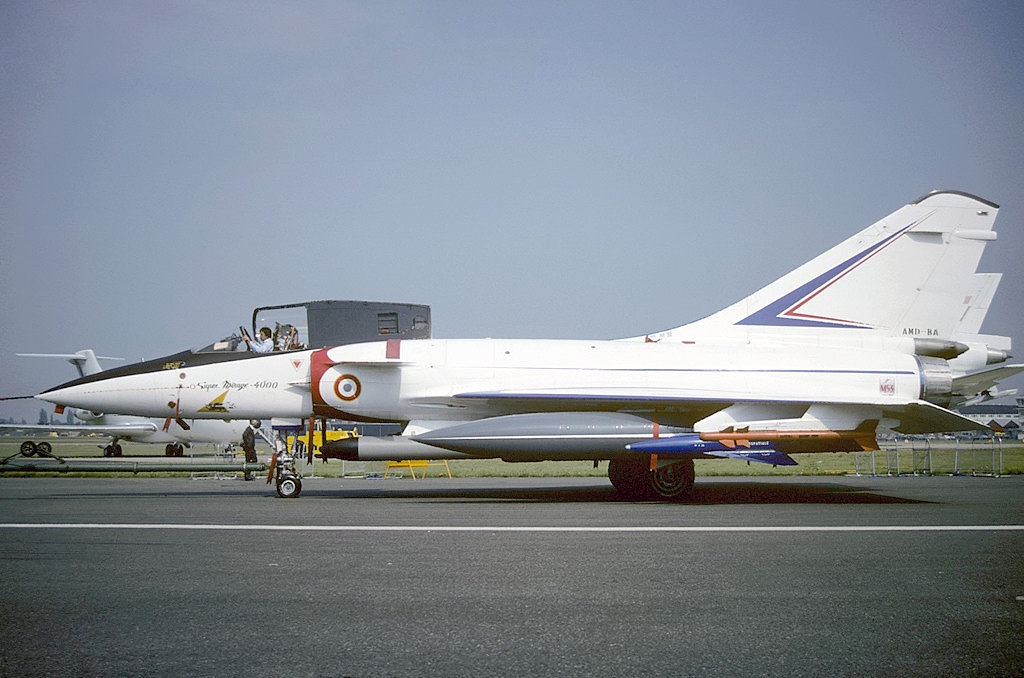
Dassault continued flying the lone prototype, using it as a technology testbed and demonstration aircraft, but by the mid-1980s, it was clear that no orders were coming. The Mirage 4000 completed 336 flights, its last one in January 1988, before being quietly retired and eventually placed in a museum, a reminder of what might have been rather than what was. However, the Mirage 4000 was not a wasted effort. Many of the lessons Dassault learned from it later found their way into the Rafale, which France developed as a single multirole fighter to replace several different aircraft. The Rafale carried forward ideas first explored on the Mirage 4000, including the canard-delta layout, fly-by-wire controls, and modern cockpit design, but wrapped them into a smaller and more affordable aircraft.
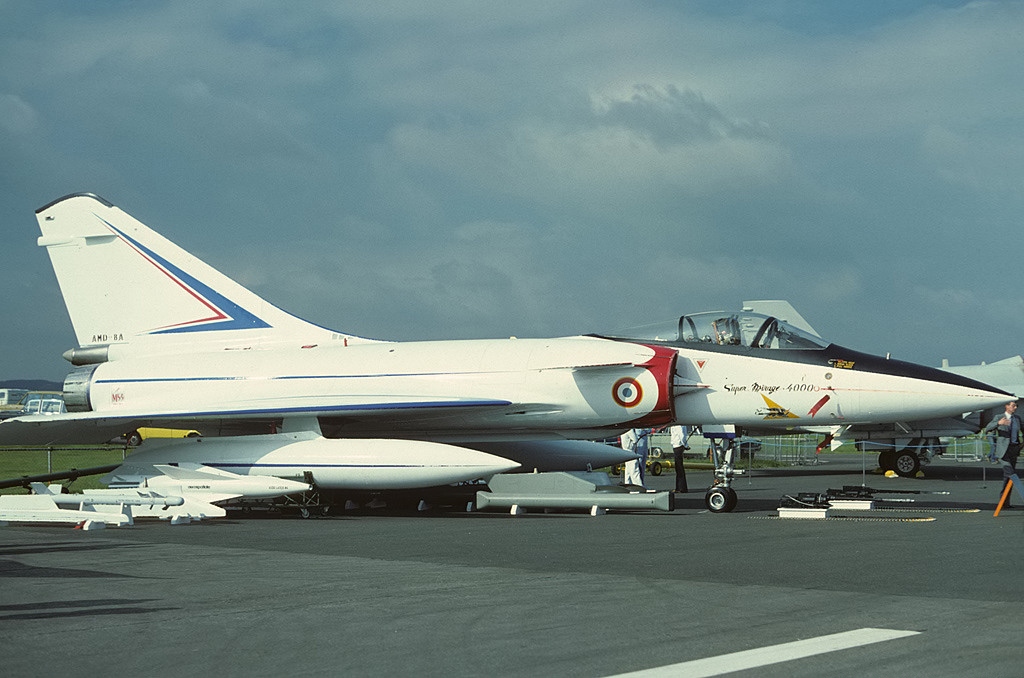
At the end, the Mirage 4000 faded away, not because it was a bad idea or a poor design, but because of constant policy shifts. Europe was not ready to fund its first true “heavyweight” air superiority fighter, and the air forces around the world started hunting for multirole fighters rather than big, powerful ones. Like many designs remembered in Grounded Dreams, it stands as proof that being right about technology is not always enough if timing, politics, and budgets move in a different direction. Check our previous entries HERE.